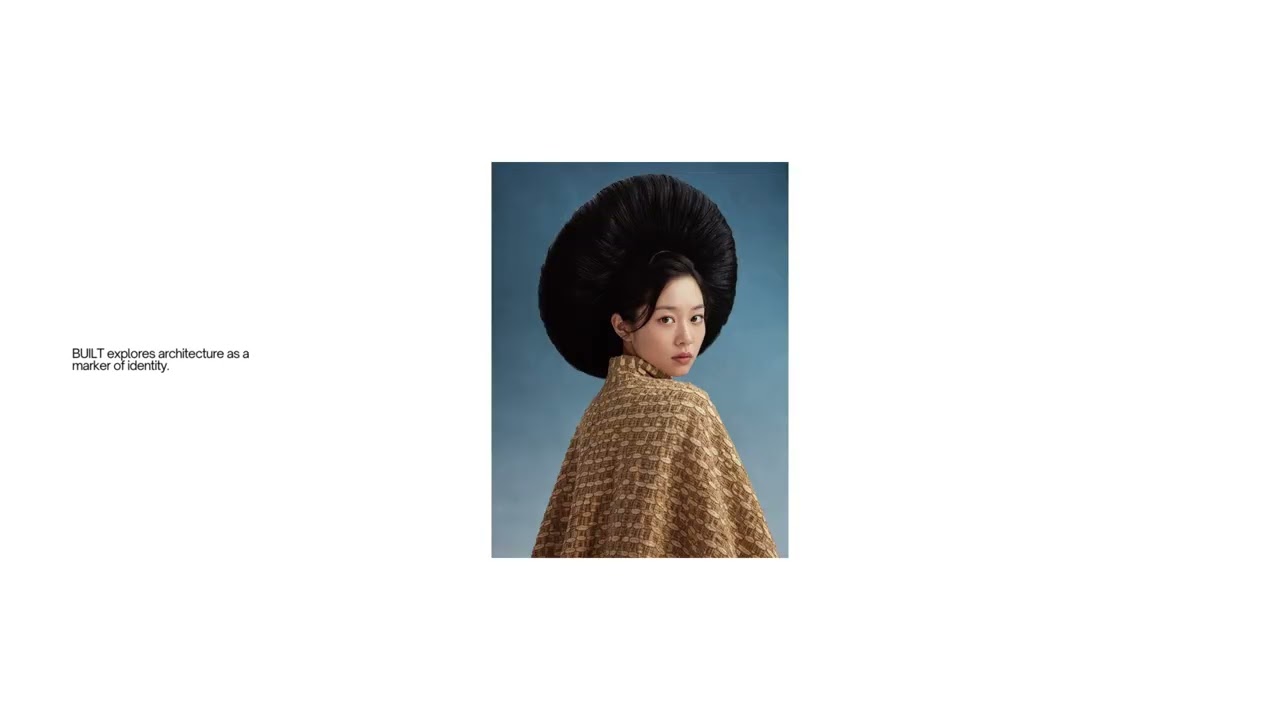


About
Elyana Binte Azmi is a BA (Hons) Fashion Media and Industries graduate whose practice explores the intersection of fashion, film, and cultural storytelling. She uses visual media as a platform to engage with themes of identity, memory and heritage.
Grounded by her connection to Malay culture, Elyana is interested in reinterpreting tradition through contemporary forms. Her work considers how cultural symbols and practices can be translated for present-day audiences, framing heritage not as something static, but as an evolving dialogue between past and present.
She approaches fashion as a narrative medium, extending beyond aesthetics into material expression. Through styling, movement direction and visual composition, she creates work that reflects emotional and cultural experiences. Her process balances research with experimentation, resulting in outcomes that are both visually striking and conceptually considered.
With strengths in creative direction, visual storytelling, and project development, Elyana brings a thoughtful and adaptable approach to her practice. She works well in collaborative settings and is particularly drawn to opportunities that bridge tradition and contemporary media, contributing perspectives that are both fresh and culturally grounded.
KOMPAS (Compass)
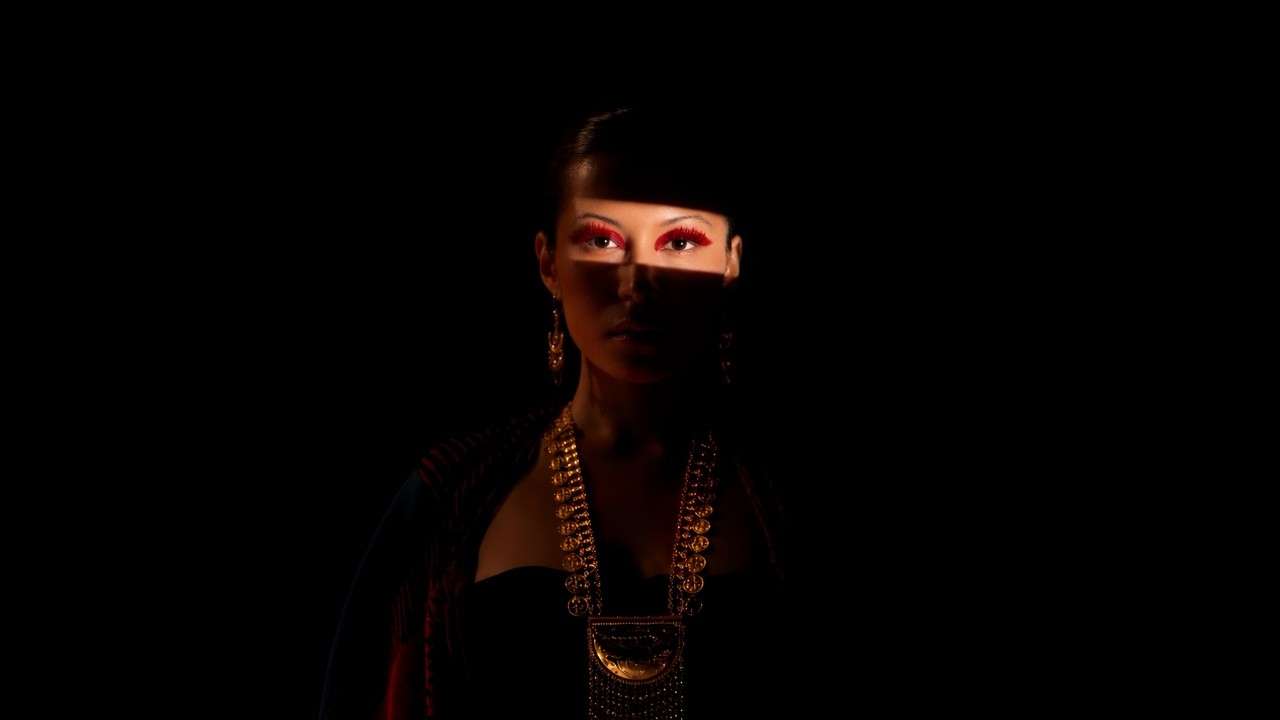
KOMPAS is an experimental fashion film that reimagines Malay heritage through the traditional choral art form of Dikir Barat. The film follows a solitary figure navigating disconnection and rediscovery. Guided by her heritage and the collective pulse of community, her journey reveals that her identity was never lost, but something that has always lived within. Blending fashion, movement, sound and poetry, the film frames Malay identity as a living, evolving, cultural force, and embraces the tension between tradition and modernity.
'This project is a reflection of my seven-year journey in Dikir Barat, as well as my own relationship with the Malay culture. Rather than treating tradition as something fixed, I wanted to explore how it can evolve and continue to guide us in the present. To me, Dikir Barat has always been a safe space for communal voice and expression, and this film reinterprets that spirit through a more introspective and visual form. Ultimately, KOMPAS is about returning—not to the past as it was, but to a deeper understanding of who we are.'


Sanjana Jain
Sadaf Khan

Yuvika Taneja

Kashish Malani
Yang Chaiwon

Chin Li Ri