


About
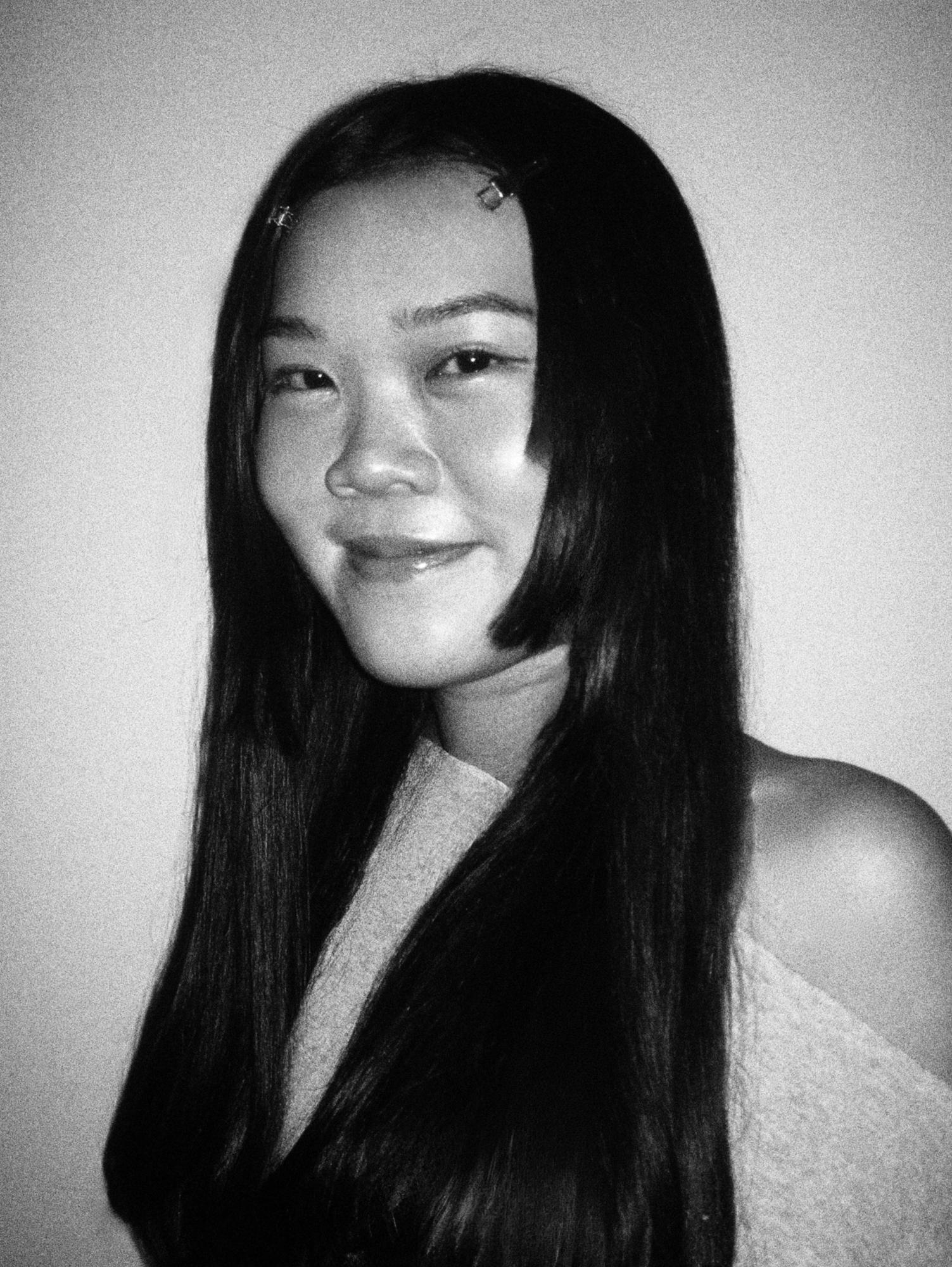
Ashley Chan is a Singapore-based creative who dabbles in graphic design, styling, photography and videography.
Her work sits between fashion, media and visual storytelling, often inspired by music, her Chinese heritage and the little moments in everyday life.
She has worked on a mix of campaigns, shoots and content for brands including Universal Music Singapore, TANCHEN Studio and Noontalk Media, creating everything from artist merchandise and social media visuals to styling and art direction. She enjoys jumping between ideas and formats, figuring out how to bring a concept to life in ways that feel both thoughtful and engaging.
At heart, Ashley is interested in how images can hold feeling: how something simple can tell a story, spark recognition or stay with you a little longer than expected.
Dead Matters

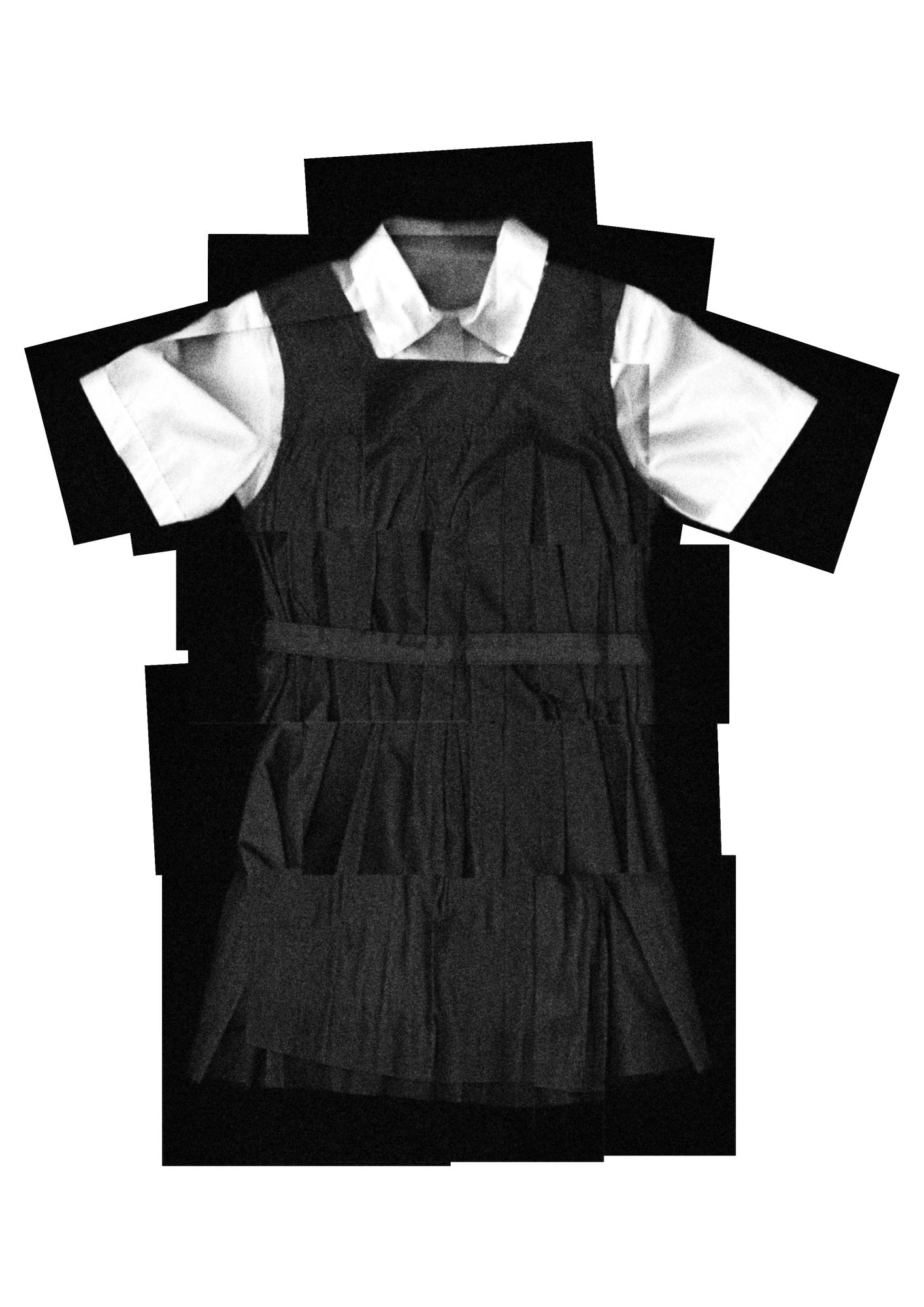
Dead Matters is an archival project that looks at the emotional weight carried in everyday dress.
Through interviews and scan-based imagery, it gathers stories of clothing and accessories as small but meaningful anchors—things that hold memory, comfort and a sense of self. Instead of chasing the new, the project lingers on the familiar.
It sees fashion not just as change, but as continuity: where what we wear, again and again, becomes a quiet way of holding on and belonging.
The work unfolds as a series of ten accordion volumes, translating the archive into a tactile, handheld form.
A digital archive of the project can be accessed here: https://readymag.website/u1610016742/deadmatters/


This project began with an interest in the things we keep returning to—the clothes that stay, rather than the ones we replace. Through Dead Matters, Ashley explores how familiarity shapes our relationship with dress, and how repetition, rather than novelty, can hold meaning. Built from conversations and close, scanner-led image-making, the work focuses on intimate encounters with garments, capturing them in fragments and points of contact rather than full views. In doing so, it mirrors the way memory itself works: partial, tactile and closely tied to the body.




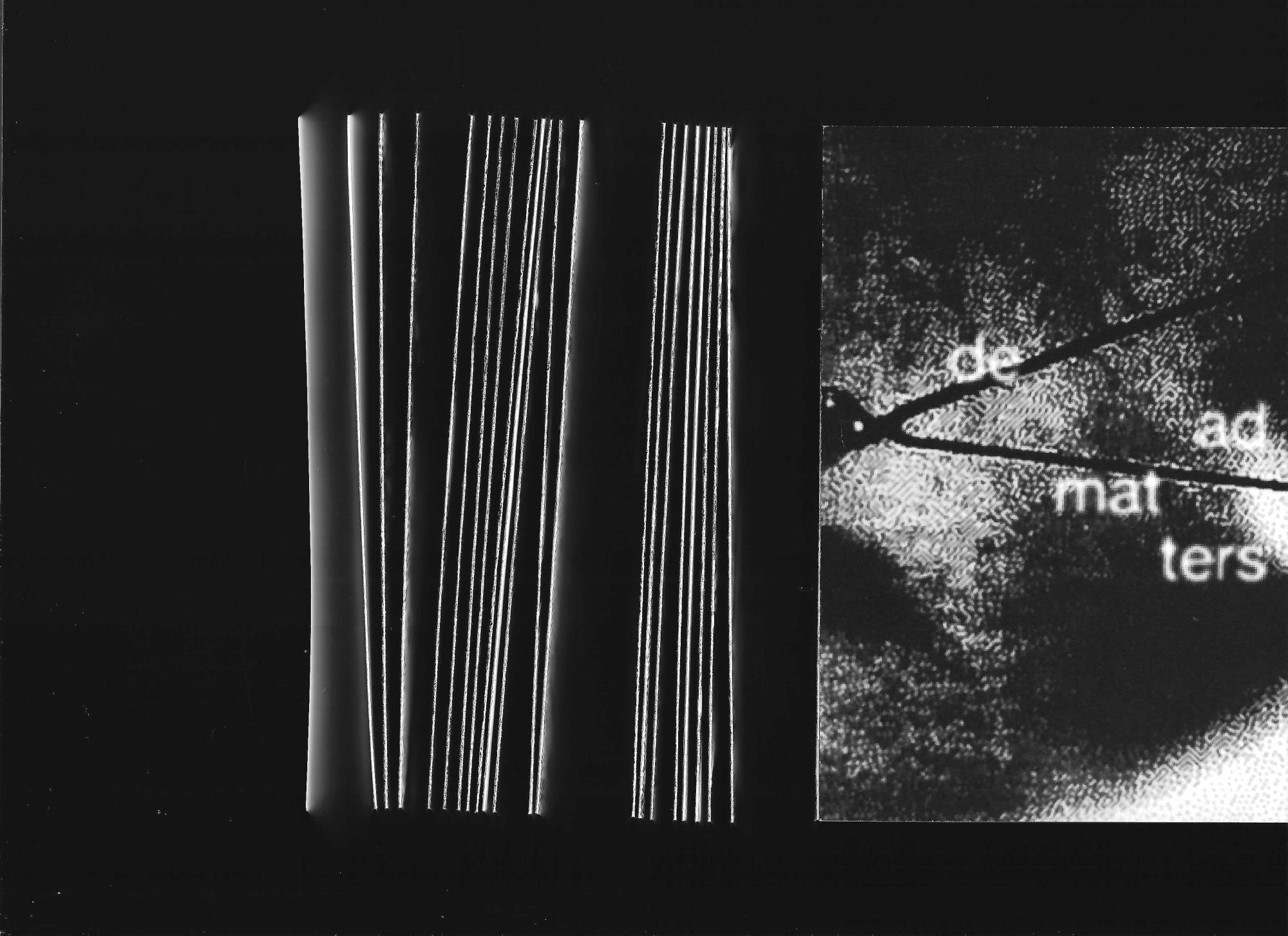
Sharmaine Foo Jinen
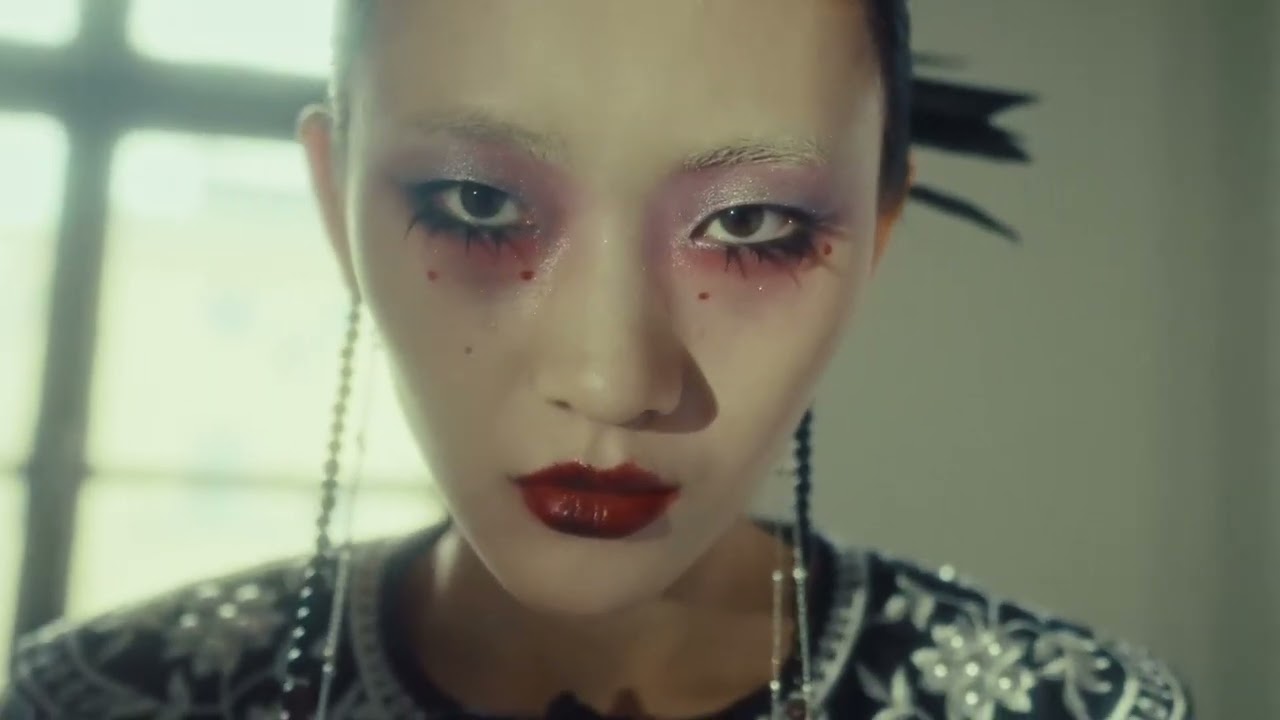
Daung Madi

Nadiah Norzain
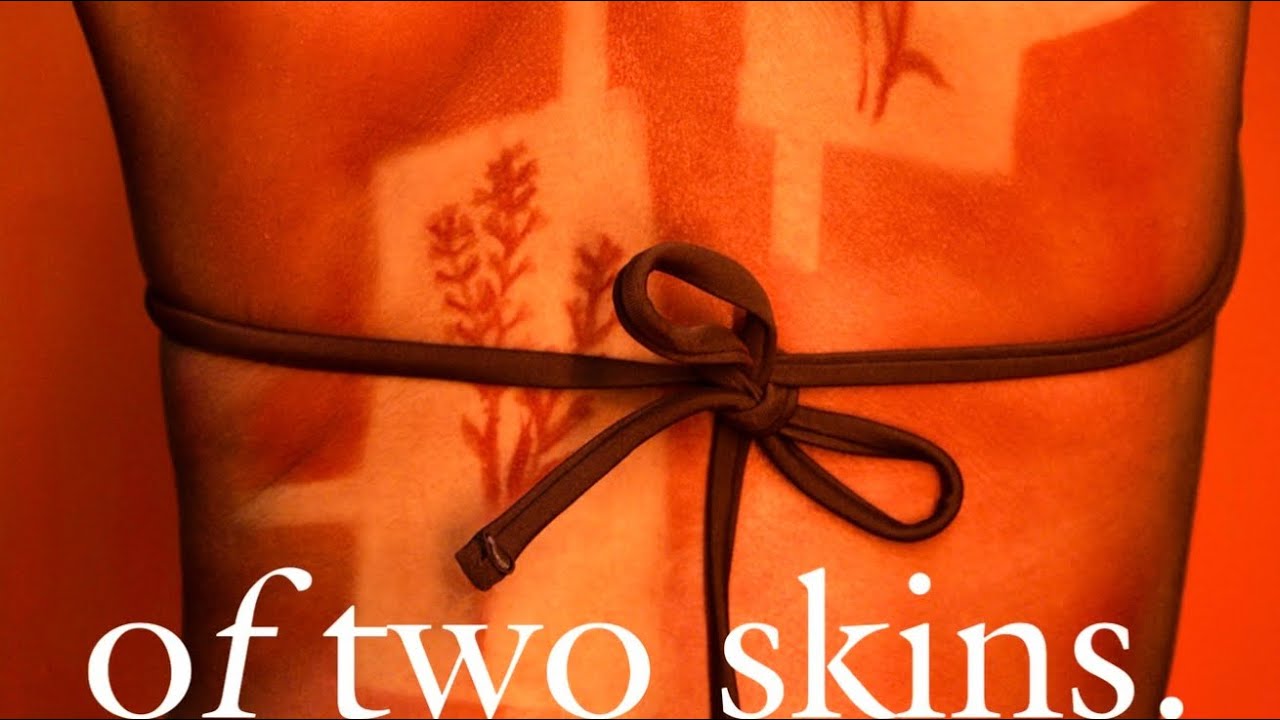
Wang Yuwen

Mitchell Hoo Min Cher
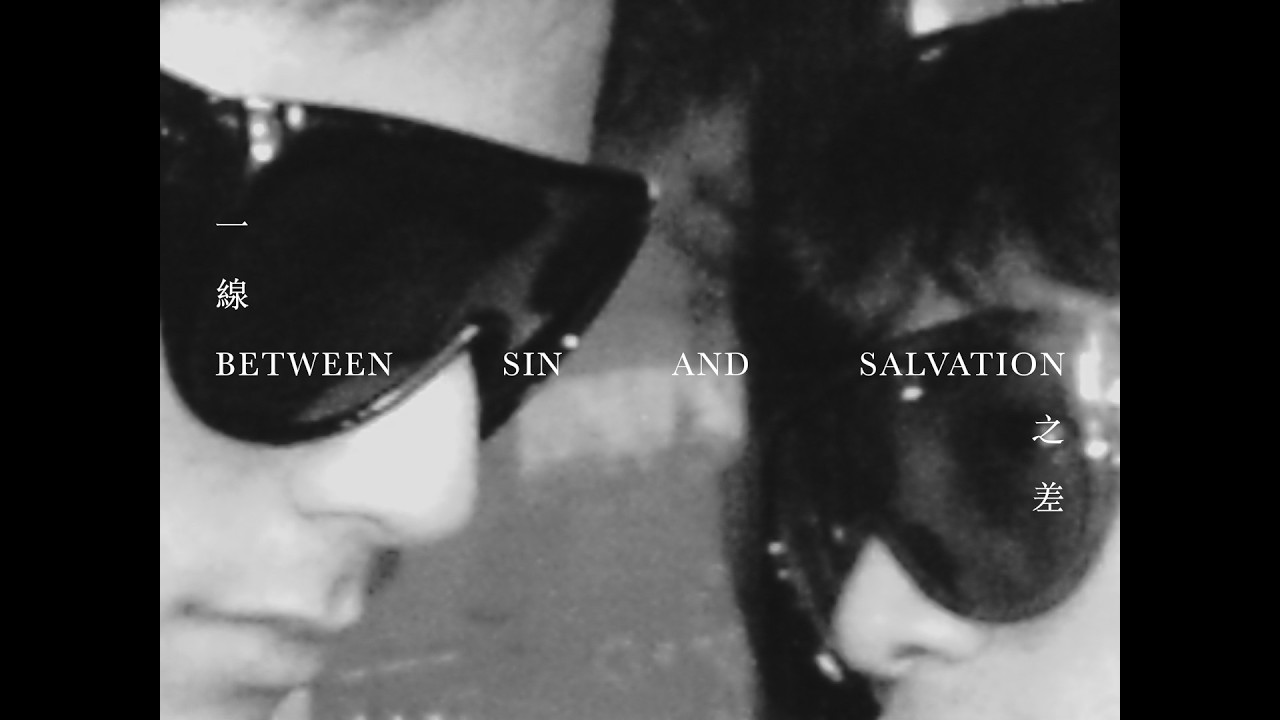
Piyaa Jayesh Kumar