


About
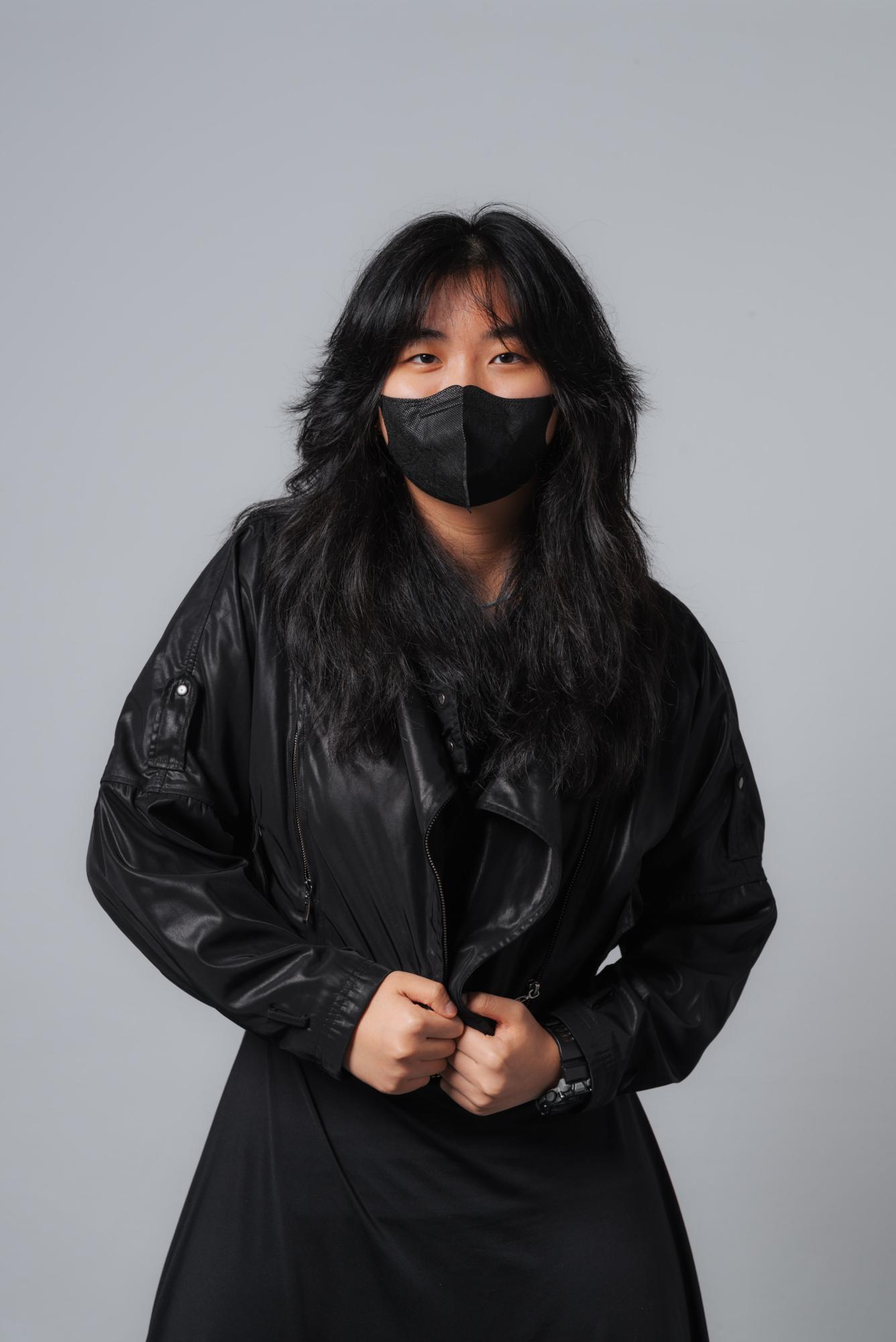
Winona is an artist whose practice explores how systems and structures shape the construction and perception of identity.
Her work examines the processes of classification, regulation and erasure, investigating how the self is mediated through external frameworks and authorised forms of representation. Through the strategies of layering, fragmentation and reconstruction, she recontextualises documents, symbols and traces of lived experience to reflect on identity as fluid and continually negotiated.
Engaging with the tension between personal subjectivity and institutional narratives, Winona’s practice considers the fragility of selfhood and the ways in which power, memory and perception intersect to influence how individuals are defined, recognised and understood.

Valid until 09/10/2025
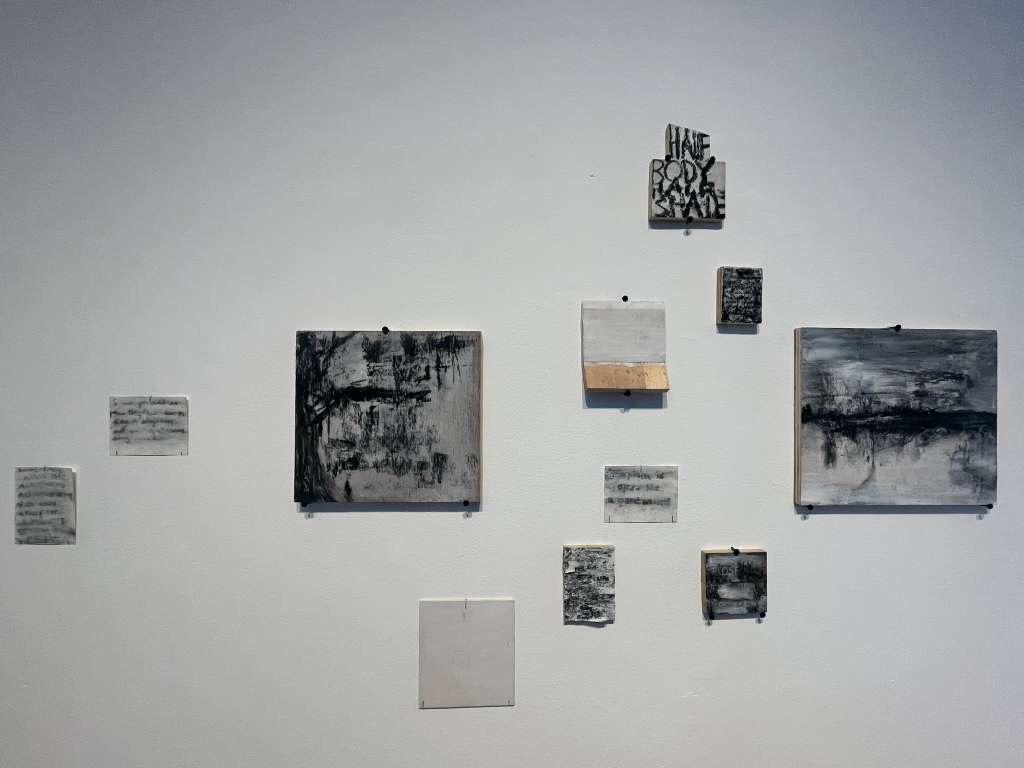
This body of work explores how institutional systems construct, regulate and often erase individual identity by transforming identification documents into material and spatial forms. It highlights administrative classification and systematic control through the processes of overlapping, fragmentation and reconstruction of passports, permits and other bureaucratic records.
This work investigates how the self is often reduced to numbers, stamps and authorised data. It reconsiders the identification document not merely as an official record, but as a perceptual fragment of identity and lived experience. As a result, the work reveals how identity is constantly shaped, negotiated and to some extent erased.
Thus, the project offers an experiential engagement with the fragility of selfhood within governmental structures and power. These structures intersect with identity to shape how we are seen, and to some extent, who we are permitted to become.


Research methodology and theoretical framework
Craig Robertson's The Passport in America: The History of a Document (2010) serves as a contextual reference for Winona's artistic practice. The book examines the evolution of the passport from a simple safe conduct document to a reliable form of identity and citizenship verification. It explores how passports became central to enforcing immigration restrictions, establishing national security measures and creating state-approved identities.
Robertson introduces the concept of "collapsing identity into identification", where a person’s identity becomes aligned with their official representation. Therefore, identity shifts from something that is self-established using an individual’s word and affirmation by their community to one that is verified by the state using governmental standardised systems and processes. While this removes individual bias in identification, it also raises existential concerns, particularly among people who feel that the government exerts control over their identity.
Merleau-Ponty’s Perception of Phenomenology and José Esteban Muñoz’s Disidentification are used as theoretical frameworks to ground Winona's investigation. Memory is approached not as a static record but as an active, perceptual process through which the self engages with the world. It situates memory as a perceptual and relational archive, materialised through the bodily engagement and sensory experience, allowing both the creator and the audience to encounter memory as a dynamic, lived phenomenon.
The frameworks guide the research by linking memory, identity and belonging, highlighting how subjective and embodied encounters with the world contribute to the formation of selfhood and a sense of belonging.

John Leong
Serene Lee

Tanika Gupta

Sim Li Yan Emily
Yuni Sara Binte Hussaini
Khin Sit Thway