


Yong Zi Hui Ployphailin


About
Ployphailin is a Singaporean–Thai artist whose practice explores the intersections of Thai culture, religion and contemporary pop aesthetics. Drawing from her Thai heritage and lived experience between cultures, she reimagines traditional spiritual symbols, mythologies and ritual objects through playful yet deliberate forms, working primarily in sculpture and mixed media.
Ployphailin's works transform familiar sacred iconography—such as spirit houses, talismans and mythological figures—into vibrant, tactile compositions that blur the boundaries between devotion and display. By merging humour with reverence and kitsch with ritual, she reframes the sacred within the everyday. Through this negotiation, Yong questions how faith, consumerism, nationalism and identity coexist and reshape one another within contemporary society.

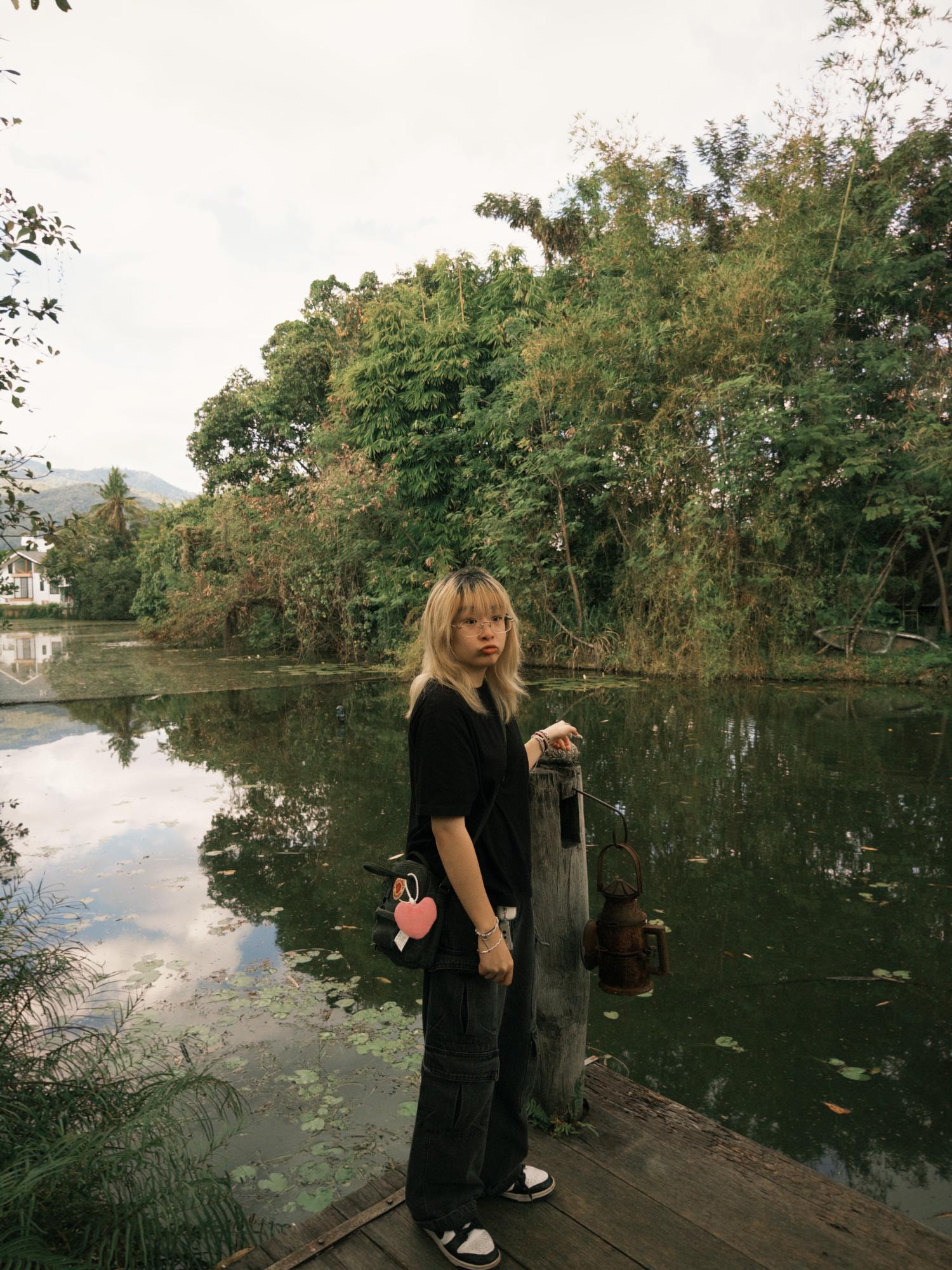
Photo by: Wong Jing Wei
ก้าชีวิตใต้ร่มอำนาจ (Nine Lives under Power)
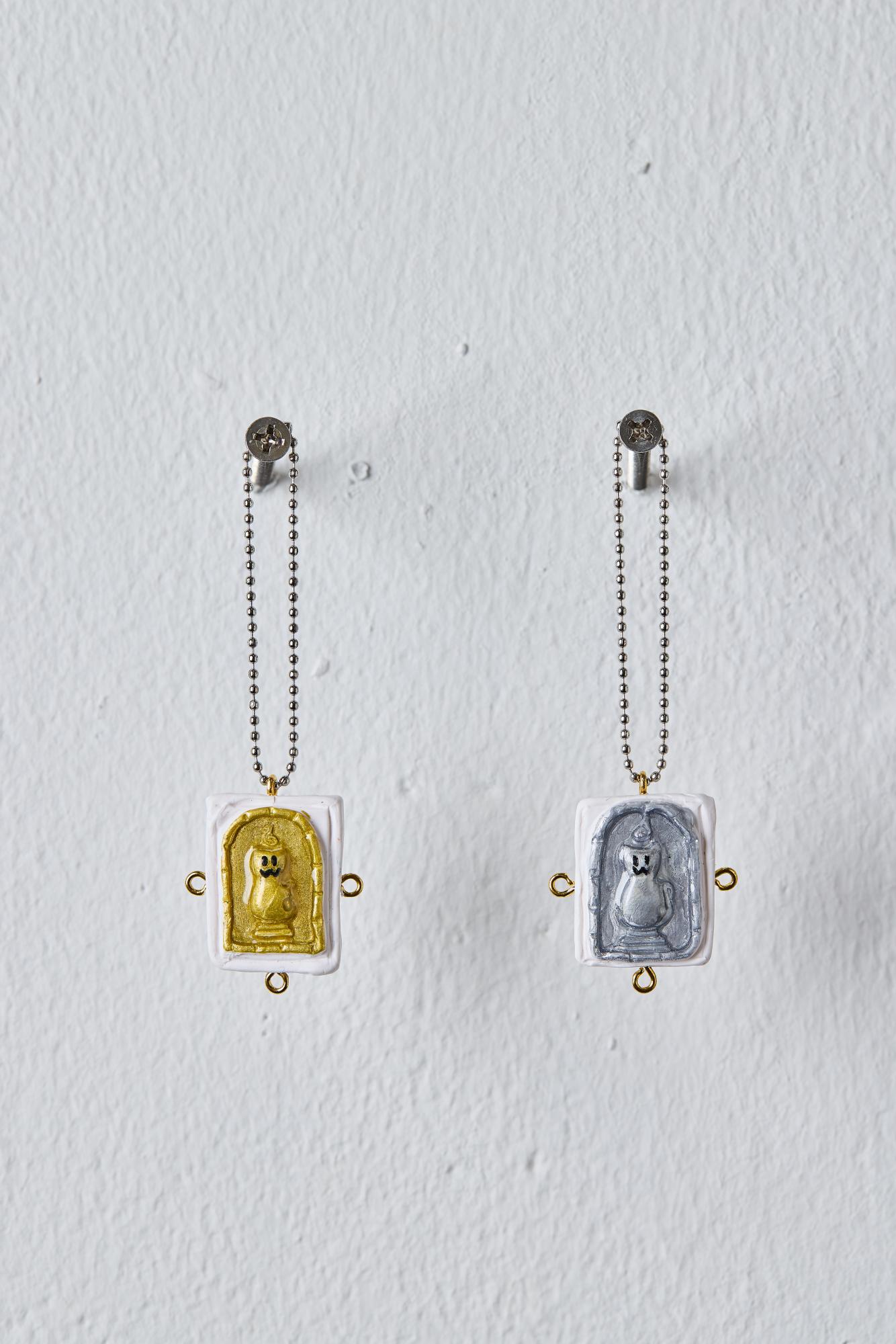
เก้าชีวิตใต้ร่มอำนาจ (Nine Lives under Power) transforms the traditional amulet into a wearable vest, shifting protection from a small, personal object into something that surrounds and engages the body. In Thailand, amulets are commonly carried as sources of comfort, belief and protection. This work reimagines their form and scale, exploring how these meanings change when they move from something intimate to something visible and embodied.
By enlarging the amulet into clothing, protection becomes something that is not only held close, but also worn and seen. The vest suggests both care and weight, functioning as a second skin that can comfort while also shaping how the body is experienced. Its form sits between armour and garment, creating a tension between softness and restriction.
Cats replace conventional sacred figures. Often seen as gentle and familiar companions, they appear as quiet presences within the work. Their repetition and varied colours introduce a sense of playfulness, gently shifting the tone away from traditional visual expectations. This contrast allows the work to remain open, balancing lightness with more reflective undertones.
Through material and form, this piece explores how objects carry meaning through touch, memory and personal belief. The vest does not simply act as protection, but invites reflection on how we relate to the things we wear, carry and trust.
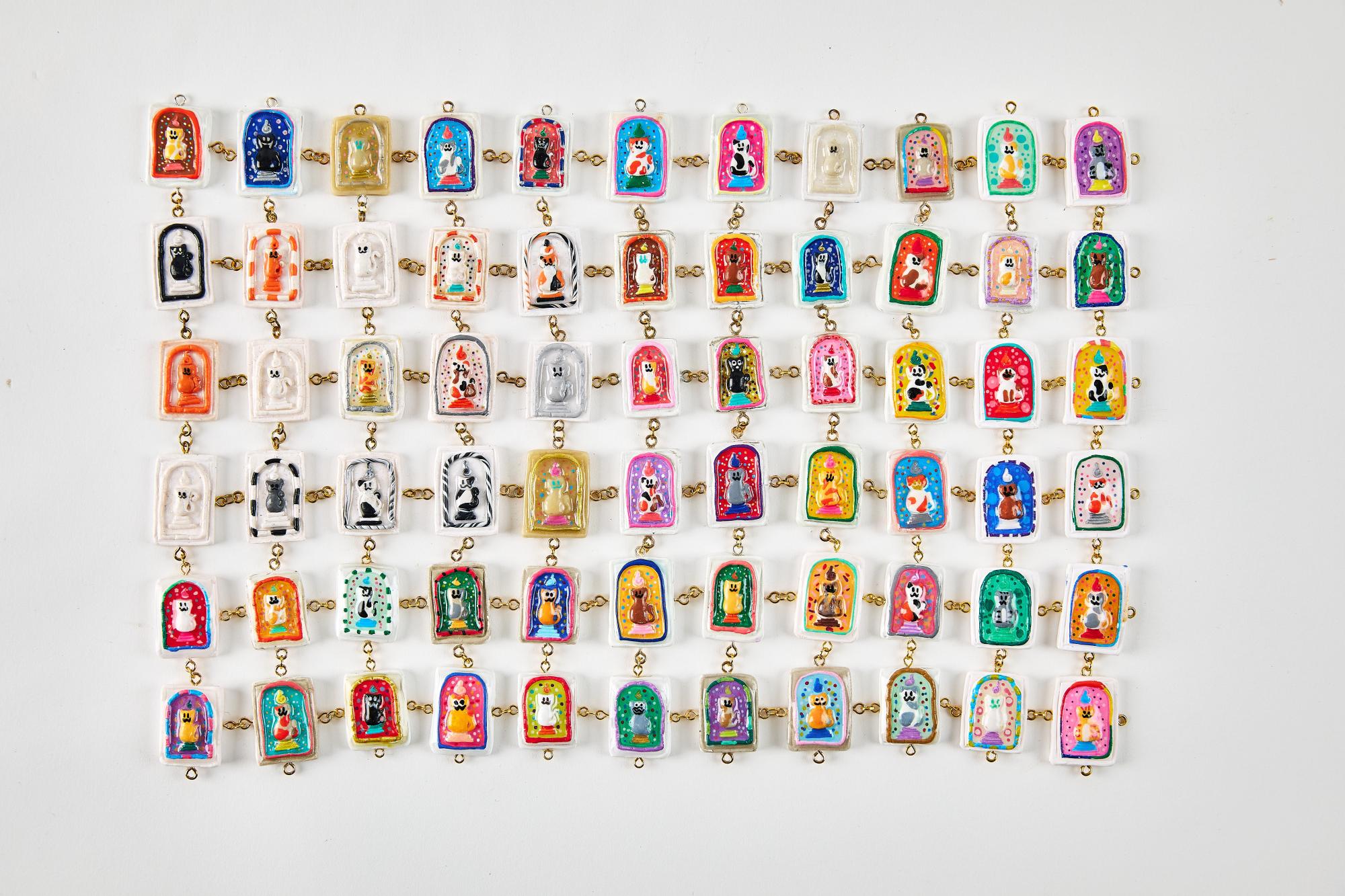
Photo by: Wong Jing Wei


Research methodology and theoretical framework
Ployphailin’s research explores the idea of 'silent protest', using subtle and indirect visual elements to communicate meaning. Her practice focuses on how ambiguity, symbolism and material choices can express ideas in quieter, less confrontational ways.
Nursyafaasyurah Binte Mohamad Zamari
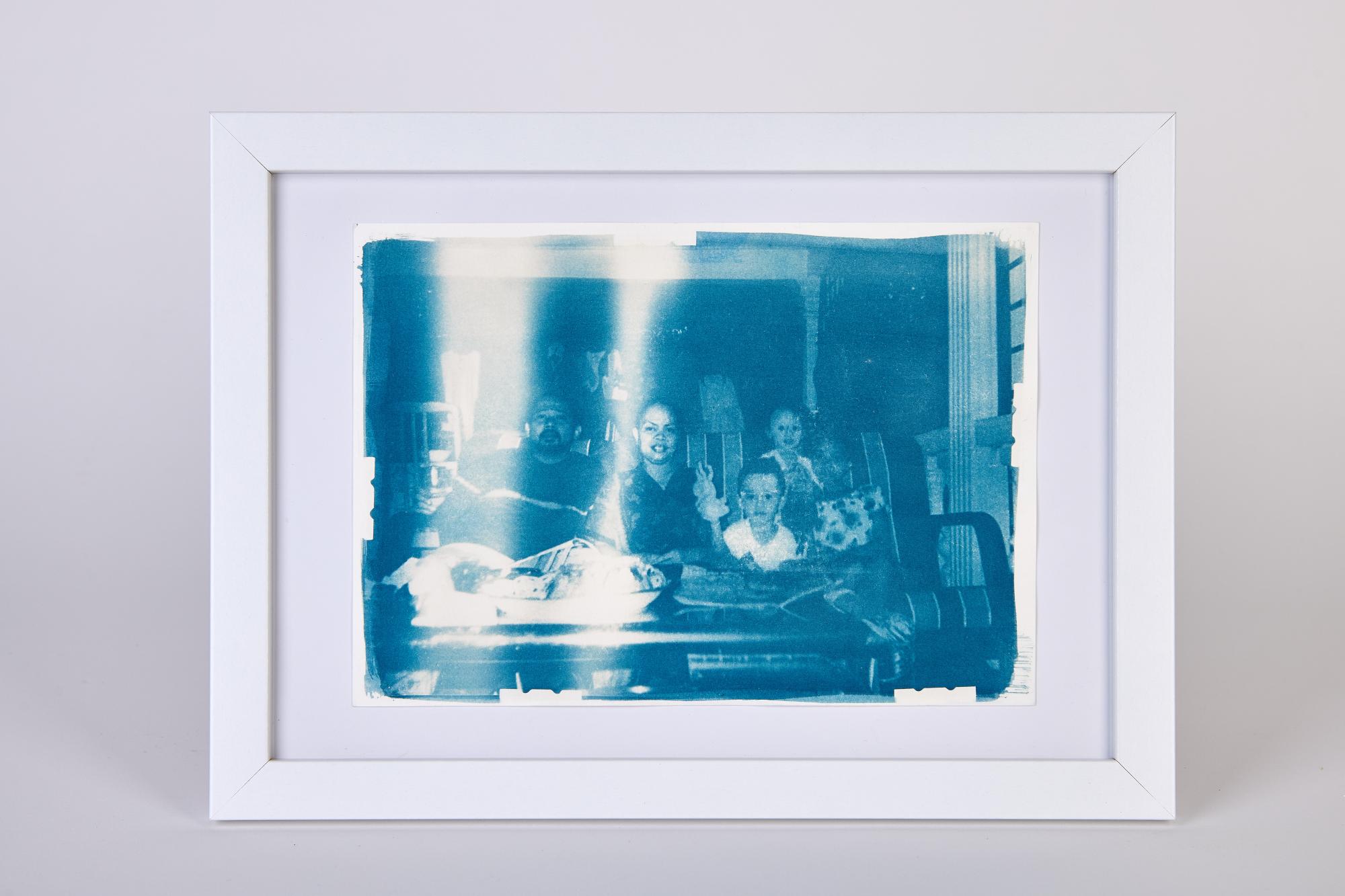
Sara Zahidi

P Iniya
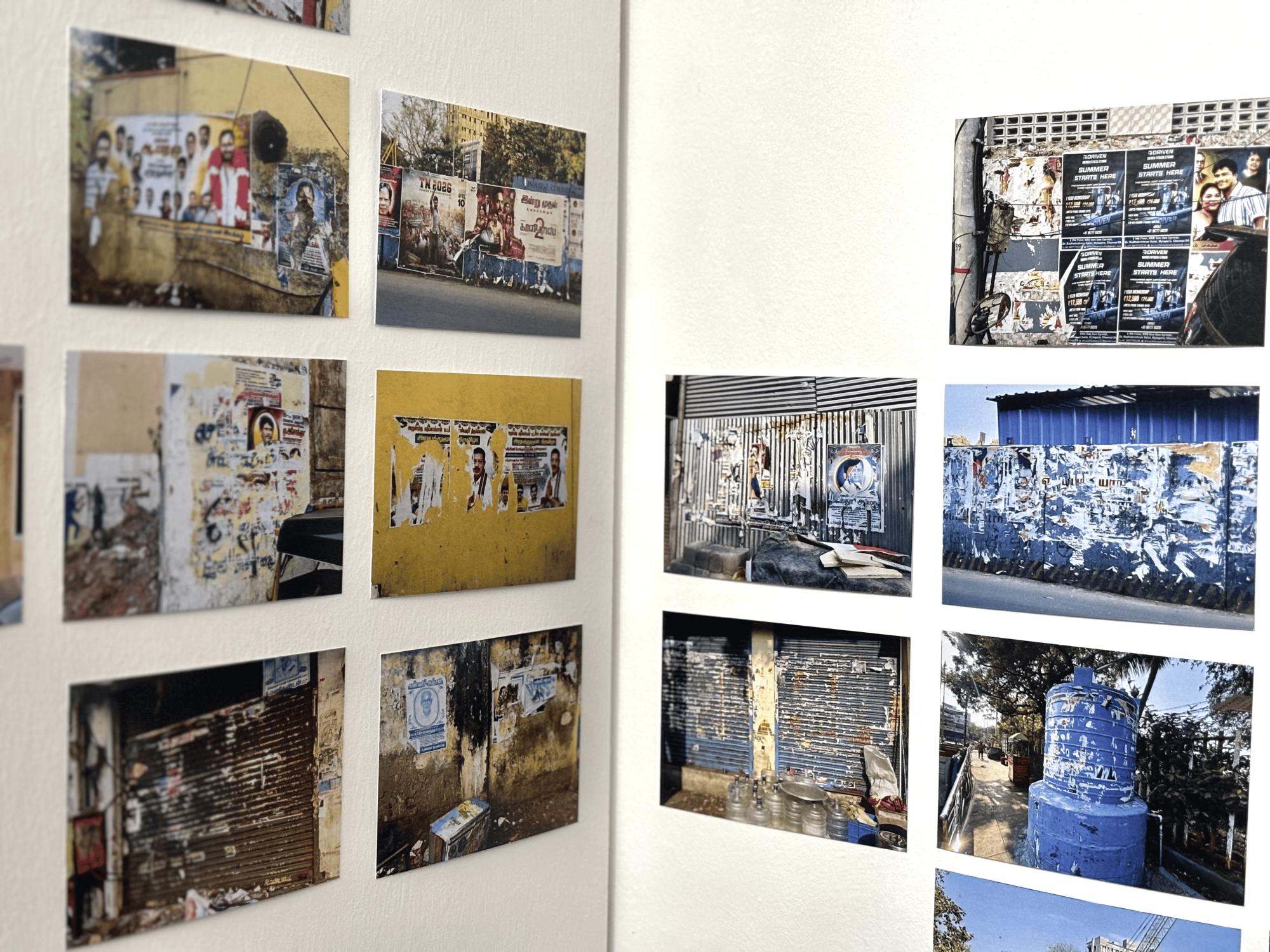
John Leong
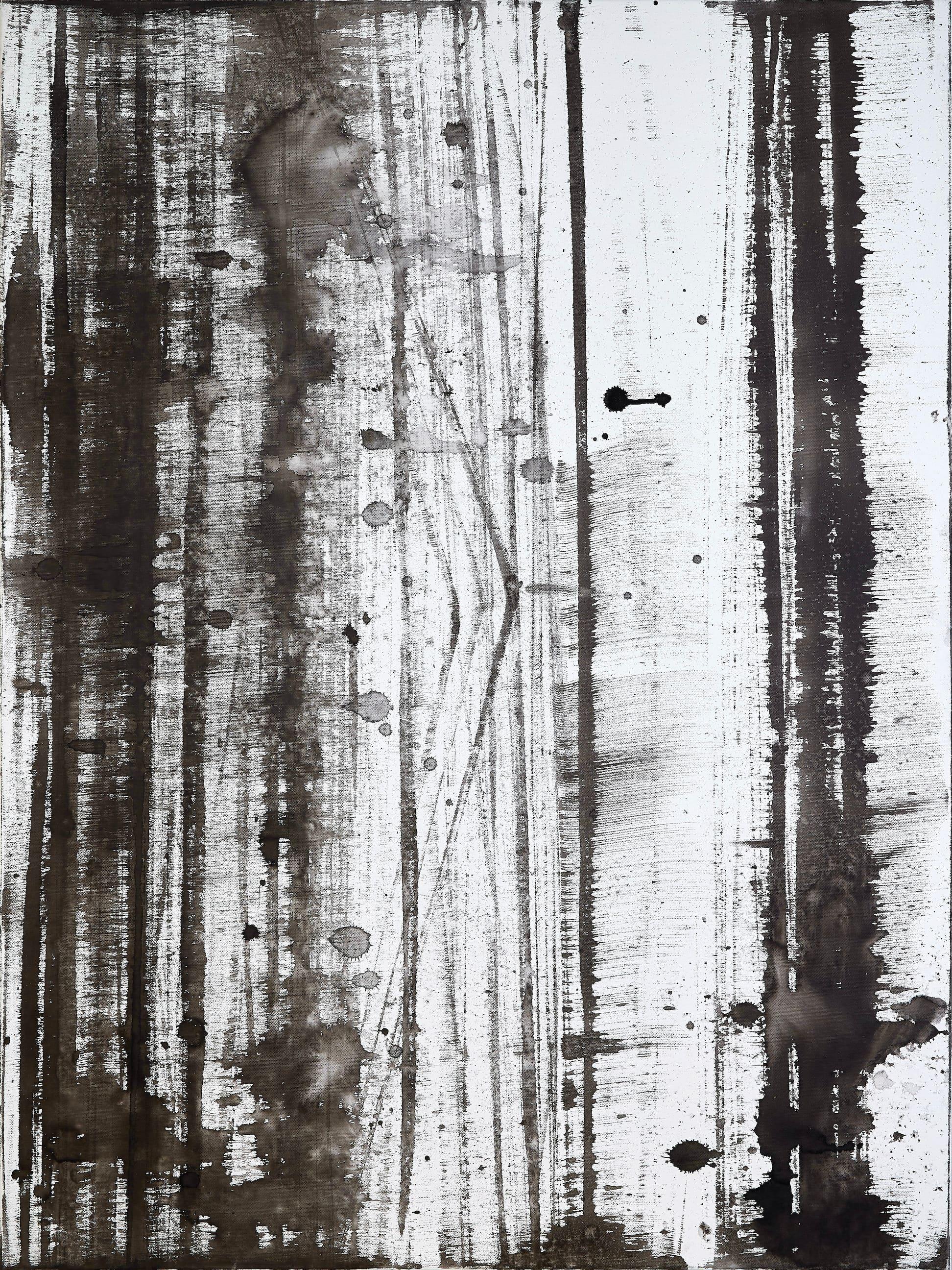
Wong Huilin Pauline
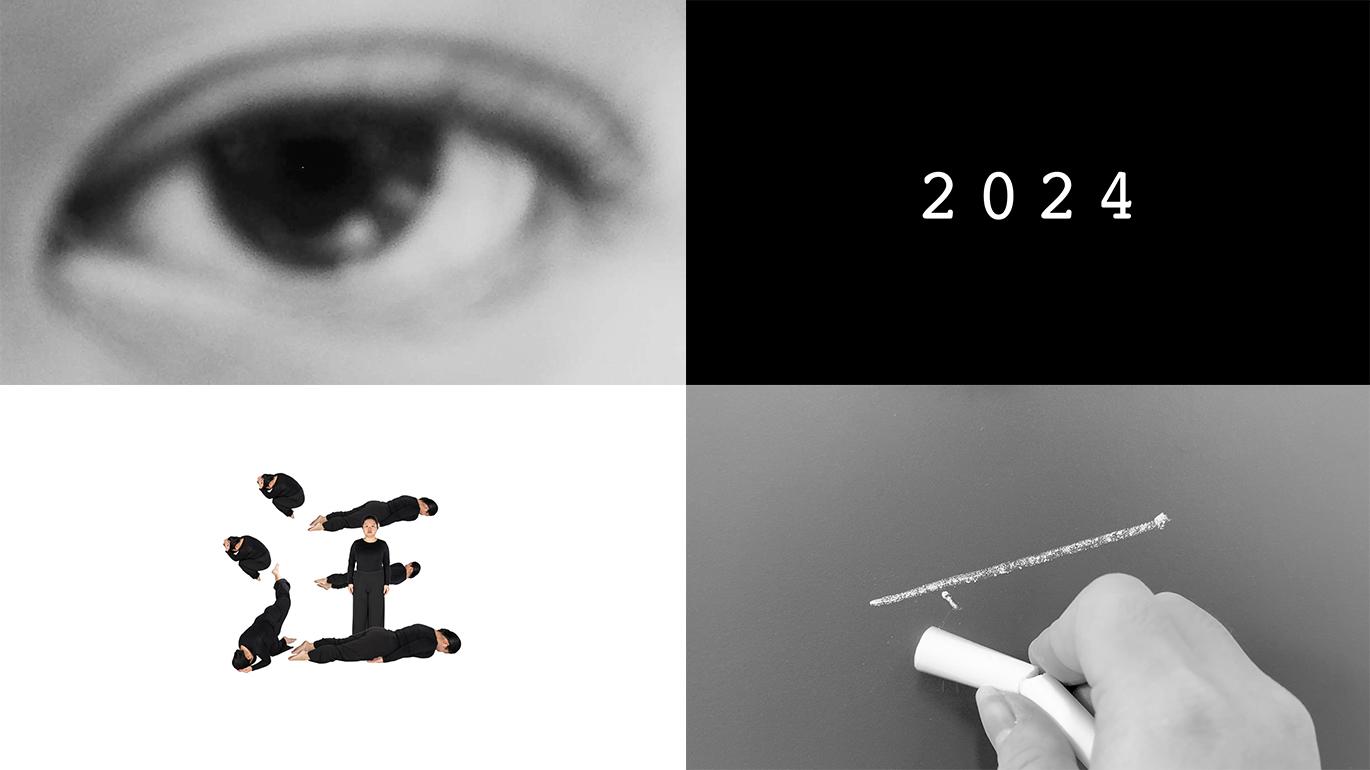
J.L. ‘Desert Rose’
