


About
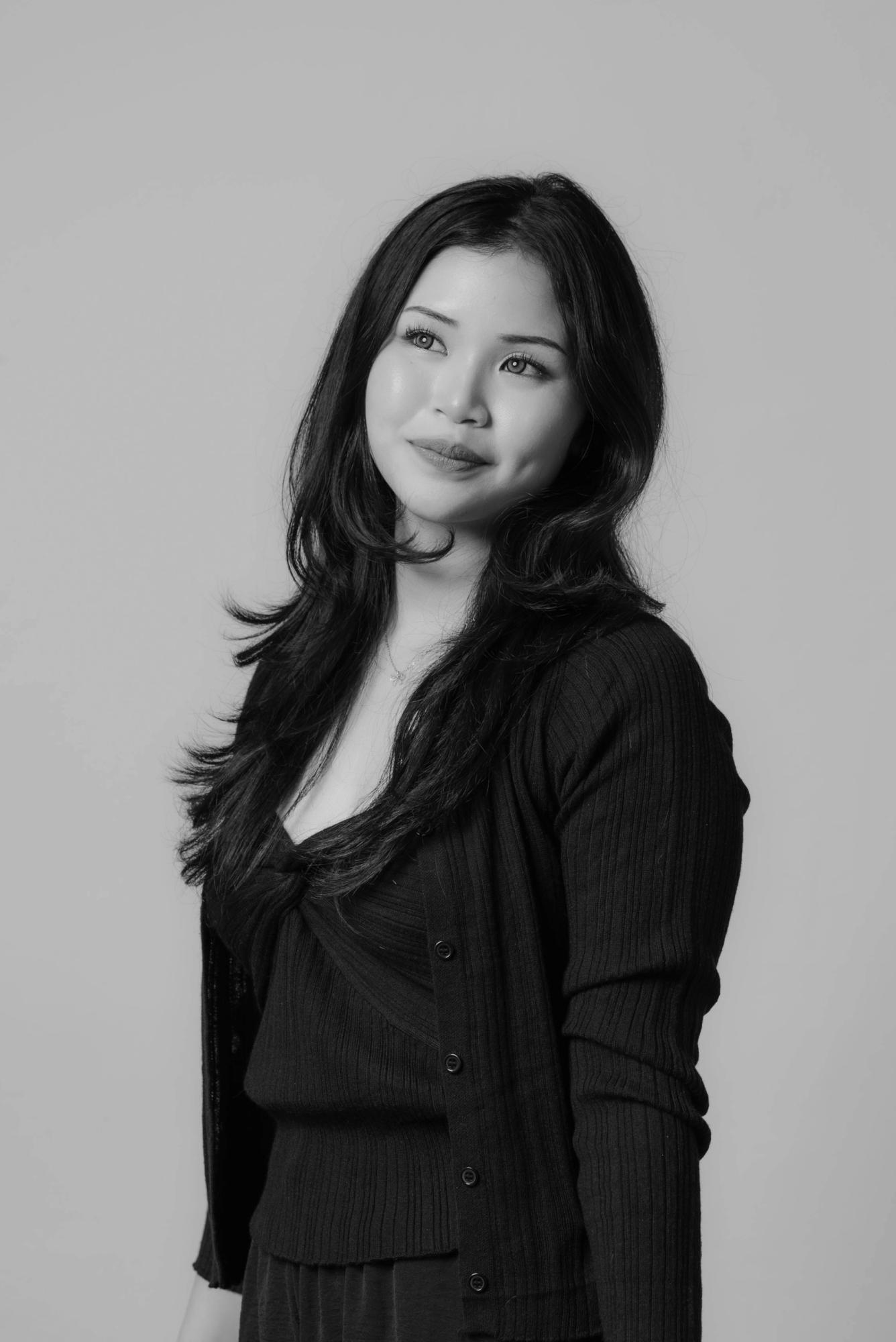
Aleisha is an artist whose practice began with pencil drawing and has since developed into a multidisciplinary approach across image, object and material. With a background in design, she is interested in the relationship between structure and expression, often working across different mediums to explore how form, surface and material choice shape meaning. Her practice is guided by a careful attention to visual subtlety and the emotional qualities that can emerge through fragmentation, layering and restraint.
Aleisha's work is informed by an interest in memory, domestic spaces and the quiet resonance of everyday materials. She is drawn to the ways ordinary objects and familiar textures can hold personal significance over time, as well as how visual traces can suggest presence, absence and the passage of time. Rather than treating materials as neutral, her practice considers how they can carry feeling, recall and shifting associations.
Aleisha’s approach reflects an ongoing interest in how material transformation can open up new ways of seeing and interpreting image and object. Through subtle shifts in form, texture and composition, her work invites reflection on what is remembered, overlooked or partially withheld. Her practice remains rooted in a balance between design sensitivity and artistic experimentation, allowing her to develop a visual language that is both controlled and open-ended.
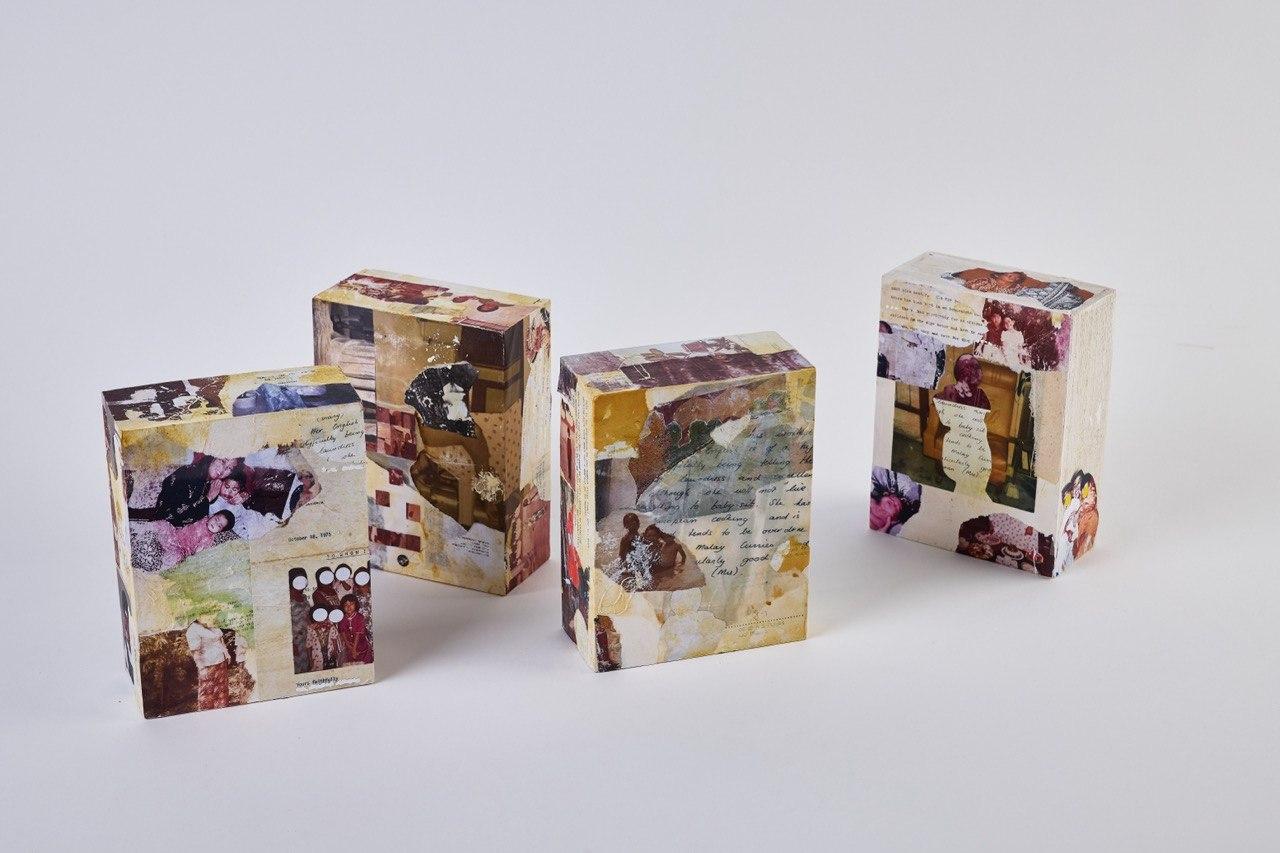
Photo: Wong Jing Wei
Held, But Not Held
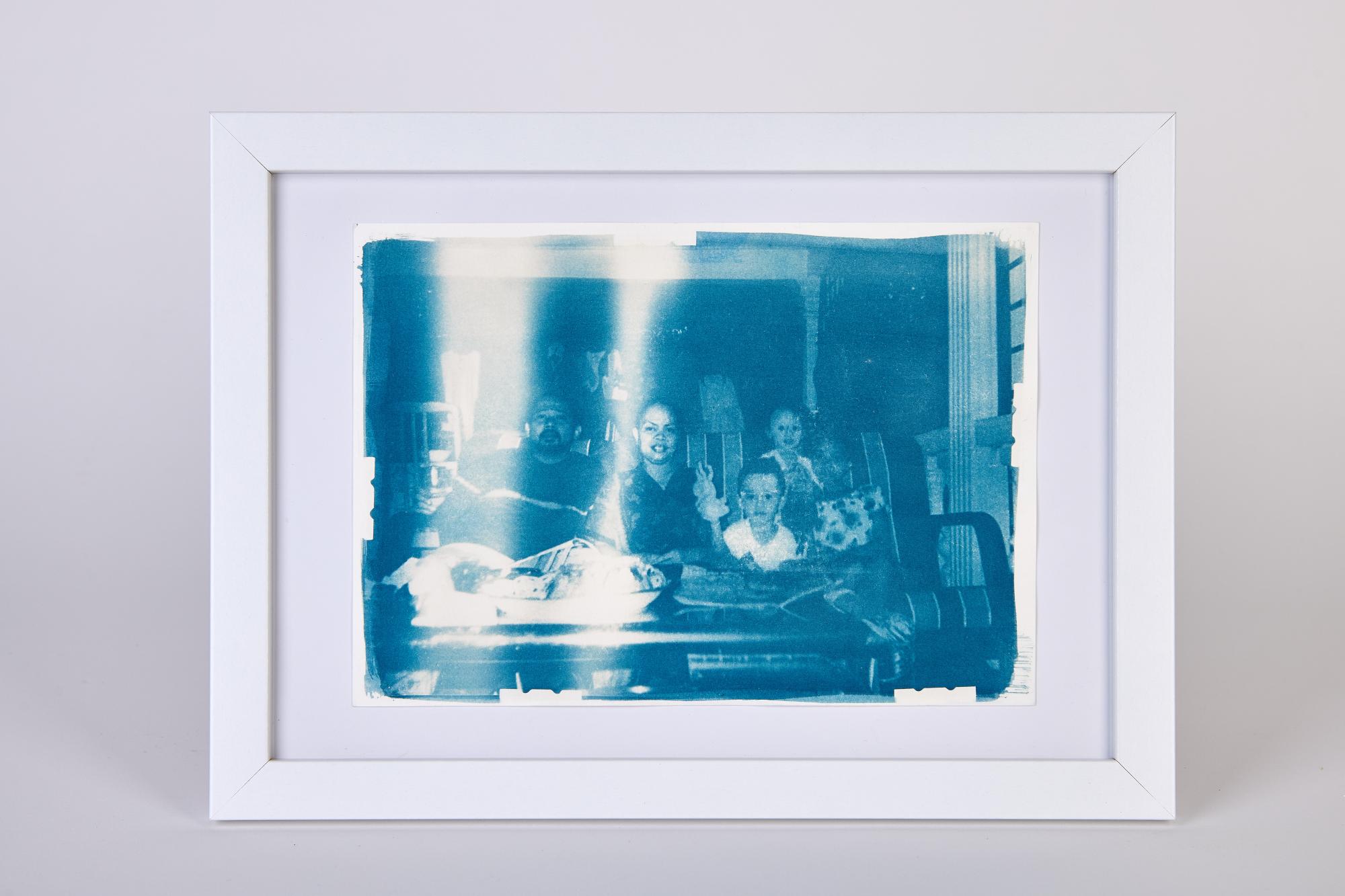
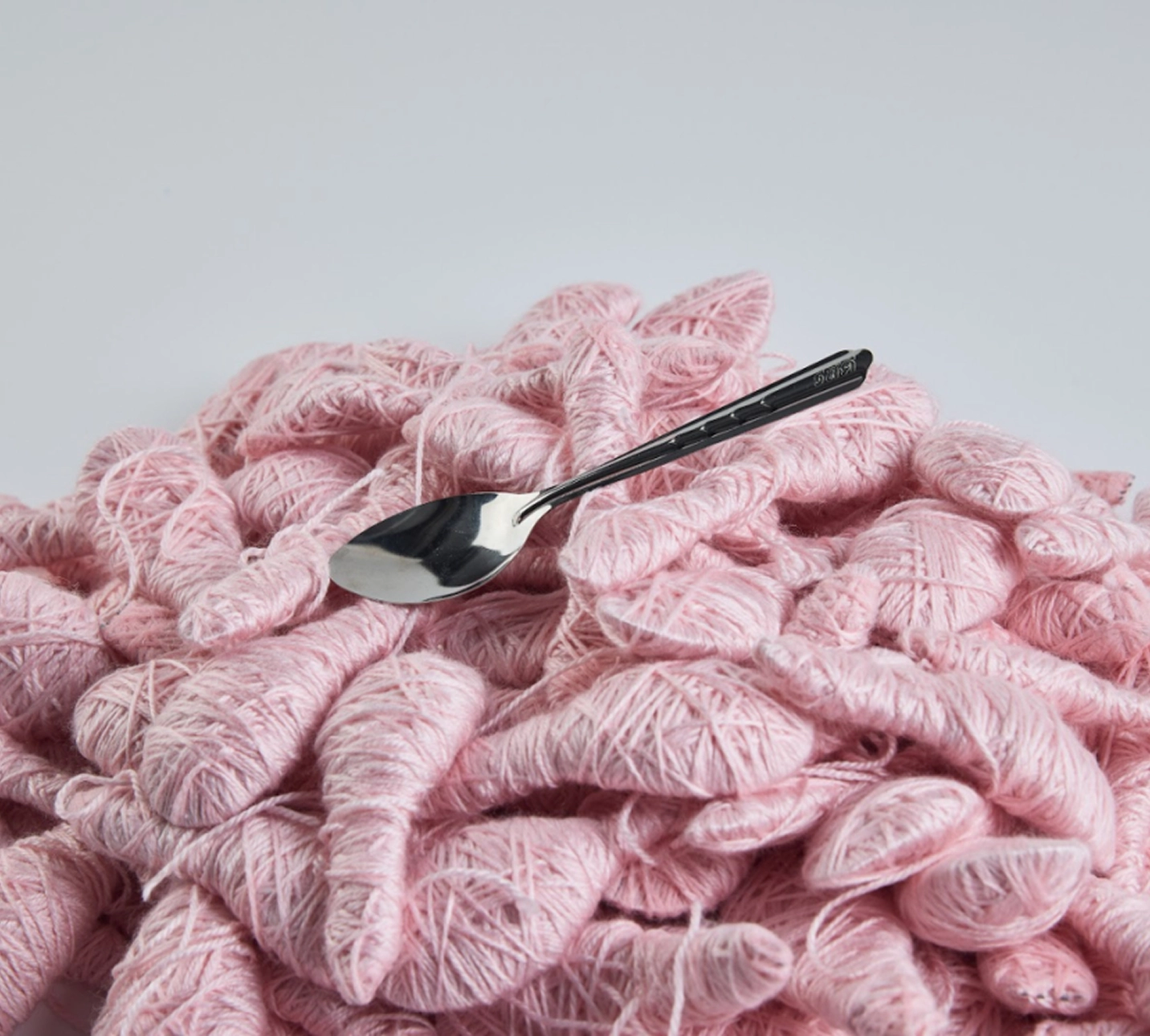
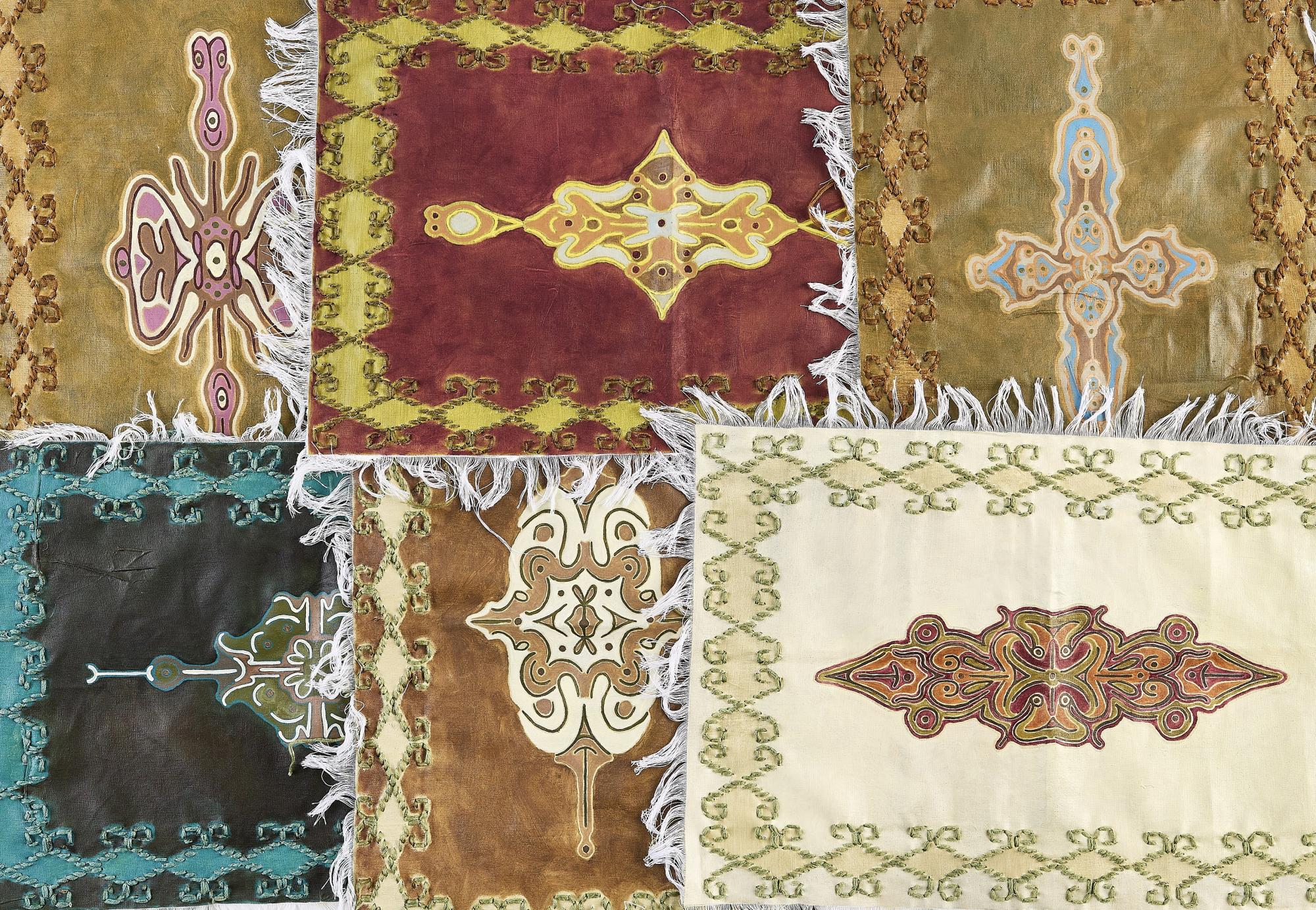
Held, But Not Held examines presence and absence through inherited objects, including textiles, photographs and personal documents. It considers how memory is embedded in material, and how that material can both preserve and erode meaning across generations.
Through acts of reduction and deconstruction, decorative and documentary elements are stripped back, shifting attention toward fragility and material residue. Language, image and ornament are destabilised, allowing embodied histories to surface in quieter, more abstract forms.
Accompanying sculptural box structures reference keepsakes and containment. As vessels that hold both accumulation and emptiness, they suggest memory as something continually altered, never fully intact, yet never entirely lost.
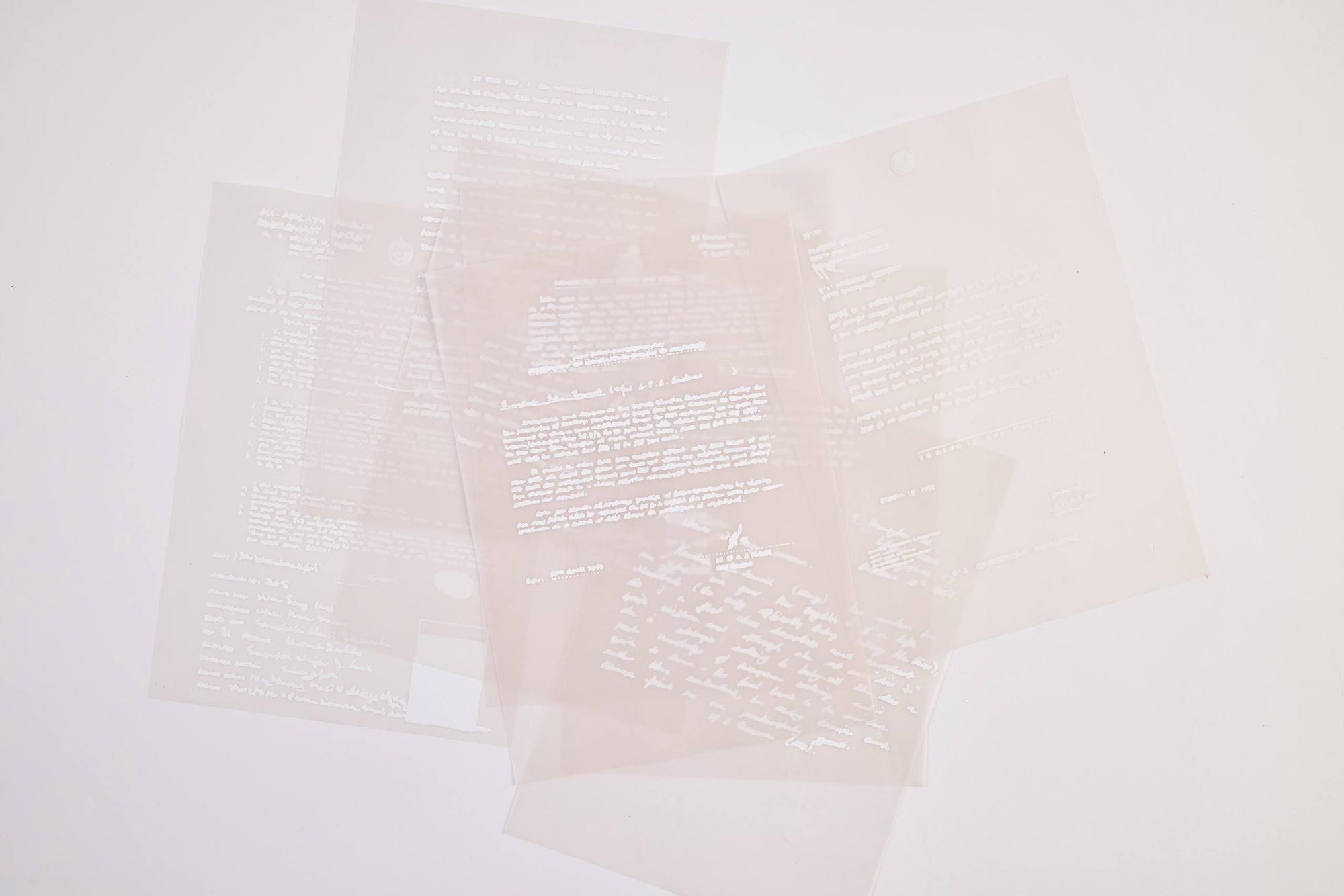
Photo: Wong Jing Wei

Research methodology and theoretical framework
Held, But Not Held (2026) structures its research around a triadic theoretical framework—experience, preservation and reinterpretation—where post-memory constitutes the core methodology for examining inherited absence.
Experience draws from Merleau-Ponty's phenomenology, activating embodied encounter through tactile friction with obscured surfaces.
Preservation engages Nora's lieux de mémoire alongside material culture theory, analysing how creases, patina and fossilised folds endure beyond living memory as sites of generational continuity.
Reinterpretation applies Hirsch's post-memory and Kuhn's narrative inheritance to reframe private familial relics—textiles, photographs and documents from an unmet grandmother—as public questions of transmission, elegantly demonstrating memory's operation as dynamic material process rather than static archival record.
Serene Lee

Neo Weiqi

Qalisha Muhammad Fariq
Zhong Rui

John Leong
Nursyafaasyurah Binte Mohamad Zamari