


About
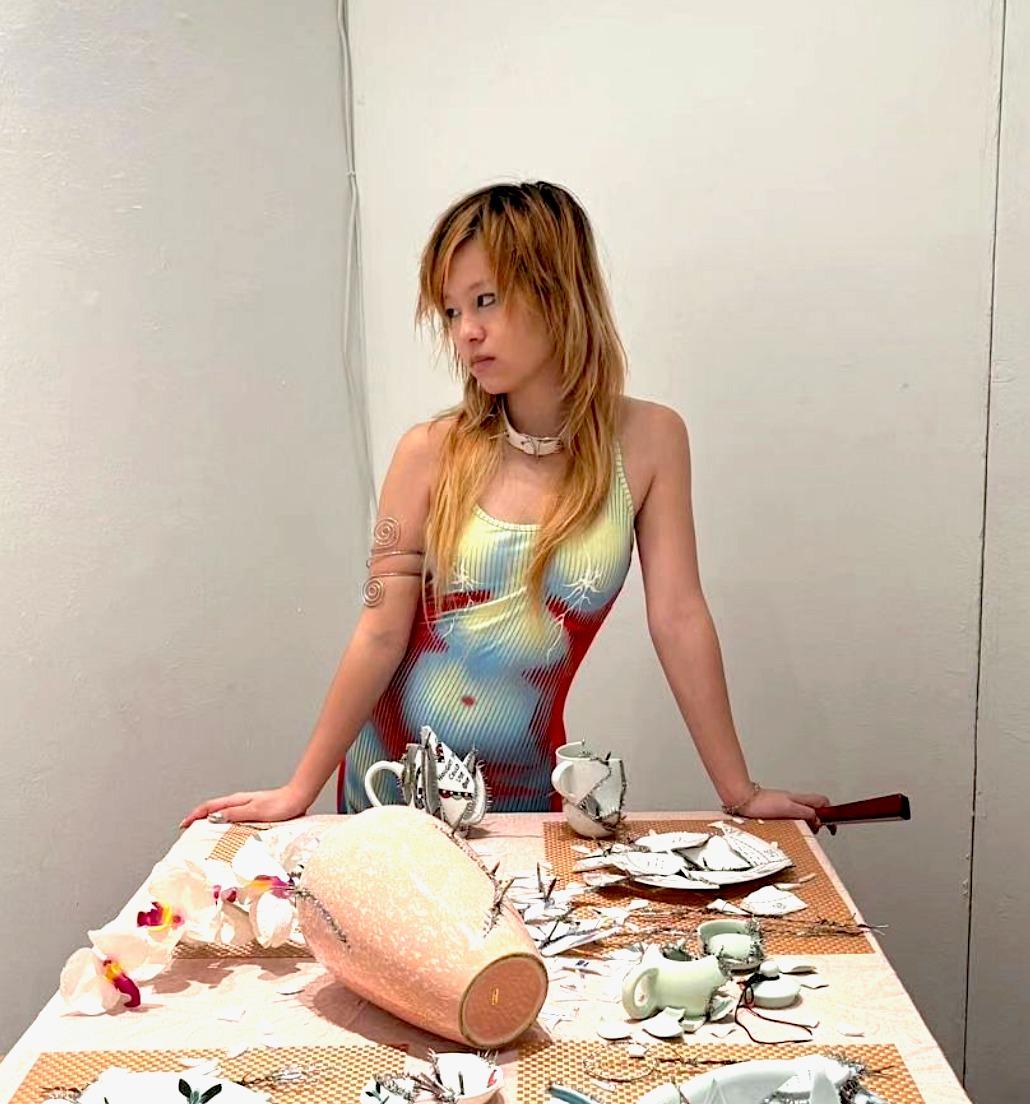
Kerru is a multidisciplinary artist whose work questions established constructs, sparks discourse and represents marginalised perspectives. As an individual who is deaf, queer and Asian, she interrogates the taboos of a conservative Singaporean society via an aesthetics of maximalist subversion. This highlights socio-political issues traditionally glossed over by the privileged majority, seeking to spark discourse in pursuit of a more equitable future.
Currently, Kerru's art practice centres on feminism and is expressed through socially engaged projects such as Blood & Ink which embraces the subversive power of the feminine abject. The project addresses women’s reproductive issues, gathering participants to nurture a collective feminist consciousness through laughter, poetry and action.
The bodily abject takes centre stage in Kerru’s work. Rebelling against the repression of the feminine abject, work such as the Open Wound series brings the body back into signification in order to resist the patriarchal hegemony, turning sites of silence into spaces of discourse.
Above all, Kerru’s practice revolves around text and language, investigating them as tools of both subjugation and resistance, and exposing how discourse affects the lived experiences of women worldwide through intertextuality.
Kerru graduated from Raffles Institution in 2022. Her work has been exhibited across Singapore, Southeast Asia and Scotland, including the Southeast Asian Queer Cultural Festival and the Paisley Big Art Show. She was a recipient of the Ngee Ann Kongsi Scholarship and has collaborated with charity groups such as Project Lila to merge art with social action.

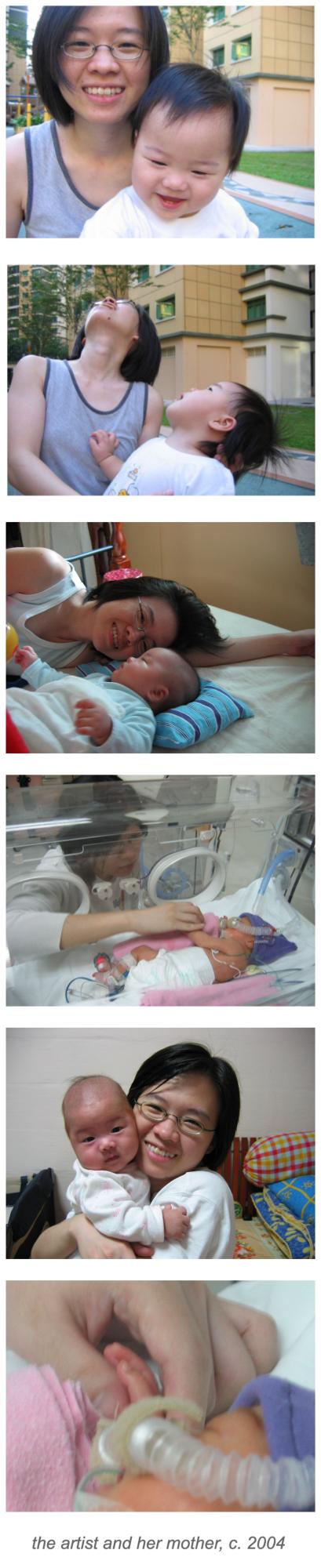
Twin cinema poem 'mom says: no, i didn't see god'. This poem was synthesised from an interview with Kerru's mother about the traumatic birth of her eldest daughter (Kerru), during which she almost died. The two separate columns of poetry may be read separately and across as a single poem.
Skin Deep
While the hegemonic male body has been historically prized as the norm in language, culture and politics, philosopher Luce Irigaray proposes situating the female body as the starting point: “what happens to the notion of identity if we treat the embodied female as the norm for models of the self?”
Skin Deep explores this question, as it revolves around the maternal female form, a body which has been historically repudiated, policed and oppressed. By conflating the diametrically opposed realms of the textual and the bodily with personal and political statements, Skin Deep maps and explores the nude female body as a site of inscription and resistance. The work foregrounds skin as a historically contested medium—one that archives memory, tenderness, politics, capitalism and more.
Rebelling against the repression of the abject, Skin Deep brings the body back into signification in order to reclaim and re-represent the powerful and subversive feminine abject. By utilising close range photography of skin (wrinkles, pores, hairs and scars) and pairing it with twin cinema poetry, the work seeks to undermine language using language itself, allowing the semiotic chora to erupt into the linear patriarchal symbolic order, disrupting and fissuring it for feminist expression.
According to Adrienne Rich, the "cathexis between mother and daughter—essential, distorted, misused—is the great unwritten story”. Indeed, within our conservative society, mother-daughter relationships are fraught with tension and sweetness alike, and yet, go largely underrepresented.
Using an autoethnographic approach, the personal aspect of Skin Deep traces this tenuous connection. It explores how the mother-daughter bond has been mediated through the pervasive presence of patriarchal structures. In doing so, the work pushes towards a collective understanding and empathy, for “the liberation of women cannot be won as a liberation from other women, but only as a reaching toward every one of us”.

Twin cinema poem 'you have (1) new message from: mom'.


Research methodology and theoretical framework
Using swathes of poetic text, Skin Deep explores the female body as a living manuscript, upon which axes of power have historically intersected with language and gender. Rooted in Kristeva’s theory of the abject, the series embraces the female body’s refusal to be contained, its capacity to unsettle boundaries of selfhood and language.
In this work, language is used in an autoethnographic manner, analysing personal experiences in order to investigate larger socio-cultural phenomena. Skin Deep focuses on the rocky, tender relationship between the artist and her mother, picking apart the lumps and bumps in order to explore the way that politics influences the minds and bodies of Asian Singaporean women.
Leveraging the dual nature of skin, as the organ that simultaneously belongs to the individual and to society, Skin Deep’s process of inscription engages the body as both medium and message, with the artist and her mother as both subject and object. As text is layered over fleshy skin in various stages of aging, replete with hair, pores, moles and blemishes, it investigates the sheer corporeality of text, pushing a direct confrontation with abjection. In doing so, the work parodies and exposes the manner in which the female body has been inscribed upon by hegemonic forces, undermining patriarchal efforts to sanitise and regulate the female body, resisting the polished, airbrushed imagery of commercial femininity that is often perpetuated in mass media.
Central to this critique is the investigation of language as a tool of both subjugation and resistance. The twin cinema poem format, with its multivalent, polyvocal and layered nature, exemplifies Irigaray’s idea of “parler femme”. As rational, linear language has epitomised the masculine concepts of intellectualism and progress, it is inadequate for the expression of female voices. Therefore, feminists should “overthrow syntax by suspending its eternally teleological order” via the use of “divergences” in language, introducing “the heterogeneous rupture of poetic language into a capitalist society”. This allows the semiotic chora to erupt into the symbolic, undermining dominant systems of power and reclaiming the male-dominated poetic format to become a feminist tool.
For millennia, masculinity was associated with rationality, and femininity with nature. This served as one of the key justifications for the domination of women in Western culture. While women have been traditionally excluded from the intellectual sphere, the texts in Skin Deep take inspiration from a rich body of feminist and philosophical theory. It builds upon the teachings of theorists like Spender, Kristeva, Irigaray, Hutcheon and more, while weaving them with deeply personal statements from the artist and her mother. In doing so, the assumed connection between intellectualism and masculinity is undercut, and the ‘cultured’ sophistication of language is disrupted by the ‘primitive’ surface of skin and the subjective nature of the intimate, tender text, provoking reevaluation of one’s beliefs.
Photography has been a historically male dominated art form, with the lens having long subscribed to the viewpoint of a voyeuristic male gaze– where the distinction between the active photographer and passive subject has led to a stark power imbalance and blatant sexism in photographic depictions of women. As the artist appropriates the medium to address these biases, it is reclaimed in the feminist name, and space is carved out for feminist activism within the canon of photographic history.
John Leong
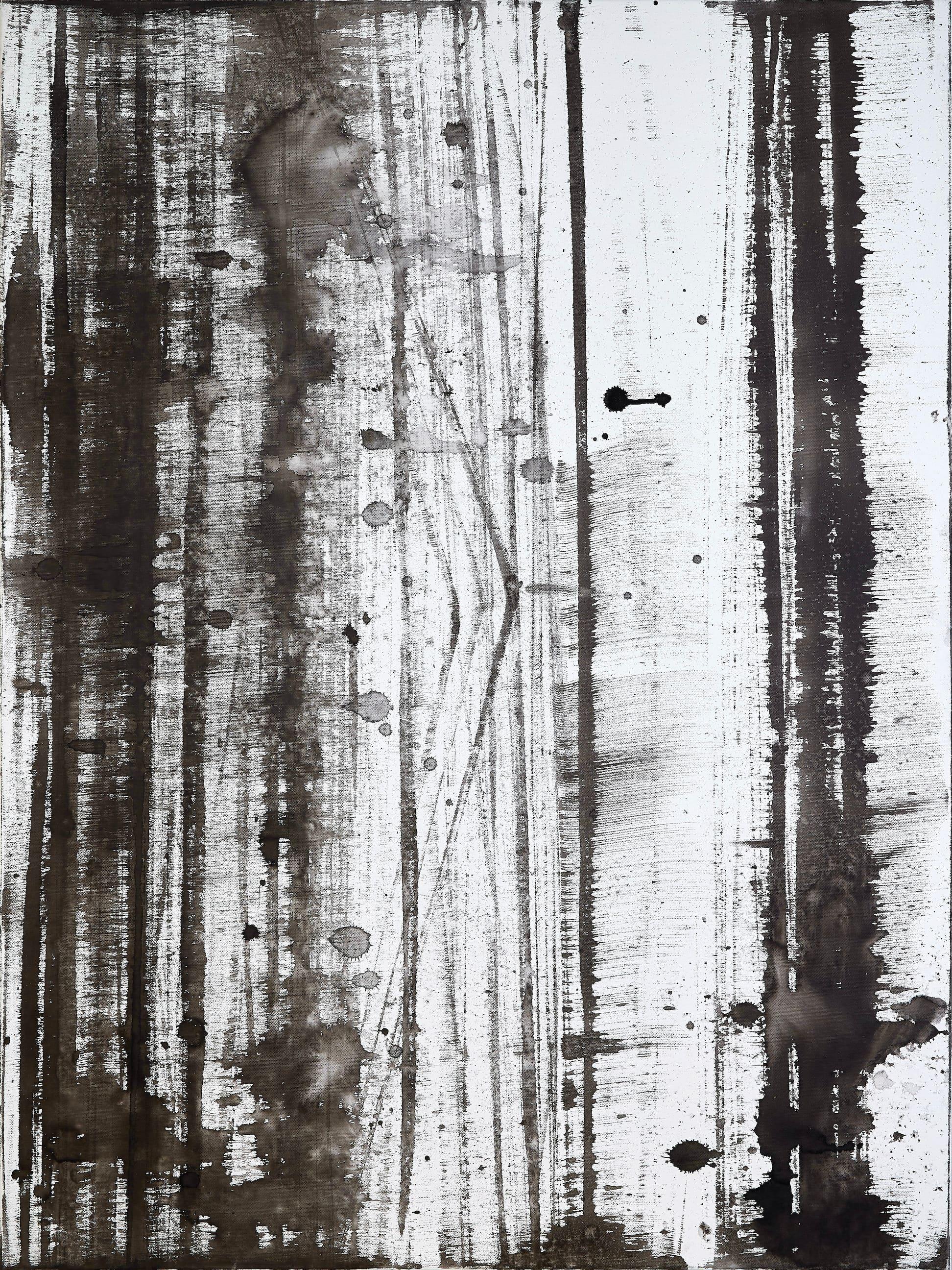
Nur Ashserina
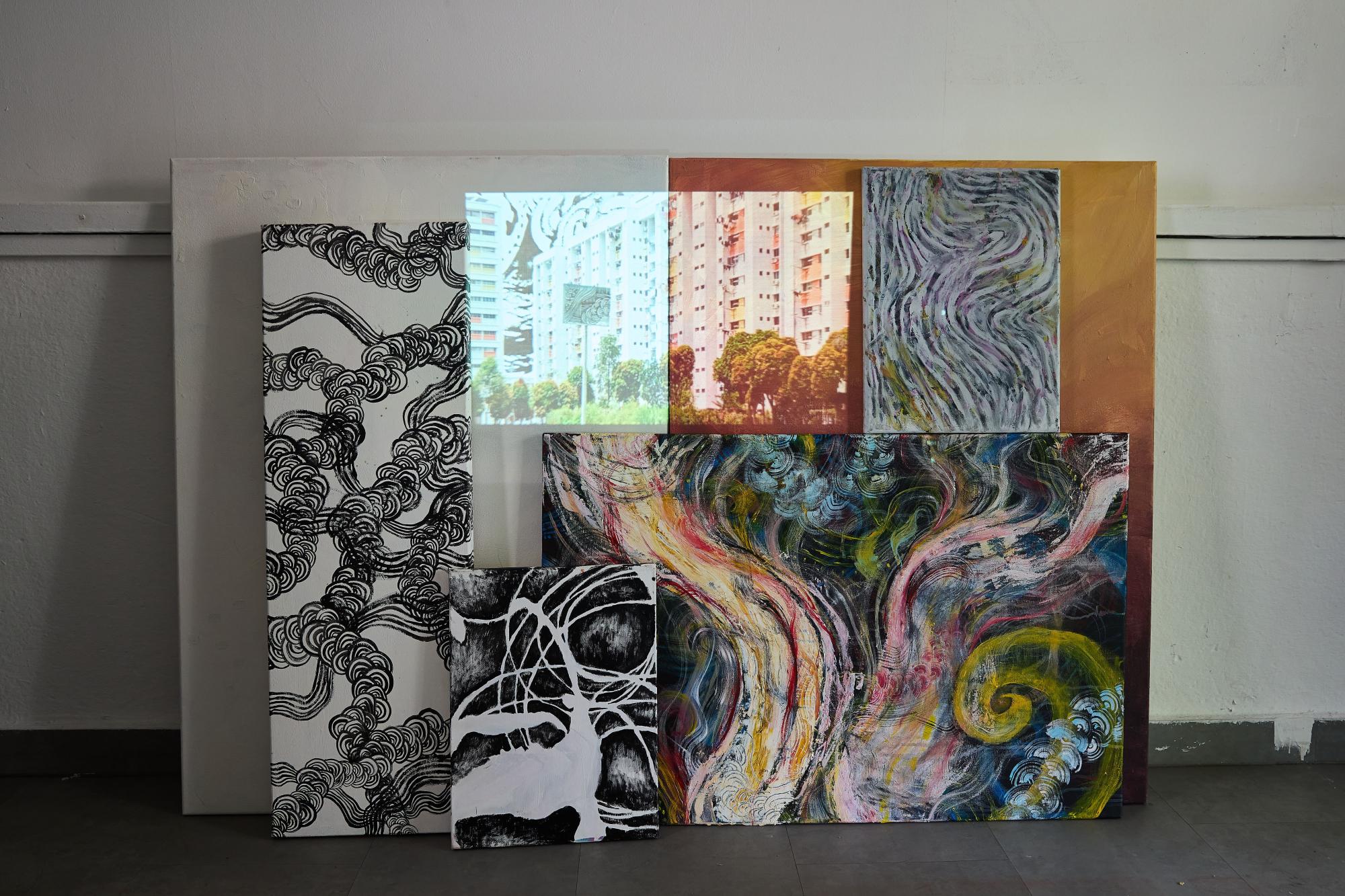
Sonya M Pillay
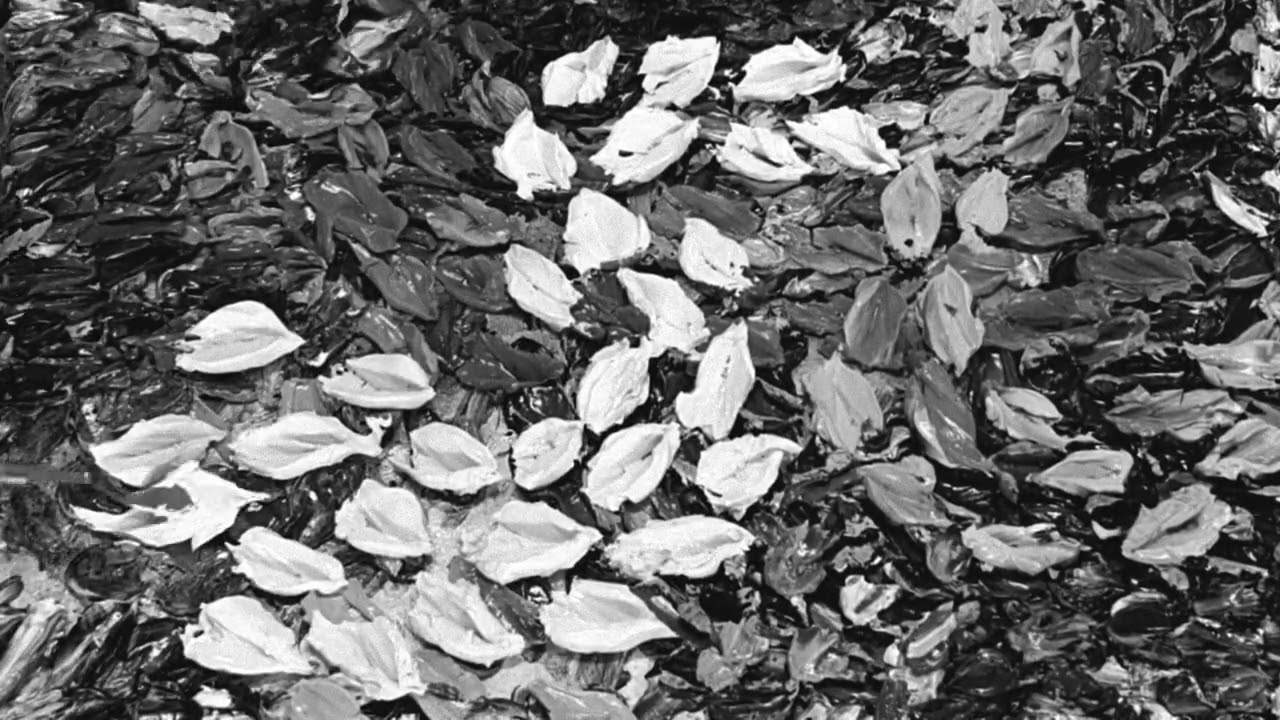
Erny Ellyssa Munir
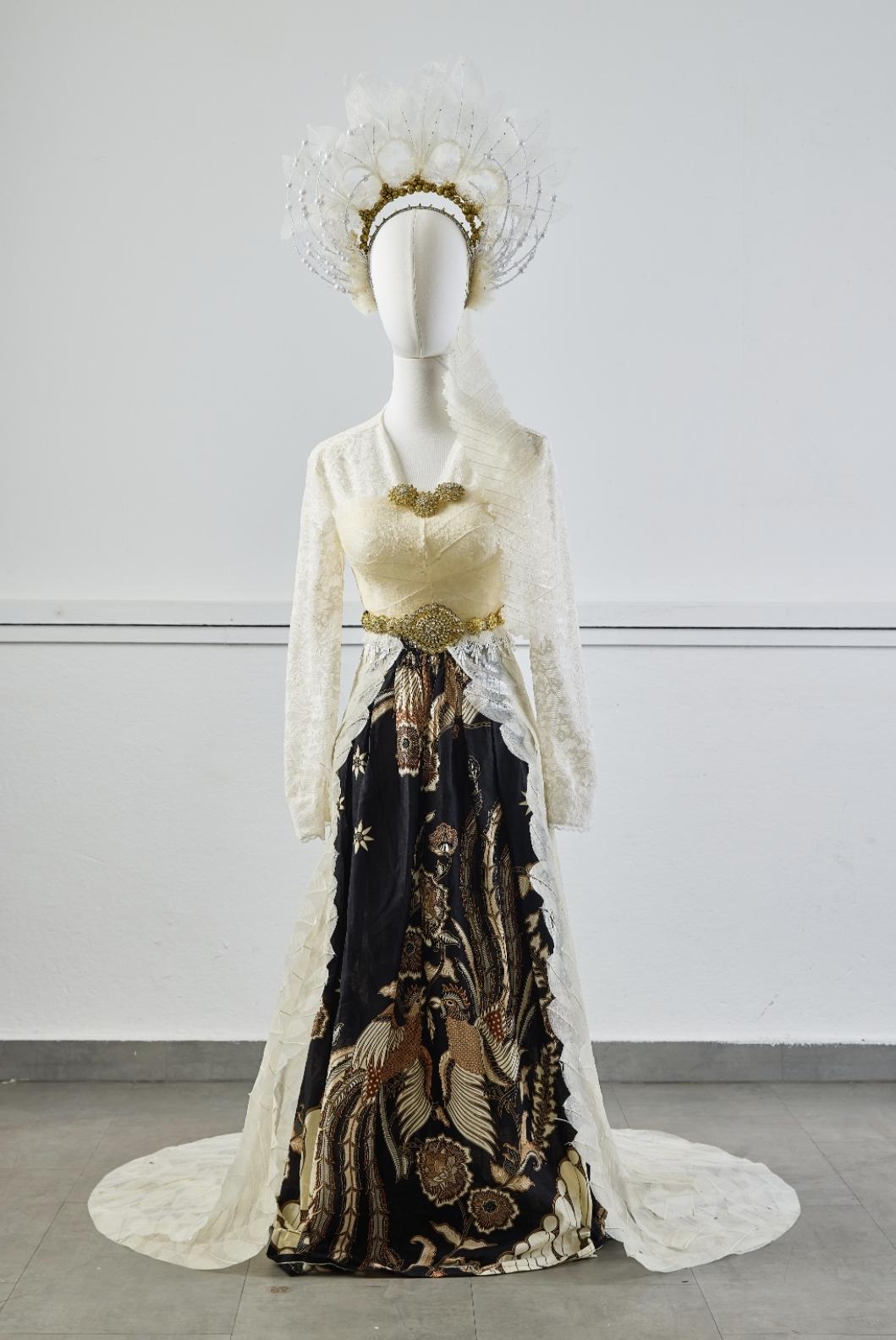
Ow Yeong Li Wen

Sim Li Yan Emily