


About
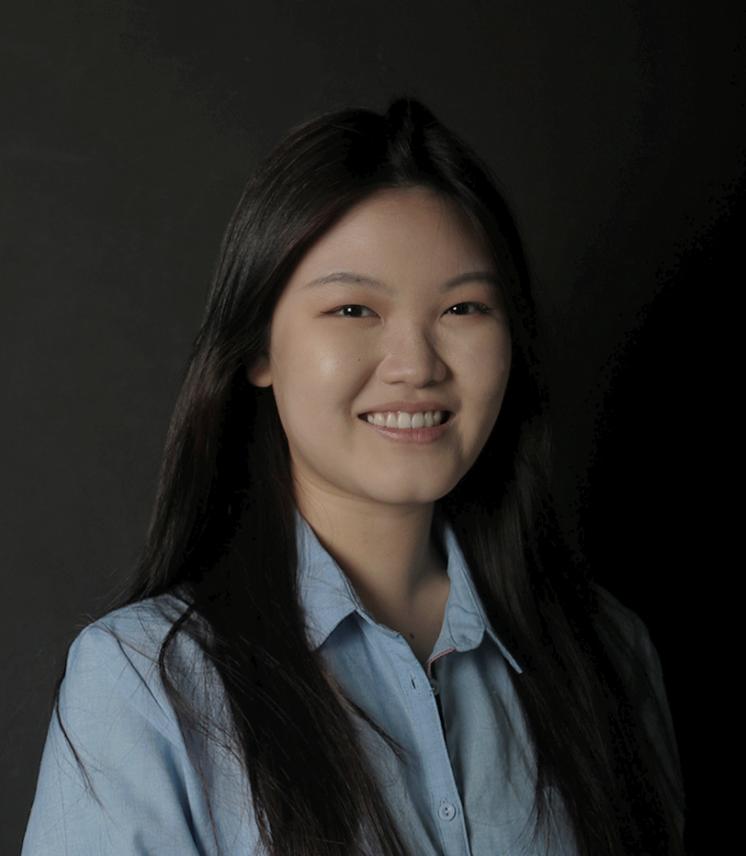
Kai Yun is a creative designer with a background in design communication, specialising in brand visuals that integrate clarity, usability and aesthetic appeal.
She approaches design as both a strategic and expressive discipline, where visual decisions are guided not only by function, but also by meaning and context. With a strong belief in design as a problem-solving tool, she is passionate about creating work that bridges commercial viability with thoughtful artistic expression.
She is particularly interested in how design can shape perception and influence engagement, transforming ideas into experiences that resonate with audiences across different platforms.
Navigating Georgetown

Navigating Georgetown is a wayfinding system designed to support walkable exploration around George Town.
As people increasingly rely on digital navigation, the experience of moving through heritage areas often becomes purely functional, causing many details to be overlooked.
This project aims to shift navigation back into a more engaging, physical experience—encouraging users to slow down, observe and rediscover the richness of their surroundings.


The Art of Devotion
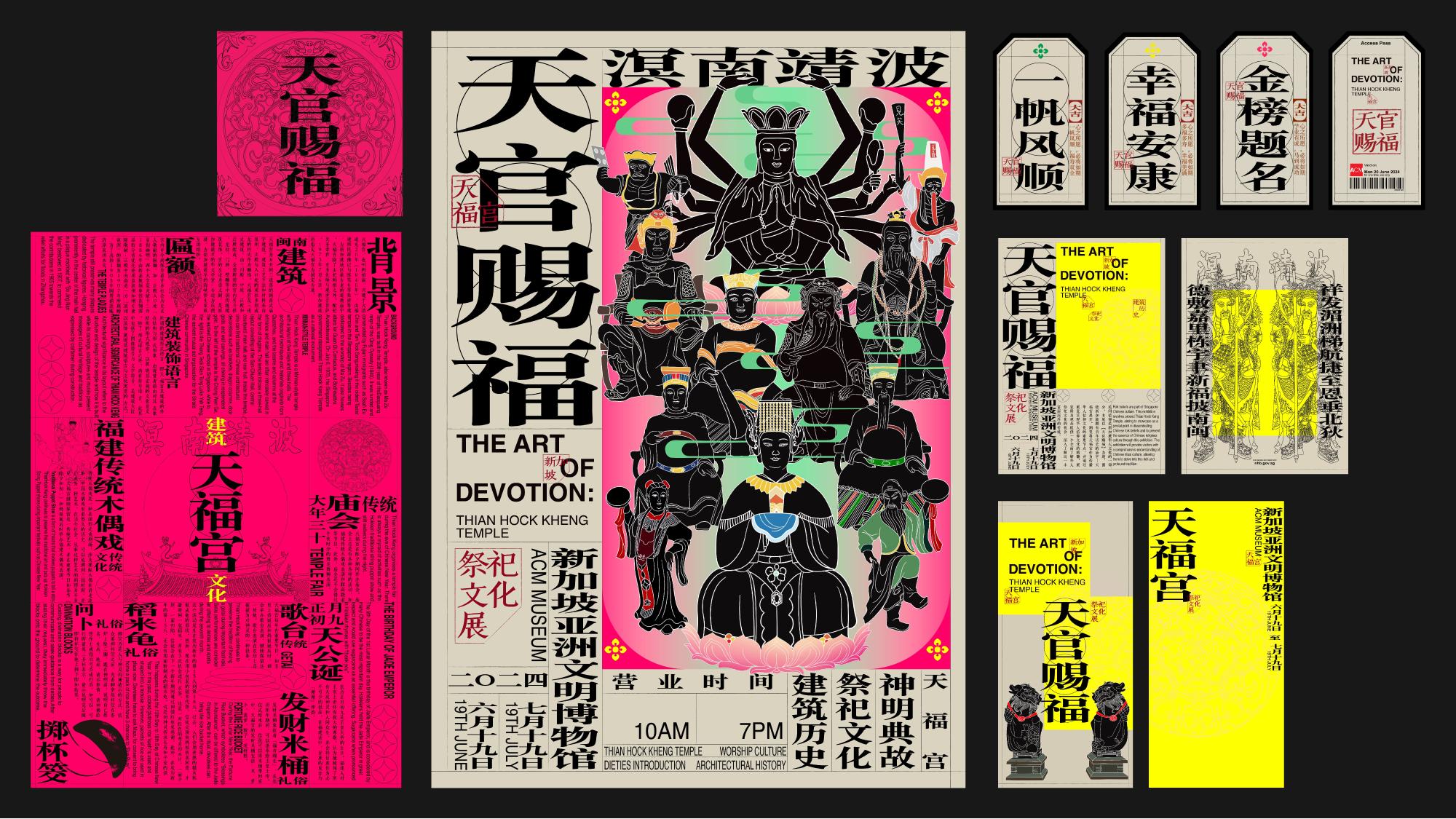
The Art of Devotion is an exhibition to address the urgent need to preserve Singapore's cultural heritage, highlighting a significant decline in Taoist traditions since the 1980s.
With Thian Hock Kheng Temple as a focal point, this project aims to educates visitors about its cultural significance, bridging generational gaps and revitalising fading heritage.


The Lost Stroke

The Lost Stroke is a type-led campaign that incorporates activism through poetry—an interplay between creative type expression and the visual poignance of Chinese poetry.
The campaign emphasises the impact of deforestation brought about by climate change and how our forests are losing their beauty and lustre as they continue to be destroyed with no regard for the future.
Central to the design is the word play of 竖 (Shù), which can refer to 'vertical strokes' or 'trees' in Chinese. The chosen poem is depicted as a mountain-forest landscape—where each lost stroke serves as a metaphor for destruction.


Sharmaine Foo Jinen

Kim Geonwoo

Htet Myat Thiri Shwe (Mya)

Gabrielle Anderson

David Sakthivel
Muhammad Asif Nawfal Bin Noor Hairin