


About
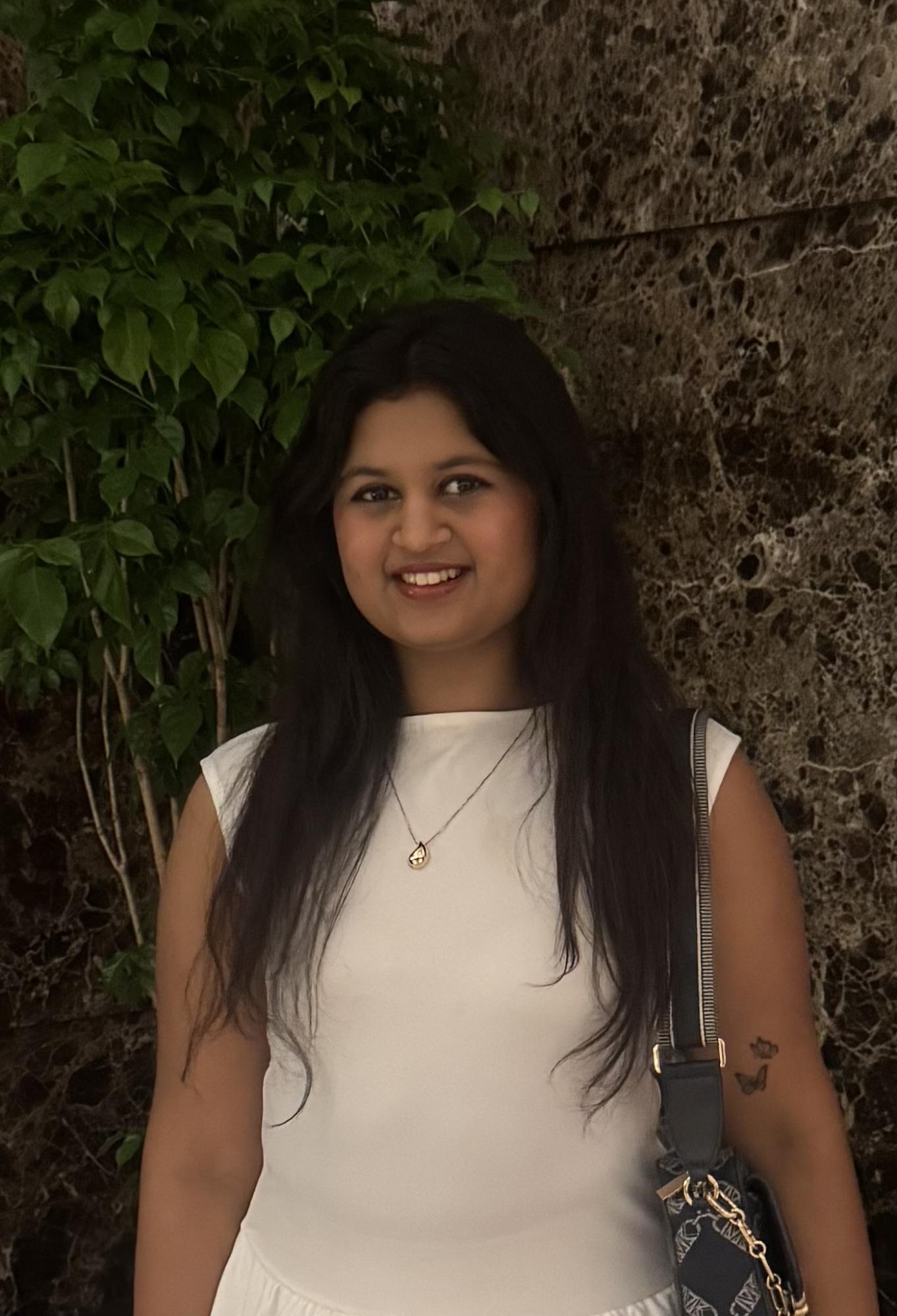
Sara Jain is an emerging creative working across brand communication, social media marketing and creative campaign development in fashion, beauty and luxury branding.
Her work explores how identity and meaning are shaped through digital and fashion-led communication, particularly how ideas translate into cohesive visual and narrative systems.
Her approach to creative work is research-led and exploratory, shaped by observation, reflection and iterative development. Experimentation is important to her process, especially when working with unfamiliar methods or developing new conceptual directions.
Through collaborative environments, she has developed skills in communication, adaptability, time management and working within structured creative workflows. Working with diverse teams has also strengthened her understanding of coordination and shared responsibility in project-based settings.
Sara's work is guided by clarity of concept, structure and intent, with an ongoing interest in how contemporary culture shapes storytelling within fashion, beauty and luxury contexts.
RANI: The Politics of Seeing and Being Seen
SHE CARRIED TRADITION BUT NEVER LET IT CARRY HER
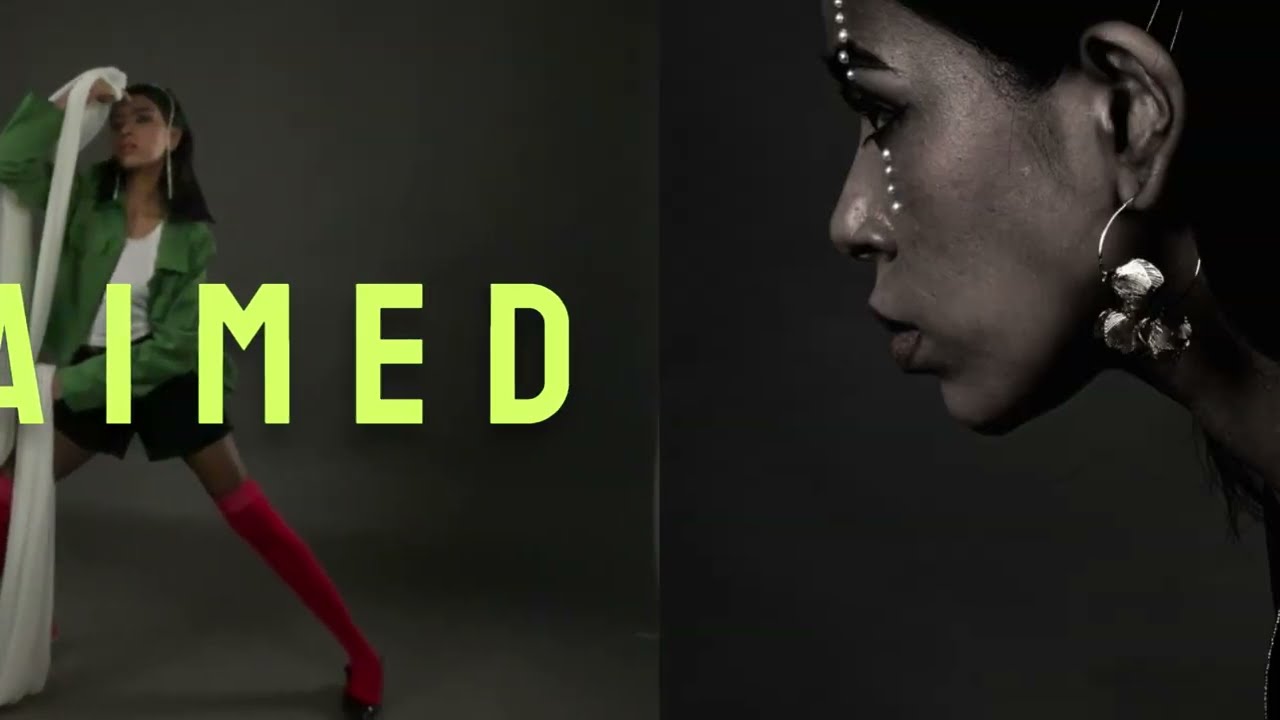
RANI ("queen"): The Politics of Seeing and Being Seen is an intimate and critical exploration of Rajasthani womanhood within the domestic sphere.
Rooted in family and the lived experiences of different women, staged photography, symbolic gestures and reflective narratives are used to examine how women are shaped by the familial, cultural and internalised gaze. The work reflects on the tension between visibility and invisibility, where being seen often means being defined, and being unseen becomes a form of erasure.
Set within the interior landscape of the home, RANI captures femininity as a quiet performance of ritual, posture, adornment and silence. The domestic space becomes both stage and structure, where identity is continuously shaped through repetition, expectation and inherited roles.
Rather than presenting idealised imagery, the project embraces a raw and observational approach that mirrors the layered realities of tradition and lived experience.
More than documentation, RANI functions as a reflective archive of memory, cultural conditioning and generational influence. It questions who holds the power to look, who is allowed to be seen and how that dynamic shapes self-perception. Through this lens, the subtle negotiations between tradition and agency that exist within everyday life are highlighted.
At its core, RANI is a meditation on how Rajasthani women are seen, and how they quietly reclaim the right to define that visibility on their own terms.


The project questions who holds the power to look, ultimately reclaiming visibility as something that is self-defined. As John Berger writes, “To be seen is to be defined; to be unseen is to disappear.”
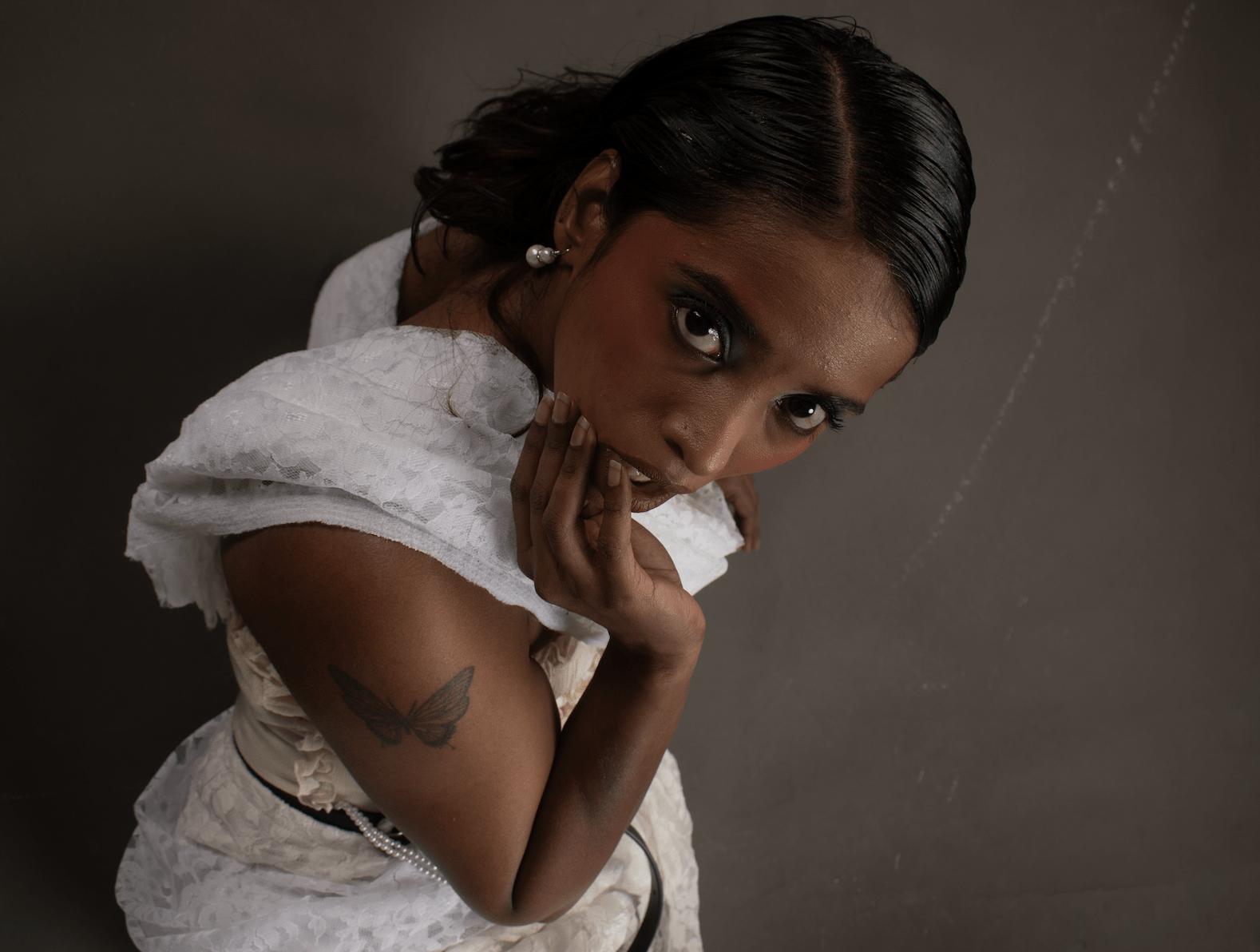


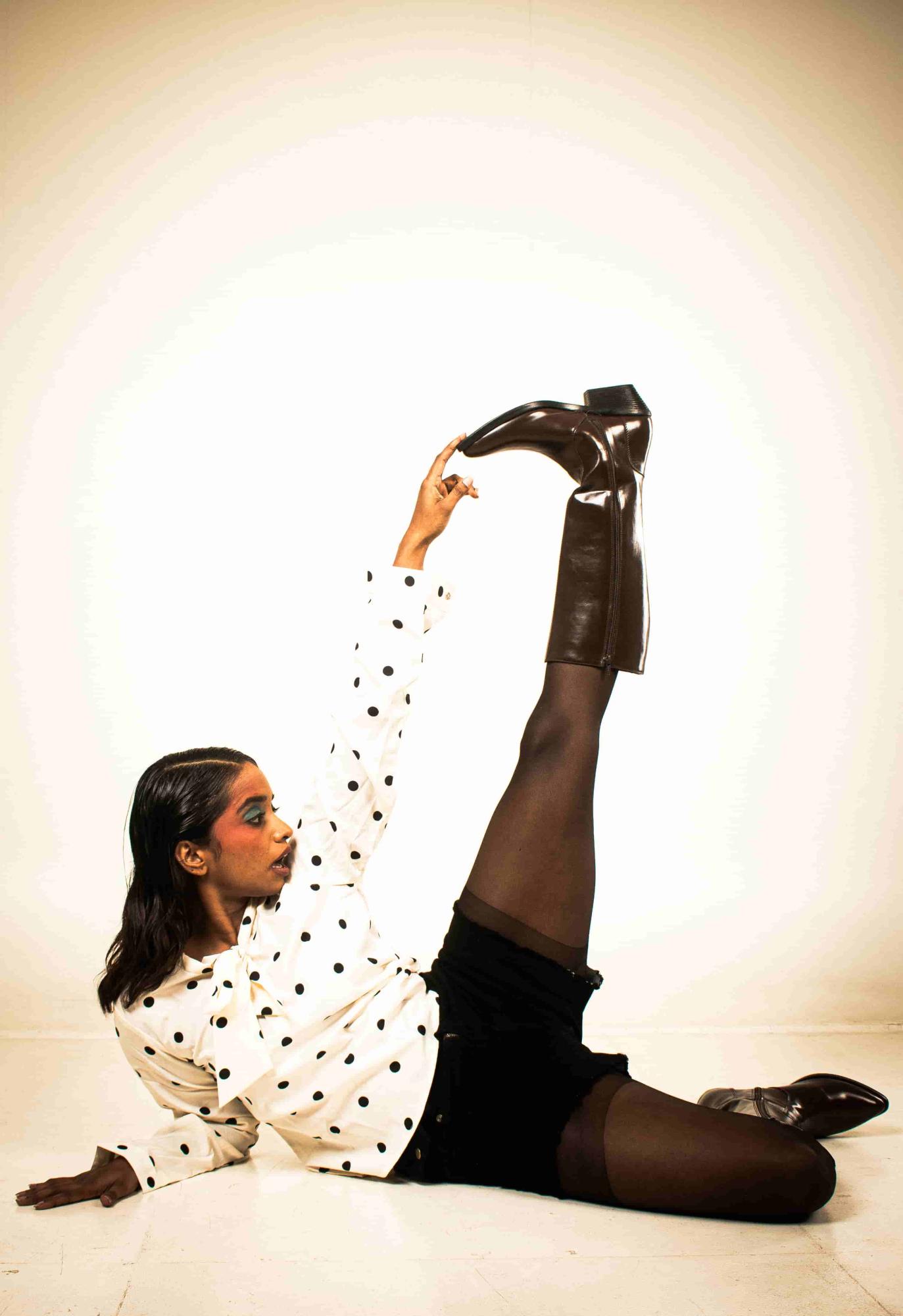
EVERY ROOM THAT I WAS SILENCED IN STILL ECHOES MY NAME
Venus Chai Xin Ying

Kwon Min Kyoung
Deeptha D/O Selva Kumar
Nadiah Norzain
Ashley Ann Guan
Charlize Zhou Kun