



About
Madi is a graduating student of the BA (Hons) Fashion Media and Industries programme whose work explores identity, displacement and belonging through visual storytelling.
Working across photography, publication and conceptual art direction, she examines how fashion can communicate personal and cultural narratives beyond aesthetics.
Her practice is informed by Southeast Asian and Burmese contexts, where she reflects on diaspora and the politics of representation. Through a research-led and image-driven approach, she aims to challenge reductive portrayals and create space for more nuanced, self-determined perspectives.
Grounded in these values, Madi is also interested in sustainability and community-driven design. She approaches fashion not only as a visual medium, but as a socially engaged practice that fosters dialogue and centres lived experience.
ein

ein—meaning “home” in Burmese—is a publication exploring how displaced Burmese youth navigate identity, memory and belonging in the context of the ongoing civil war following the 2021 military coup.
Amid widespread displacement, many young people have been forced to leave home abruptly, often with limited time and resources. In these moments of urgency, choices are made about what should be carried.
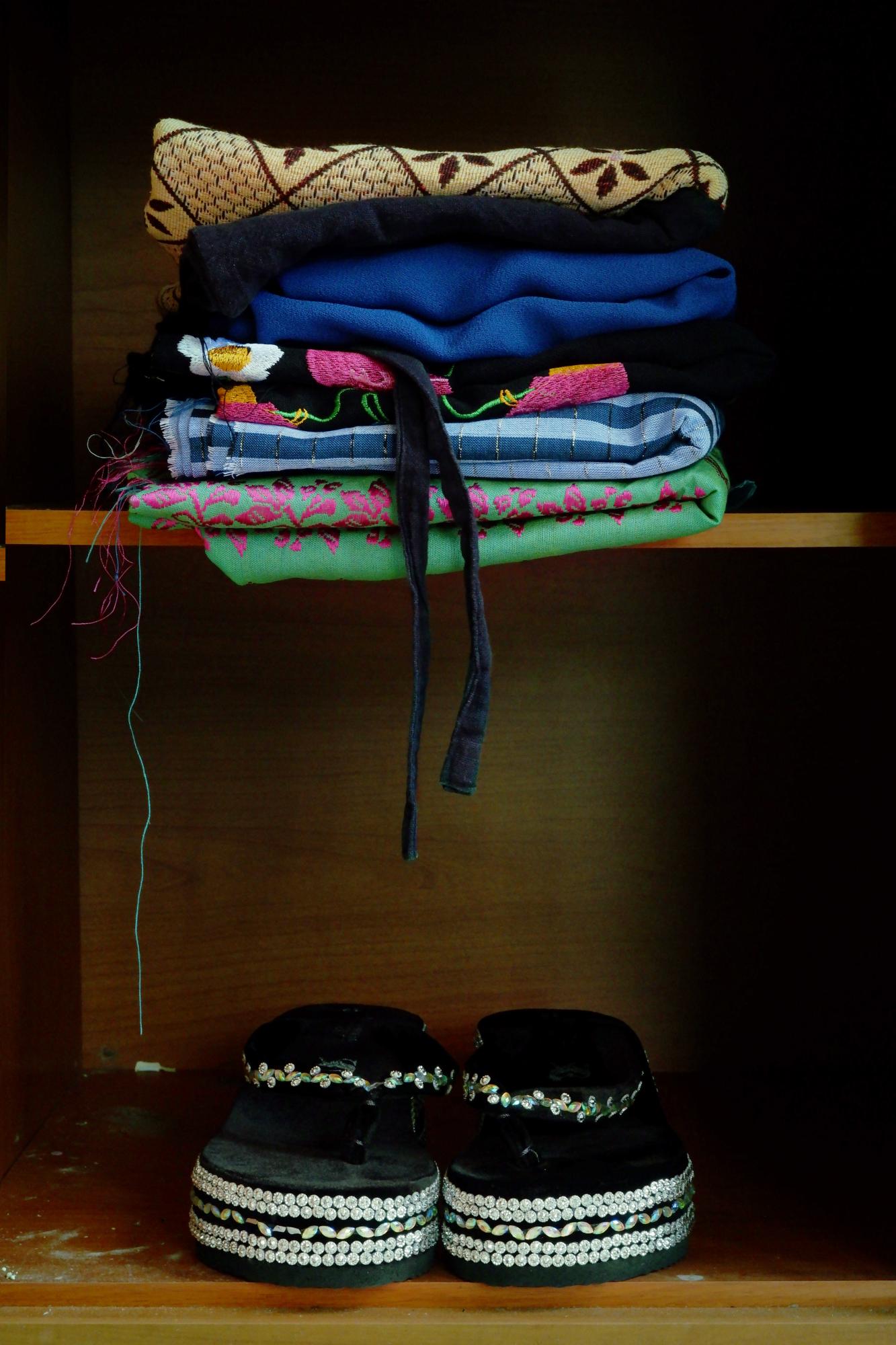
Through conversations with Burmese youths who have relocated to different countries, a recurring pattern emerged: alongside essential items, many chose to bring objects of personal and cultural significance, including traditional garments such as longyis and pasos, jewellery, photographs and small mementos.
These objects are not defined by practicality but function as vessels of memory that carry emotional weight and maintain connections to family, identity and a sense of home that can no longer be physically accessed.
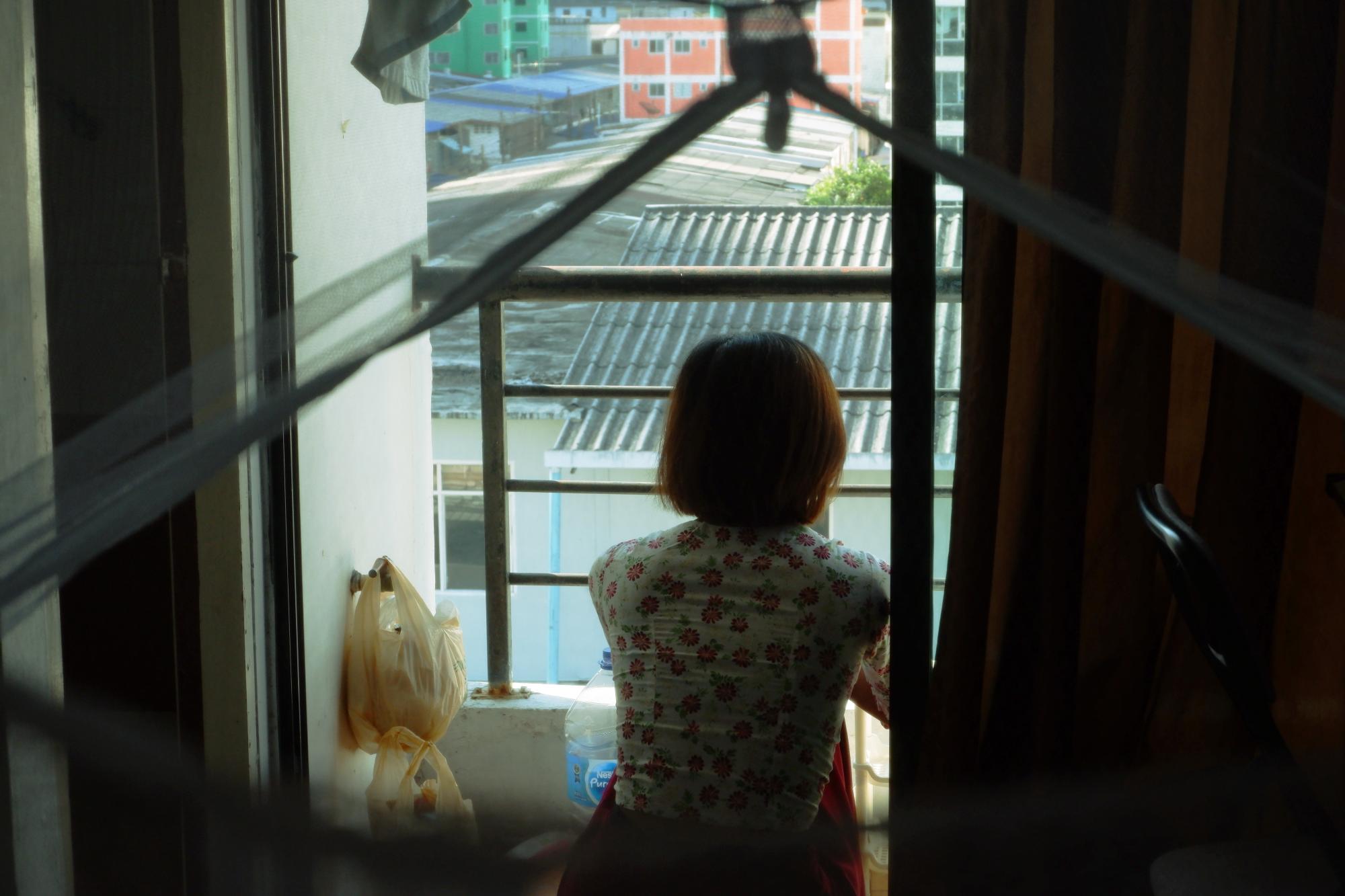
Positioned through a fashion lens, ein examines these items as static objects and as worn forms. The publication pairs still-life imagery of these keepsakes with images of them being worn and recontextualised in new environments. In doing so, it considers how clothing and personal objects continue to shape identity, not only through preservation but through adaptation and everyday use.
The project is further informed by interview excerpts, allowing the voices of displaced youths to sit alongside the visual work. Rather than speaking for these individuals, ein creates space for their experiences to be seen and acknowledged.
By framing fashion as both archive and language, the publication positions personal belongings as sites of continuity within disruption. It reflects on how identity is not lost in displacement, but carried, negotiated and reimagined across distance.




Yuvika Taneja

Wang Yujia
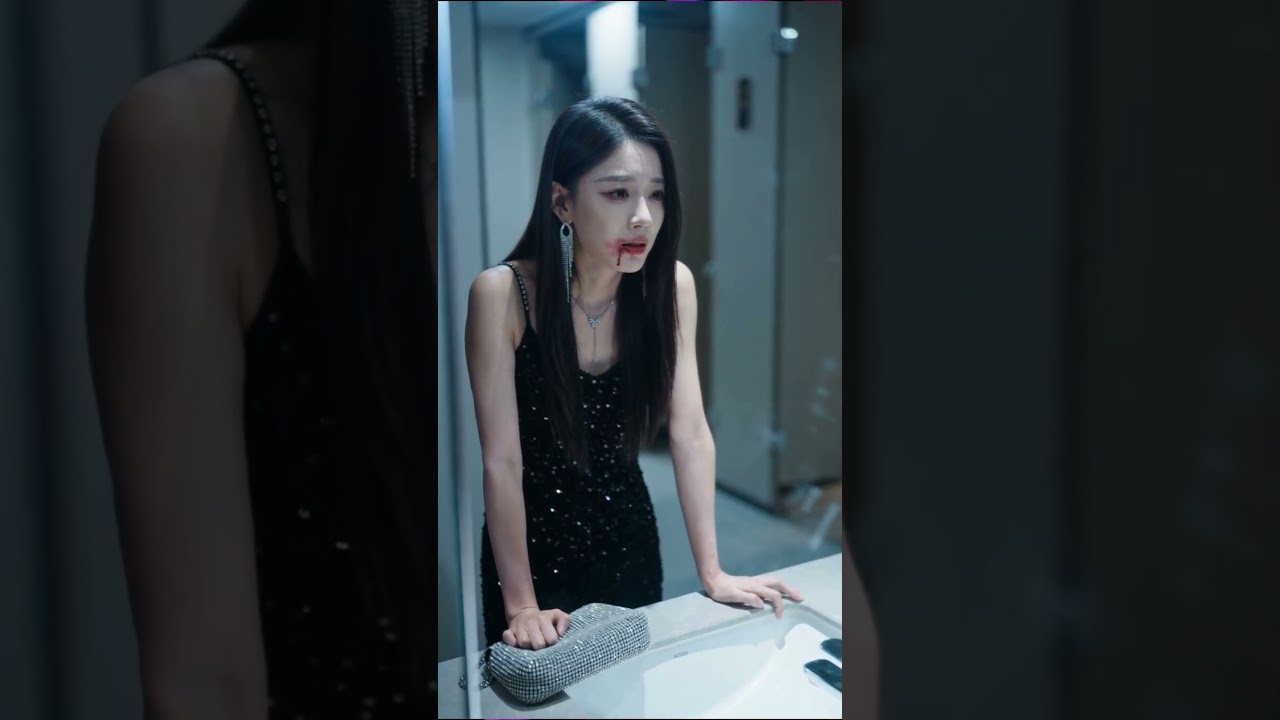
Ashley Ann Guan
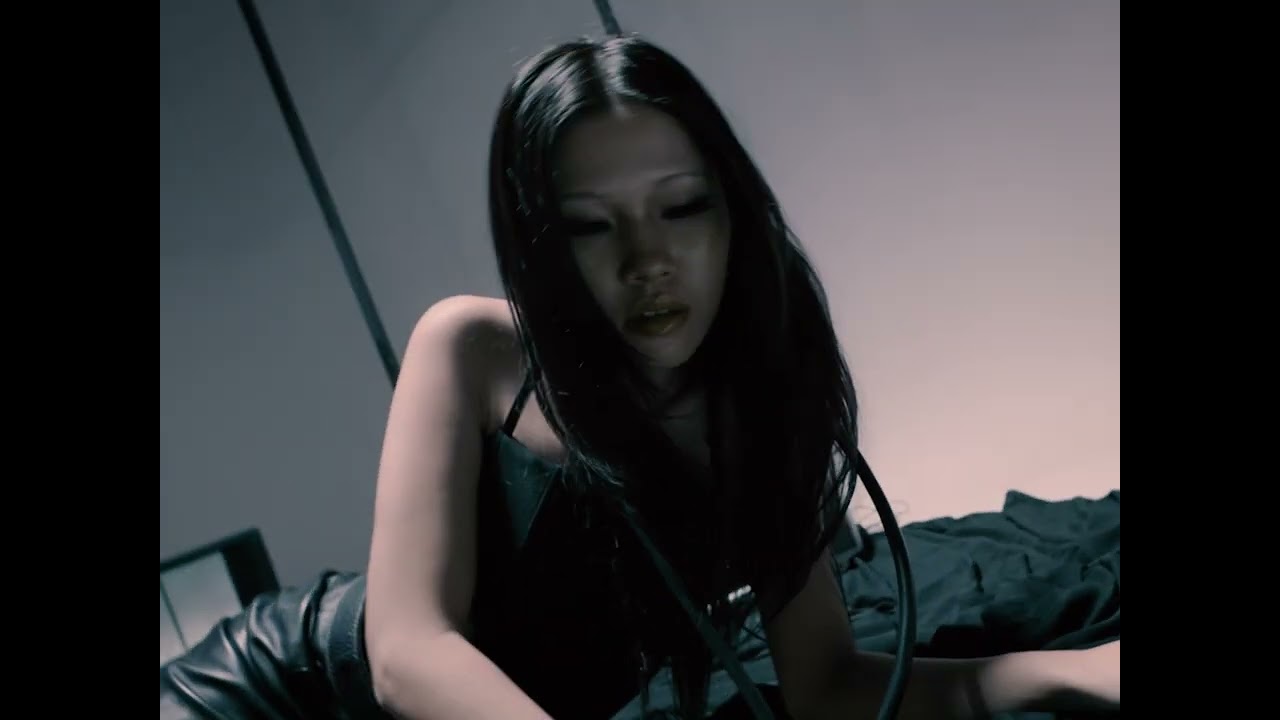
Shylaa Chahal
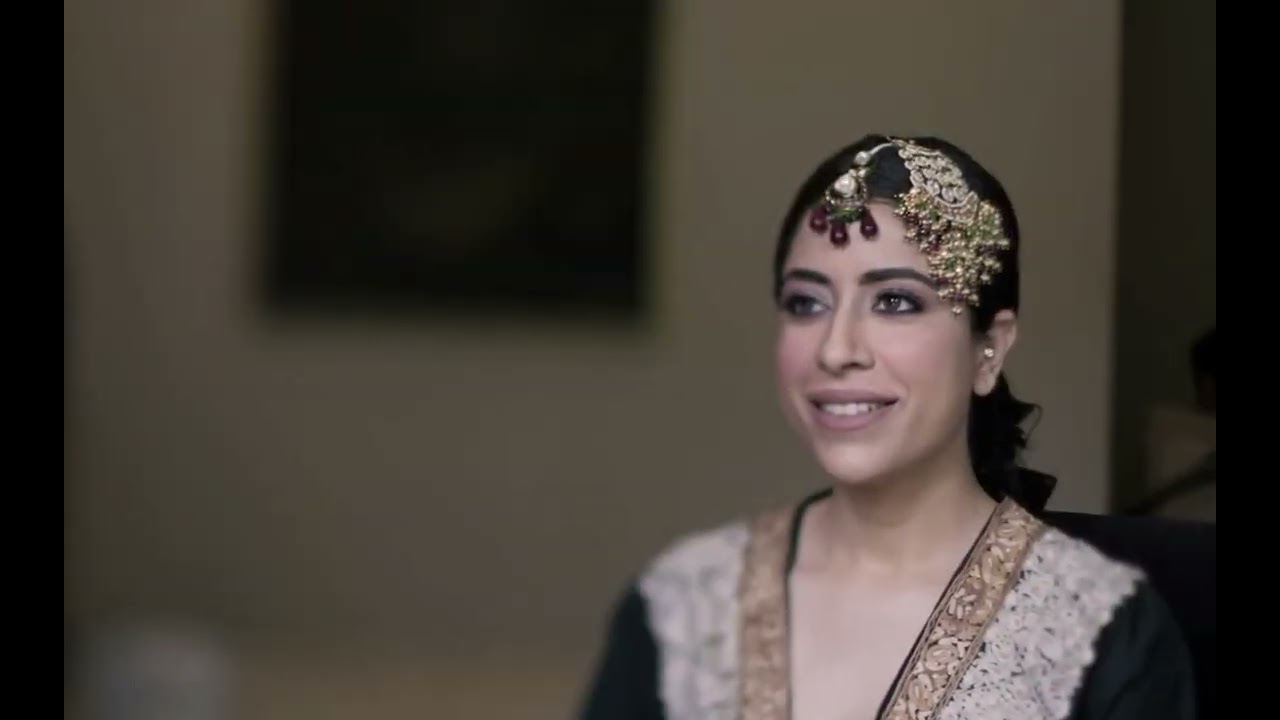
Ding Ruoxuan
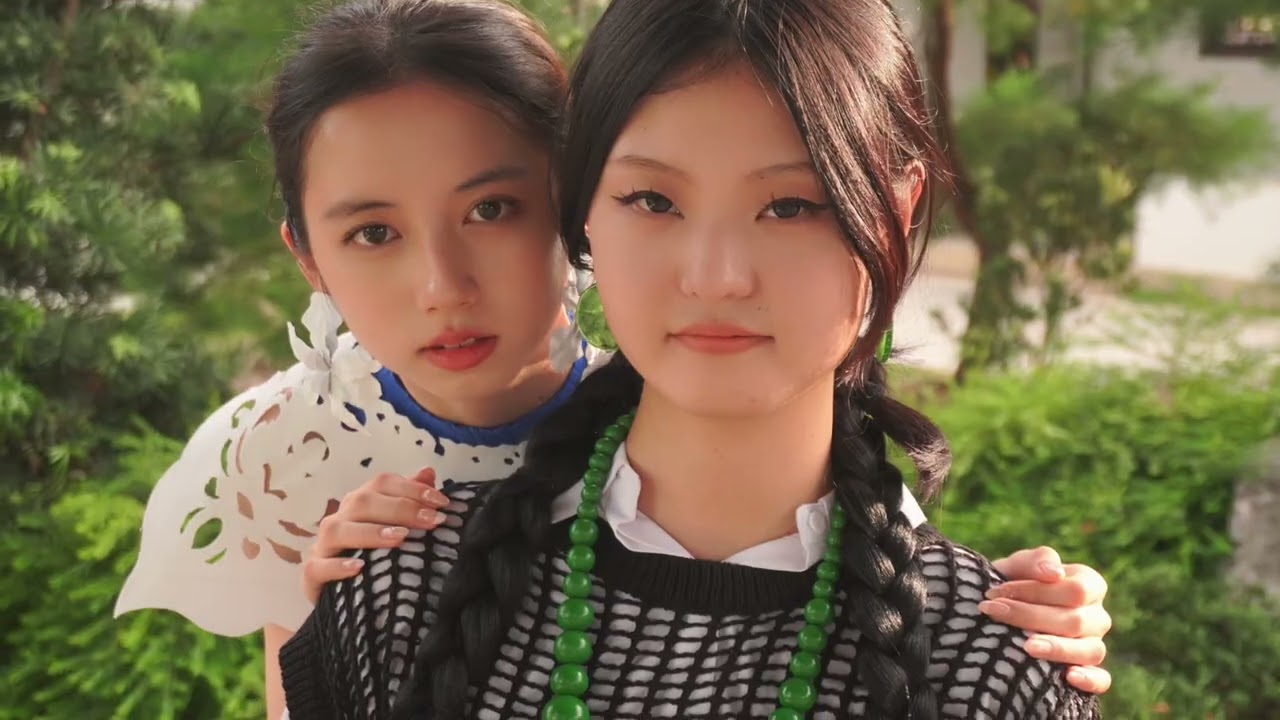
Nadiah Norzain