


About
Shraddha is artist that loves to create spaces that are visually engaging but, more importantly, carry a feel-good effect.
Through the process of ideation, exploration and creation, she considers herself a storyteller, immersing spectators into her woven reality.
Honing her skills with a never-give-up attitude over her three years in LASALLE has made Shraddha the designer she is today.
JUST BE ; in the moment
Present; in the moment. Grounding yourself in reality, bringing yourself back to where you are. Instead of constantly focusing on the future or the past, focus on what is in front of us, the present.
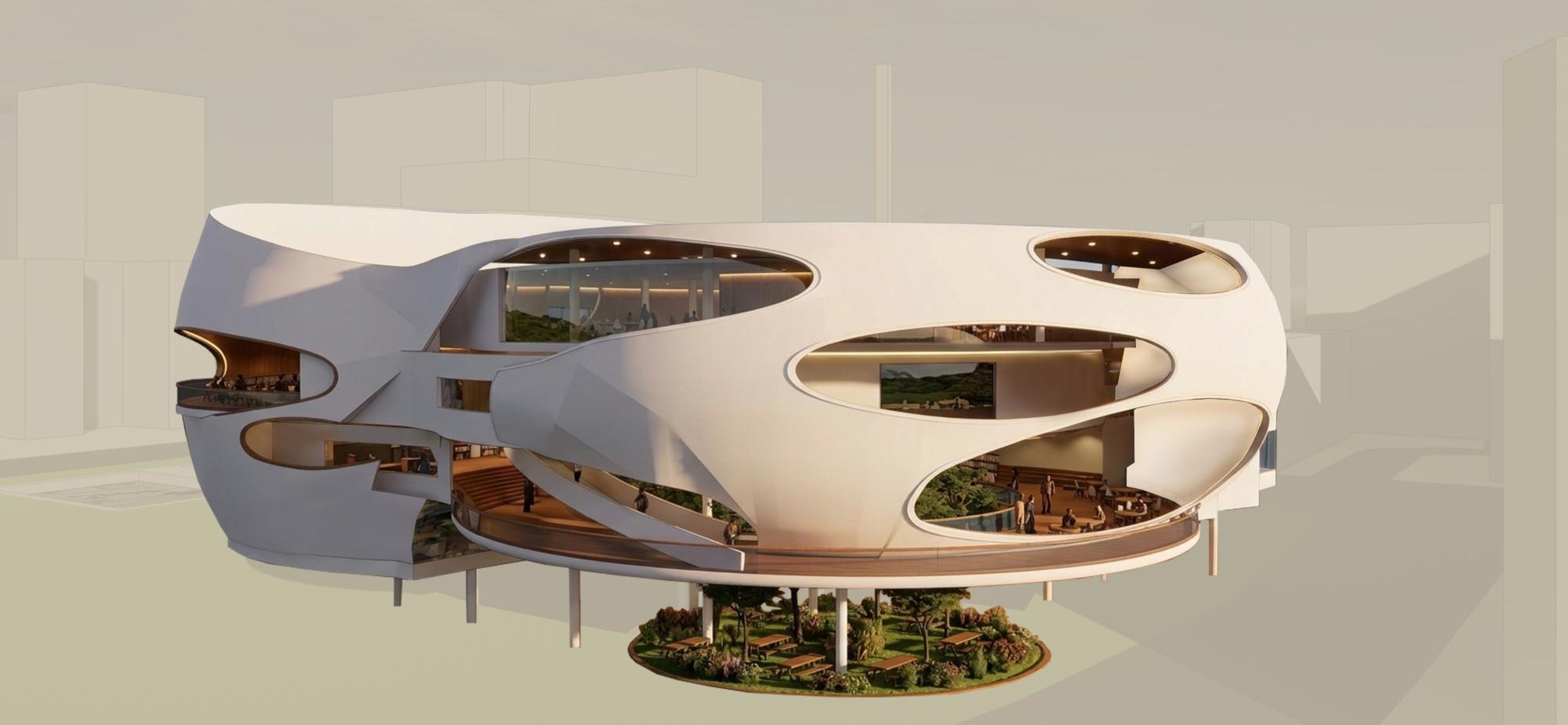
This project reimagines the SMU library as a calming space that helps reduce anxiety through spatial cues and thoughtful detailing, bringing the students back to the present.

The 1:100 scale model effectively portrays the grand structure and the views it creates. It captures smaller details that illustrate how a user truly feels within the space.
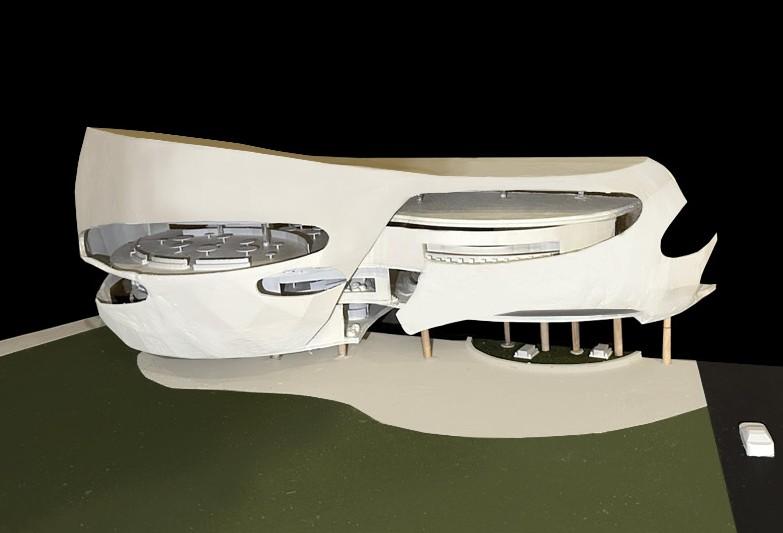
The design incorporates openings that welcome rain, wind and sunlight to foster a sense of presence, translating the effect of spatial details and designs onto user emotion through their senses. The use of natural elements in the design helps students JUST BE in the moment.
Subtle elements like the soft toll of church bells and views of the campus green gently remind students to pause, recharge and care for their well-being.
By using space to influence emotion, the design encourages students to stay grounded in the present moment, promoting calm, clarity and balance.

Level 2 – Student Lounge

Level 3 – Social study space

Level 4 and 5 – Group and solo study space

The 1:200 scale model captures every detail of the design, from the unique structural openings to the intricate interior features. The design integrates diverse seating options with varied views and sensory stimuli, all specifically curated to enhance user well-being.

Additionally, the sectional cut provides a clear perspective on the internal experience, illustrating exactly how a user perceives the space from within.
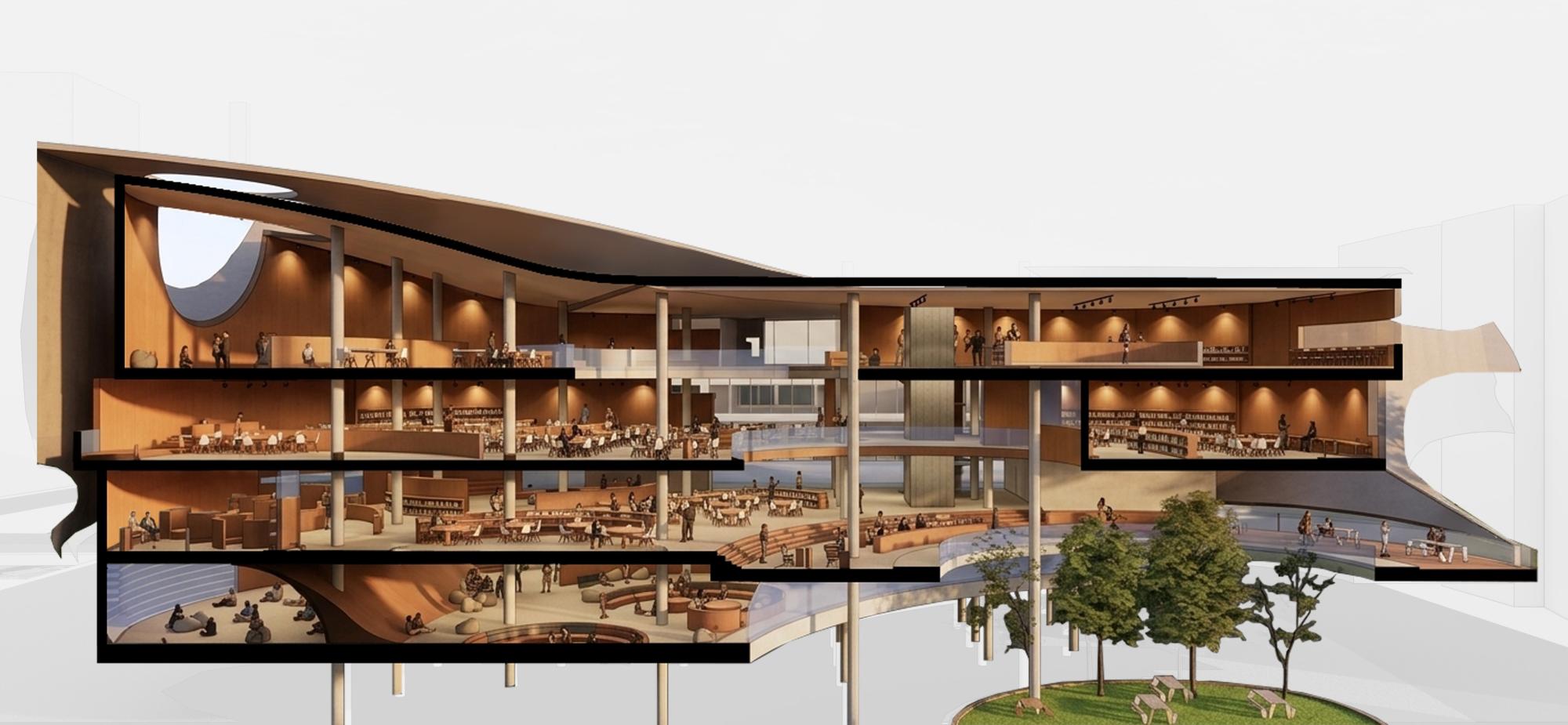
This architectural design fosters student 'presence' through a sensory-driven experience.
Level 2 – Initiates this journey with a student lounge, using social interaction and community engagement to ground students in their immediate surroundings.
Level 3 – Introduces a versatile ecosystem for focus, offering open collaborative zones alongside quiet solo spaces and informal group areas. It features 'rest and pause' seating and a dedicated walking path for mental recovery, all framed by the view of the National Museum of Singapore.
Level 4 – Balances productivity by offering solo study pods overlooking the museum and group spaces facing the campus green.
Level 5 – Integrates auditory mindfulness through the architecture which allows the tolling of nearby church bells to permeate the space, acting as a rhythmic anchor to the present.
Together, these levels harmonise sight, sound and social dynamics to create a truly mindful educational sanctuary.
Snigdha Katamaneni
Charisse Faith Wong
Graciella Lim
Sowmiya Murugesan

Yin Phyo Aye Julia

Kim Hyerim