


About
Anit is a Singaporean Sikh artist trained in art therapy, whose practice centres on supporting survivors of abuse through trauma-informed, arts-based approaches. Her work focuses on creating spaces where individuals can safely express, process and re-author their lived experiences, with an emphasis on dignity, agency and voice.
With a background in marketing and education, Anit brings a grounded and relational approach to her work, integrating creativity with therapeutic practice. She will complete her MA in Art Therapy at LASALLE College of the Arts in June 2026. Her research explores the wounded healer archetype and the role of art in holding and transforming emotional experience.
Her artistic practice reflects the non-linear nature of healing, often depicting figures in states of becoming—unresolved yet at peace. Through layered textures and symbolic imagery, she invites an intimate engagement with both vulnerability and strength.
Following graduation, Anit will offer one-to-one sessions for women and children, alongside expanding her advocacy work internationally, including collaborations with UN Women UK. She continues to develop therapeutic spaces, workshops and initiatives that centre women’s empowerment, recovery and long-term resilience.
Embodied responses and culturally attuned containment: A feminist art therapist’s perspective of the wounded healer within the context of intimate partner violence in Singapore
The aim of this qualitative, practitioner‑based thesis, which includes arts‑based methodologies, was to explore how a feminist art therapy practitioner’s response art might inform and support trauma‑informed art therapy practice with women survivors of intimate partner violence in Singapore through a contemporary feminist wounded‑healer lens.
The research question driving this work was: in what ways might the response art of an art therapy practitioner inform her art therapy practice with female survivors of intimate partner violence through a feminist wounded‑healer lens in the context of Singapore?
The thesis was conducted in a crisis shelter and used therapist‑generated response images, reflexive journals, supervision notes and anonymised clinical documentation as primary data.
Analysis of four response images highlights processes of rupture and repair, containment, early attachment and cycles of return within an Asian/Singaporean cultural frame. Response art functioned as an embodied and ethical form of containment, supported the negotiation of silence and voice, and offered a visual third space in which the therapist’s wounded‑healer positioning, countertransference and cultural assumptions could be worked within a boundaried way.
This research demonstrates the potential of therapist response art to enrich trauma‑informed, feminist art therapy practice.
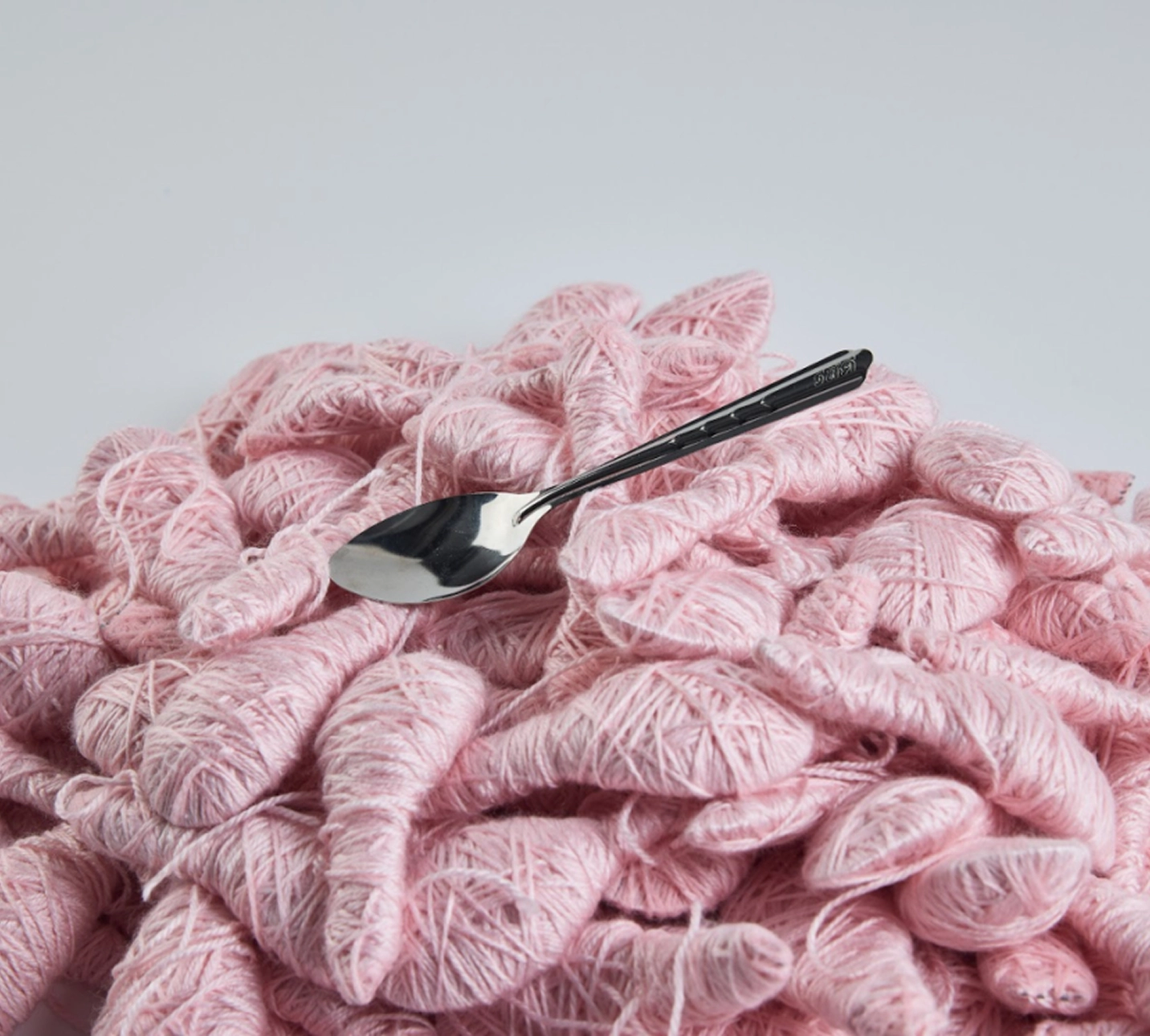
Sublimation (2026)

Behind Closed Doors
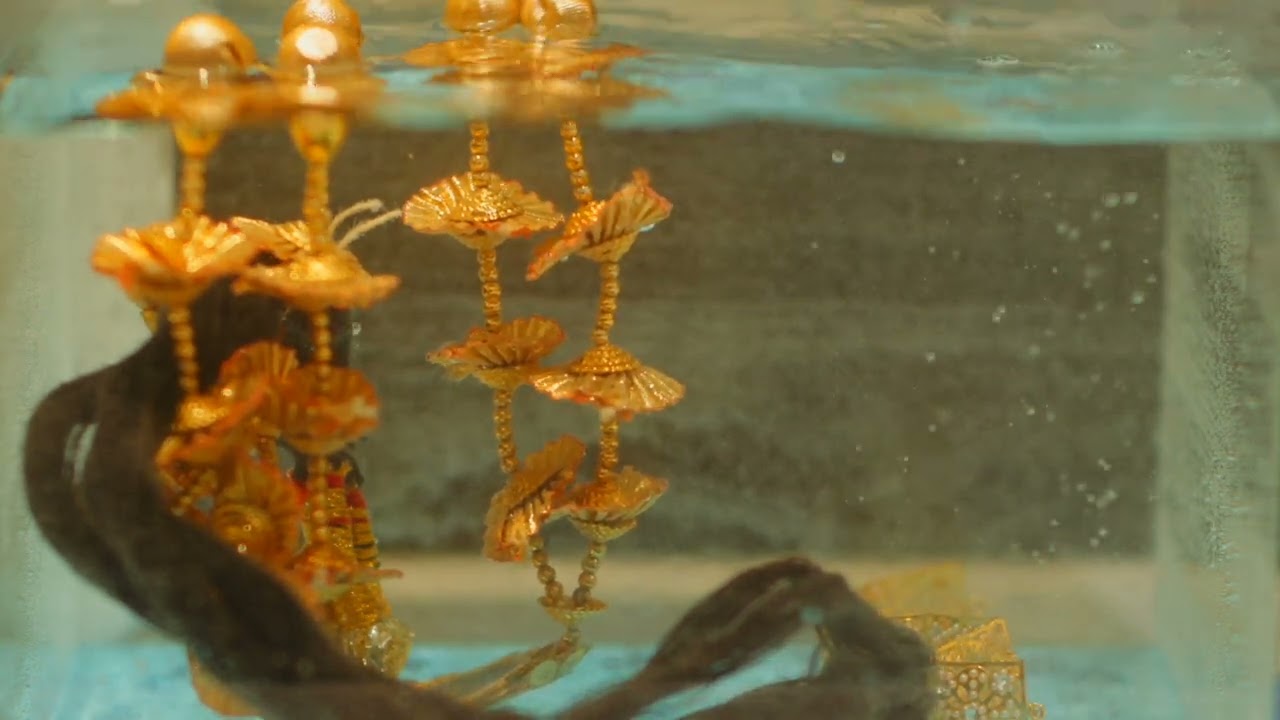
Behind Closed Doors is an installation that reclaims agency from intimate and domestic trauma.
A life-sized wooden door, deliberately damaged, serves as the central object. A looping video projecting images of Indian jewelry is played across the scarred surface, injecting colour, meaning-making and acts of sublimation into the wounded material.
The artist initially made the interventions to the door and later invited other women to add their own marks using household objects, which remain visible as additional layers of witness.
The door is a metaphor for barrier and threshold, privacy and exposure. Its damaged surface records force and resistance, while the projected imagery recontextualises cultural symbols—transforming pain and silence into new visual narratives.
The work presents a woman who has experienced abuse not as broken but as someone who redirects suffering into creative expression and meaning.
Professional practice
Offering trauma-informed, culturally responsive art therapy that centers embodied creativity, meaning-making and agency, Anit's practice provides a calm, collaborative studio space where art-making and reflective dialogue support emotional regulation, narrative integration and the reclamation of voice.
Anit works with women healing from relational and complex trauma, loss, life transitions and challenges to identity, as well as with individuals seeking creative pathways for resilience and self-discovery. Sessions use mixed media and material-led interventions, paced to each person’s readiness and safety needs, and grounded in clear informed consent, confidentiality and appropriate referrals when needed.
Practical, outcomes-focused projects sit alongside open-ended explorations so clients leave with both insight and tangible work that supports ongoing growth.
Creative Arts Therapies Symposium
Presented the concept 'Lived Experience of Facing Trauma: Brush, Lens, and the Expressive Therapies Continuum', drawing on Anit's clinical work and installation Behind Closed Doors.
The session examined how material-led interventions across visual modalities, painting, projection and image-making, align with the Expressive Therapies Continuum to support regulation, narrative integration and creative resilience. Through case reflections and facilitated discussion, Anit invited clinicians and artists to consider practical, embodied strategies for fostering meaning-making and agency in therapeutic and community settings.
Singapore Medican and Humanities Conference 2025
Served as an artist delegate for a live demonstration illustrating the clinical relevance of art therapy within medical settings.
The demonstration showcased practical applications of arts-based interventions for patient regulation, trauma-informed care and interdisciplinary collaboration, highlighting how material-led practices can complement clinical assessment and therapeutic pathways.
Anit contributed case-informed examples, led a brief hands-on segment for clinicians and participated in panel discussion on integrating creative modalities into healthcare teams. The session emphasised evidence-informed practice, ethical considerations and practical strategies for implementation in hospital and community health contexts.
SCWO Direct Services and SHECARE event
Presented a shelter-wide art directive and an introductory session on art therapy.
The presentation outlined a practical framework for implementing art-led activities across shelter services, covered trauma-informed facilitation, safety and consent protocols, and demonstrated brief, accessible interventions to support emotional regulation and peer connection.
The session concluded with collaborative planning for sustainable integration of arts-based supports into client care pathways. Attendees included shelter staff and service providers.
Clinical internship
Low Yu Neng (Lyn)
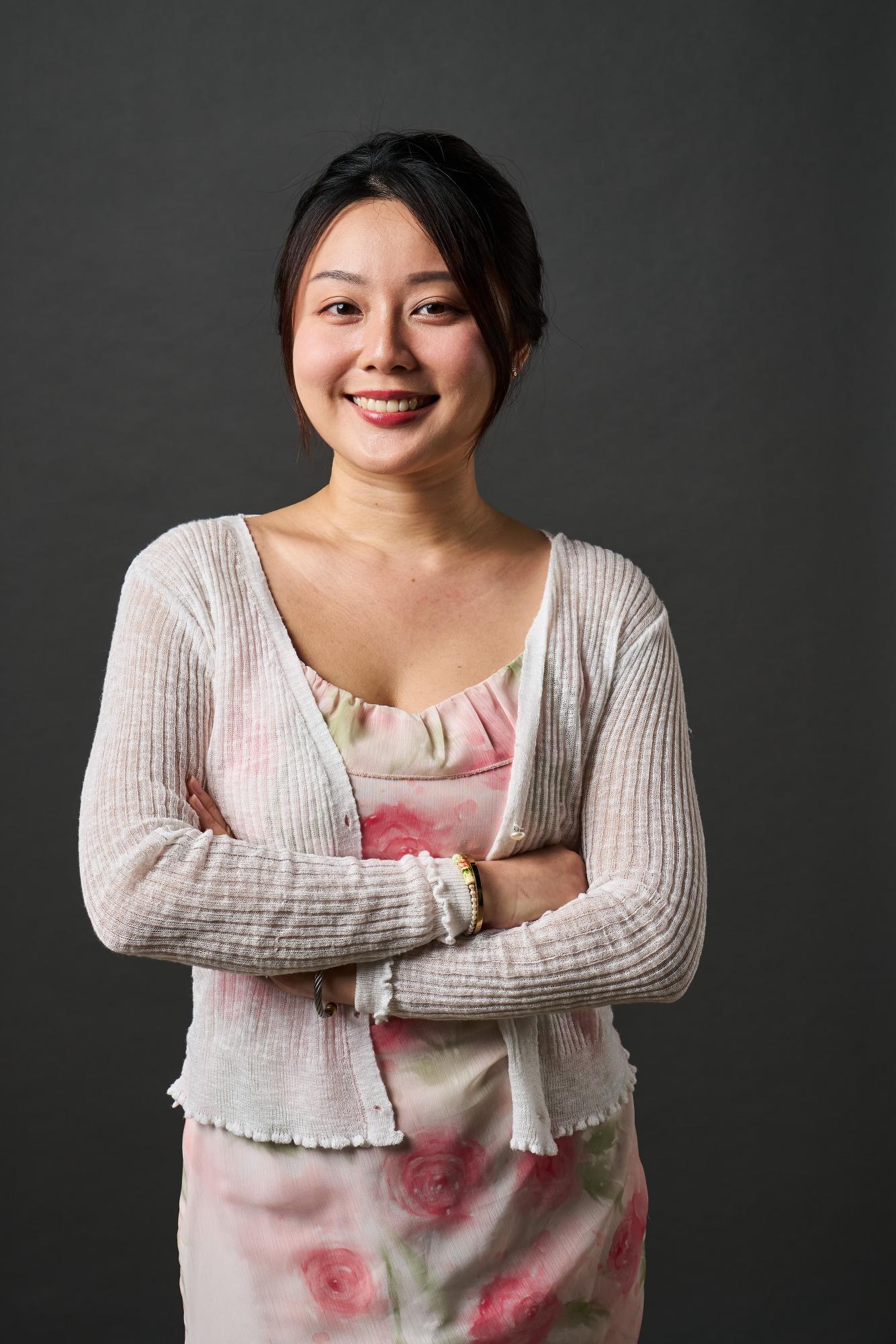
Enya Tay En-Ya
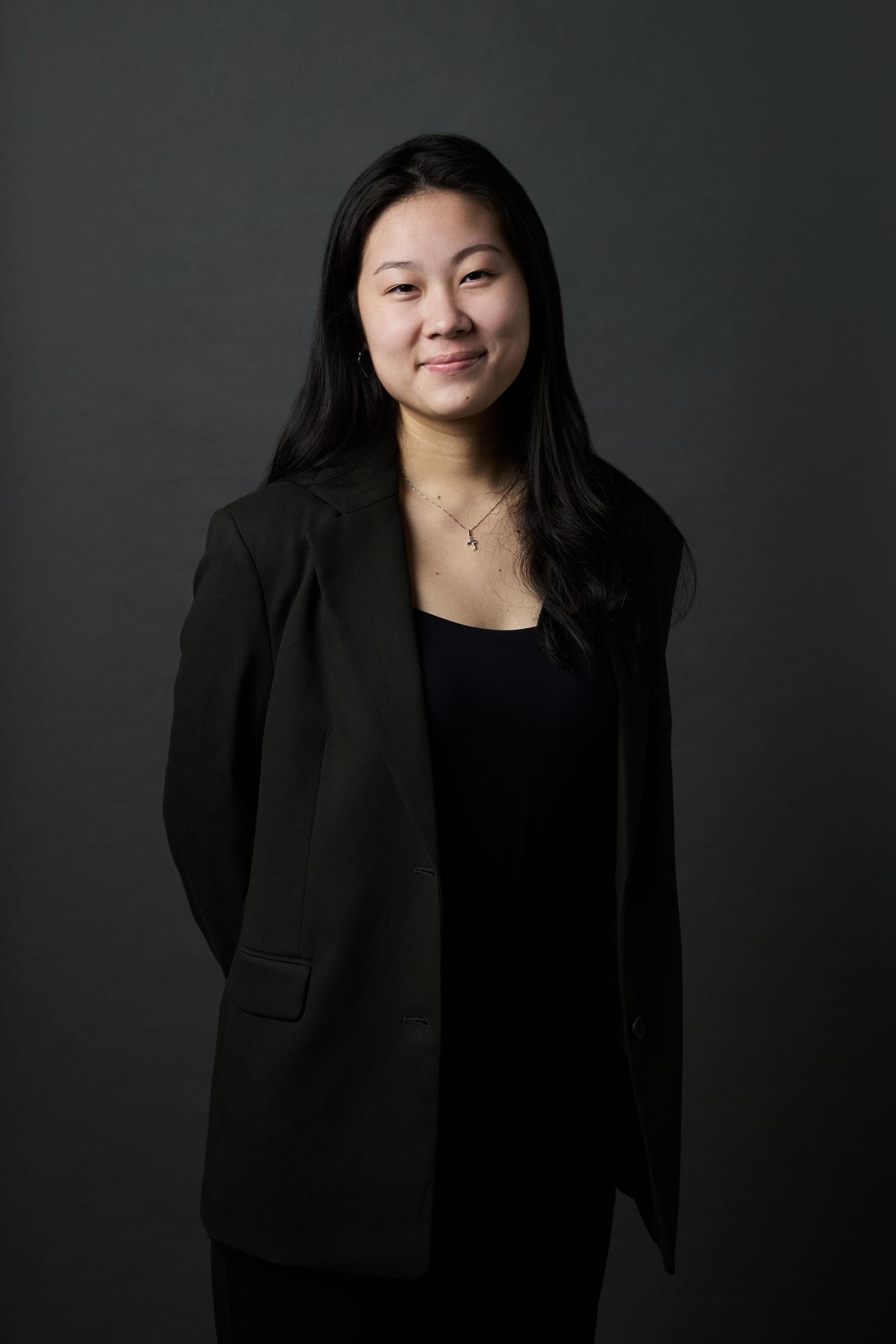
David Gan Chong Jin
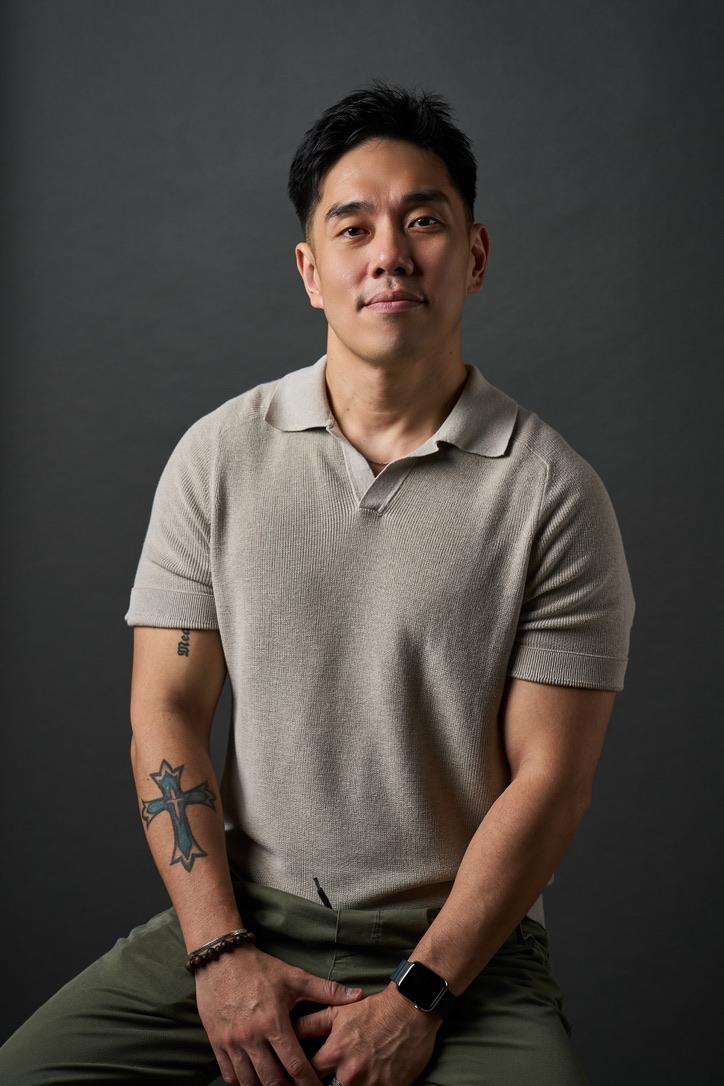
Neubronner Samantha Jean
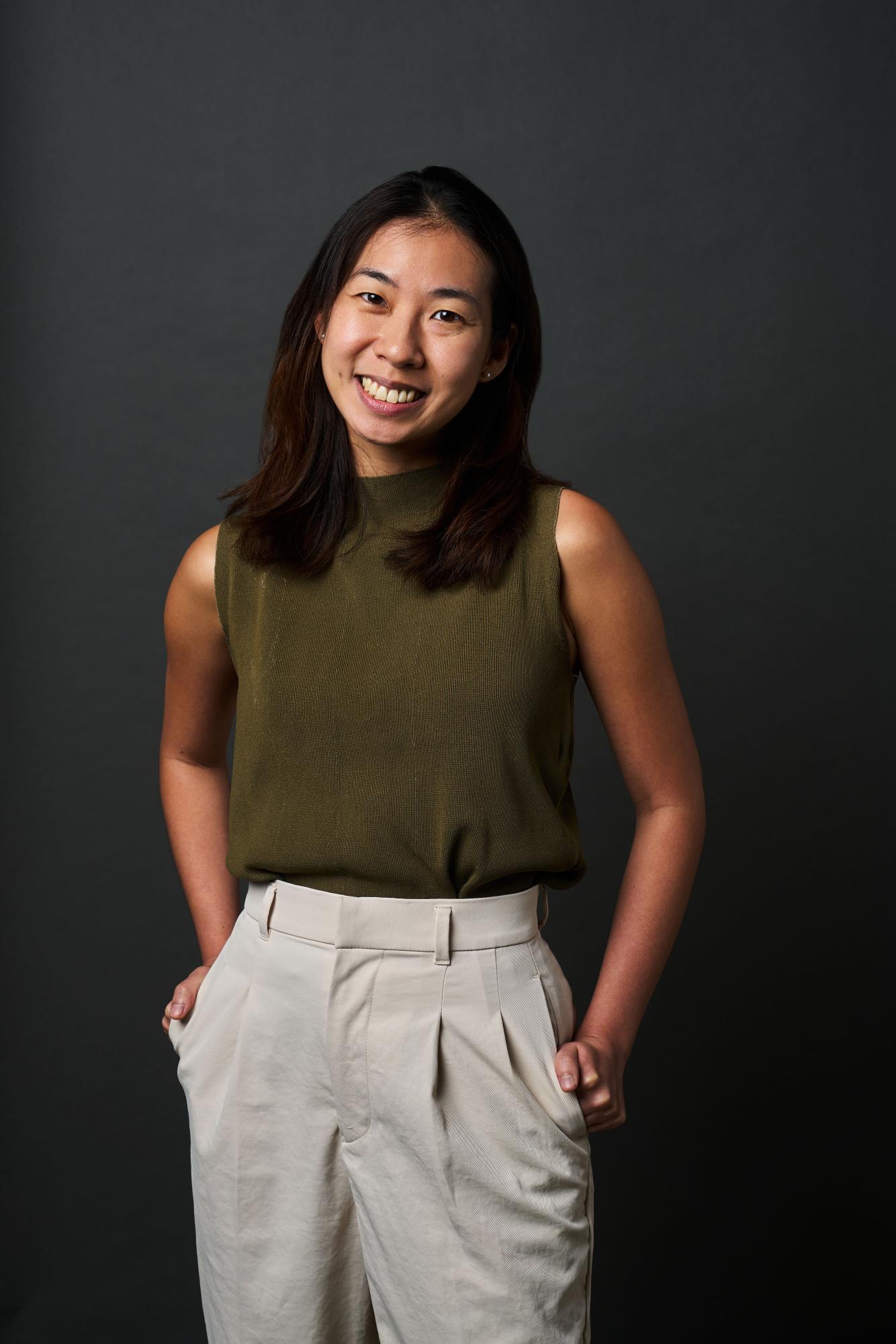
Claudia Tan Shilin
Liu Yi Wen