


About
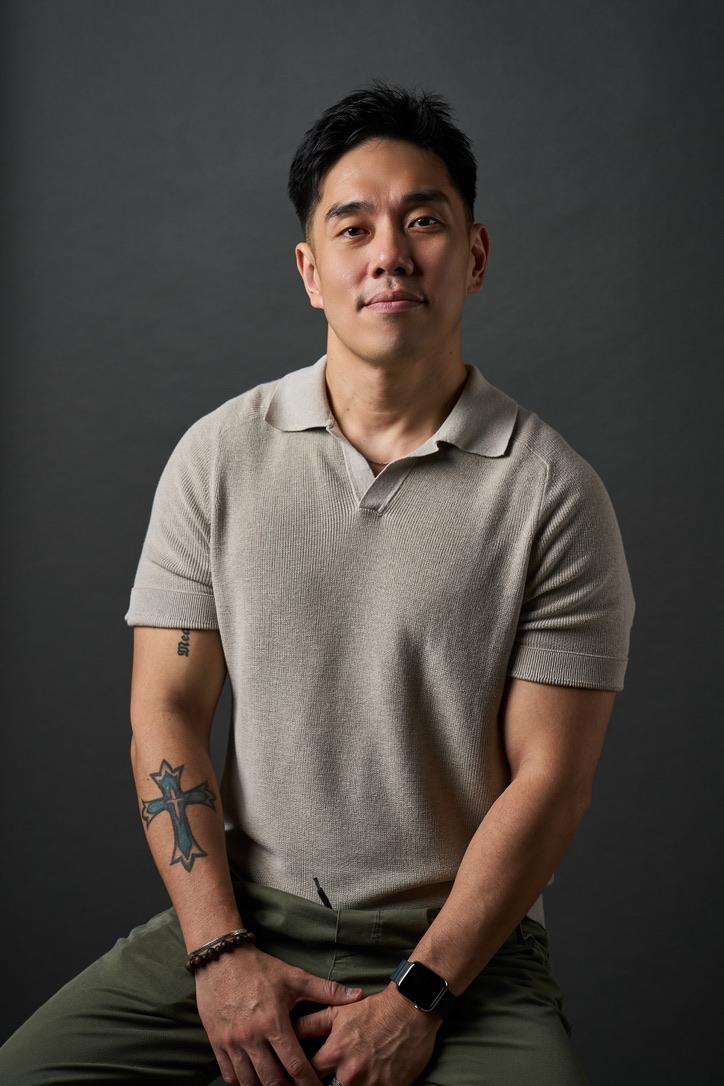
David is an artist, educator, and emerging art therapist. His clinical practice with cancer patients, individuals in addiction recovery, and LGBTQ+ communities is grounded in relational, trauma-informed care, with a focus on how creative processes support expression, reflection and meaning-making.
His artistic practice centres on text-based and participatory methods, working with narrative, poetry and collaborative authorship. Drawing on approaches such as poetic inquiry and transcription, his work explores how language can hold fragments of lived experience, particularly in contexts of vulnerability, care and transformation. He is interested in the tensions between what can be spoken, what resists articulation, and how meaning is shaped through shared acts of writing and interpretation.
David’s interdisciplinary approach reflects his background in arts education and his training in art therapy, bringing together pedagogical, clinical and artistic frameworks. His work often engages questions of voice, authorship and relational ethics, particularly in settings where stories are co-created across differences in experience and power.
He is a former recipient of the Public Service Commission (PSC) Scholarship and a recipient of the inaugural National Arts Council–University of the Arts Singapore (NAC–UAS) Scholarship (2024).
Writing Between Roles: An arts-based inquiry into poetic transcription as social action and art therapy practice by a text-based artist and emerging art therapist
The aim of this heuristic, practice-based arts-based thesis was to examine how poetic transcription could function as a form of social action-oriented art therapy practice and research within the context of LGBTQ+ lived experiences of identity navigation and addiction recovery in Singapore.
The thesis centred on The Centurions, a sequence of transcript poems developed from an extended interview with a gay male couple in addiction recovery. The findings suggested that poetic transcription could operate not simply as a representational tool but an analytical and relational practice in which meaning emerged through how language as a form was shaped.
Through poetic processes, emotionally charged material was organised into a form that could be held, witnessed and reflected upon. Ethical and aesthetic considerations were shown to be intertwined, with attention to authorship, consent and representation impacting the creation and presentation of the work.
The work of poetic transcription served to amplify the testimony of marginalised voices, and engage with lived experience in an ethically grounded and relationally attuned way. A clinical vignette in the thesis further demonstrated how poetic processes were translated into art therapy practice, highlighting the potential of imagistic poetry writing for supporting emotional regulation, symbolic expression and reflective insight, particularly for clients who may struggle with visual art-making.

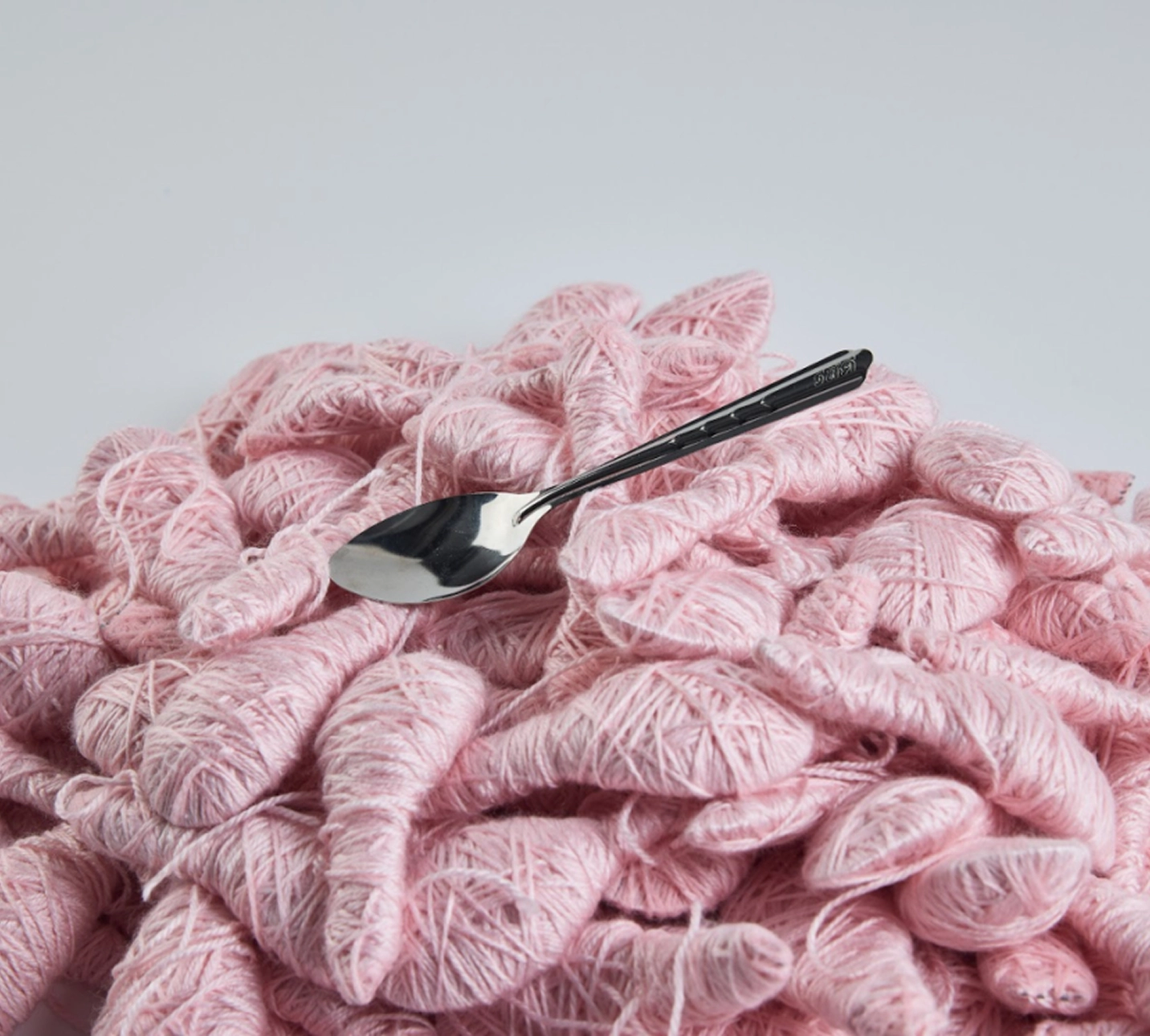
The Centurions (2026), installation view
The Centurions
The Centurions is a sequence of poems shaped from an extended interview with a gay couple in Singapore journeying together through addiction and recovery.
Across the poems, their voices trace how intimacy, love and care is tested and sustained over time. Working closely with the rhythms of spoken language, extracts are shaped into poetic form without seeking resolution or explanation.
Developed collaboratively with the participants, the work attends to questions of voice, authorship and representation.
The Centurions forms part of an ongoing project, Songs of Innocence and of Experience—A Testimony in Chorus, which explores collective testimony in contemporary queer Singaporean contexts.
David extends his heartfelt thanks to Buttsy and Sylvia (pseudonyms), his artistic collaborators on The Centurions.
Professional practice
David completed his clinical internships in psychosocial oncology and substance use recovery settings, where he facilitated individual and group art therapy programmes and contributed to multidisciplinary team discussions supporting holistic care.
Alongside his clinical work, he engages in artistic and healthcare discourse. He exhibited at the Singapore Medical Humanities Conference 2025, contributing to cross-disciplinary conversations on the role of the arts in healthcare and medical education. He also presented on poetic transcription as an arts-based research method at the Society of Behavioural Health Singapore (SBHS) Annual Scientific Meeting 2026, as part of a plenary session on self-care in behavioural health.
David's exhibitions include To Have and to Hold at Thought Partner Studio (2025), among other institutional shows.
Singapore Medical Humanities Conference 2025
Exhibited a series of artworks exploring text-based mark-making, narrative and material processes as modes of engaging memory, care and lived experience.
Drawing on art therapy concepts such as containment, holding, and co-regulation, the works examine the relationship between internal experience and external expression within clinical and caregiving contexts.
Singapore Behavioural Health Society Annual Scientific Meeting 2026
Presented on the use of poetic transcription as an arts-based research method in art therapy.
Drawing on clinical and interview-based material, the presentation explored how poetic form can hold ambiguity, emotional nuance and lived experience, particularly in relation to identity, care and marginalisation. It also addressed ethical considerations of representation, consent and relational responsibility in working with narrative material.
Exploring the role of trauma in underpinning sexualised drug use (‘chemsex’) among gay, bisexual and other men who have sex with men in Singapore
Tan, R. K. J., Phua, K., Tan, A., Gan, D. C. J., Ho, L. P., Ong, E. J., & See, M. T. (2021). International Journal of Drug Policy, 97, 103333. https://doi.org/10.1016/j.drugpo.2021.103333
Clinical internship
Liu Yi Wen
Liu Xiaoyu
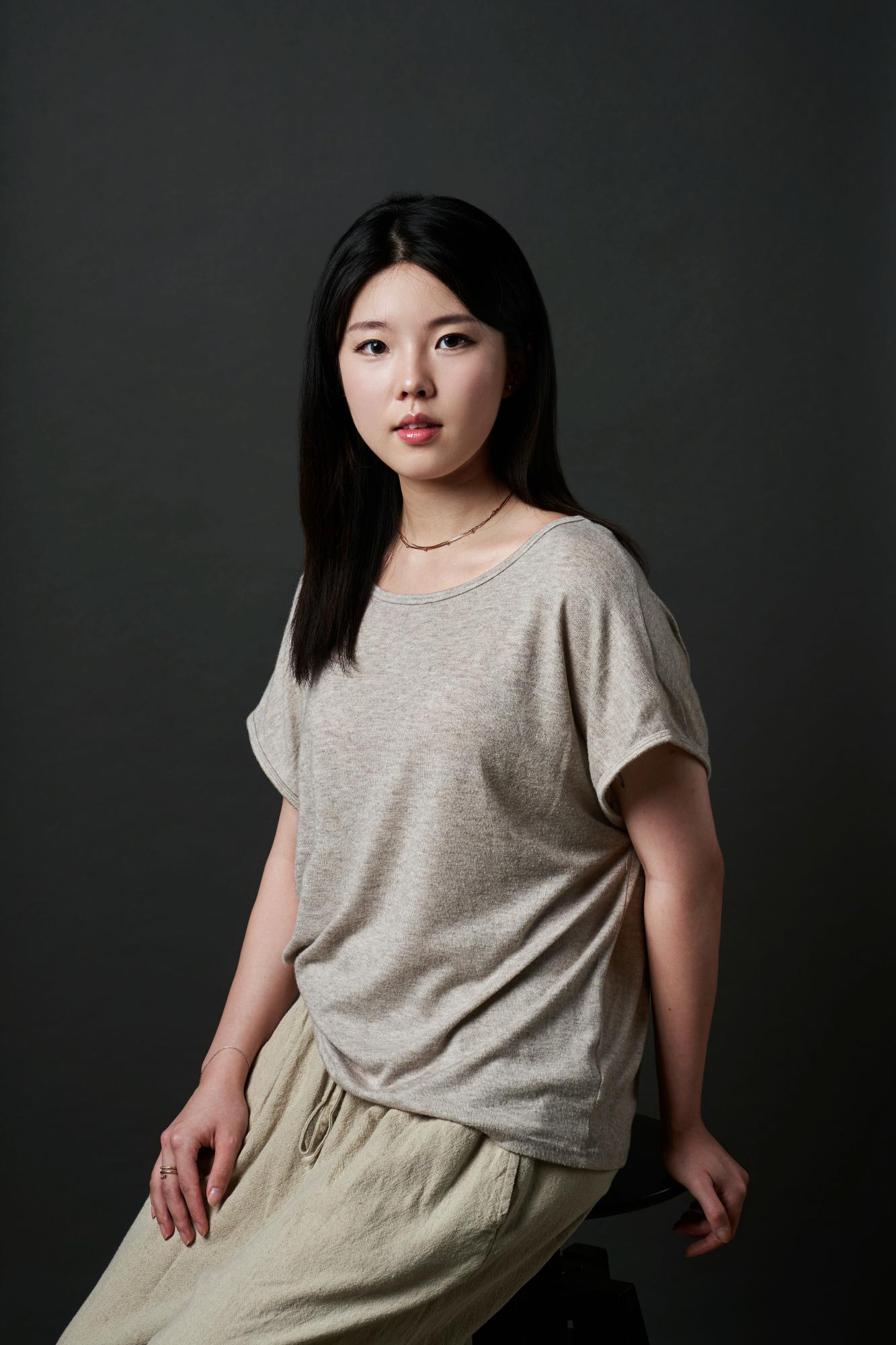
Low Yu Neng (Lyn)
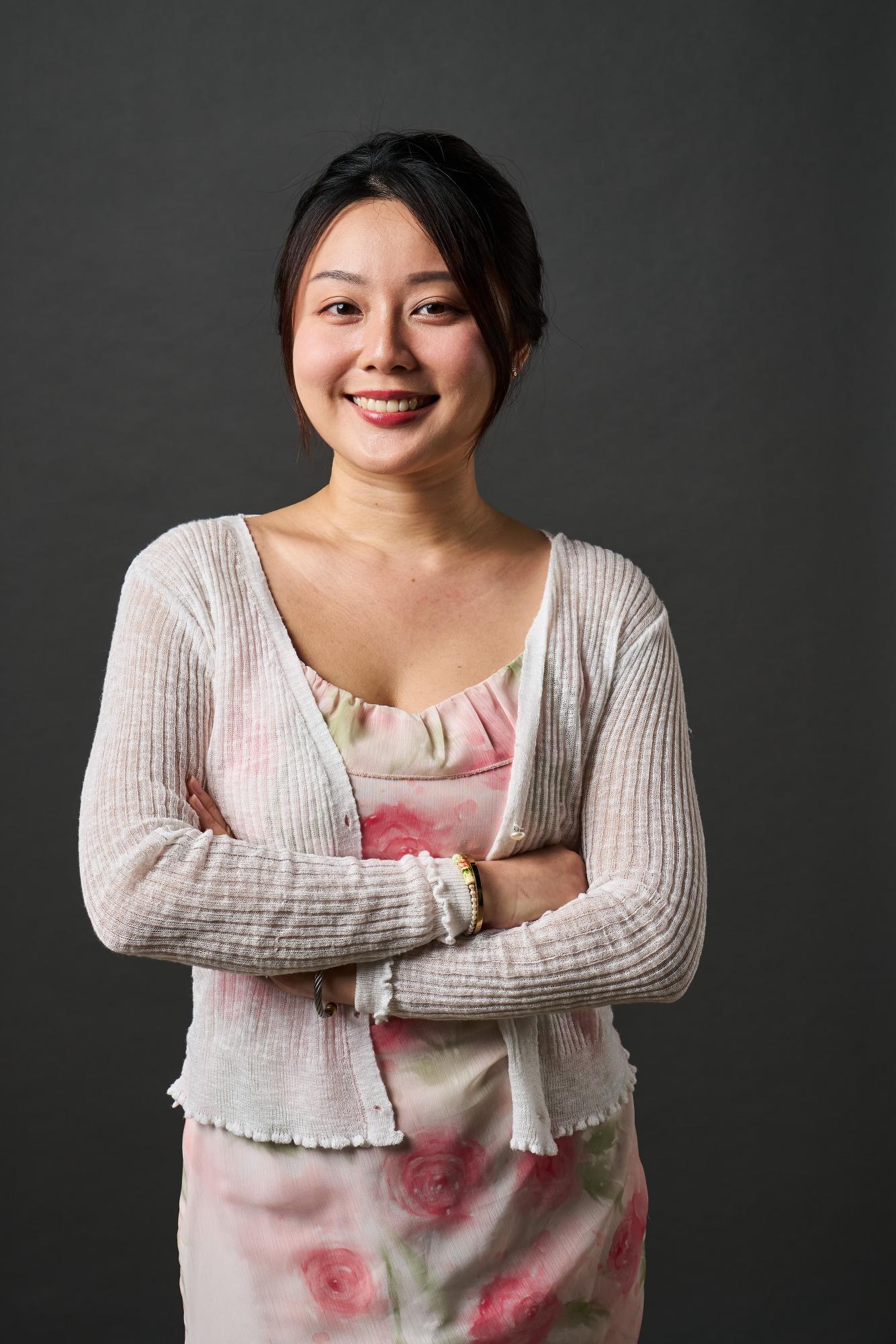
Tan Yun Yie, Elaine

Nathanael Koh

Anandi Mehra