

About
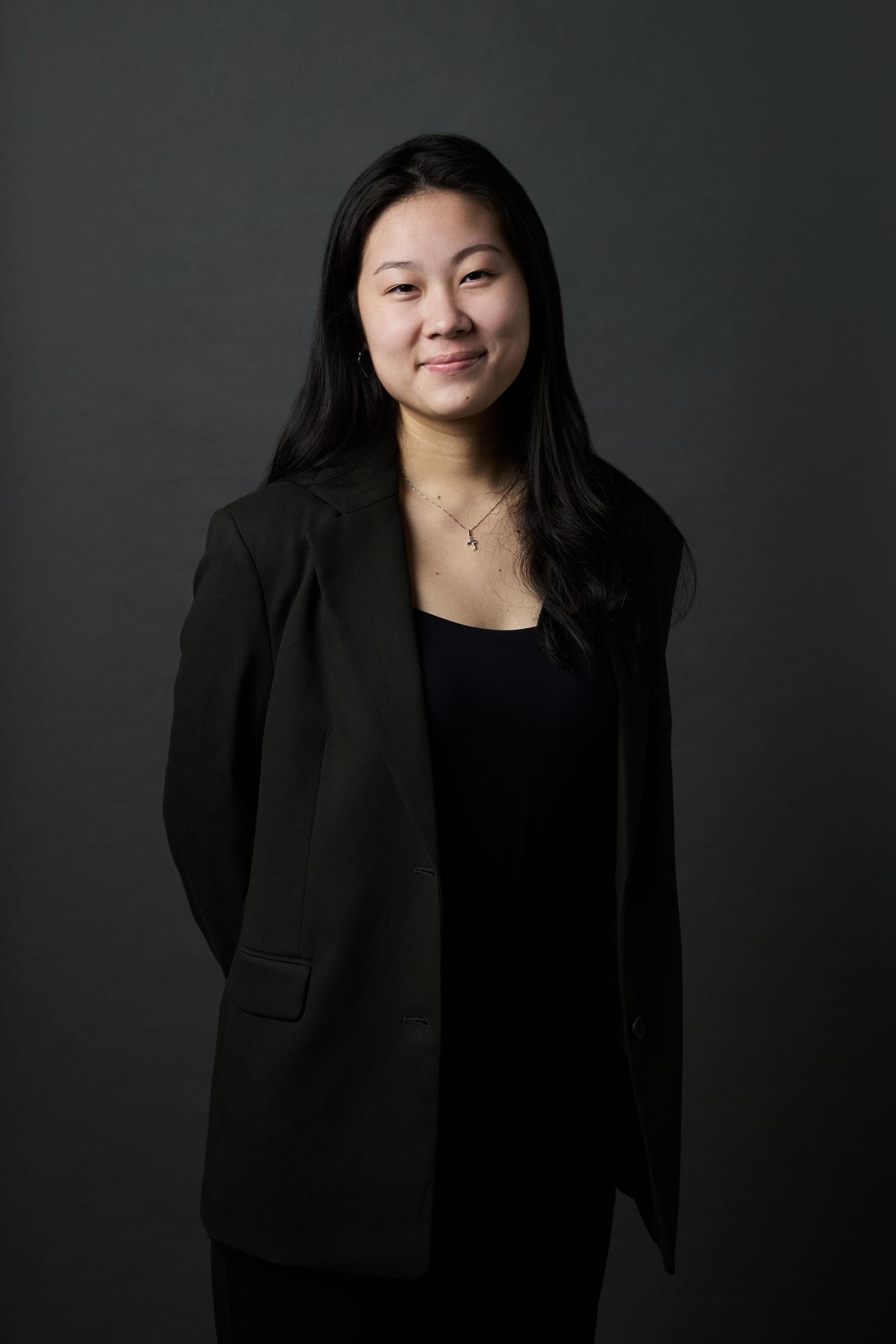
Nathanael has a background in human resource management, psychology and fine art, which has informed his journey towards becoming an art therapist.
As a fine artist, he believes strongly in the healing power of art. His practice focuses on establishing a safe environment to foster emotional expression and growth through art therapy.
Left to their own devices: A qualitative study of the inter-relationship between video games and art therapy in a secondary school for adolescent males in Singapore
This thesis adopts a qualitative, practitioner-based approach and explores how technology and concepts of gaming can be used within the space of art therapy, in the backdrop of the digitalised modern world.
The thesis explores the question of the therapeutic implications of art therapy in addressing the evolving needs of Singapore’s secondary school students.
Findings compiled from a single vignette were centred around art therapy with a secondary school student utilising personal devices, video games and play as a creative process within the scope of art therapy. The sessions took place over a year-long clinical placement in a secondary school setting.
The outcomes suggest that the integration of personal devices, video games and play can enrich the art therapy experience for the younger generation. Thus, providing a comprehensive and more diverse experience that encourages emotional well-being and growth through a creative digital medium.

Memory
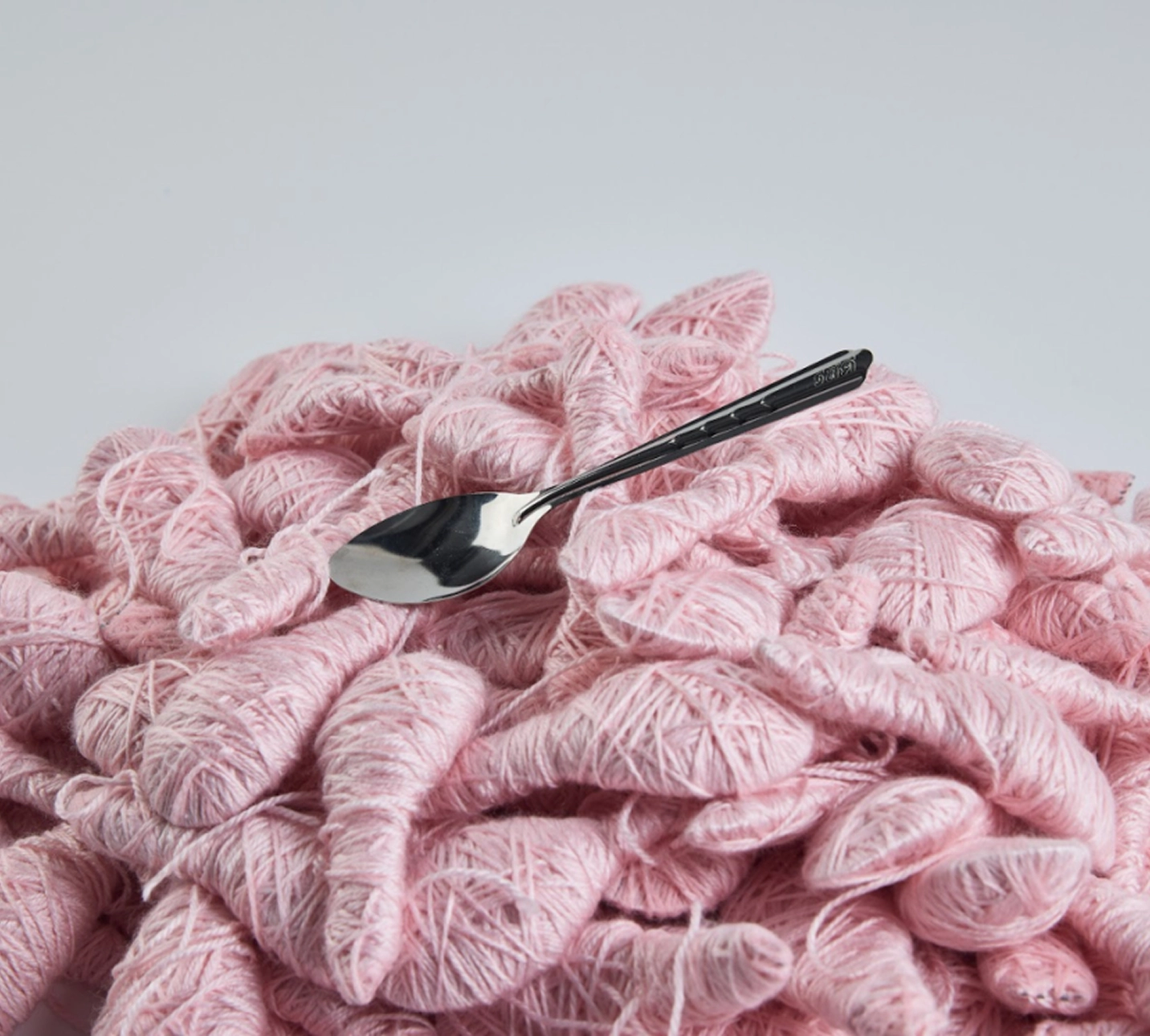
Using pen and ink, Nathanael explores ideas of nostalgia and memory, as well as permanence and impermanence.
His subject matter draws from photographs taken by himself or loved ones, from memory and from fleeting moments encountered in everyday life. The permanence of ink, the impermanence of digital photography and the fluidity of memory form an in-between space that his drawings seek to connect.
Here, ink becomes a physical manifestation of memories and images that otherwise exist in a non-physical realm.
Professional practice
Nathanael has experience working in both group and individual settings.
His first clinical placement was at a day activity centre for persons living with Parkinson's disease, where he provided group art therapy sessions tailored towards his client population's needs.
His second year-long placement was in a secondary school with adolescents, where he worked within a multidisciplinary team to assist those with special needs through art therapy.
Clinical internship
Val Wai
David Gan Chong Jin
Anandi Mehra
Low Yu Neng (Lyn)
Lim Syl-vyn
Enya Tay En-Ya