



About
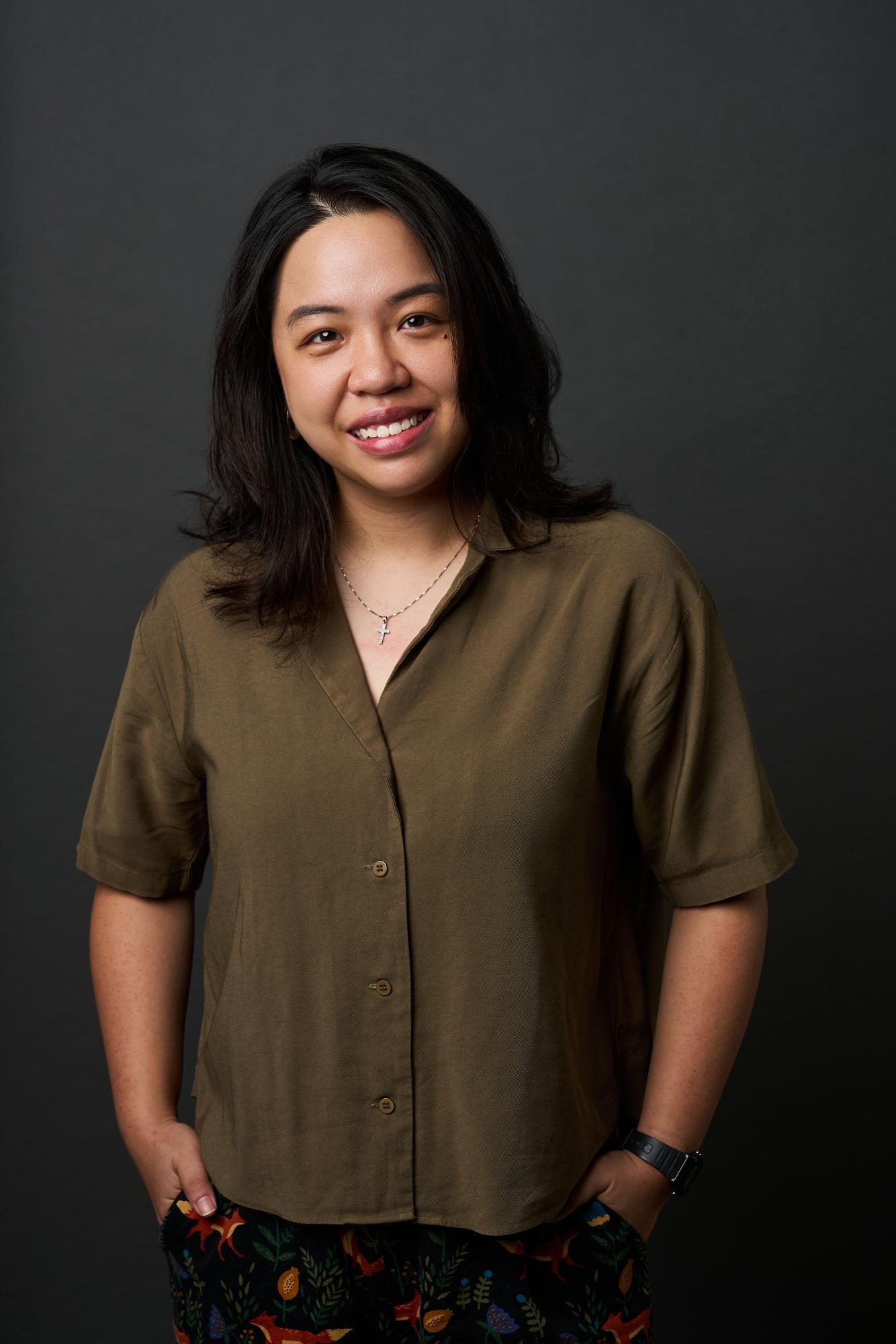
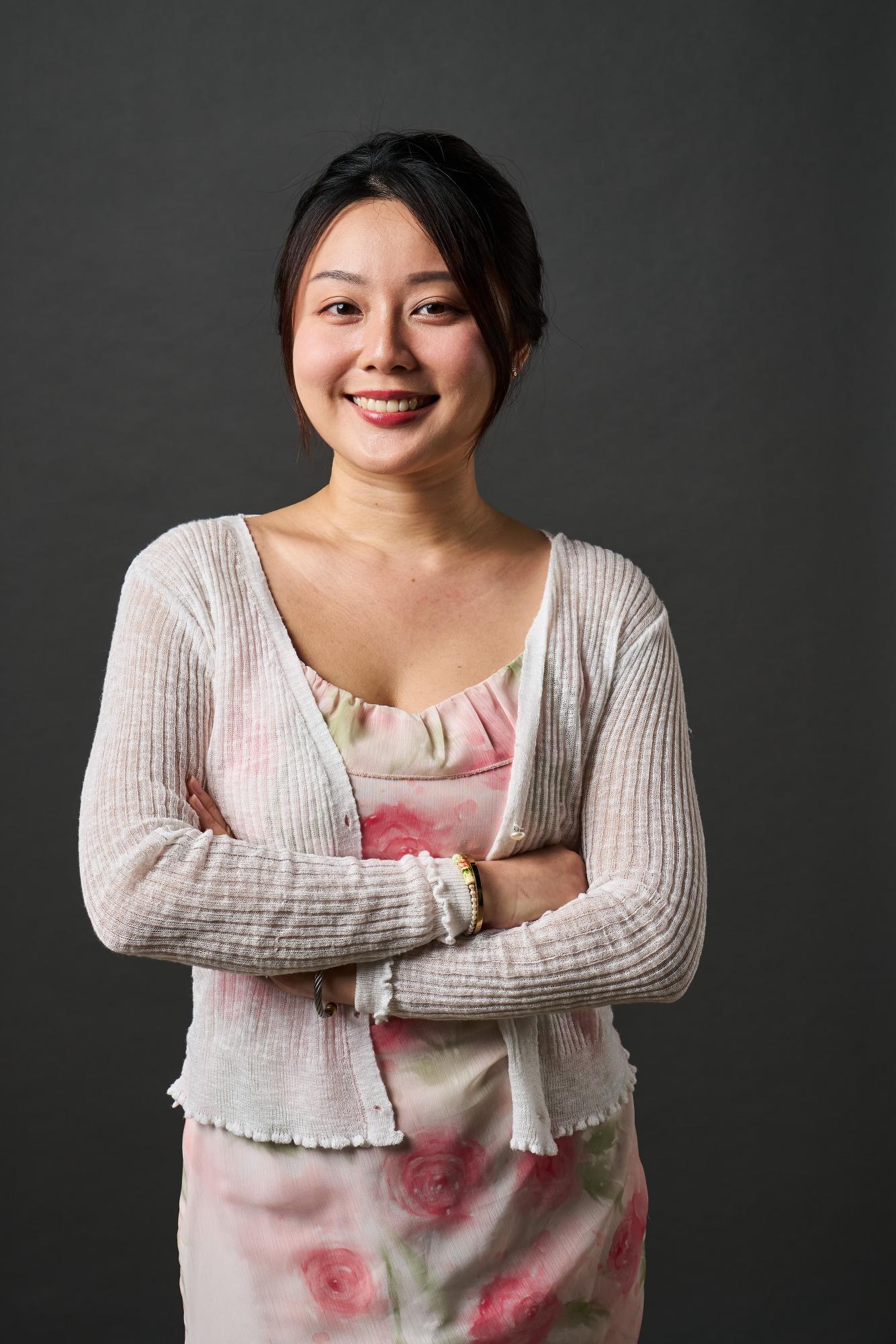
Claudia is a social worker and emerging art therapist who believes in the power of imperfect presence. She honours the uniqueness of each individual and trusts the strength each person holds, even within vulnerability. Her practice centres on creating a space where people can be witnessed as they are, allowing meaning and healing to emerge without the need to fix or change.
From performance to presence: A heuristic inquiry into how a developing art therapist finds professional identity and purpose through art-making
This thesis explores how art-making supports a developing art therapist in finding and understanding professional identity and purpose within her final year art therapy training.
Using heuristic inquiry, data were generated through El Duende One-Canvas Process Paining, weekly reflective journaling, and Betensky’s phenomenological observation to examine the researcher’s lived experience over eleven weeks of training.
Findings revealed four core themes that illustrate how art-making supported the researcher in making sense of her training, as well as her developing professional identity and purpose: aspiration and desire for protection, disillusionment and fragmentation, containment and struggle, and acceptance and integration. These themes reflect a development progress in how the researcher engaged in uncertainty, self-understanding and meaning.
In conclusion, art-making can help support one’s meaning making of their professional identity and purpose by enabling emotional containment, safe space for exploration and reconnection with purpose. The findings reinforce the value of art-making as a sustainable and experiential approach that is already integrated within art therapy training and supervision, while underscoring the need to place greater focus on its role in supporting therapist development.

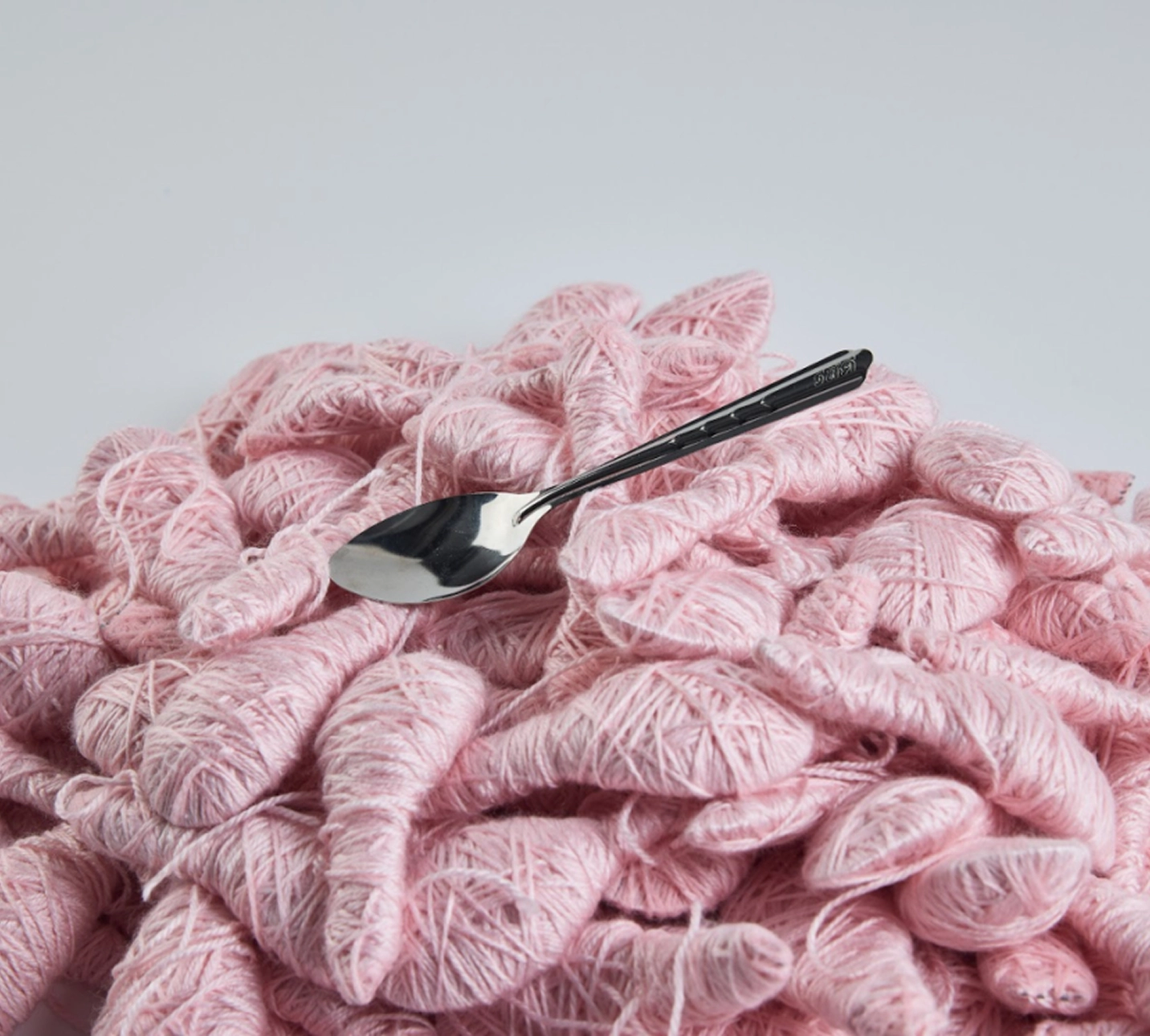
The Witnessed Seat
The Witnessed Seat grew from the tension between wanting to fix and learning to sit with imperfections. It is about being with another person as they make sense of their world, rather than trying to achieve outcomes.
Working with discarded chairs and materials reminds the artist that imperfection and discarded parts can hold meaning. Sometimes healing is not about improving or repairing, but about staying with what is imperfect, acknowledging it and meeting it with kindness of each individual and trusting in the strength that exists, even within vulnerability.
Professional practice
Claudia believes in the power of imperfect presence within the therapeutic space. Her art therapy practice offers a contained and compassionate environment where individuals can explore, express and make meaning of their experiences through art-making. She works with care and attunement, holding both the structure of the space and the emotional depth that can emerge within it.
Clinical internship
Anandi Mehra
Val Wai
Low Yu Neng (Lyn)
David Gan Chong Jin
Tan Shu Hui, Rachel
Nathanael Koh
