

About
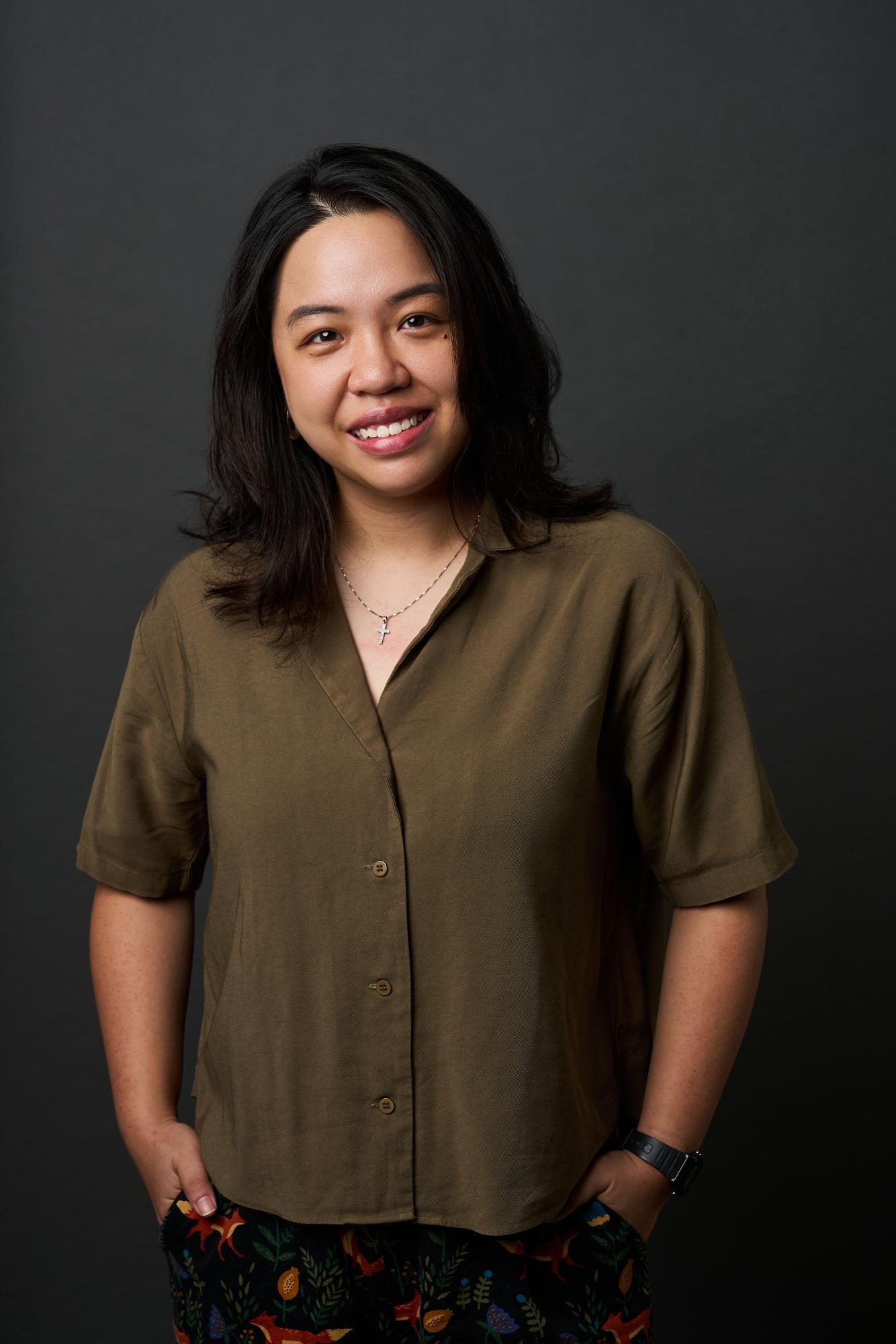
Rachel is an emerging art therapist with a background in graphic design.
Her work is grounded in the values of witnessing, attunement and holding space—particularly within quiet, relational moments that often go unseen.
Rachel is deeply interested in exploring what it means to be fully present with oneself and with others.
To hold and to be held: Exploring the concept of holding and shared spaces within art therapy with children living in a residential home in Singapore
The aim of this thesis was to explore the concept of 'holding' within art therapy practice, with particular attention to how holding is experienced not only by clients, but also by the therapist.
Informed by an auto-ethnographic and multi-modal qualitative approach, the thesis draws on multiple case vignettes from work with children in a residential care setting. Through these cases, the concept of holding will be explored across physical, emotional, and symbolic dimensions.
Findings show that holding in art therapy is not one-directional, but a relational one, where both the client’s and therapist’s experiences may deepen awareness of how safety, connection, and transformation are cultivated within creative therapeutic spaces.

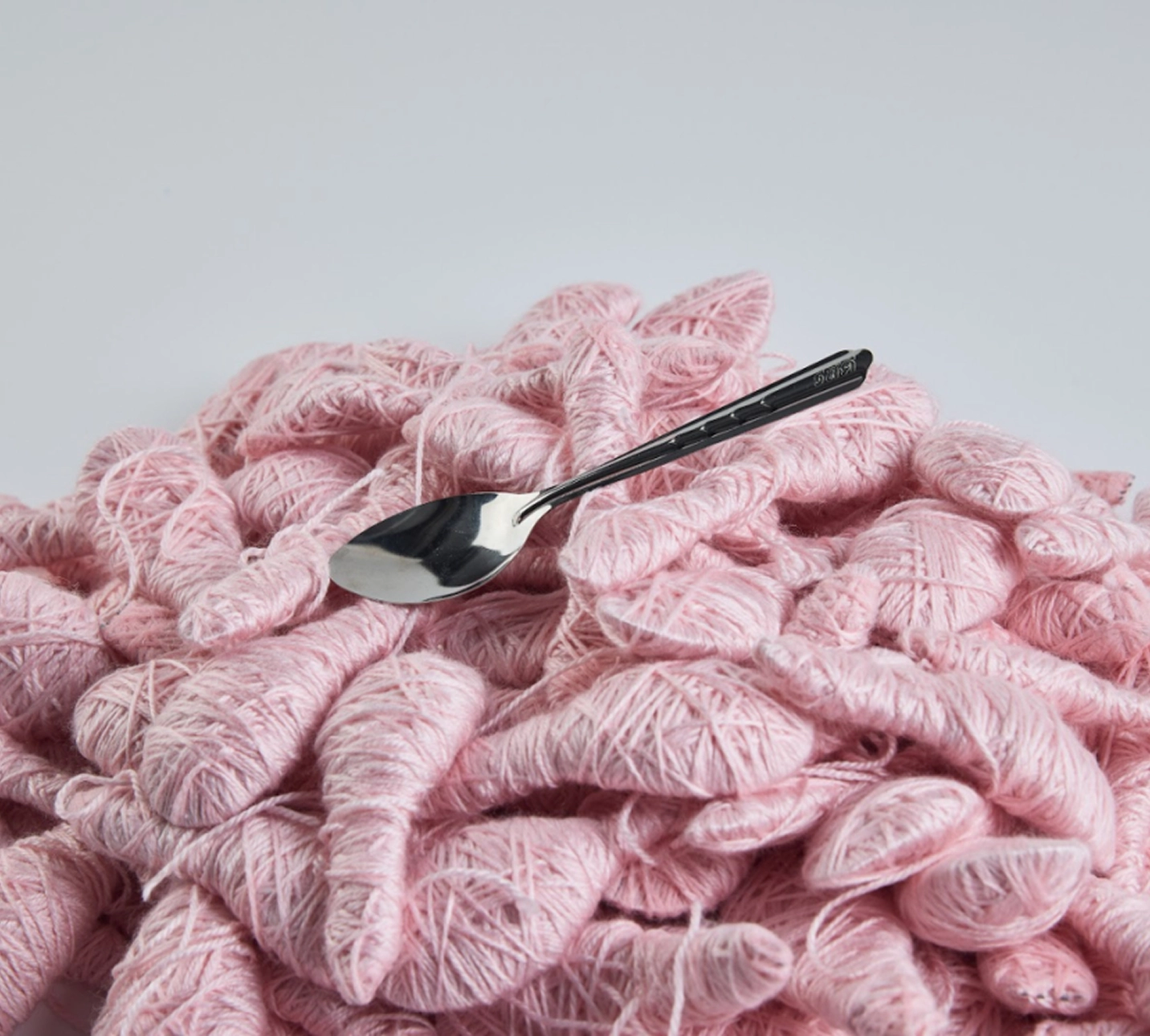
Bloom As You Are
Bloom As You Are explores the idea of allowing yourself to be led, to follow what flows rather than force what forms. Inspired by her experience working in a children’s residential home, this work reflects on the quiet resilience of the children.
The submerged perspective evokes the emotional landscape of the children: at times, it may feel like being underwater, reaching towards light that is visible yet distant. It speaks of the hope that blooms and the strength to grow, even when placed in constrained or turbulent environments.
Professional practice
Rachel completed her first clinical placement in a nursing home and day activity centre, where she developed a strong sensitivity to non-verbal communication and an appreciation for consistency and care.
In her second placement, she worked with vulnerable children in a residential setting, creating safe, relational spaces for expression and connection.
Clinical internship
Anit Kaur

Liu Yi Wen
Tan Yun Yie, Elaine

Claudia Tan Shilin
Liu Xiaoyu
Lim Syl-vyn