


About
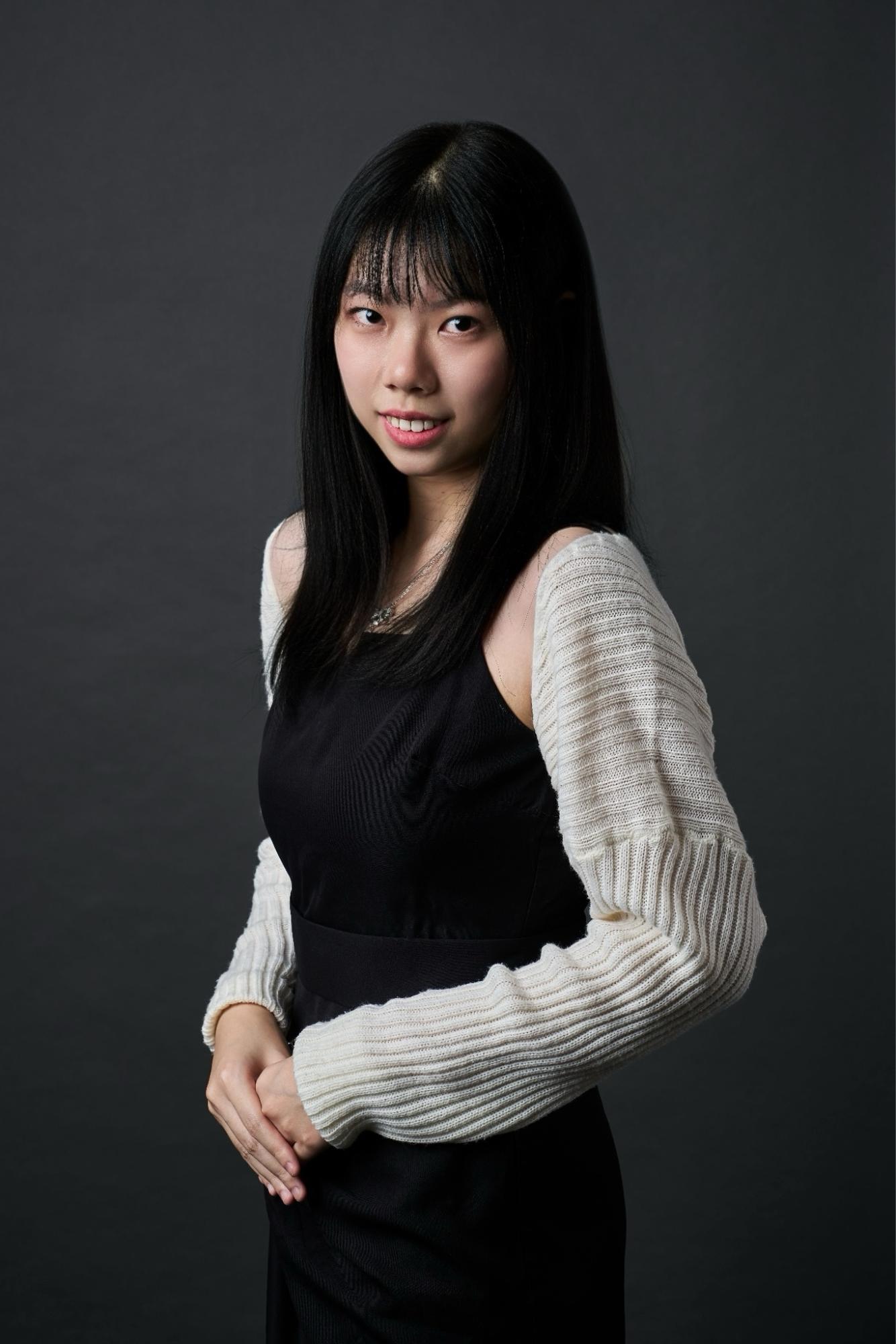
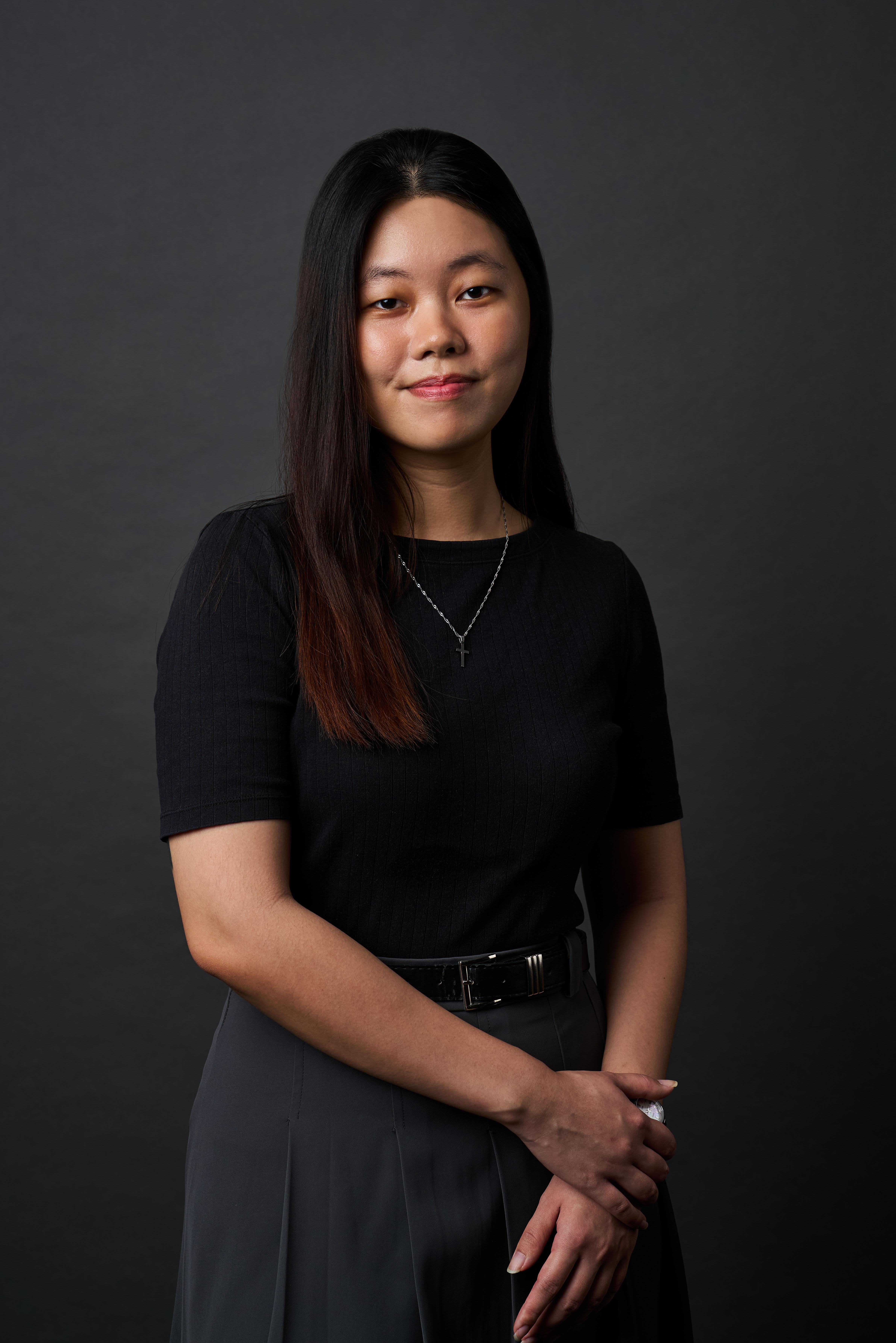
Jenise is an interdisciplinary arts and community practitioner, whose work explores how people engage with arts across both physical and digital spaces.
Her practice is rooted in fostering inclusive participation and creating accessible points of connection for diverse audiences. Her research interests lies in audience engagement in hybrid virtual-social environments, digital intimacy, contemporary cultural participation and the impact of these experiences on social well-being.
Her work is also informed by arts marketing, exploring the intersection of arts, technology and interdisciplinary collaboration. She is particularly drawn to design thinking and pitch development as tools for reimagining how audiences encounter and participate in the arts.
In 2025, she participated in an elevator pitch for a cross-discipline module at the Innovation in Healthcare Workshop, developed in partnership with Changi General Hospital, Singapore University of Technology and Design and LASALLE College of the Arts. During the workshop, she explored art and design solutions in a healthcare context and emerged as the winning team amongst eight other teams.
Parasocial relationships with virtual idols and young adults (aged 18–24) real-life social bonds: Examining substitution and complementarity
The digital age has seen a surge in virtual idols, particularly growing in popularity among young adults. This has transformed how young adults experience intimacy in the digital world, reshaping ways in which individuals fulfil unmet psychological and social needs through emotional bonds within a digitally constructed persona. This blurs the boundaries between the virtual realm and reality, giving rise to parasocial relationships (PSRs) which are defined as one-sided emotional bonds.
Situated within the fields of arts management, digital culture and media studies, this dissertation examines the growing phenomenon of PSRs between young adults and virtual idols. The rapid development of digitally constructed performers has transformed contemporary modes of cultural consumption, introducing new forms of mediated intimacy that blur distinctions between virtual and social reality. Existing scholarship states that PSRs are increasingly significant to how individuals experience connection and intimacy in the digital age, against the backdrop of the Uses and Gratifications Theory.
PSRs have been widely discussed, presenting divergent perspectives and its implications. On one hand, they can offer emotional comfort, companionship and a sense of belonging, especially for individuals navigating identity formation or transitional life stages, and may support socio-emotional development. Conversely, some scholars suggest that PSRs foster unrealistic expectations of intimacy and emotional dependency, cautioning intense parasocial attachment. These debates highlight that PSRs are complex social phenomena whose effects are neither wholly beneficial nor inherently harmful.
However, much of existing literature focuses on human celebrities and social media influencers, leaving parasocial bonds with non-human agents—particularly highly interactive virtual idols—underexplored. Furthermore, there is limited research on how young adults interpret and negotiate boundaries between virtual and offline relationships.
Addressing these gaps, this study investigates the extent to which PSRs with virtual idols substitute for, or complement real-life relationships among young adults aged 18 to 24. It further explores how young adults perceive and make meaning of these relationships, and how such perceptions are associated with their offline social connections, sense of belonging and social well-being.
This study uses a qualitative approach using non-participatory digital ethnography, drawing data through social media posts from X (formerly known as Twitter) by fans of Korean virtual idol group, PLAVE. This data are examined for online expressions, fan discourse, interpretations and how young adults negotiate boundaries between virtual idols and real-life social bonds. The findings suggest that parasocial relationships can function both as substitutes and complements, depending on the user’s emotional and social context.
This study seeks to understand digital intimacy and contemporary cultural participation through an interdisciplinary lens, highlighting how such relationships intersect with identity formation, belonging and social well-being. It offers insights for arts and media practitioners who are looking to foster responsible audience engagement in increasingly hybrid virtual-social environments.
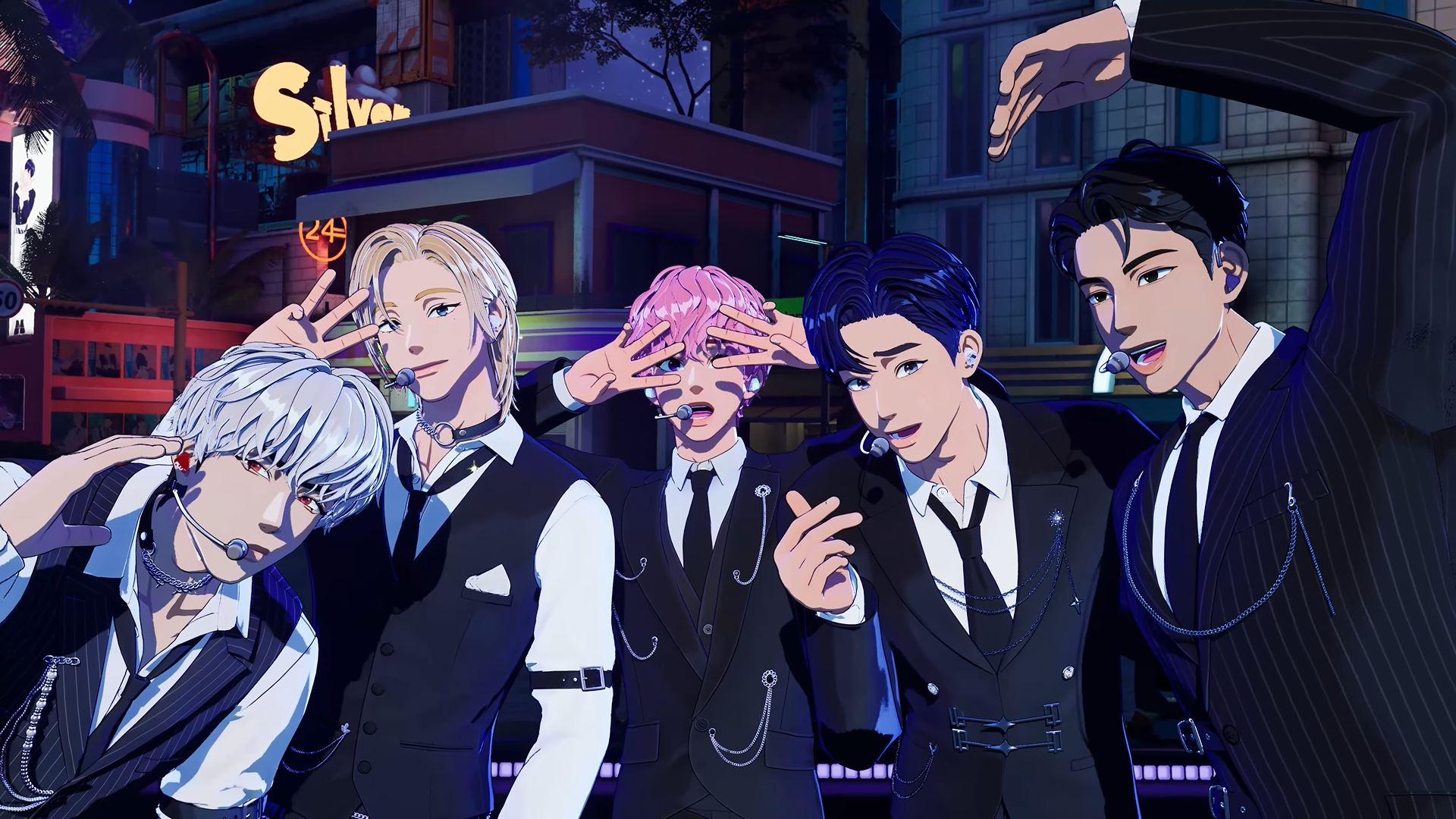
PLAVE 플레이브. "PLAVE 3RD ANNIVERSARY SPECIAL LIVE 💙💜🩷❤️🖤 | #플레이브 PLAVE | PLAVE Live Full Ver.
" YouTube video, 2:15:10. March 12, 2026. https://www.youtube.com/watch?v=NJGnK5DC2-c&t=2s.
Professional practice
Jenise's professional practice is grounded in community engagement and collaborative arts work, spanning both on-the-ground programming and digital outreach.
She works across social media, production and project coordination, with an emphasis on fostering inclusive participation and building meaningful relationships between artists, organisations and audiences.
LASALLE X Arts-ED: Community Building 2025
Arts-ED engaged LASALLE students to produce a strategy for creating an environment in which collaborators find meaning in long-term partnerships, effectively engage stakeholders, build capacity and retain artists, educators and cultural workers as Arts-ED collaborators.
Jenise contributed as the main partner liaison, researcher and interviewer.
Read more about the project here.
Changi General Hospital x SUTD x LASALLE Innovation in Healthcare Workshop 2025
In a place where every second can mean the difference between life and death, how can arts managers play a role in saving lives?
Over two intensive days, Jenise explored art and design solutions within a healthcare context, addressing real-world healthcare challenges by blending creative, design and engineering perspectives to develop innovative solutions.
Collaborating with SUTD students, she developed an elevator pitch and emerged as the winning team amongst eight other teams.
Read more about the event here.
Sharafah Malihah
Syahirah Afiqah
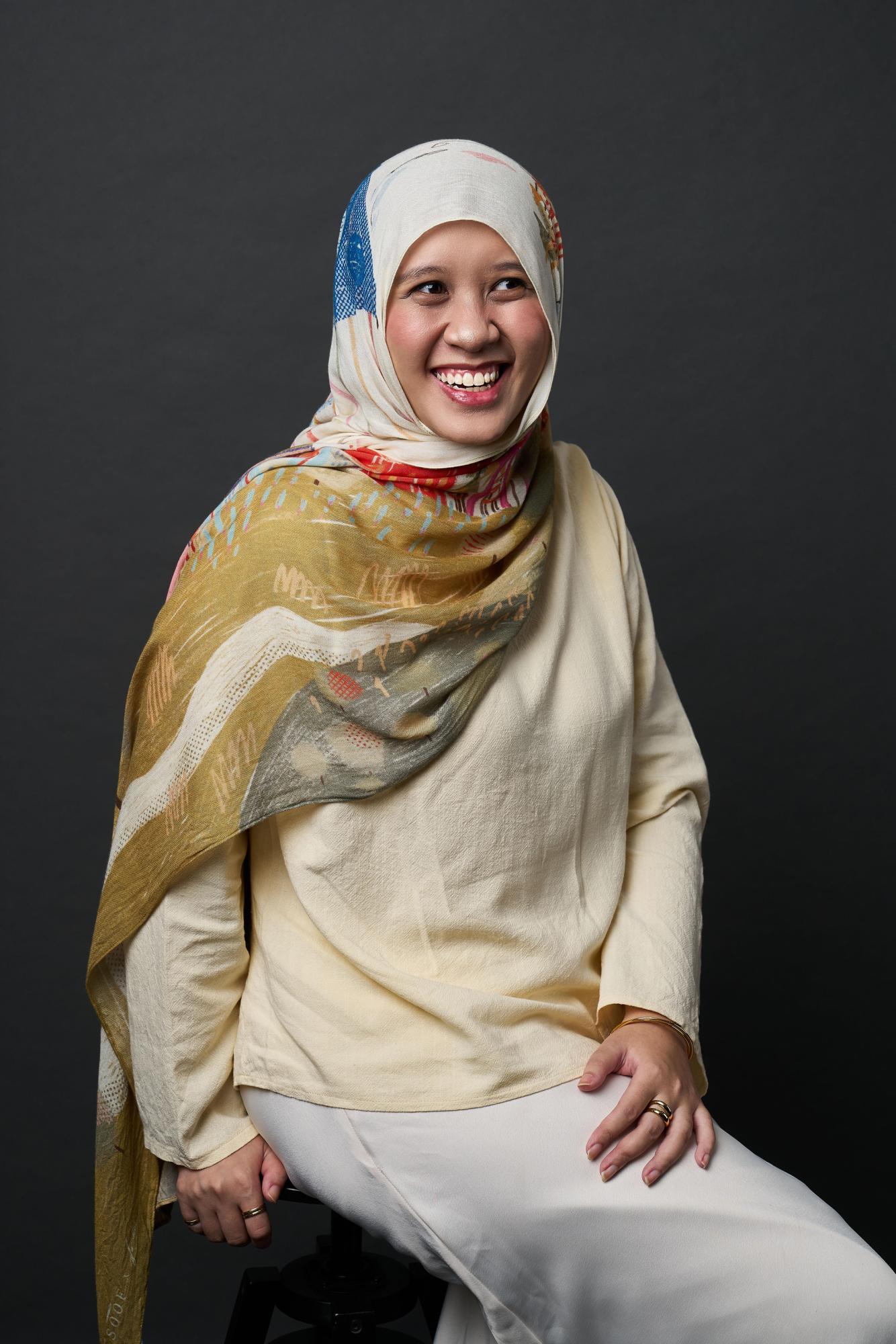
Dina Khaled
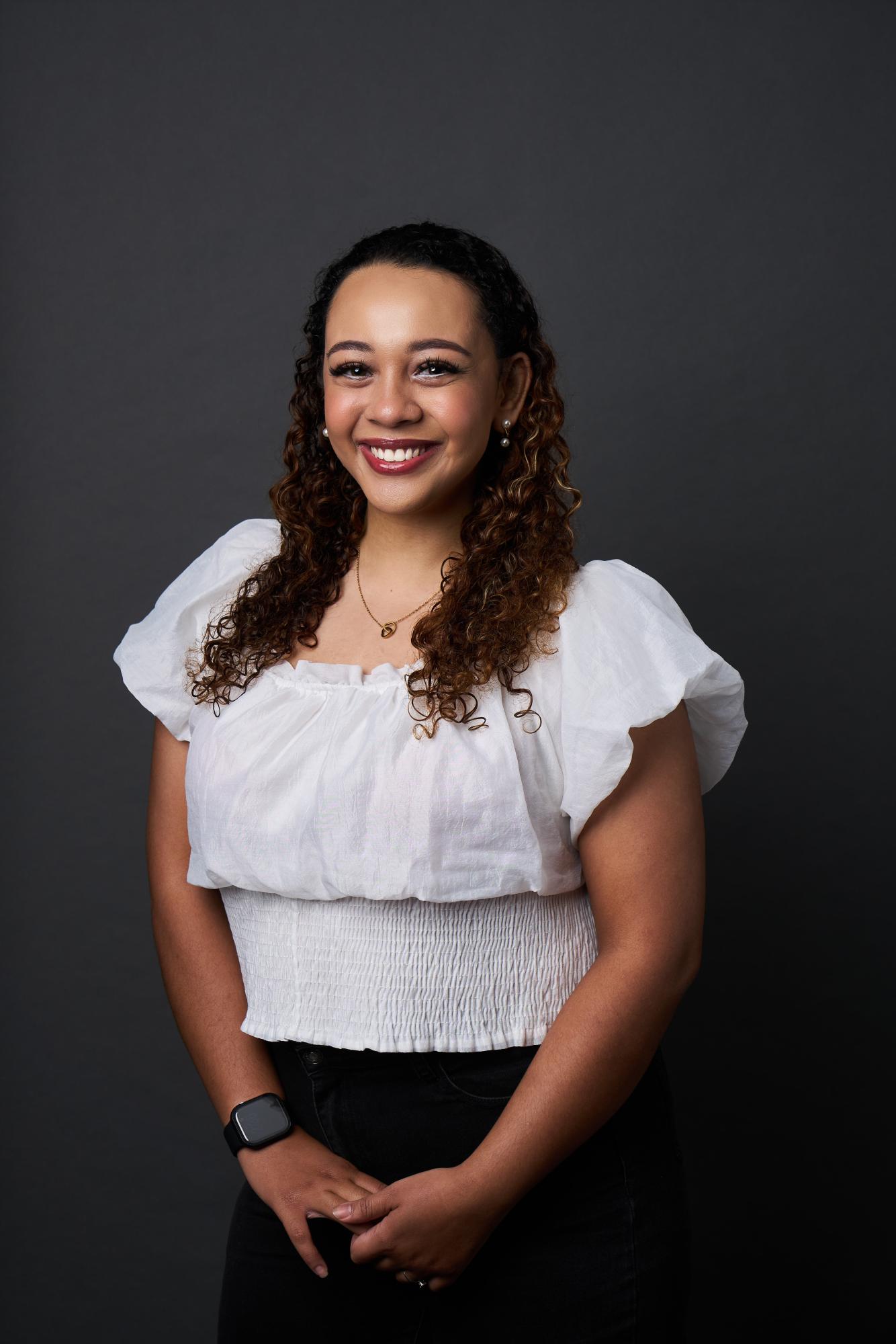
Katja Marie Kroonenberg
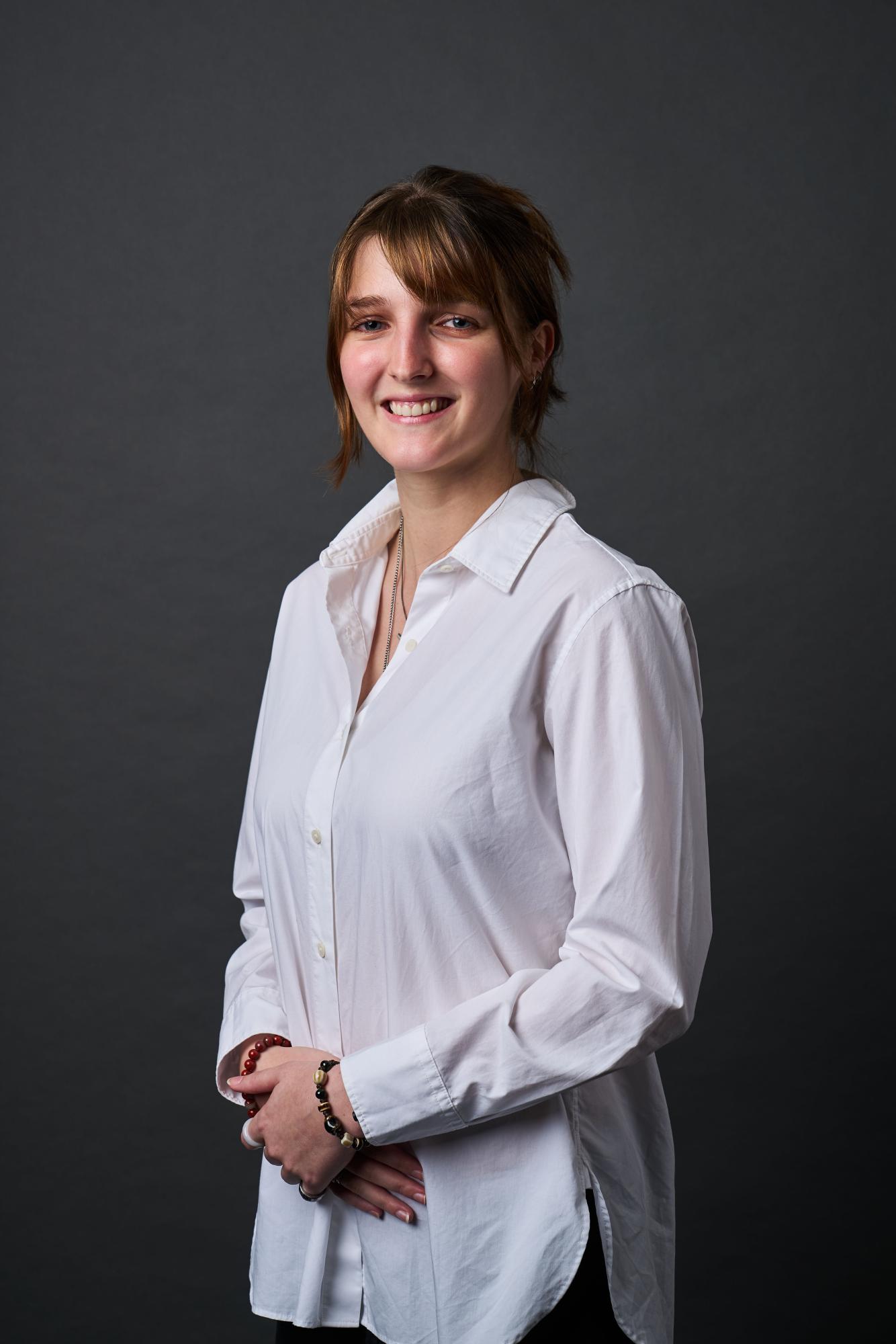
Budy Hartono Foo Bin Abdul Rahman
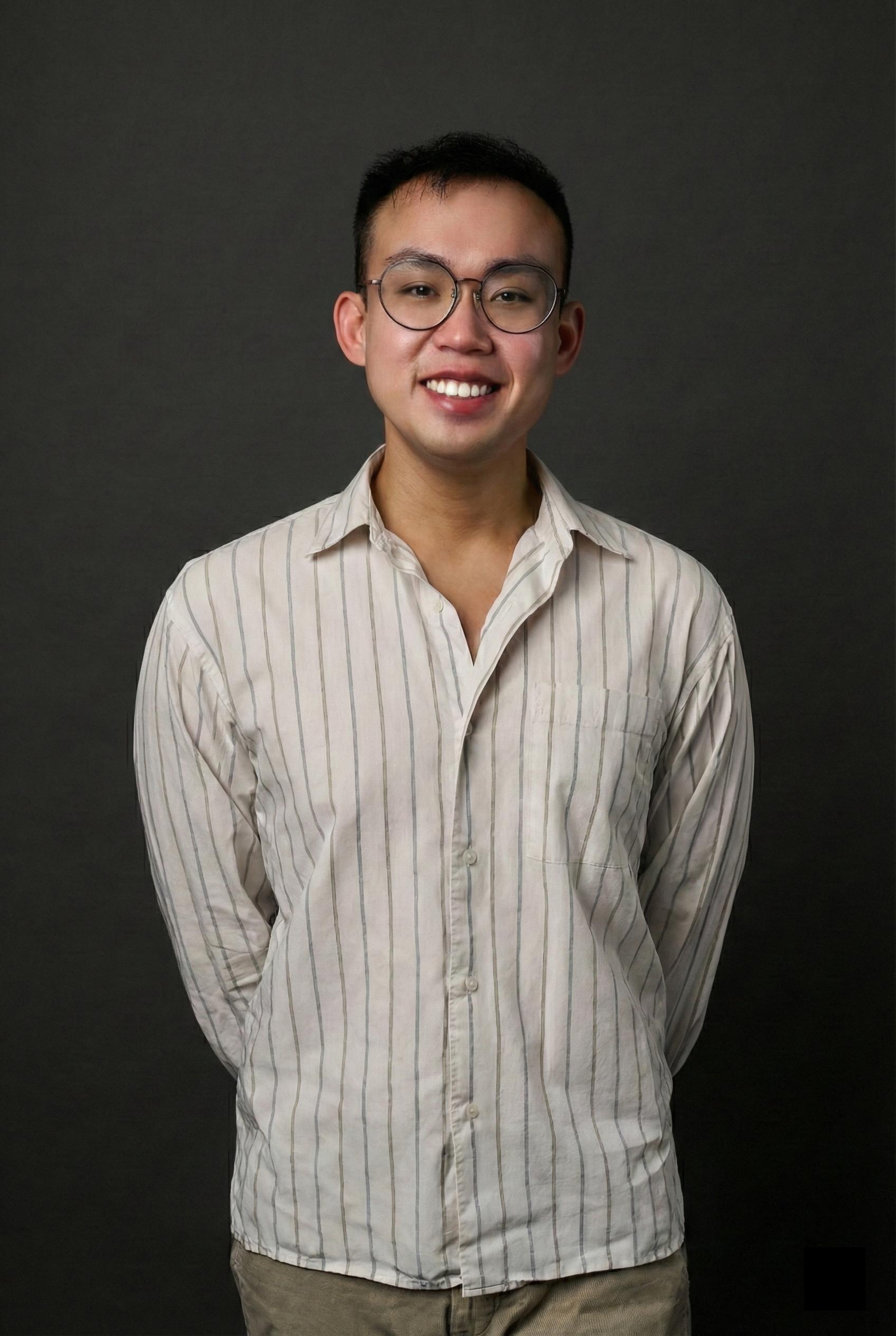
Choo Jing Wen