


About
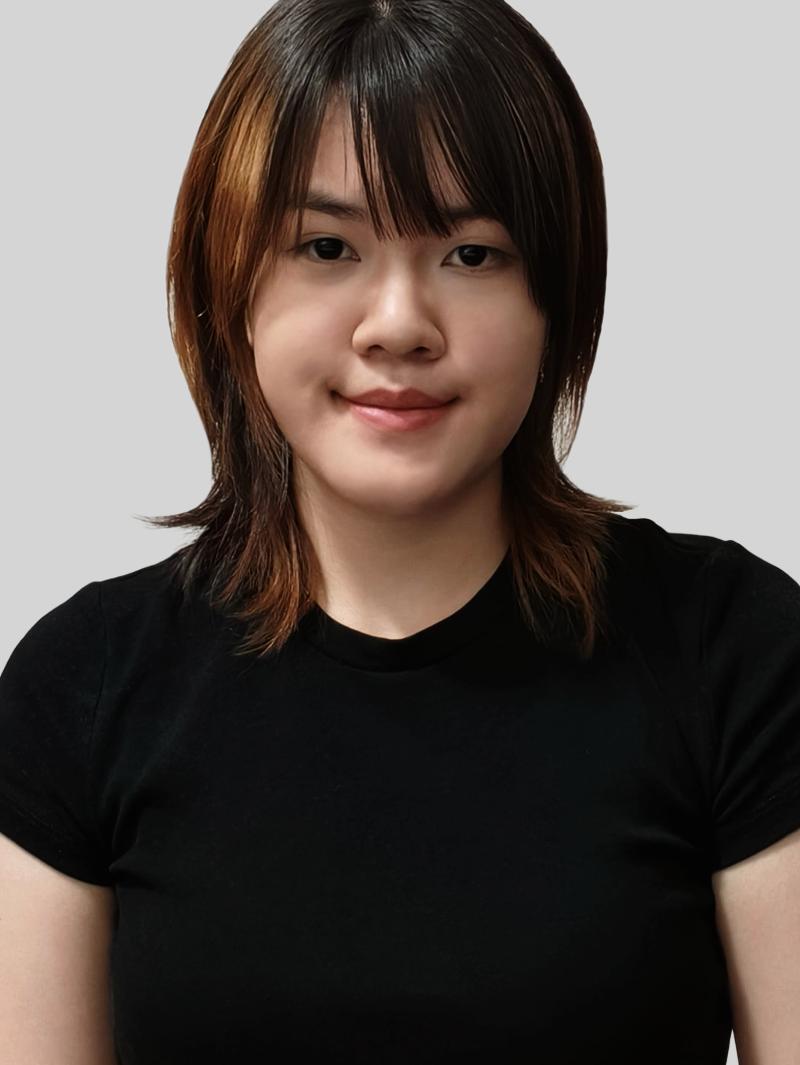
Jennifer is a designer with a love for illustration and print. Inspired by cultural systems and human behaviour, her work explores how design interacts with culture, and how it connects with people and the environments they inhabit.
Drawn to observing culture and how it influences human behaviour, she is interested in the symbols, values, and narratives embedded within it. She translates these observations into visuals that feel both thoughtful and engaging. Her process often begins with research, looking into patterns, references and underlying meanings, before moving into experimentation across different mediums and techniques.
Through this balance of research and making, Jennifer aims to create work that is not only visually interesting, but also grounded in meaning. She approaches each project as an opportunity to explore, play, and reinterpret ideas in ways that resonate with audiences.
Reimagining the Parang Motif
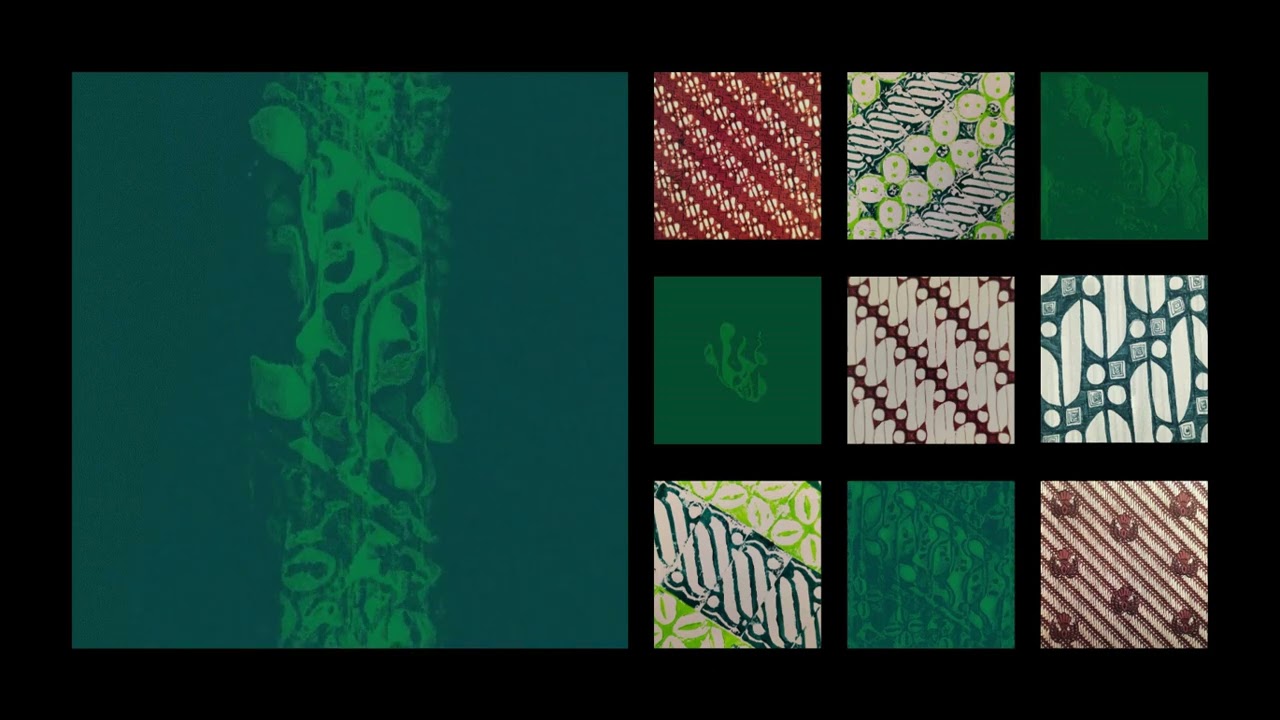
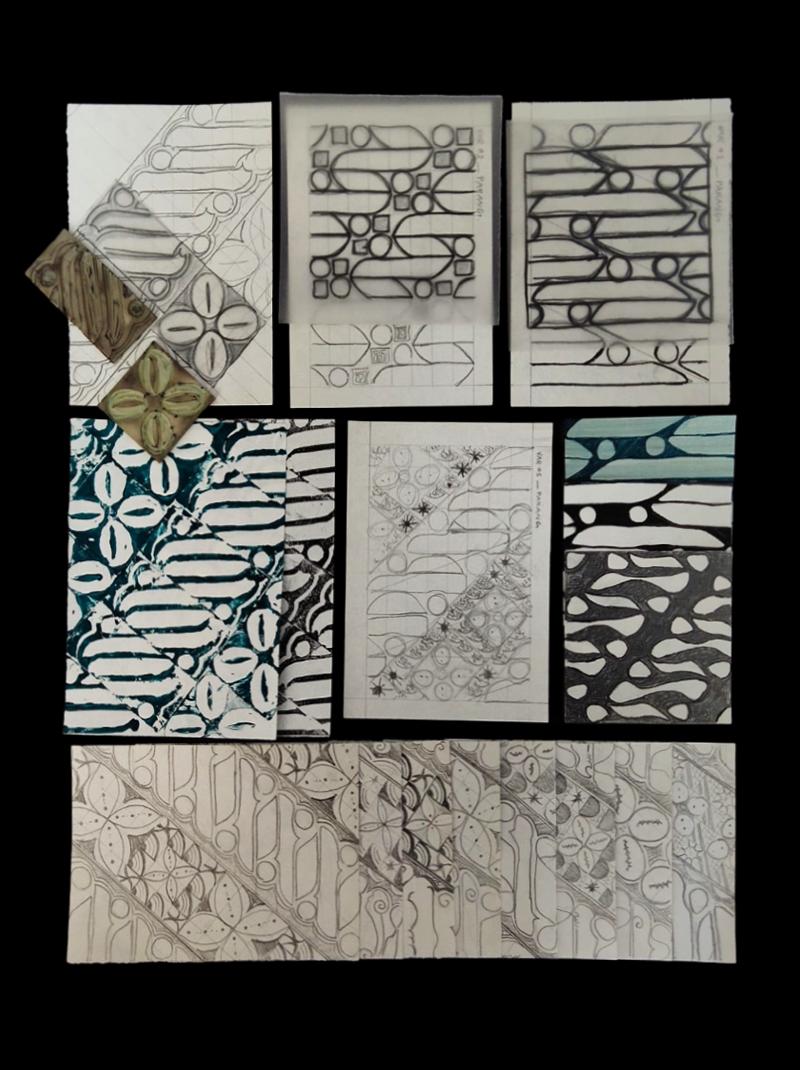
This project explores the Parang motif, a batik pattern traditionally reserved for Javanese royalty.
The process began with collecting and documenting existing variations of the motif, which were compiled into a catalogue. These patterns were then experimented with recreated through lino prints and sketching.
The Parang motif is inspired by ocean waves, symbolising an unbreakable spirit and bestowing strength and determination upon its wearer. This symbolism is then translated through movement using TouchDesigner, allowing the motif to be reinterpreted in a dynamic, contemporary form.


The Different Representations of Nyi Roro Kidul

The poster zine compiles different representations of Nyi Roro Kidul across various timelines and adaptations.
Through this exploration, it is observed that while her myth shifts in form and purpose, certain elements remain consistent such as her connection to the ocean, the colour green and her authority.


Evolving Myths

This project explores the myth of Nyi Roro Kidul as a living, adaptive system shaped by cultural and environmental change.
It speculates on how her role and form might evolve 100 years into the future, as rising sea levels reshape Java into water-dominated territories. Through projection, the work invites reflection on how myths persist, not as fixed narratives, but as fluid systems that shift and evolve alongside the worlds they inhabit.


Ng Wen Hui Jade
Ethel Lim Pei Ying
Sanjana Venkat

Dave Yu Warsanta
May Thu Soe (Isabel)
Hu Hanyin