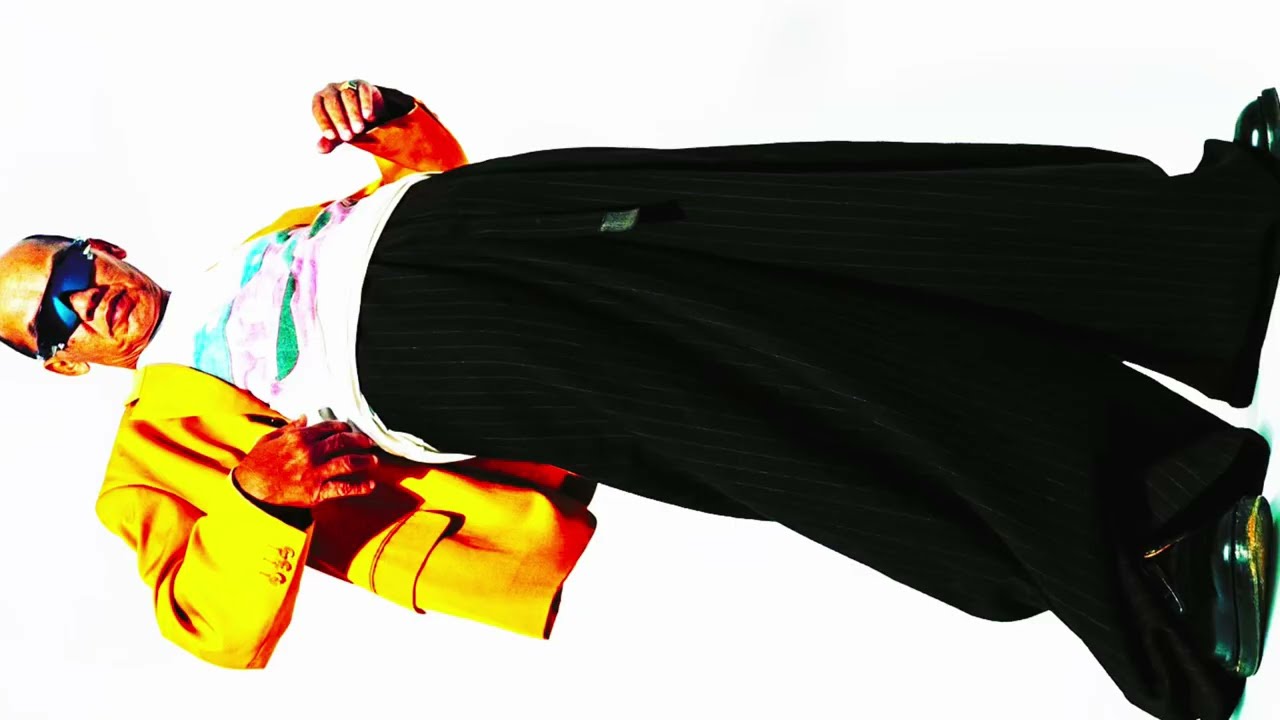

Muhammad Asif Nawfal Bin Noor Hairin


About
Asif Nawfal is a Singapore-based creative graduating from LASALLE College of the Arts with a Diploma in Design for Communication and Experiences.
He has worked across design, film, photography and storytelling, and is driven by emotion, culture, music and the small details people tend to overlook. He enjoys creating works that are raw and intentional—whether it is a campaign, film, publication or an image that lingers in someone’s mind longer than expected.
His perspective is shaped by his surroundings, such late-night music spirals, internet rabbit holes, awkward conversations, blurry train rides home, dimly lit food courts, films he cannot stop rewatching and screenshots that should have been deleted months ago.
Artists like Frank Ocean, Tyler The Creator and Kendrick Lamar influence the way he see storytelling, especially how emotion can exist through pacing, atmosphere, silence and small visual details.
During his time at LASALLE, he developed a strong interest in creative direction and visual storytelling as a whole. He enjoys building worlds, experimenting with perspective and creating work that feels immersive and emotionally grounded.
Rather than chasing perfection, Asif Nawfal creates work that feel honest, lived-in and human—work in which others can see a part of themselves.
ThinkLess™
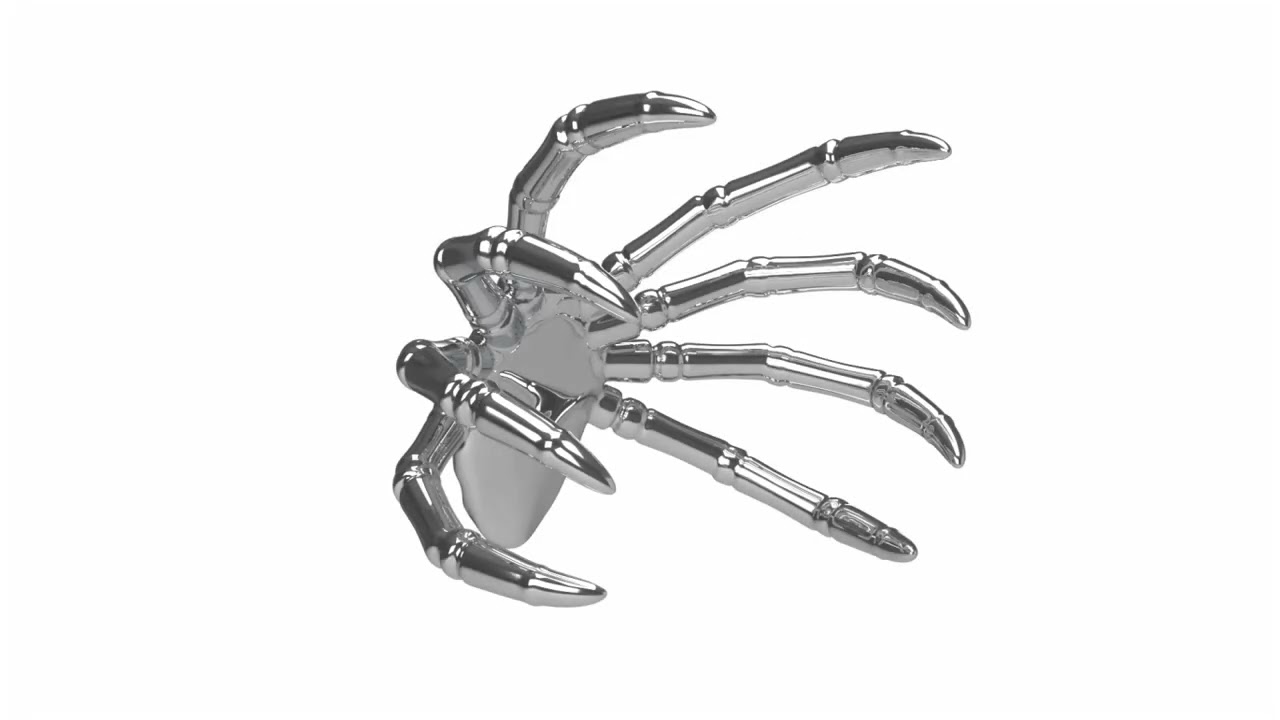
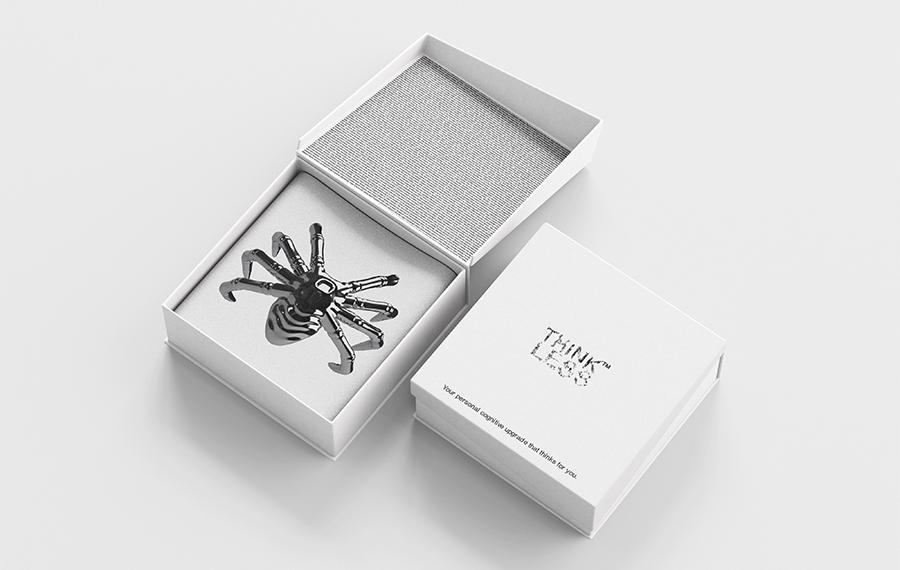
ThinkLess™ is a speculative campaign critiquing society’s growing over-reliance on artificial intelligence (AI).
Framed as a near-future neural implant, it presents a world where thinking is seamlessly outsourced to AI, eliminating the need for effort, questioning or independent creation. While marketed as convenience, the project reveals the hidden costs of passive dependency, including the erosion of critical thinking, memory and creativity.
Combining product design, satire and research-driven insights, ThinkLess™ exaggerates existing behavioural patterns to an unsettling extreme, prompting users to reconsider their relationship with AI.



Archifest: Between The Lines

Between The Lines invites participants to go beyond the visible lines of our buildings and rediscover the collective efforts that make everything possible.
It emphasises the significance of the 'invisible threads'—the subtle design choices, social interactions and community dynamics that influence daily life and cohesion.


Sarah Woo Kar Yann
Nurain Haziqah Binte Muhd Nazri

Puteri Nabilah Binte Ahmad Rahmad
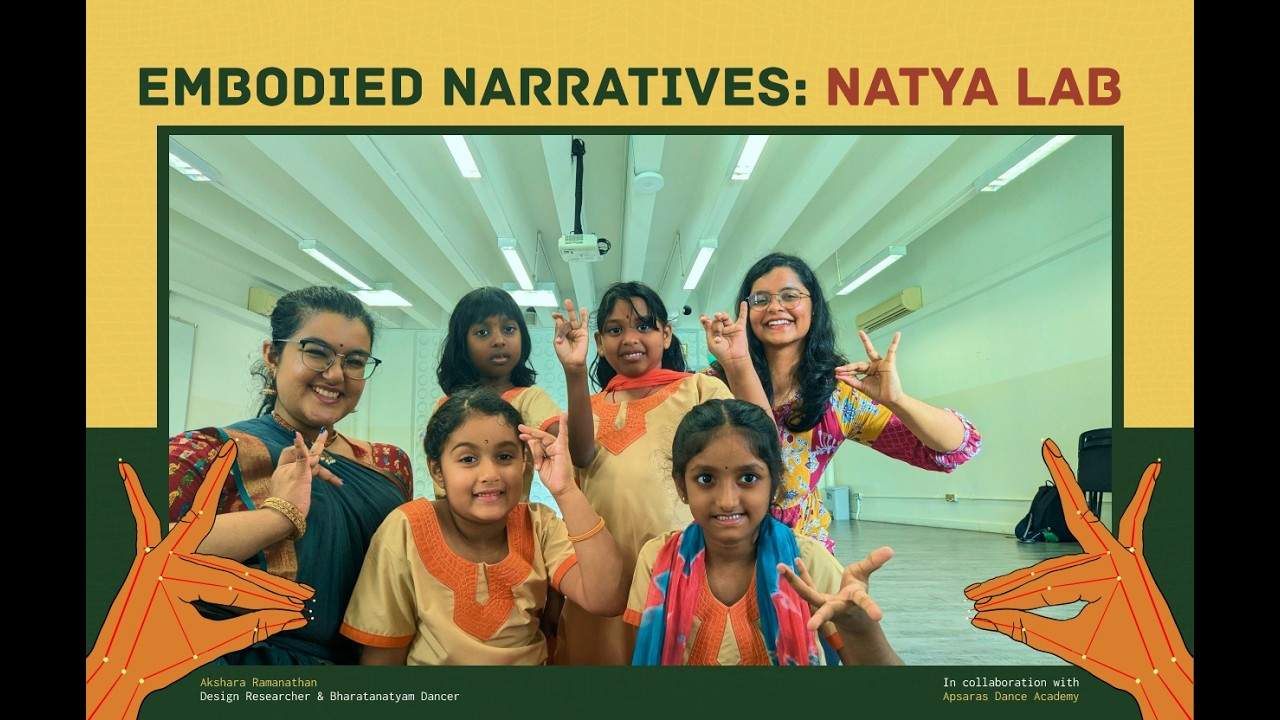
Akshara Ramanathan
Liu Yitong

Monica Layardi