
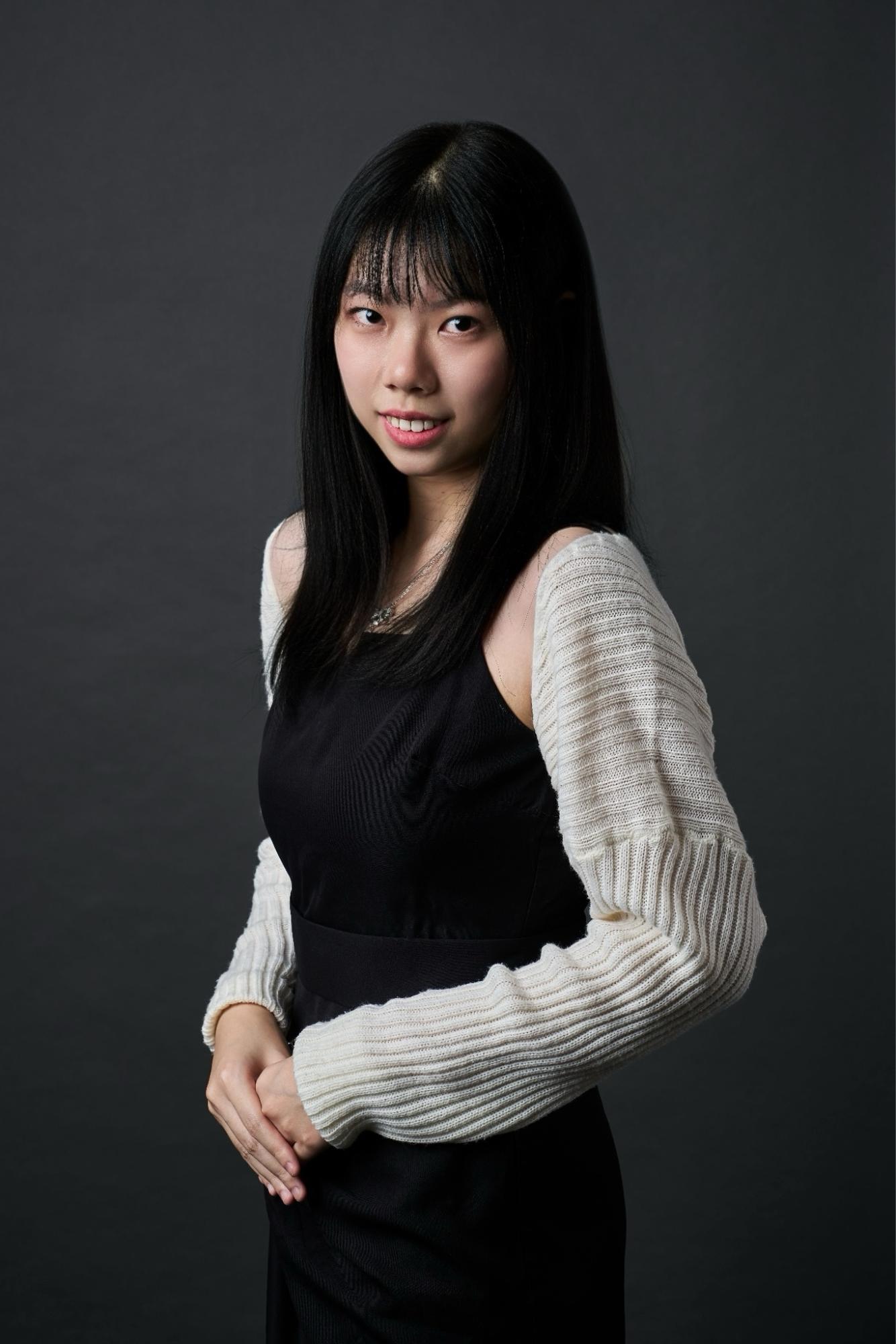
Chng Ya Xuan Renee


About
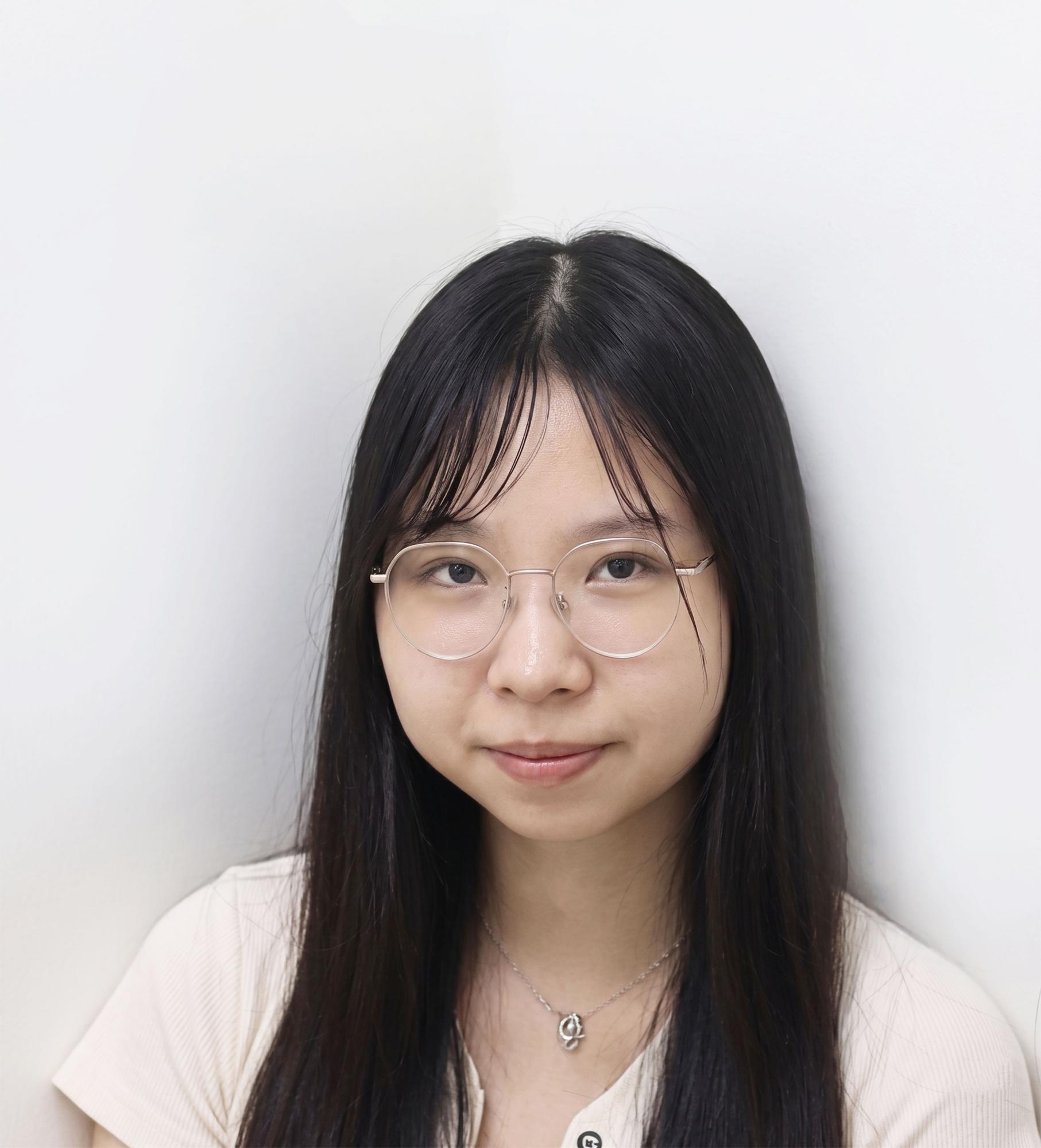
With childhood roots in design, Renee is a multidisciplinary communications professional specialising in visual design, UI/UX and digital storytelling.
She translates complex topics—such as policy, sustainability and technology—into clear, accessible narratives across visual, written and interactive platforms. Her work sits at the intersection of design, communications and storytelling, with a strong interest in how strategic messaging can shape public understanding and influence decision-making.
She applies a human-centred approach to creating content and systems that are visually compelling, easy to understand and effective across formal communication channels and social media platforms.
Renee has experience in early-stage startup environments, where she was closely involved in shaping product direction, building design systems from the ground up, contributing to end-to-end product and UI/UX development.
She has also worked across large multinational organisations and government-related sectors, supporting internal communication, design and public-facing campaigns. Her work spans digital product design, communication strategy, branding and social media content creation, focusing on simplifying complex information into engaging, audience-centred formats.
Renee is also a content creator who focuses on the food scene in Singapore and overseas, collaborating with both local and international brands and developing content strategies and visuals that drive audience engagement across platforms.
Alongside this, she has a strong creative and technical foundation in Adobe Creative Suite, full-stack web development and interactive media tools. She aims to bridge design, technology and communication to create work that informs, connects and inspires public understanding. #DesignForChange
XIN.BETA

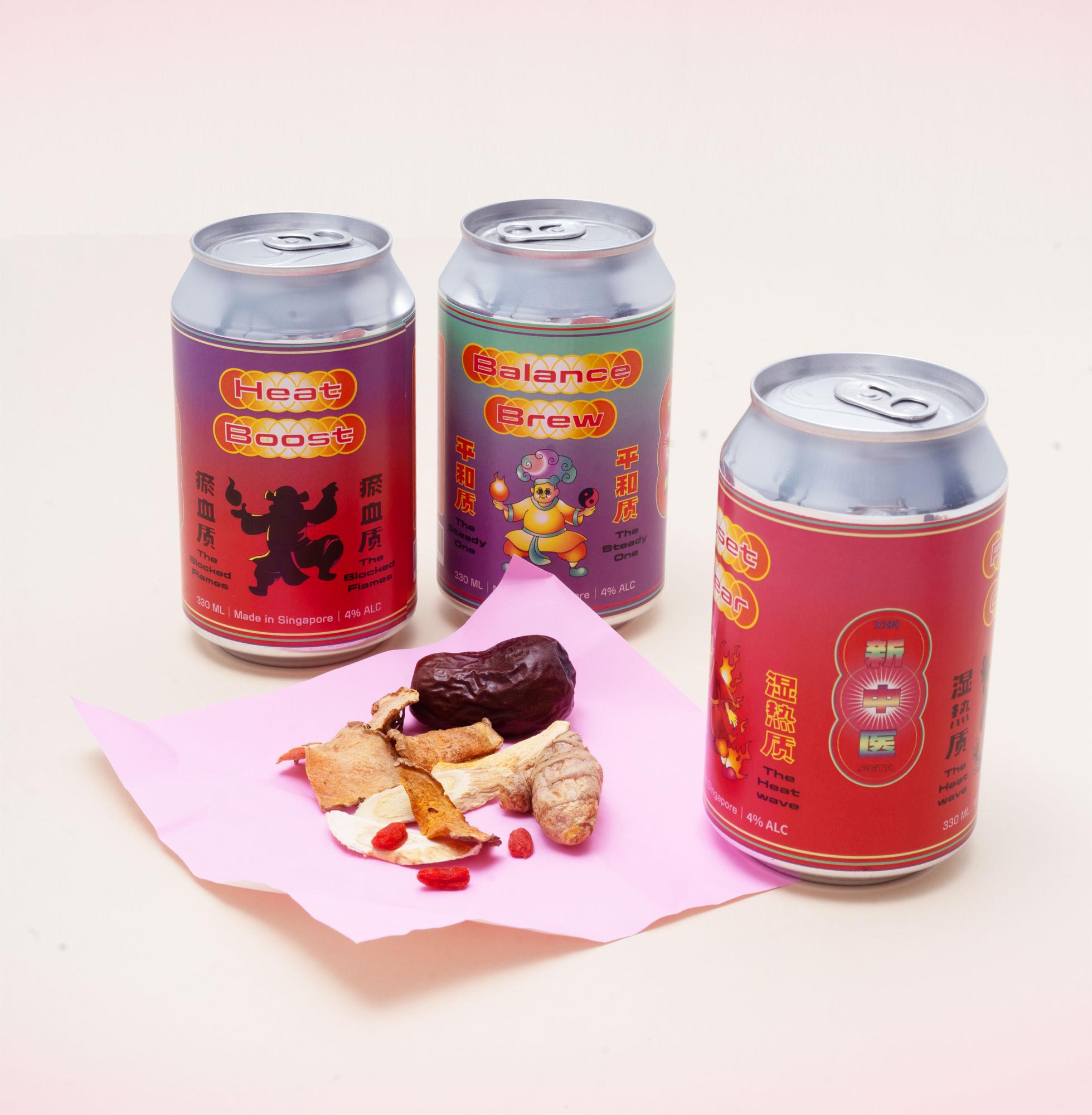
XIN.BETA repositions Traditional Chinese Medicine (TCM) as a dynamic, experience-led framework for contemporary balance, designed specifically for Gen Z sensibilities.
Rather than preserving TCM as a fixed or historical system, the project reframes it as a living cultural language—fluid, interpretable and embedded within everyday interaction. Its core ambition is to shift perception from instruction to immersion, allowing users to understand principles such as yin-yang balance, energy flow and elemental harmony through intuitive, sensory engagement rather than clinical explanation.
Through playful interfaces, interactive rituals and context-aware experiences, XIN.BETA translates abstract wellness philosophies into tangible, accessible moments within daily life. This approach encourages users to engage with health not as a set of rules, but as an evolving dialogue between body, environment and behaviour. In doing so, it challenges dominant Western-centric models of modern medicine that often prioritise separation between mind, body and culture.
Instead, the project positions TCM as adaptive and future-facing—capable of coexisting with digital lifestyles, social platforms and hybrid realities. It draws on cultural heritage not as nostalgia, but as a design resource for innovation, reframing tradition as a tool for experimentation. Ultimately, XIN.BETA proposes a shift in how wellness systems are experienced: from static knowledge to embodied exploration, where balance becomes something learned through participation, not prescription.


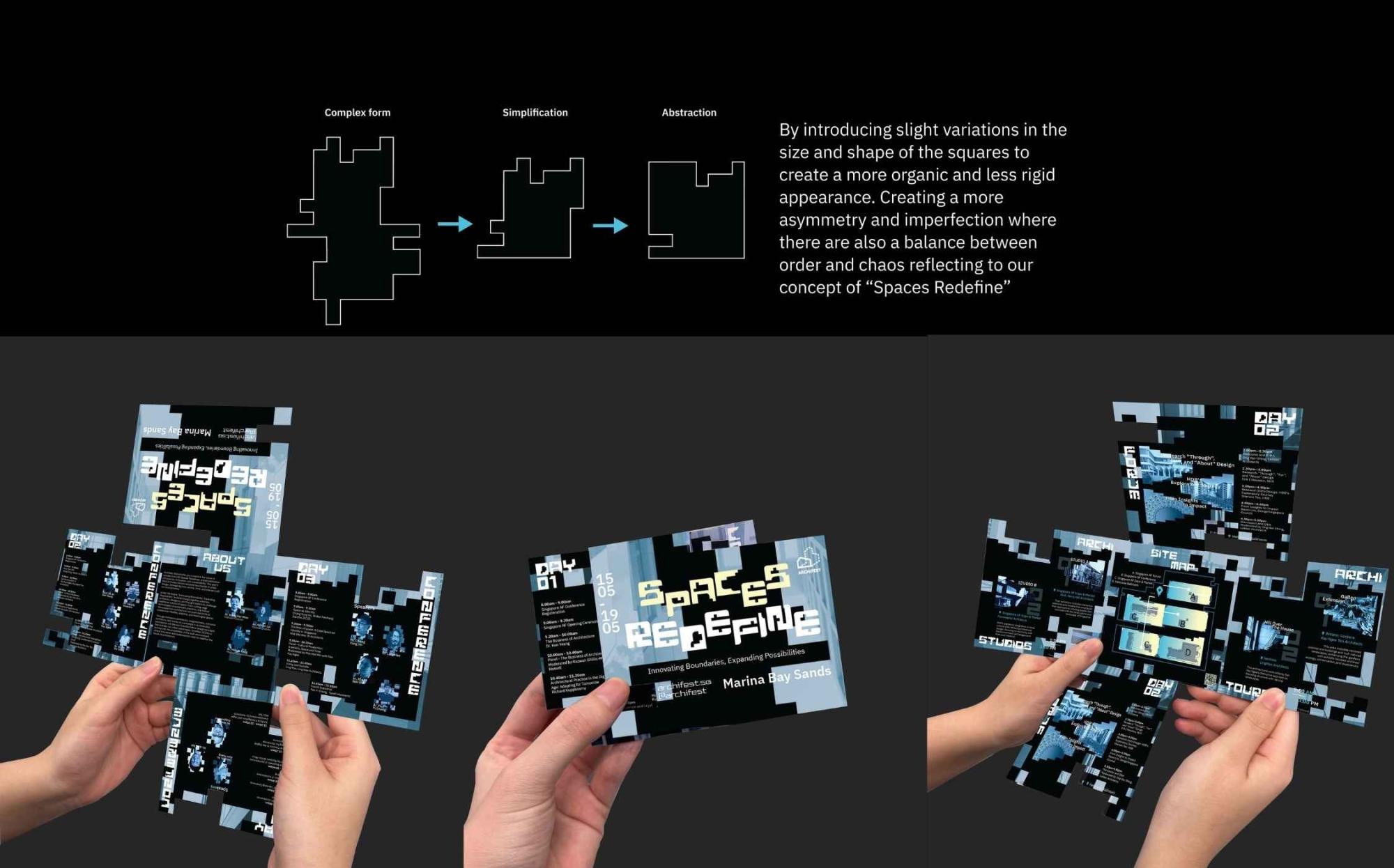
SPACES REDEFINE

SPACES REDEFINE seeks to challenge the conventional understanding of space as a commodity with defined boundaries. Instead, it presents the future of urban living as a dynamic interplay between different needs, where the concept of space is fluid and ever-changing.
Through overlapping squares, the design encourages a rethinking of spatial organisation, where every inch of space must be maximised, multifunctional and adaptable to the future needs of a densely populated city.
The concept reinforces the idea that the future of Singapore's urban landscape will require bold and creative solutions to optimise limited land, creating spaces that are both efficient and liveable. This design proposes a vision of future urban spaces where innovation, collaboration and adaptability are key to achieving a harmonious balance between density and quality of life.


BinGo is an interactive app that turns recycling into a fun, rewarding and educational experience.
Through bite-sized quizzes, engaging lessons and a points-based reward system, users can test their recycling knowledge, track progress and earn real-world perks, from reusable items to community recognition.
The design process involved researching user behaviours and pain points, ideating gamified solutions, prototyping intuitive interfaces and refining interactions through usability testing.
The final app combines education with motivation, making sustainable habits approachable and enjoyable, while fostering a sense of achievement and environmental responsibility, proving that small actions can lead to a greener future.


Gabrielle Anderson

Choo Jing Wen
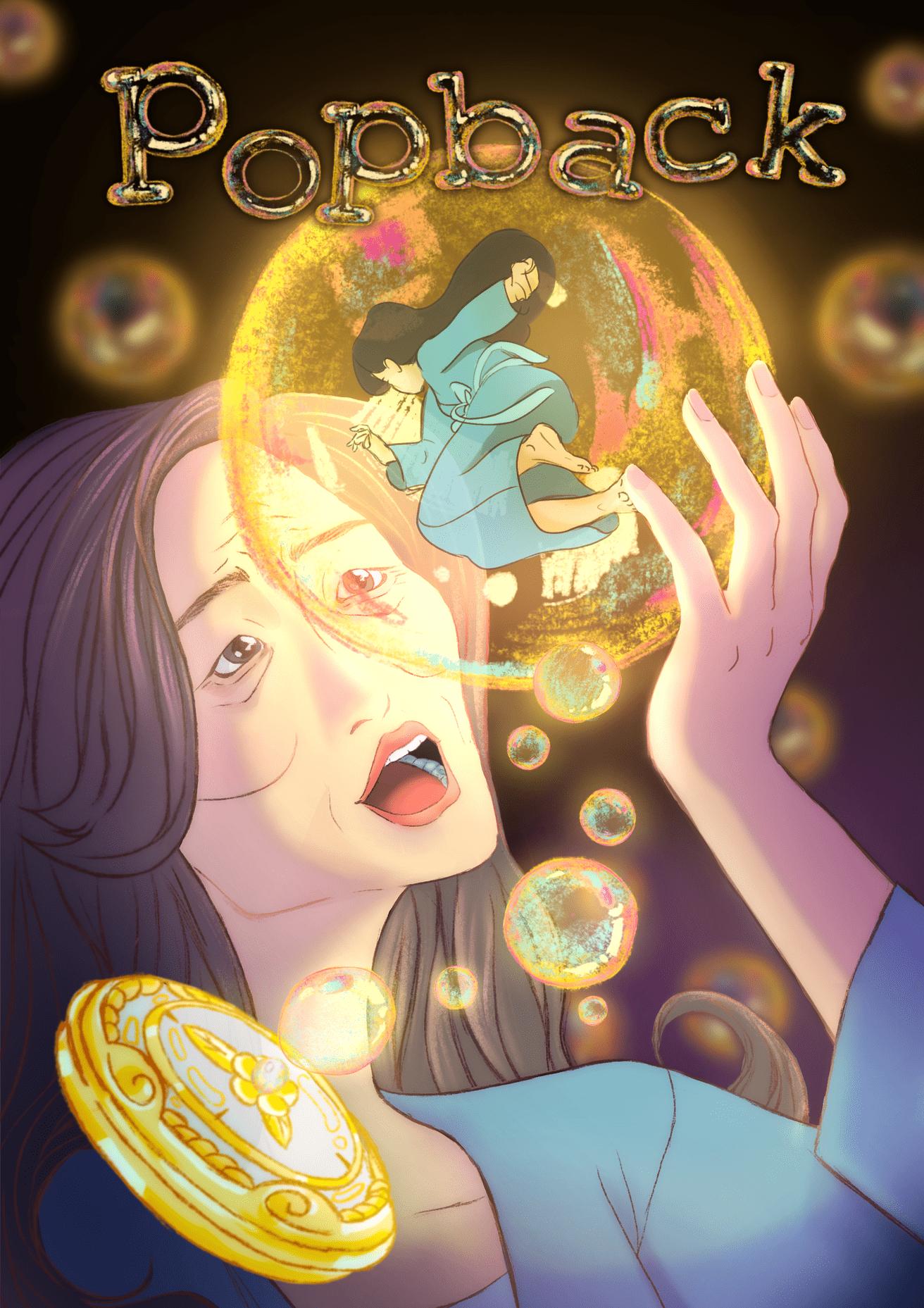
Popback
Iffah Batrisyia

Koh Jing Ting

Linh Nguyen