

About
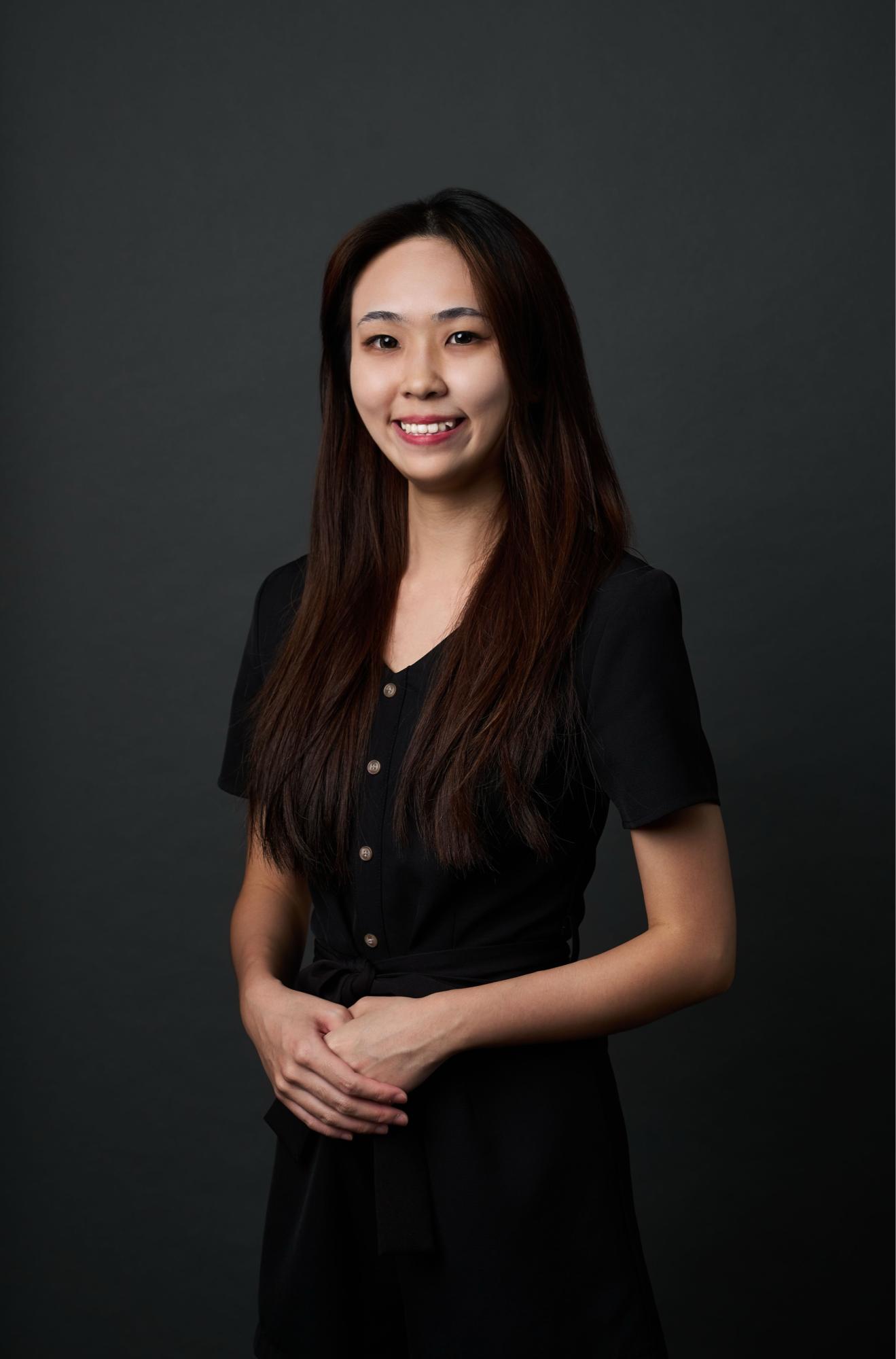
Rosalind is graduating with a Master of Arts in Music Therapy from LASALLE College of the Arts. She also holds a Diploma and BA (Hons) in Music specialising in classical performance from LASALLE, where she developed a strong foundation in technical skill, musical interpretation, and performance practice.
Alongside her classical training, Rosalind has gained experience across both educational and clinical settings, teaching individuals across the lifespan and completing clinical placements with populations including individuals in oncology and palliative care, persons living with dementia, stroke survivors, and children in early intervention programmes. These experiences have strengthened her ability to build rapport, communicate effectively, and adapt her musical practice to diverse clinical, emotional, and developmental needs.
Rosalind’s clinical and research interests include supportive oncology care and the role of culturally informed music therapy practice within Singapore’s healthcare landscape. Her research explored music therapy interventions in adult oncology, examining existing evidence surrounding the psychosocial benefits of music therapy and its application within Singapore and broader Asian contexts. Through this work, she developed a deeper understanding of how music therapy can support emotional wellbeing, coping, and quality of life for individuals navigating cancer care.
Drawing from both her musical and therapeutic background, Rosalind values creating supportive and responsive musical spaces that honour each individual’s experiences, preferences, and strengths. She is dedicated to supporting wellbeing through music within both clinical and community settings.
Music therapy interventions in adult oncology: A systematised review with focus on the Singapore context
Abstract
Cancer is a leading cause of morbidity and mortality globally, with substantial psychosocial burden seen among adult oncology populations. Music therapy (MT) has increasingly become a valuable non-pharmacological intervention within oncology care.
However, evidence supporting its application within the Singapore context stays limited. This systematised review aimed to find, appraise, and synthesise existing evidence on MT interventions in adult oncology, with particular attention to the Singapore healthcare landscape and the role of culturally informed approaches in supportive cancer care.
A structured search of PubMed, Google Scholar and the Cochrane Library found 24 relevant sources, including 18 international studies and six studies situated within Singapore and broader Asian contexts. These included randomised controlled trials, systematic reviews, meta-analyses, qualitative studies and contextual literature.
Methodological quality was assessed using the Mixed Methods Appraisal Tool (MMAT), (Hong et al., 2018). Findings showed that MT interventions were consistently associated with improvements in anxiety, depression, pain, fatigue, and overall quality of life with most studies employing combined or multimodal approaches.
Nevertheless, notable limitations were found, including inconsistencies in interventions reporting and a lack of clear differentiation between music therapy and music medicine across the literature. Only three Singapore based studies involving direct MT interventions were found, highlighting a significant gap in the locally grounded evidence base.
Due to Singapore’s multicultural population and rising cancer burden, there is a pressing need for culturally informed and contextually relevant MT research to better inform clinical practice and healthcare policy within the local oncology setting.
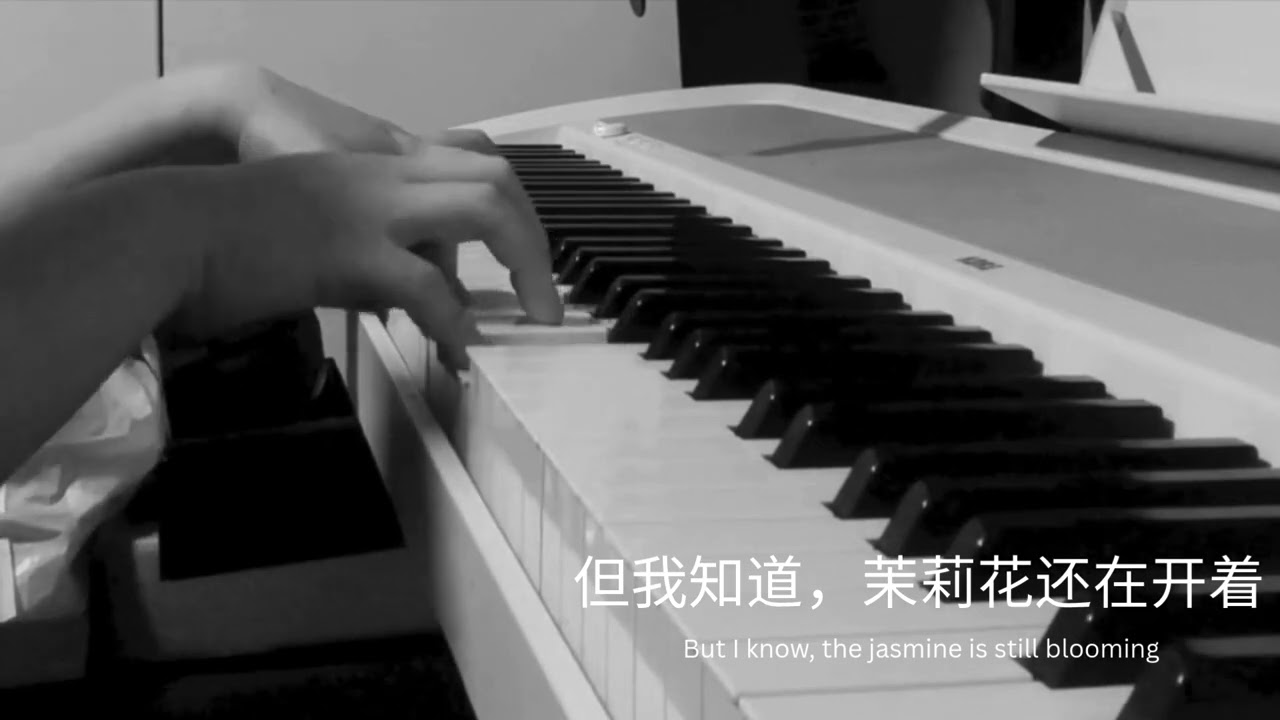
This original Mandarin song '那些歌,那些人' ('Those Songs, Those People') was composed through reflection on my oncology and palliative care placement experiences, integrating the four core elements of music therapy practice: Person(s), Musical Process, Musical Product, and Context.
'那些歌,那些人' is composed using familiar song titles drawn from repertoire frequently encountered during placement. These songs functioned as lyrical anchors and emotional signifiers, representing memories, relationships, identity, grief, resilience and companionship.

Co-led group music therapy session during clinical placement with an art therapy intern.
Professional practice
Rosalind’s clinical practice is grounded in humanistic and resource-oriented approaches, with particular focus on supporting adults within oncology, palliative care, and rehabilitation settings. She is committed to evidence-informed and culturally responsive practice, recognising the importance of adapting therapeutic work to Singapore’s diverse multicultural context and the unique lived experiences of each individual.
Her research interests centre on music therapy within oncology and community-based care, exploring how music can support emotional wellbeing, connection, coping, and quality of life across healthcare settings. She is particularly interested in the role of group music-making in fostering social connection, meaningful engagement, and wellbeing among older adults and individuals navigating complex health experiences.
Creative Art Therapies Symposium 2025
Co-presented 'Music Therapy for Stroke Survivors - The Pathway to Recovery' as part of music therapy students' research presentations.
Chia Jing Xuan (Jingle)

Cassandra Chng
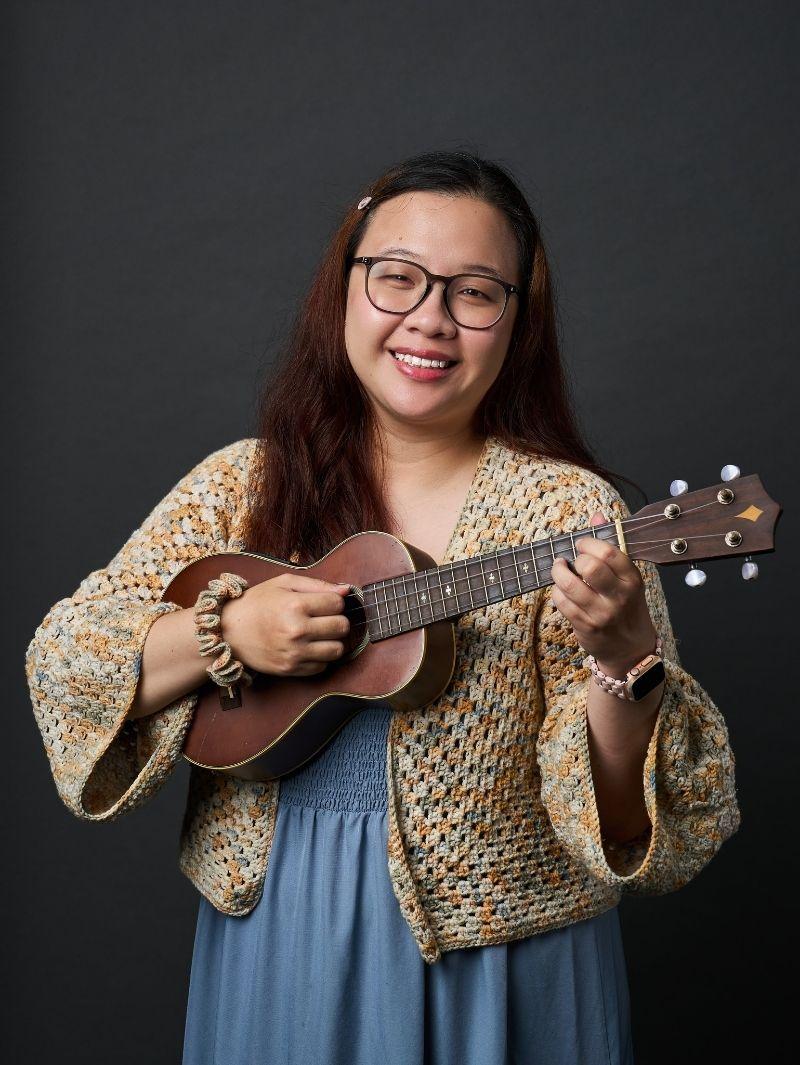
Valerie Teo Minyi
Joanne Lau Pei Yng
Joycelyn Sim
Tan Jia Rou