



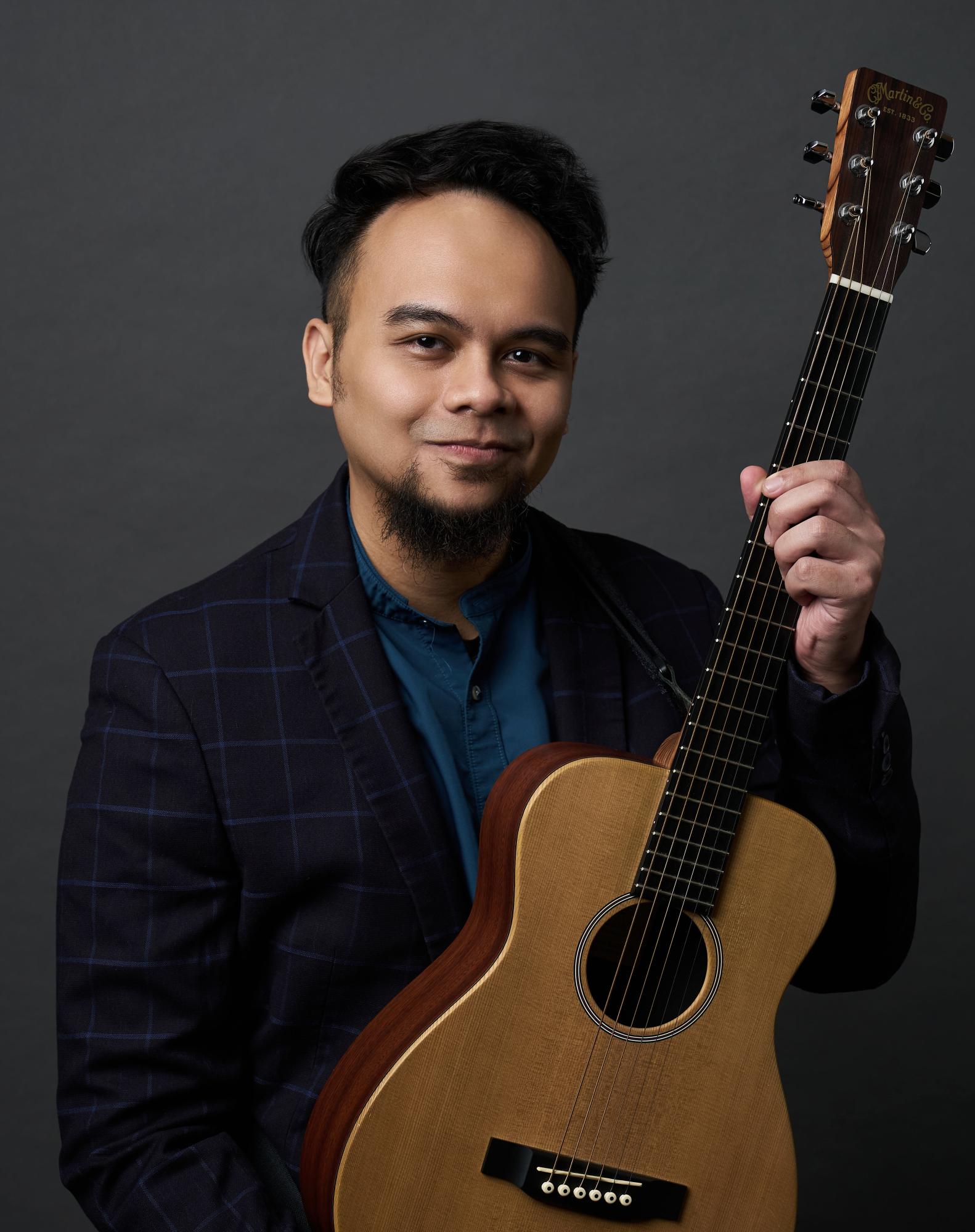


About
Bakti is an emerging music therapist who integrates over six years of experience in music education with a clinical focus on cultural sensitivity and person-centred care.
With a background as a professional vocalist and composer whose work has been featured on Mediacorp Suria, the Chingay Parade, and streaming platforms, Bakti specialises in bringing real-world musical practice into therapeutic settings. His work is informed by a strong interest in culturally responsive music therapy, particularly within Singapore’s multicultural and ageing communities.
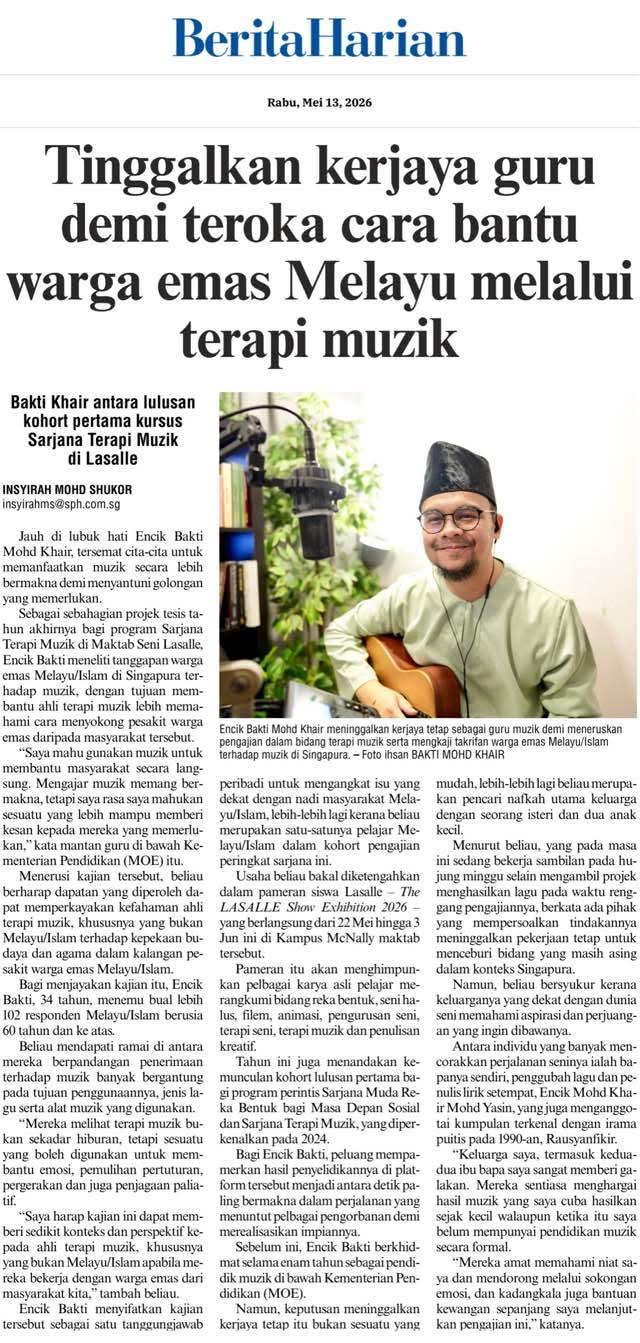
This interest is reflected in his research exploring the music engagement and perceptions of Singaporean Malay-Muslim older adults, with the aim of informing culturally appropriate music therapy practice. Through this work, he examined how cultural and religious beliefs shape individuals’ relationships with music, recognising the importance of understanding clients’ ethnic, spiritual, and personal backgrounds within therapeutic work.
Bakti is particularly experienced in group facilitation, leveraging his strong background in classroom management to lead engaging and effective group sessions. By combining foundations in music technology and songwriting with evidence-based clinical practices, he aims to provide inclusive and culture-centred care that supports the diverse needs of clients across medical and community settings.
His practice is grounded in a commitment to honouring the cultural identities and lived experiences of the individuals he works with, while utilising music as a meaningful tool for rehabilitation, wellbeing, connection, and self-expression.
Music engagement and perception among Singaporean Malay-Muslim older adults: A descriptive study
As Singapore’s population ages, addressing ethnic health disparities, particularly among the Malay-Muslim minority, becomes crucial.
Music therapy is an evidence-based healthcare service for older adults, but culturally sensitive practice requires a deep understanding of clients’ ethnic and religious backgrounds, especially given the historical debates surrounding the permissibility of music in Islam. This descriptive study aimed to explore the music engagement and perception of Singaporean Malay-Muslim older adults to inform the development of culturally appropriate music therapy practice.
A total of 102 Malay-Muslim participants aged 60 and above were recruited via snowball sampling to complete a researcher-created survey. Data collection occurred during the month of Ramadan. The survey assessed demographics, religious background, music perception (permissibility, accepted sounds, instruments, and uses), and musical listening preferences.
The results demonstrated an overwhelming acceptance or conditional acceptance of music, with 86 out of 102 respondents viewing music as either permissible or dependent on context (lyrics and instruments). This positive view was consistent even among participants who reported practicing their religion daily and those who were currently attending formal religious classes. Accepted sounds included Nasyid with instruments, pop songs, and instrumental pieces, while the most accepted uses for music were Relaxation and Exercise. Respondents predominantly listened to music every day (n = 59) via modern platforms like music streaming apps (n = 60) and social media apps (n = 52), showing a preference for songs from classic Malay films and 60s/70s English bands.
Practitioners should assess individual music perception, focusing on the therapeutic purpose (e.g., relaxation, rehabilitation) and being mindful of potential discomfort with certain instruments (e.g., strings or wind instruments) or during specific cultural periods like Ramadan. Future research could address methodological limitations and further explore qualitative perceptions of music.
Professional practice
Bakti adopts an eclectic approach to professional practice, thoughtfully integrating humanistic, psychodynamic, and behavioural approaches to meet the unique needs of each individual. His work is grounded in flexibility, therapeutic attunement, and a commitment to creating meaningful and responsive musical experiences.
Having worked across both acute medical and community-based settings, Bakti places strong emphasis on culturally responsive practice, recognising the importance of honouring the diverse cultural, religious, and personal backgrounds of the individuals he serves. He is particularly interested in how culture shapes musical perception, engagement, and therapeutic meaning within clinical contexts.
His research and practice interests include the integration of music technology in therapeutic settings, culturally informed music therapy practice, and the use of songwriting to support emotional expression, identity, and personal storytelling.
Bakti's clinical training includes:
-
St Luke’s Community Hospital
Facilitated music therapy interventions for patients in dementia and palliative care, focusing on emotional connection and psychoemotional support. -
Singapore General Hospital
Utilised Neurologic Music Therapy (NMT) techniques to address speech rehabilitation and cognitive goals. This role also involved providing psychoemotional support and collaborating with patients to write and record original songs at the bedside. -
National Heart Centre
Developed and implemented a specialised music therapy programme for heart failure patients, designed to provide psychosocial support within a cardiac care setting.
Creative Arts Therapies Symposium 2025
In the presentation ;Song Production in an Acute Hospital Setting: A Student’s Reflection', Bakti detailed the technical and therapeutic process of "bringing the recording studio into the ward."
He demonstrated how to utilise a Y-splitter cable for real-time headphone monitoring, allowing patients to sing along to a track without the backing music bleeding into the vocal recording. Noise-removing and vocal-tuning plugins were used in the post-production process.
This approach ensures a higher quality outcome for patient-led songwriting projects within a clinical environment.
Valerie Tiong Hui Ling
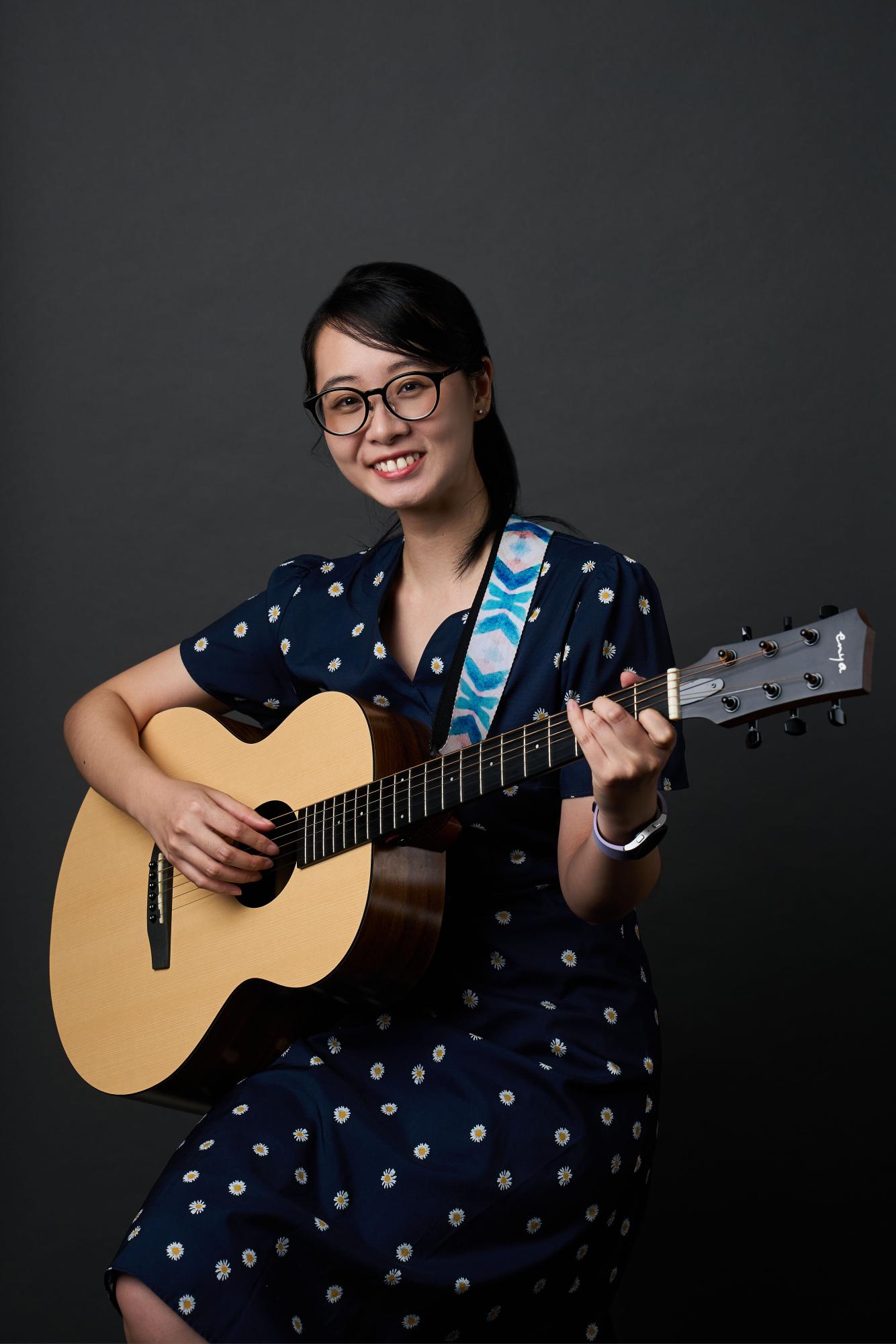
Joycelyn Sim
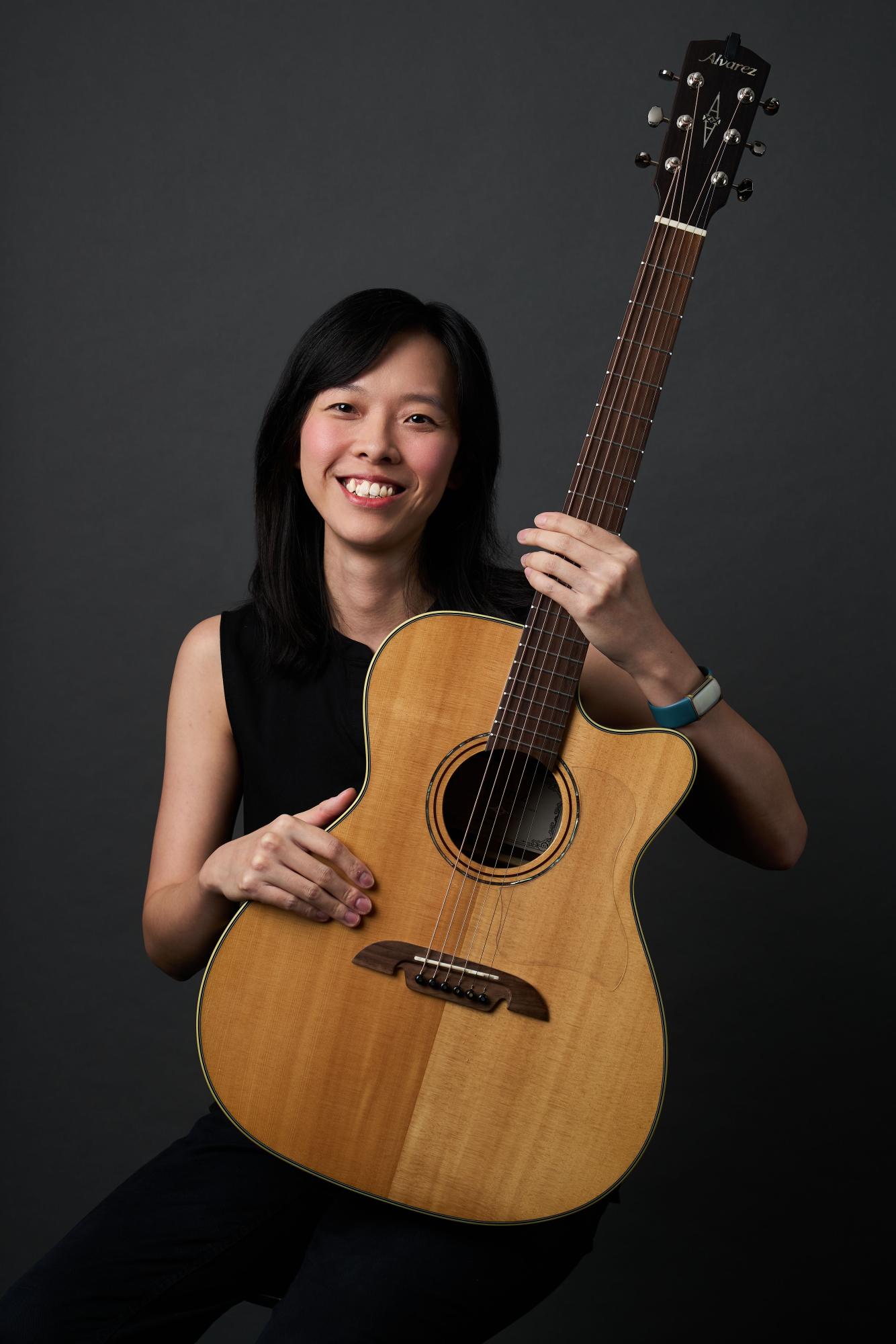
Cassandra Chng
Valerie Teo Minyi
Jeremy Nuyda Joson
Chia Jing Xuan (Jingle)
