


About
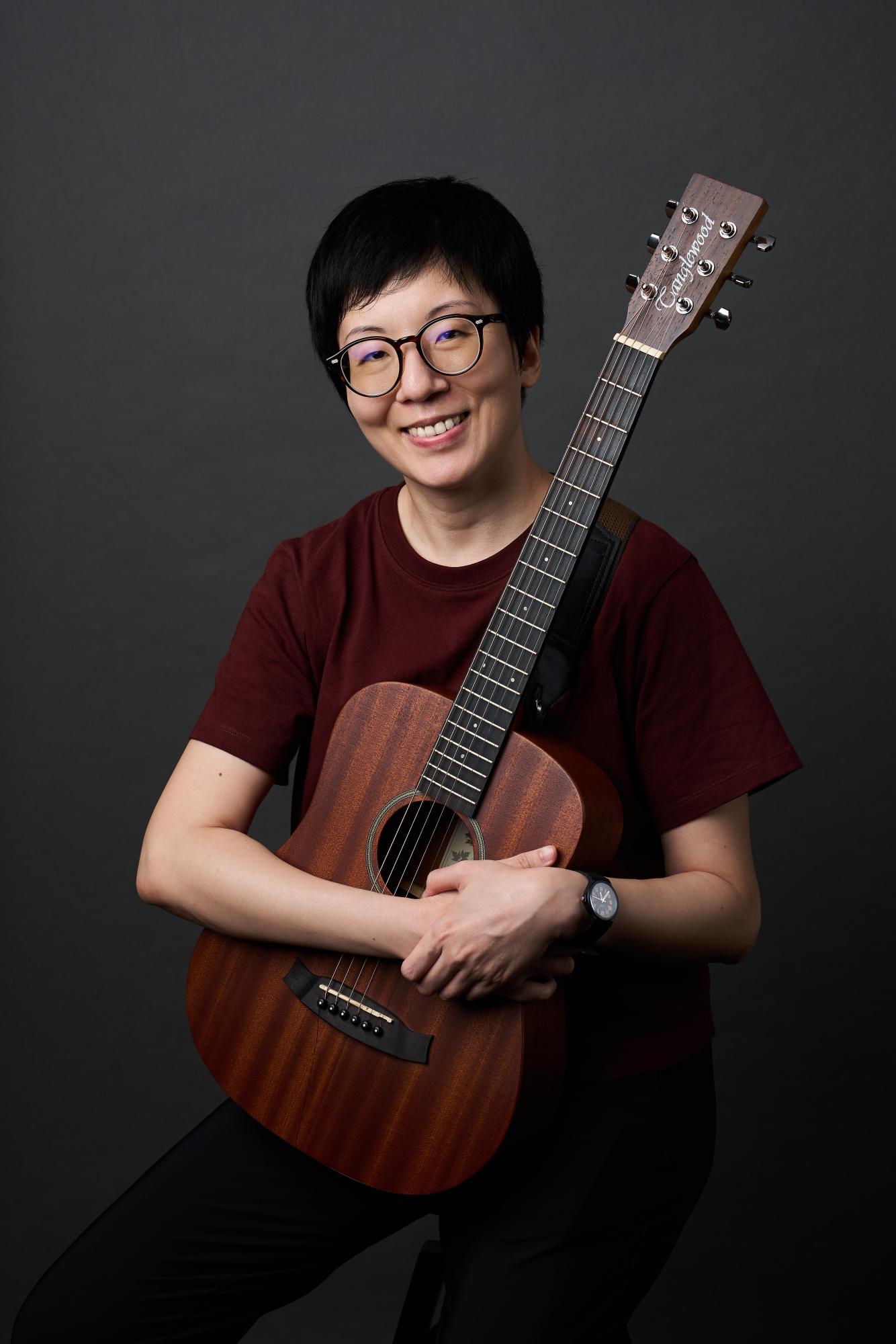
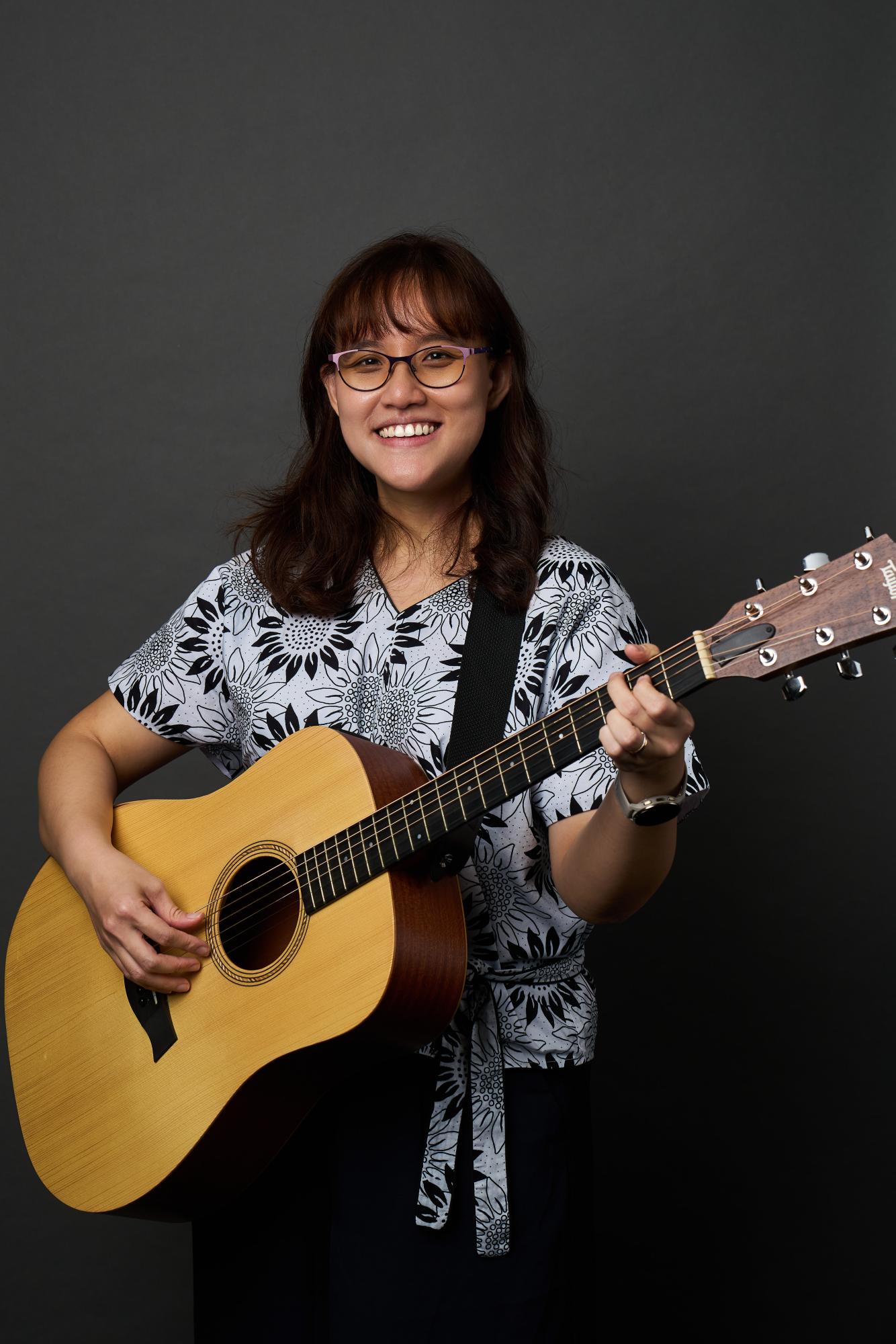
Valerie is a graduating music therapist whose practice is grounded in a lifelong relationship with music, and shaped by a deep belief in its ability to express what words sometimes cannot.
A keyboardist at heart and a self-confessed language enthusiast, Valerie is deeply fascinated by the relationship between music and language. Drawing on her bachelor's degree background in linguistics and multilingual studies, she brings thoughtful curiosity to the way music and communication intertwine—and how a familiar song can sometimes reach where even the most carefully chosen words fall short. This interest continues to inform her work, particularly with older adults and individuals navigating neurological changes, where music can become a powerful bridge to identity, connection, and self-expression.
Valerie has accummulated over 900 hours of clinical experience across a wide range of populations and settings, including children in early intervention, older adults living with dementia, and individuals in rehabilitative and palliative care. Her practice is rooted in the belief that every person is more than their diagnosis, and that music can offer meaningful opportunities to honour individuality, lived experience, and human connection. For Valerie, music is a window to the soul - carrying memories, emotions, stories, and aspects of self that may otherwise remain unspoken.
As she enters the next stage of her professional journey, Valerie is excited to bring this passion, sensitivity, and commitment into her work with the individuals and communities she serves.
Exploring collaboration between music therapists and speech-language pathologists in adult speech rehabilitation: A systematised review
Background: Adult speech disorders arising from neurological events and progressive neurological conditions affect daily communication, autonomy and quality of life, with rising demand for adult speech rehabilitation services driven by ageing populations worldwide.
Collaboration between music therapists and speech-language pathologists (SLPs) has been identified as a promising approach to adult speech rehabilitation, yet remains under-examined as a structured clinical practice, particularly within Asian healthcare contexts such as Singapore.
Aim: This systematised review sought to map existing evidence on MT-SLP collaborative practice, identify knowledge gaps and synthesise practitioner perspectives on the benefits, barriers and implementation considerations of collaborative care.
Methods: A search across three databases, five music therapy journal websites and Google Scholar yielded 17 articles published between 2006 and 2026, including empirical studies, theoretical and clinical articles, as well as student theses. Articles were appraised using a modified quality appraisal instrument and synthesised narratively across thematic categories aligned with the research questions.
Findings: MT-SLP collaboration is supported by robust neurological foundations and consistent practitioner-reported benefits across functional and psychosocial outcomes. However, the practice evidence base is small, geographically concentrated in Western contexts and shaped by professional, institutional and regulatory barriers that constrain real-world implementation.
No published research was identified within Singapore or comparable Asian healthcare contexts.
Conclusion: The review highlights the need for Singapore-grounded research to develop targeted, context-sensitive collaborative models that respond to local demographic, regulatory and multicultural realities.
Professional practice
Valerie has worked with individuals across palliative care, dementia care, early intervention, and rehabilitation, bringing a person-centred and resource-oriented approach to every session.
She adopts an eclectic and responsive approach to music therapy, thoughtfully integrating methods and interventions that best support each individual’s needs, strengths, and experiences in the present moment.
Liu Huiyi
Bakti Khair
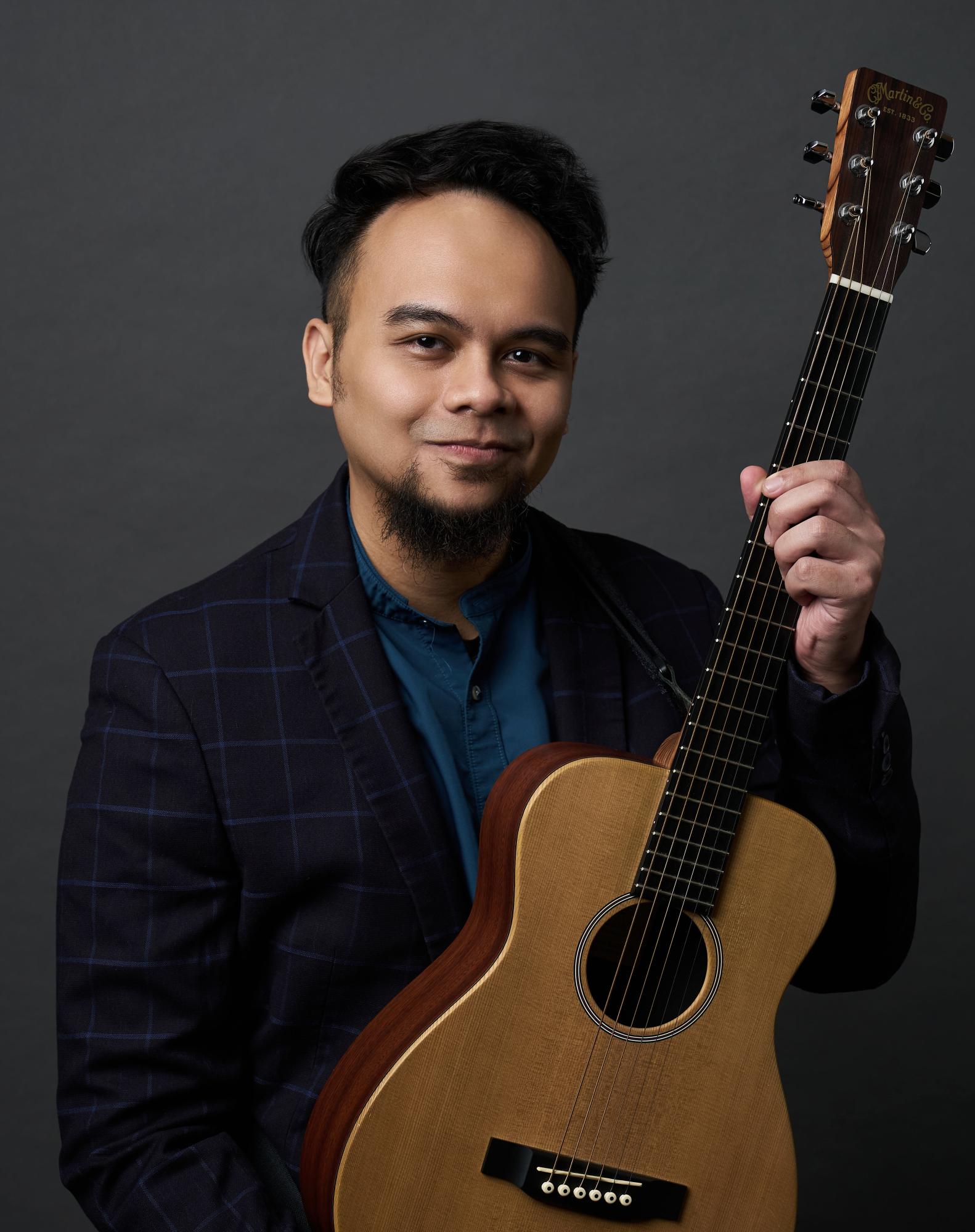
Joycelyn Sim
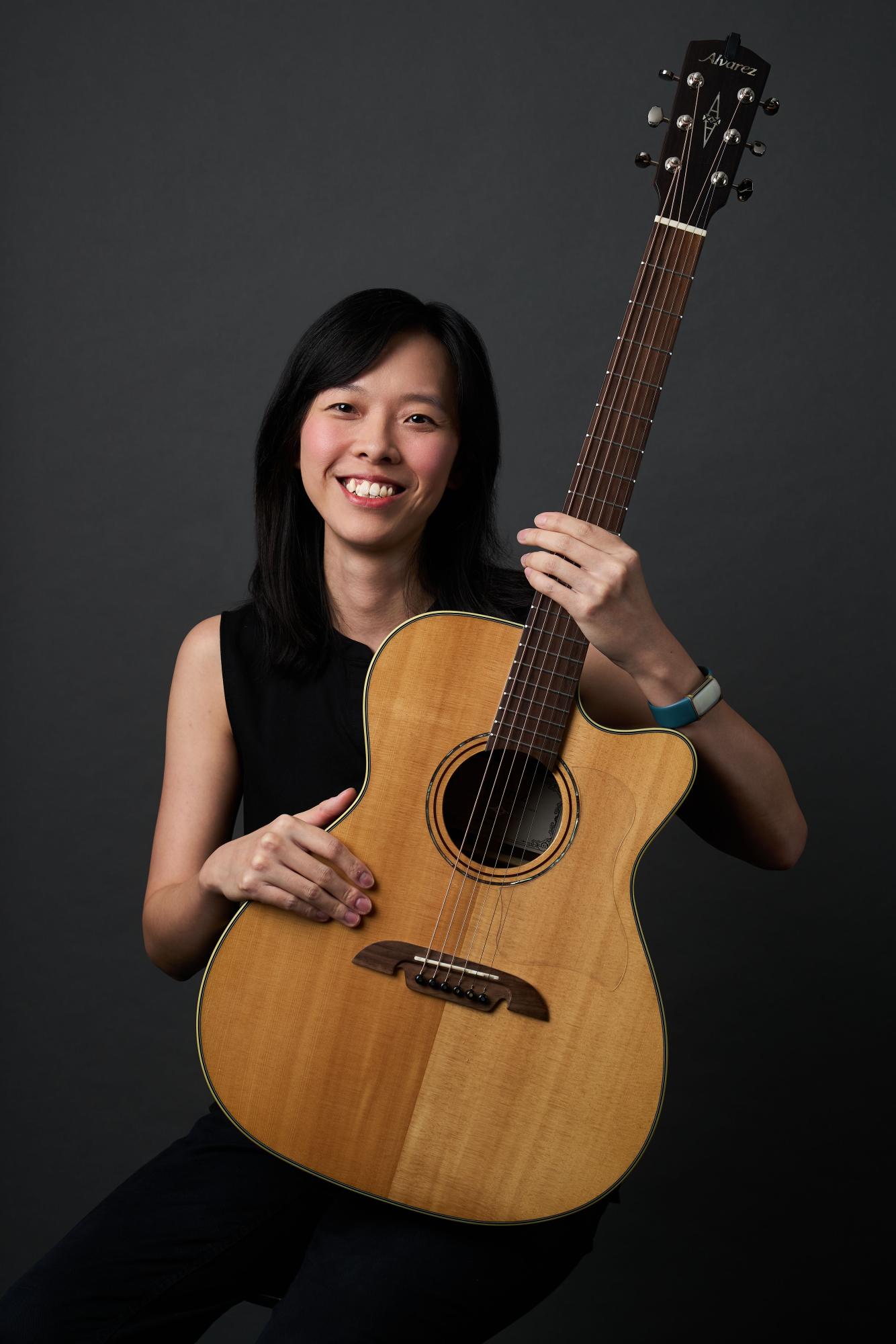
Valerie Tiong Hui Ling
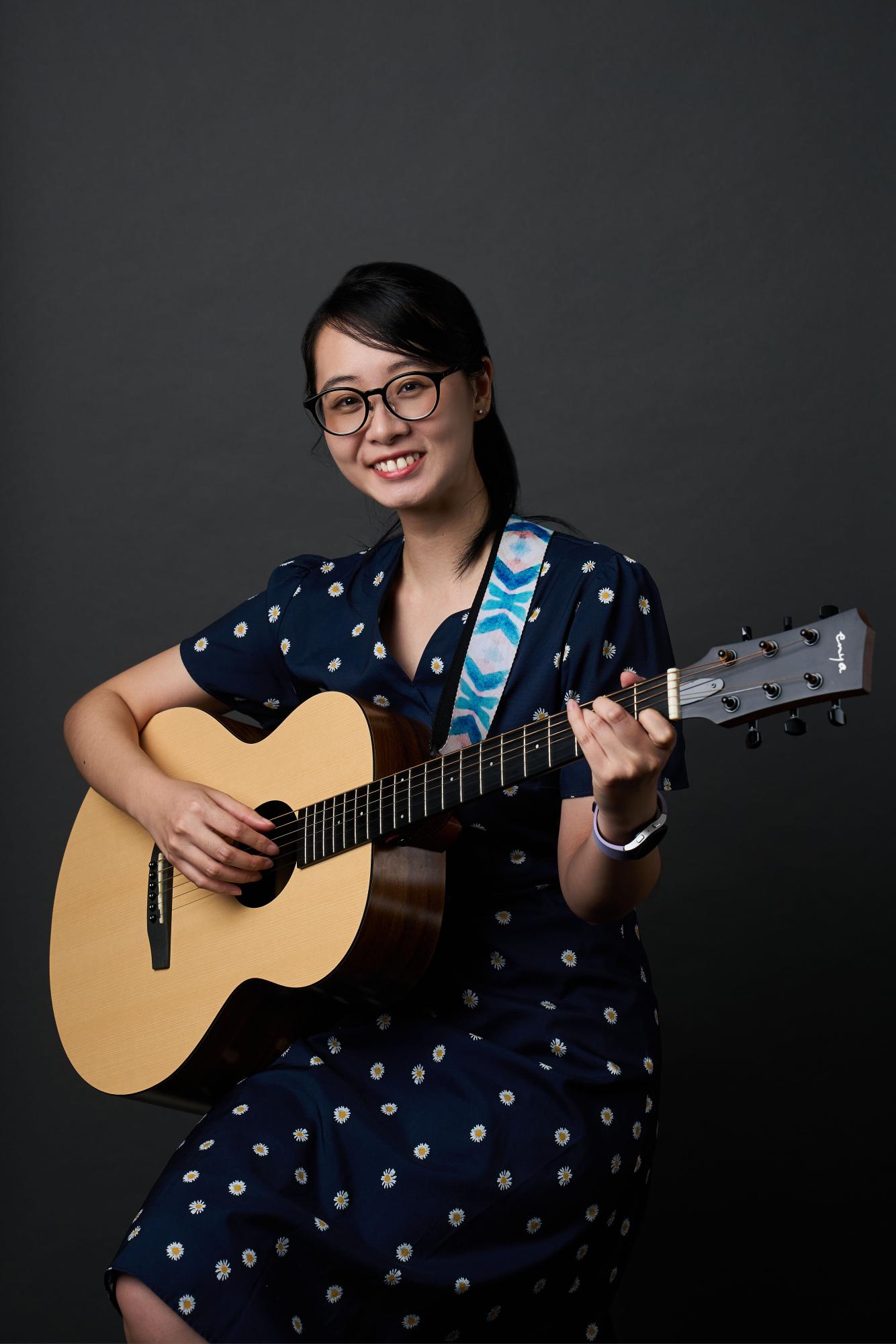
Cassandra Chng
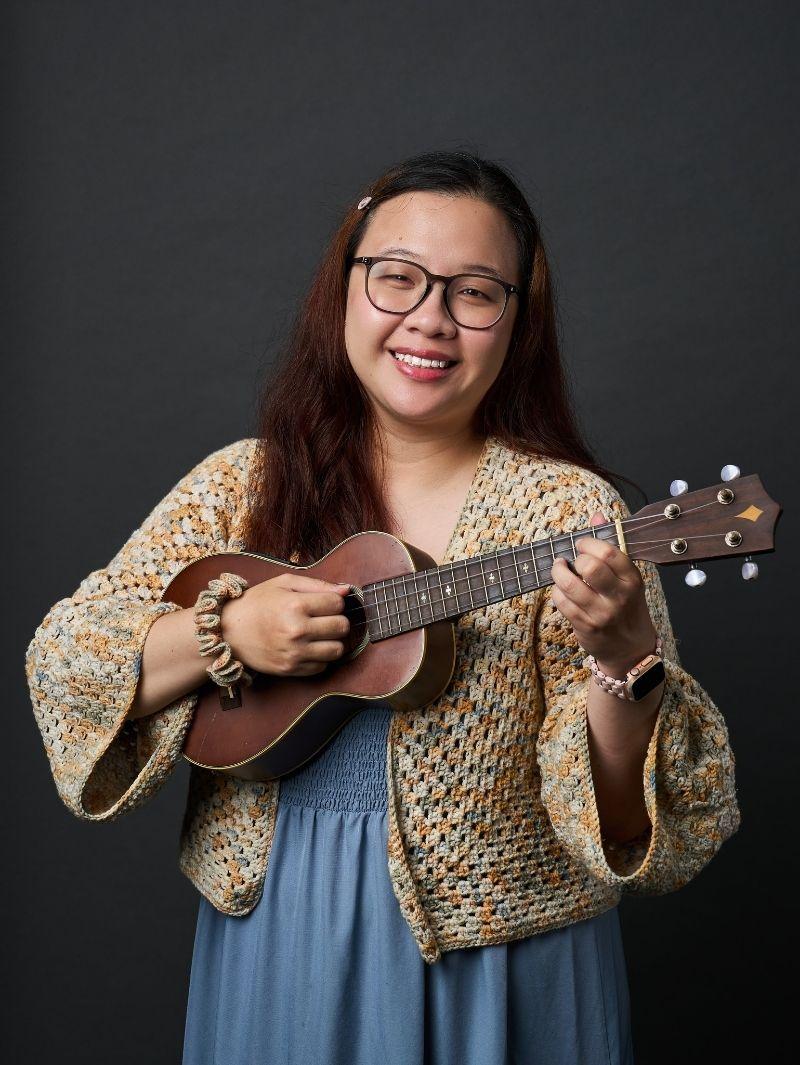
Joanne Lau Pei Yng