


About
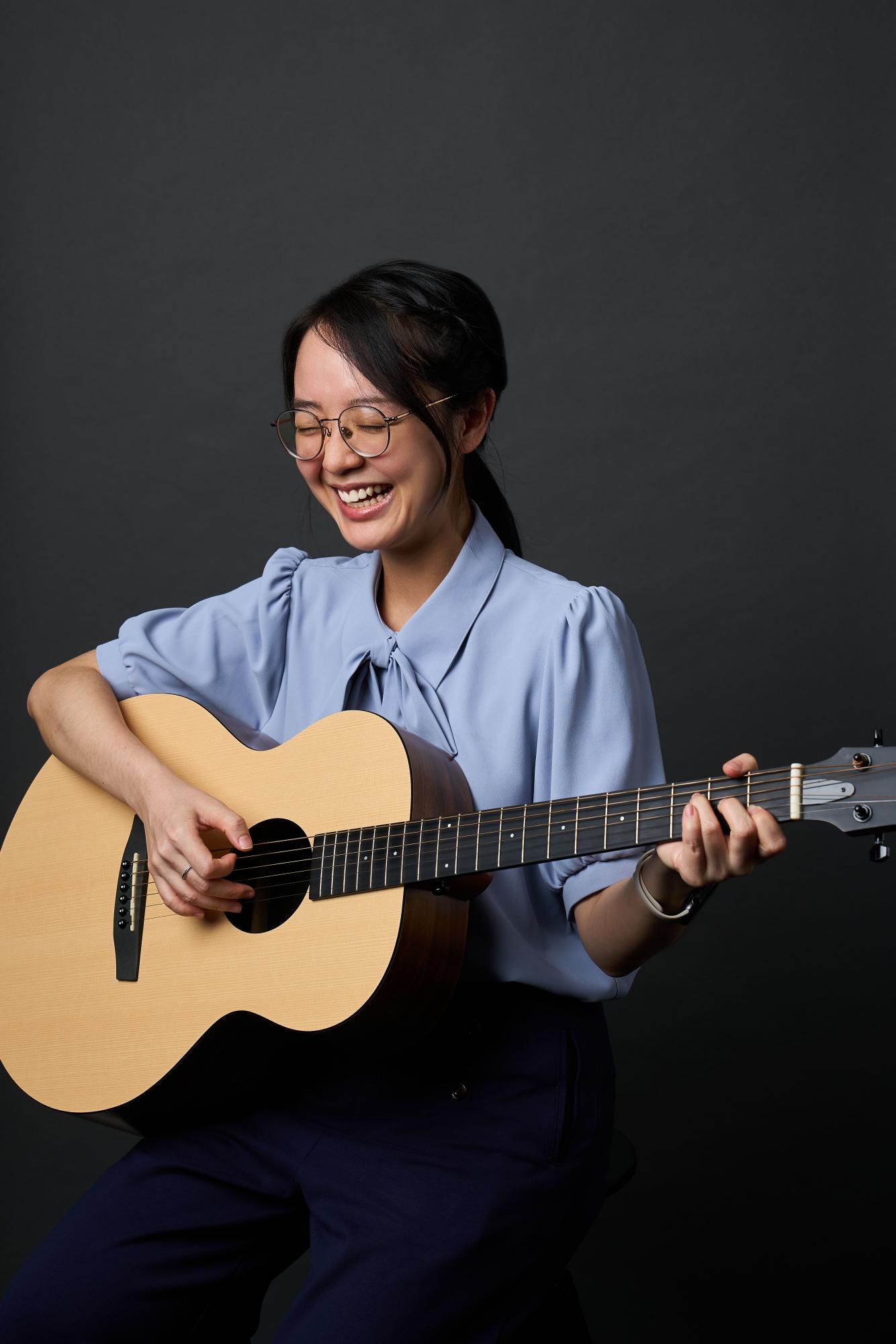
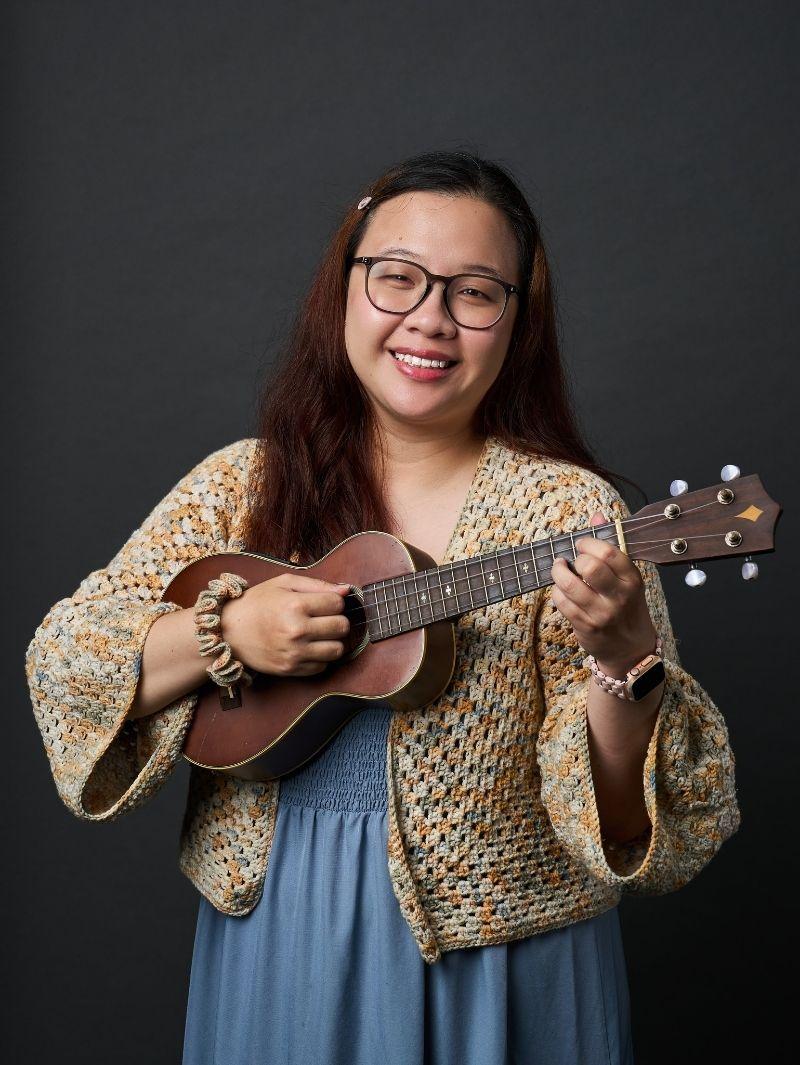
Huiyi is an emerging Singaporean music therapist with clinical experience across community, early intervention, palliative care, and research settings. She has worked with children with special needs, adolescents, adults, older adults, and caregivers, using music to support emotional processing, relational engagement, self-expression, and social connection.
She has facilitated both individual and group music therapy sessions within community-based and interdisciplinary settings, thoughtfully adapting interventions to each individual’s unique needs, strengths, and ways of engaging. Her clinical interests include community and healthcare-based music therapy practice, particularly in supporting individuals experiencing mental health challenges across diverse stages of life and care contexts.
Alongside her clinical work, Huiyi maintains a strong interest in psychosocial care, ethics, and client experiences within healthcare and therapeutic environments. Her research explores how harm is reported and conceptualised within music therapy and music-based intervention literature, with particular attention to the omission, ambiguity, and inconsistency surrounding safety reporting. Through this work, she has developed a deeper interest in ethical practice, reflective care, and the importance of critically examining both the benefits and potential risks of therapeutic music experiences. Her background in psychology and research continues to inform her thoughtful and client-centred approach to practice.
Huiyi’s musical background supports flexibility and responsiveness within sessions, where she draws on voice, guitar, and keyboard across a range of musical styles and bilingual repertoire. Fluent in both English and Mandarin Chinese, she values culturally responsive and collaborative practice that supports accessibility, comfort, and meaningful engagement.
Reporting of harms in music therapy: A narrative review
Music therapy is widely recognised for its therapeutic benefits across diverse clinical populations; however, increasing attention has been drawn to the possibility that music-based interventions may also produce unintended harm. While positive outcomes are extensively documented, reports of adverse experiences remain fragmented and inconsistently addressed within the literature.
This narrative review examines how harm is reported and conceptualised in music therapy and music-based intervention research, with particular attention to omission, ambiguity and inconsistent safety reporting.
A qualitative narrative review methodology was employed to synthesise literature across diverse methodologies and clinical populations. Empirical studies, systematic reviews, theoretical papers and qualitative reports relating to harm, adverse experiences or safety considerations in music therapy were included.
Findings indicated that music therapy is frequently portrayed as a safe and non-invasive intervention, although adverse events were rarely systematically assessed or clearly documented. Where harmful experiences were identified, they included emotional distress, behavioural dysregulation, confusion, withdrawal and relational difficulties.
The review also identified conceptual ambiguity surrounding the terms music therapy, music intervention and music medicine, particularly in studies lacking involvement from credentialed music therapists.
The findings highlight the need for greater transparency in adverse event reporting and the development of validated assessment tools capable of identifying harmful experiences within music therapy contexts. Implications are discussed for clinical practice, professional standards, and future research.
Professional practice
Huiyi’s professional practice is grounded in an eclectic approach informed by humanistic and psychodynamic perspectives. She strives to create therapeutic spaces that are collaborative, emotionally safe, and responsive to each individual’s needs, preferences, and unique ways of engaging.
Within sessions, Huiyi balances structure with flexibility, thoughtfully adapting interventions in response to clients’ goals, pace, emotional states, and relational dynamics. She works across both active and receptive music therapy methods, including improvisation, songwriting, music listening, and instrumental playing, drawing on music as a versatile medium for expression, reflection, communication, and interpersonal connection beyond words alone. Alongside music-based interventions, she may also incorporate music-based games and other creative modalities to support engagement, exploration, and therapeutic process within sessions.
Reflective practice remains central to Huiyi’s clinical development. She values the importance of supervision, ethical awareness, and critical self-reflection as essential components of responsible, compassionate, and client-centred therapeutic work. Her interest in ethics and client experiences within music therapy further informs her sensitivity to the potential impact of therapeutic interventions, reinforcing the importance of creating safe, attuned, and respectful therapeutic relationships.
Huiyi’s approach is also shaped by careful consideration of each client’s cultural, relational, and interpersonal context, with an emphasis on collaboration, respect, and attunement throughout the therapeutic process.
Clinical placement experience
-
Dover Park Hospice
-
Thye Hwa Kwan Early Intervention Centre
-
Kampong Kapor Family Service Centre (independent placement)
Joycelyn Sim
Joy Khau

Valerie Tiong Hui Ling
Cassandra Chng
Chia Jing Xuan (Jingle)

Bakti Khair