


About
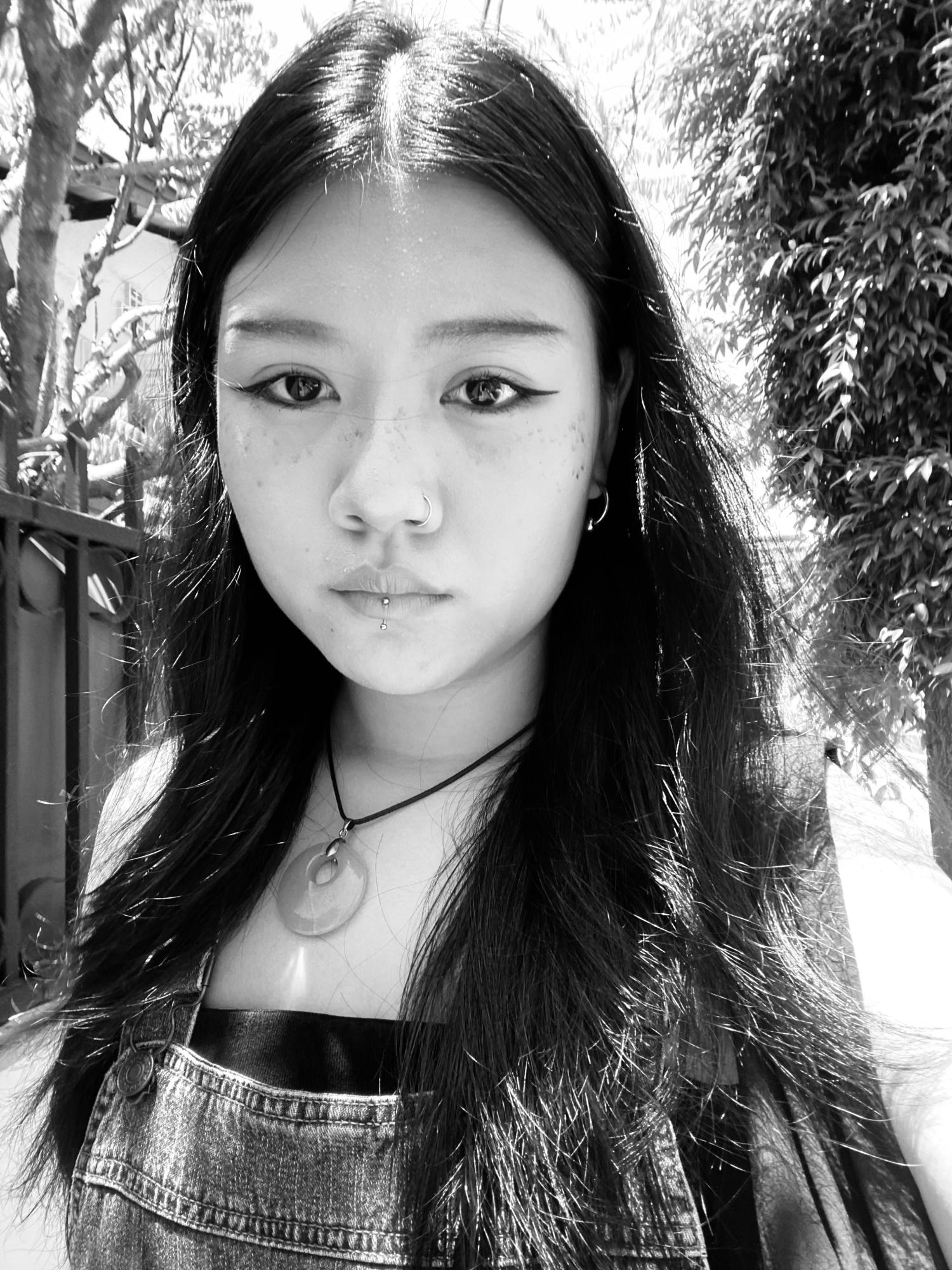
Natalie is an artist whose work dwells in what is often unsaid, where intergenerational care and memory quietly gather.
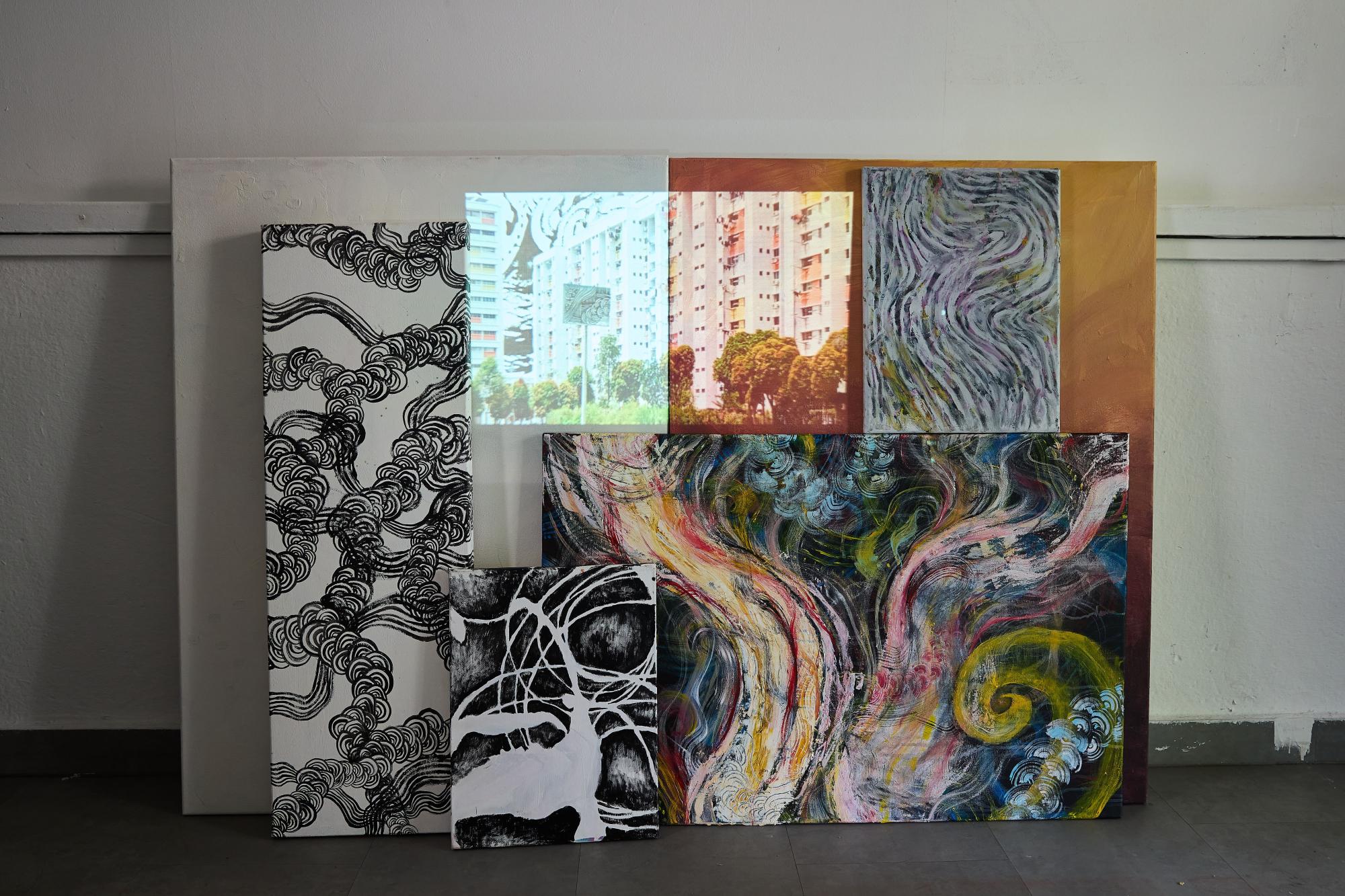
Working across drawing, photography, and relational methodologies, she explores the entanglement of temporality, identity and lived experience. She is particularly drawn to in-between spaces where fiction and reality blur, often rendered through intricate pen-based illustrations.
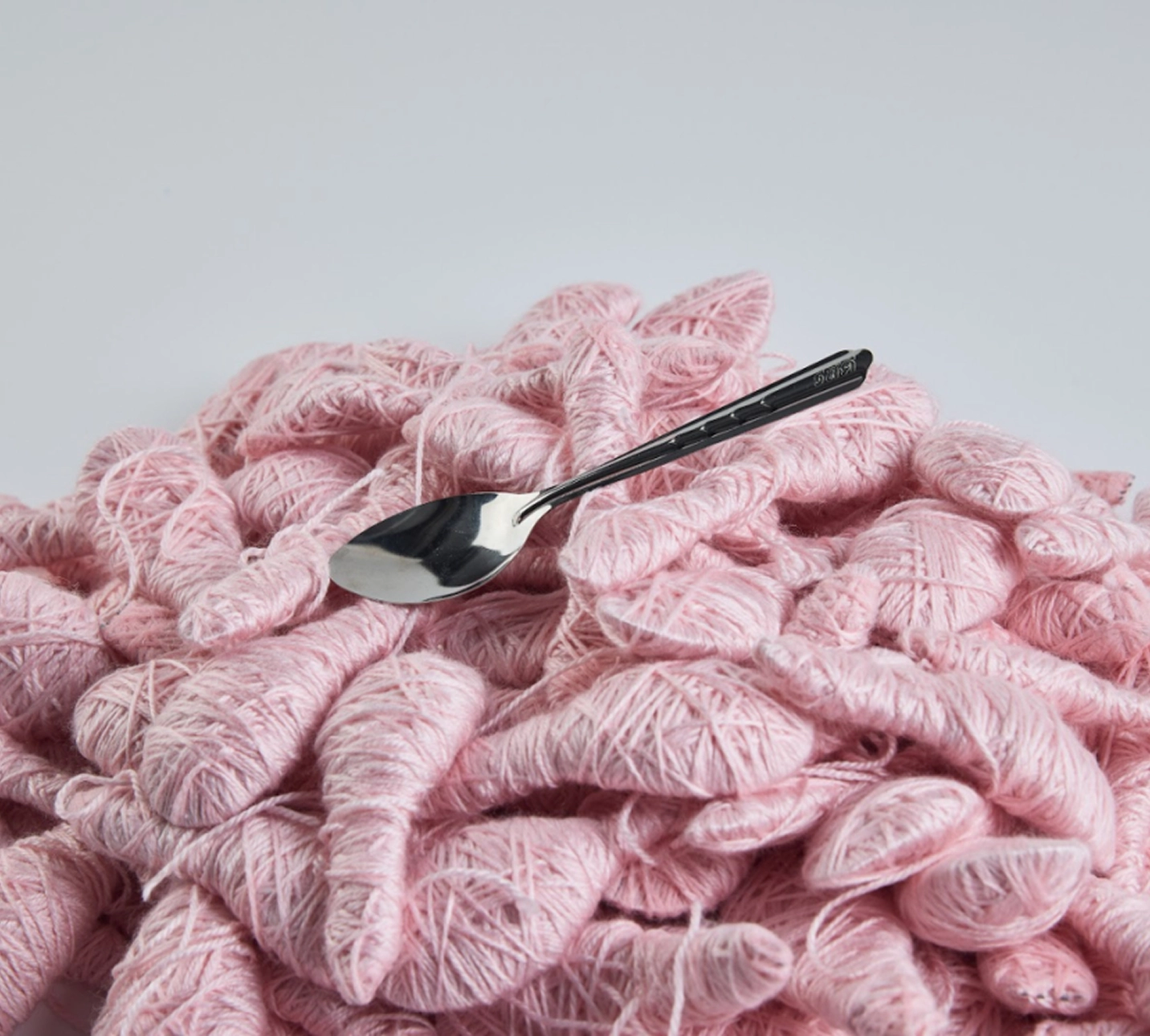
Natalie's current research focuses on food-based art practices, with an emphasis on the sensory and affective dimensions of taste, and the encoding of memory through acts of cooking, consumption and embodied transmission. Extending this inquiry, she explores the speculative capacities of plants and ingredients, attending to their symbolic agency in the shaping of memory and narrative.
Central to her practice is an ongoing collaborative engagement with her grandmother, through which she investigates ancestral knowledge, diasporic memory and the articulation of unspoken emotional registers.
Gustamorph Tapestry
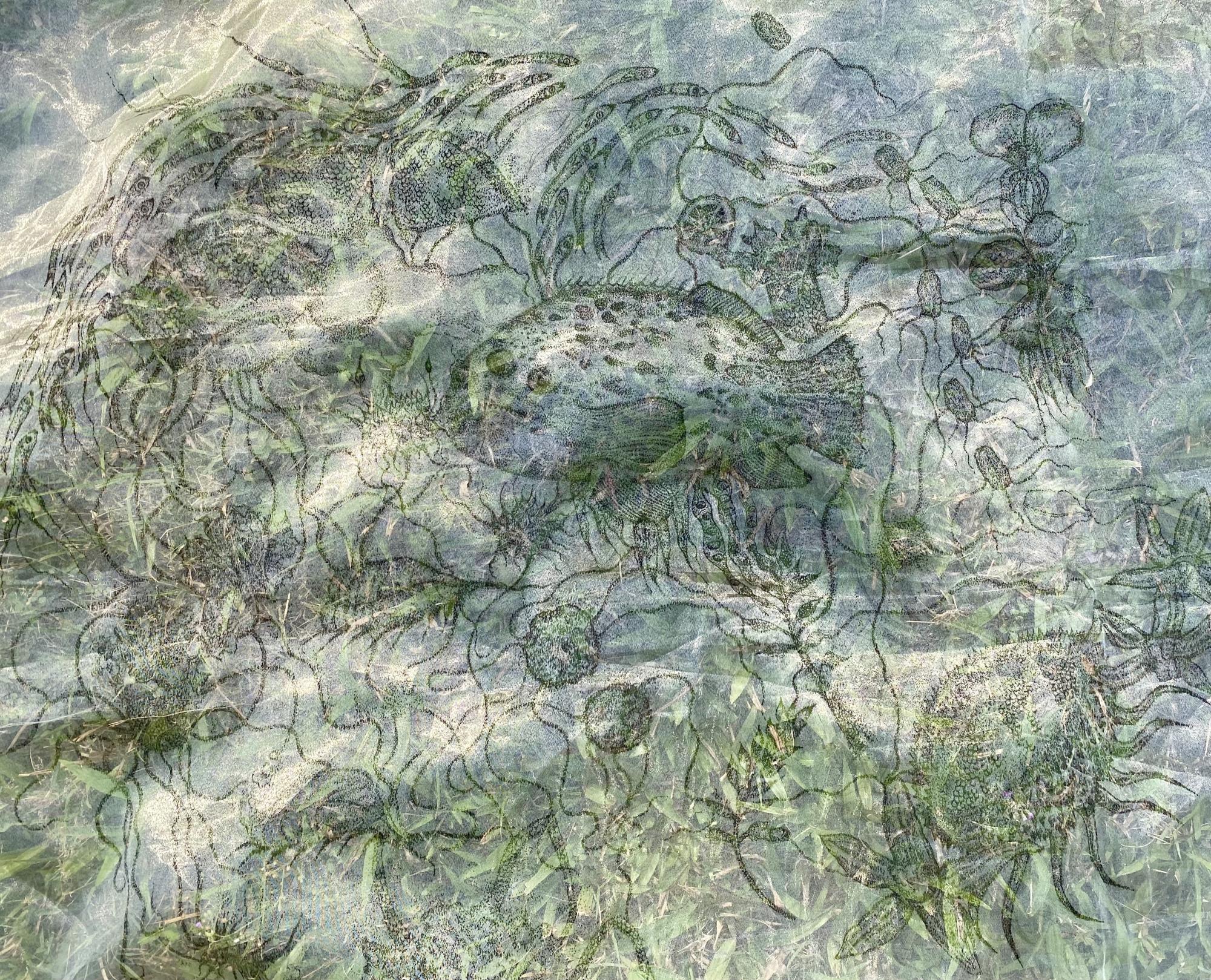
This series explores and reconfigures Southeast Asian ingredients as sentient, biomorphic creatures in a visual realm of illustration through pen stippling on organza fabric.
Drawing from collective memories, conversations with friends and participant responses from an earlier work, this illustration positions familial ingredients, vegetables, herbs and flowers as mnemonic vessels of matrilineal memory and ancestral knowledge.
Kaffir limes, skunk vine, long bean flowers and other ingredients transform into hybridised beings drifting within a speculative dreamscape, mirroring the wandering and evanescent nature of memory. Their reconfiguration reflects how culinary memory, through the lens of vegetal sentience, carries stories of migration, cultural continuity, care and identity.
Rooted in the concepts of gustemology and radical botany, this work opens a space to explore the imaginative and anthropomorphic dimensions of gustatory memory.
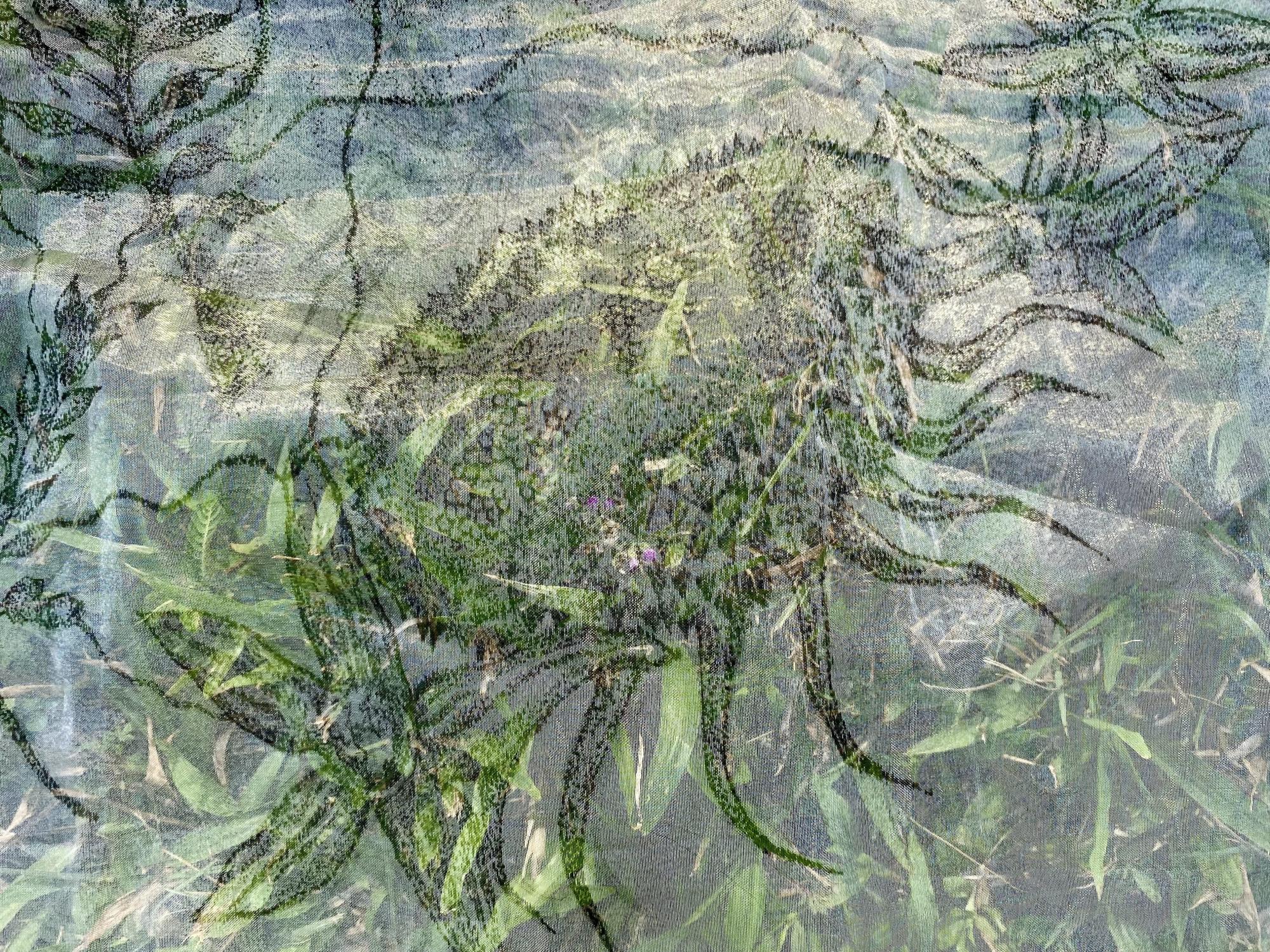
Close-up detail of artwork

Research methodology and theoretical framework
The research investigates interrelations between taste, sensory experience and embodied memory within contemporary food-based art practices. It examines how these elements converge to activate memory, cultural identity and collective histories.
Positioning food beyond a tangible medium, the research situates it as a carrier of embodied, cultural and intergenerational transmission.
This inquiry is grounded in theoretical frameworks including David E. Sutton’s concept of gustemology, Luce Giard’s understanding of cooking as a form of anamnesis, Carolyn Korsmeyer’s examination of embodied engagement and John Dewey’s pragmatism approach.
Yuni Sara Binte Hussaini
Khin Sit Thway
Aleisha Binte Abdul Rahim
Kerru

Sara Zahidi

Nur Ashserina