


Khin Sit Thway


About
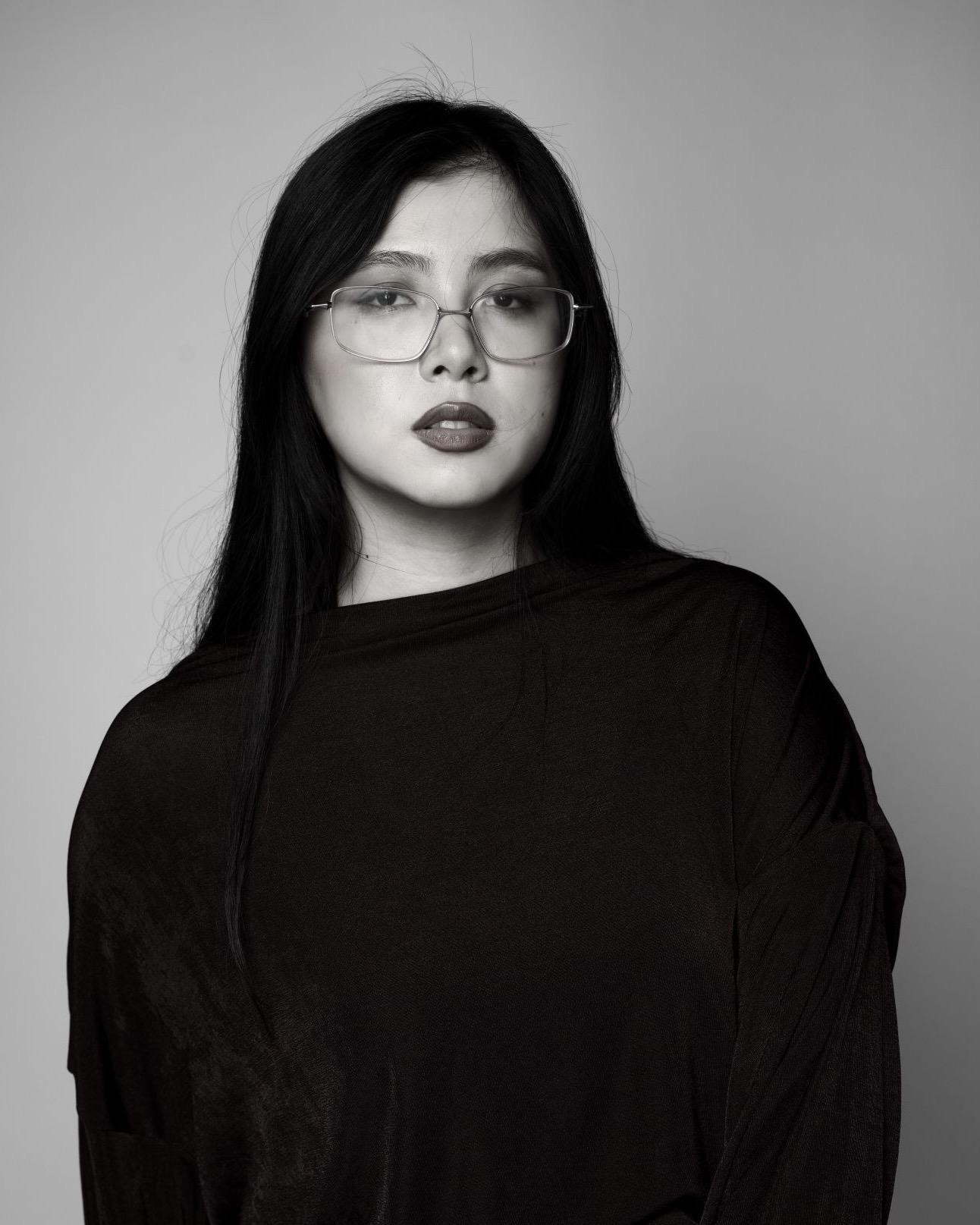
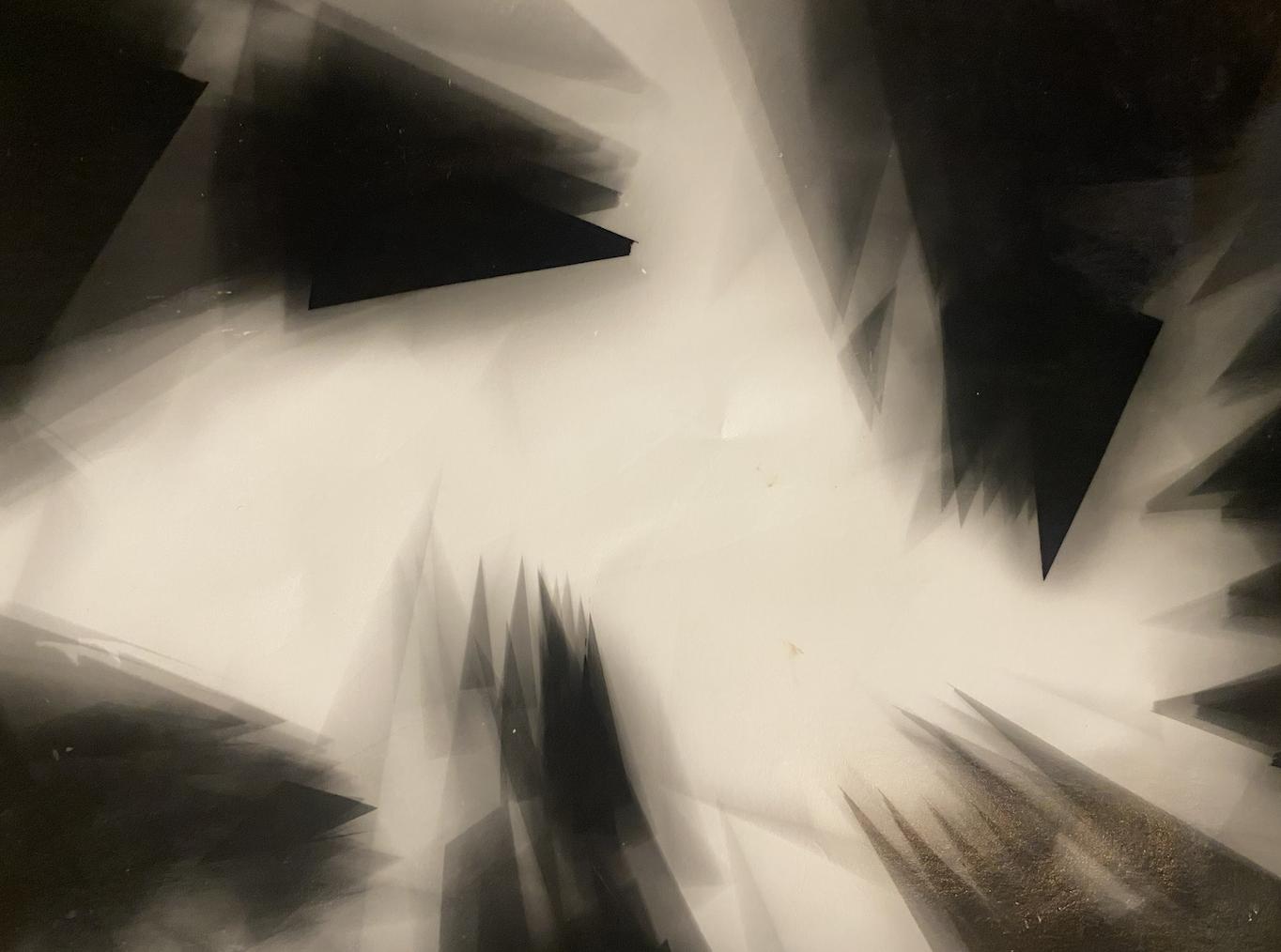
Sit is a multimedia artist who strives to delve into the fragile relationships between memory, landscape and the archive. Working primarily with charcoal, acrylic and layered material processes, her work investigates how histories are inscribed, erased and reimagined across time.
Sit's work often emerges from fragments—old documents, partial histories and imagined records—that blur the boundary between fact and construction. She aims to treat the archive not just as a container of truth but as a shifting field shaped by the repetitive reconstruction of the world it continues to document. Through the processes of layering, obscuring and material disruption, her practice questions how histories are remembered and quietly altered over time.
Sit has trained in the fine arts at the Paris College of Art before obtaining a BA (Hons) Fine Arts degree at LASALLE College of the Arts. Her experience includes being a graphic designer and editor for several art and journalism organisations back in her hometown, Yangon, Myanmar as well as being a junior design intern for a non-profit organisation in Chiba, Japan.
Sit is the co-founder of a Yangon-based community service providing art mentorship and classes for the underprivileged.
the breach pt. 1
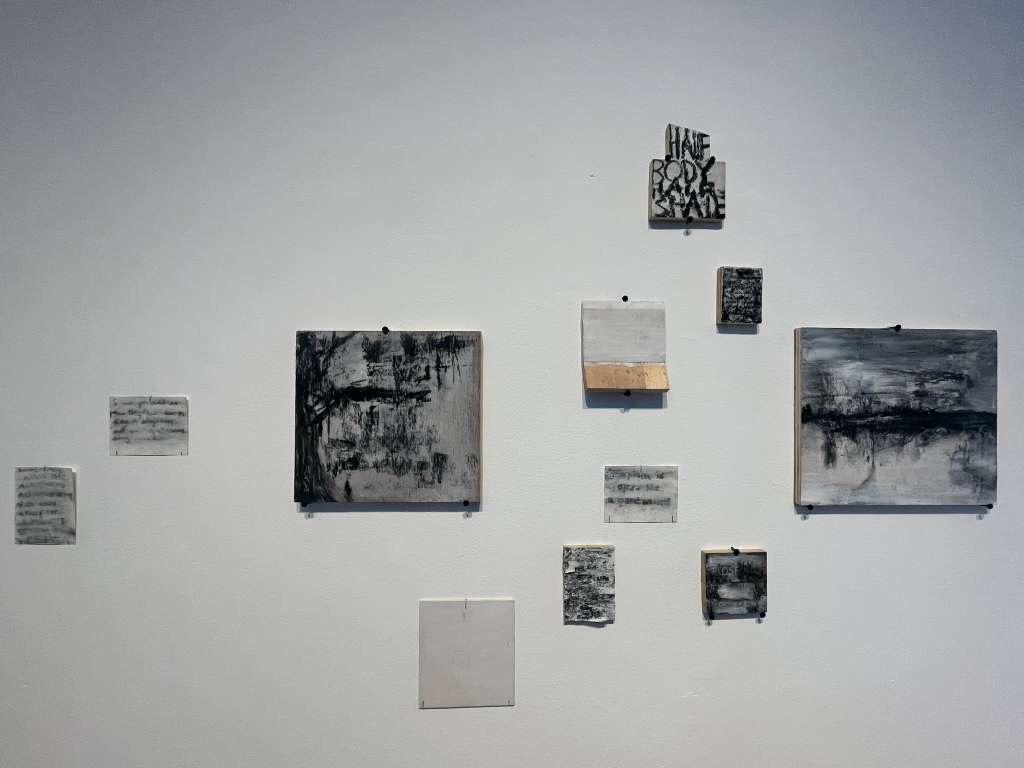
Charcoal, gesso, acrylic, wood, image transfer
(2026)
ဖဖဖဖ / ဖောက်-ဖျက်-ဖိ-ဖော် (breach, erase, press, reveal)
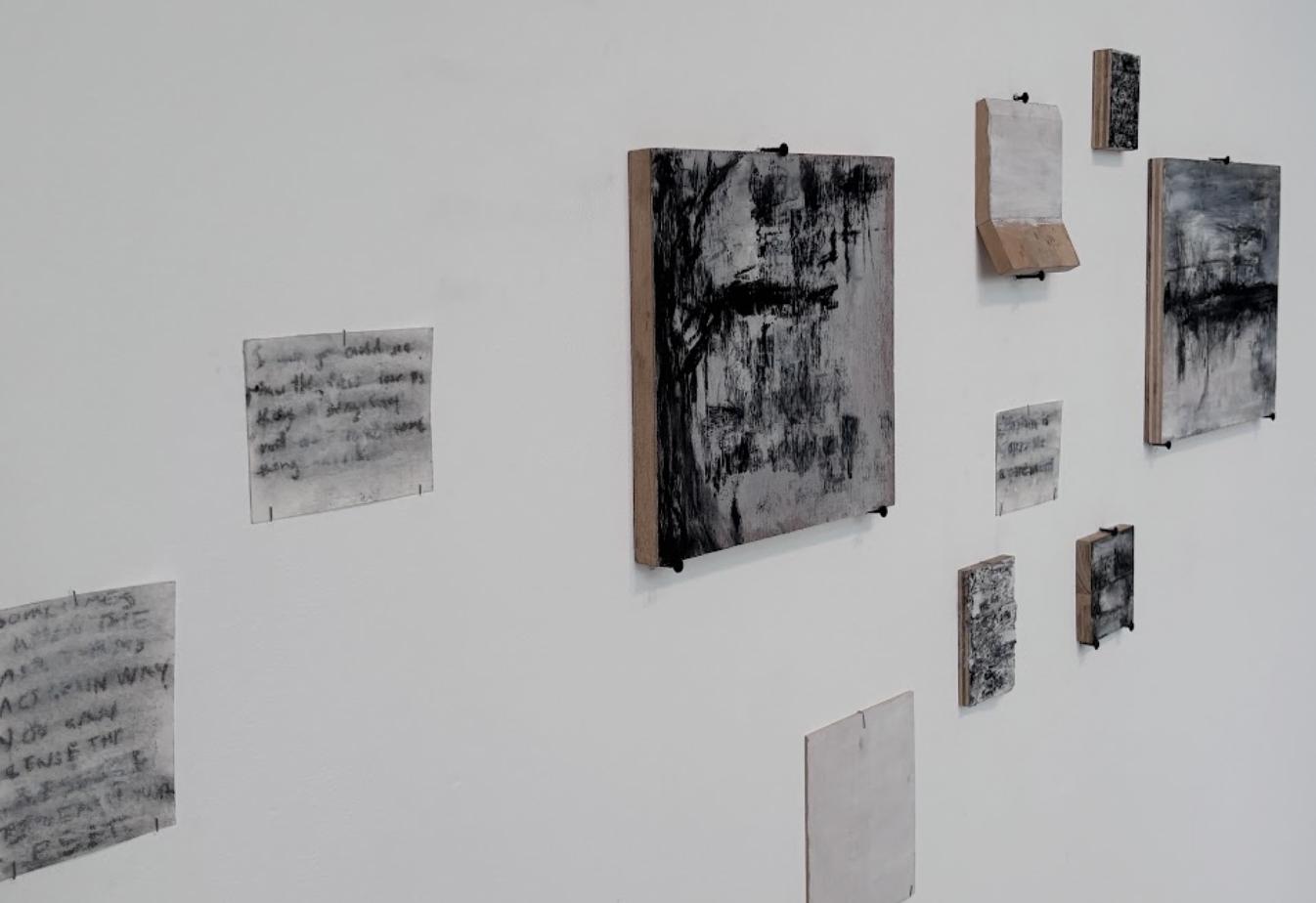
ဖဖဖဖ / ဖောက်-ဖျက်-ဖိ-ဖော် (breach, erase, press, reveal) presents itself as a partial body of a misrepresented archive—non-institutional, falsified and chaotic.
The geography and histories it claims to document remain uncertain and ultimately unverifiable. Rather than serving its purpose of preserving truth, the archive here performs its failures where texts are distorted, images remain between evidence and construction and materials are either for record or mere residue. The accumulation of fragments produces an illusion of authority while quietly undoing it, revealing how archives can fabricate coherence where none exists.
In this structure, error is not interruption but method. The body of work proposes a theoretical archive that cannot confirm its own origin, language or historical ground—a system of record where meaning is continuously deferred, and what remains is only the unstable trace of documentation itself.
the breach pt. 1
Charcoal, gesso, acrylic, wood, image transfer
(2026)


Research methodology and theoretical framework
The Open Work and the Closed Archive: Inscription and the preservation of the past
The research question framing this inquiry asks about the ways in which preservation of societal history through art practices intertwine with national archives. This question emerges from an interest in answering a structural problem within historical understanding: the demand that truth take the form of variable fact reaches its limit when confronted with the non-linear nature of traumatic memory. Realising the archive is never stable and is marked by vulnerability, the archived trace is therefore caught in a paradox that introduces loss, distance and silence in the very act of preservation.
This is an exploration into the fundamental differences between two different systems that attempt to preserve societal history both together and apart—the official archive of institutions and the open artistic practice. Drawing on critical theory and art criticism, the research seeks to discover how these two forms of preservation reflect distinct ways of knowing and unique methods for engaging with the truths of the past—especially those shaped by trauma and disorder.
A call-oriented ethnographic methodology is used in this project, referencing heavily from writers and philosophers such as Jacques Derrida, Paul Ricoeur, Marianne Hirsch, Susan Sontag, etc. This approach privileges serial over structural thought, emphasising that history is an ongoing production and cultural form that is continuously transformed through time. Art positions itself in this production as a distinctive medium alongside the institutionalised archive and therefore enacts on its own for documenting historical change and cultural flux.
The research does not aim to promote one system over another but rather offers a double critique of both systems, identifying the fundamental crisis inherent in each system and suggesting that neither provides a safe harbour for truth. Truth is instead found in the transactional rapport in which the two limited systems can collide.
Qalisha Muhammad Fariq
Aleisha Binte Abdul Rahim
Neo Weiqi

Michelle Loh

P Iniya
Zhen Hong Toh 卓政鋒
