


About
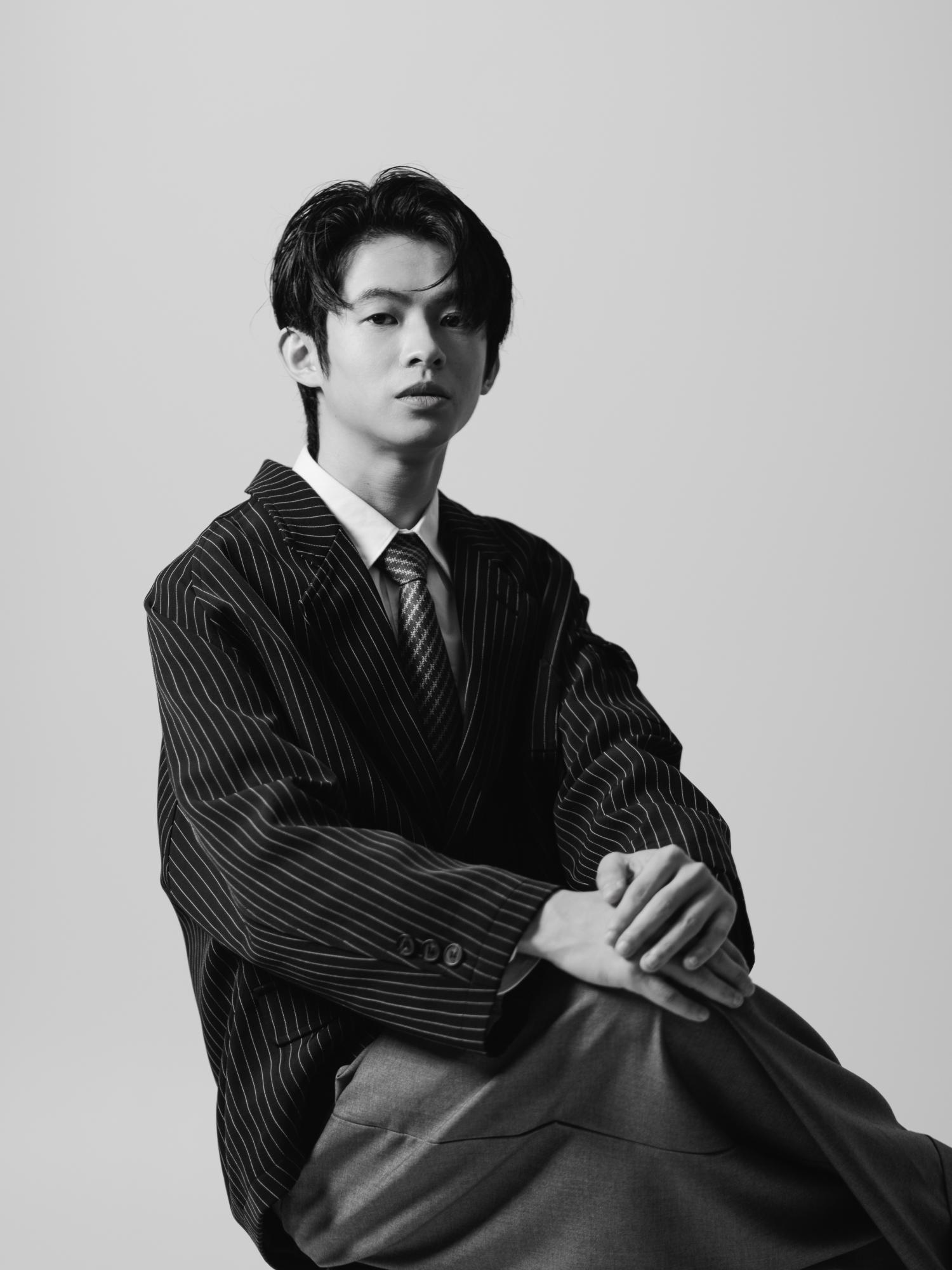
Yi Xun approaches interior design as a dialogue between space, material and human experience.
Working across interiors, furniture, lighting, textiles and branding, he creates cohesive, story-driven environments that evoke emotions and foster strong connections. He believes good design should be intuitive, immersive and lasting for the people who inhabit it.
Aerated Bathhouse
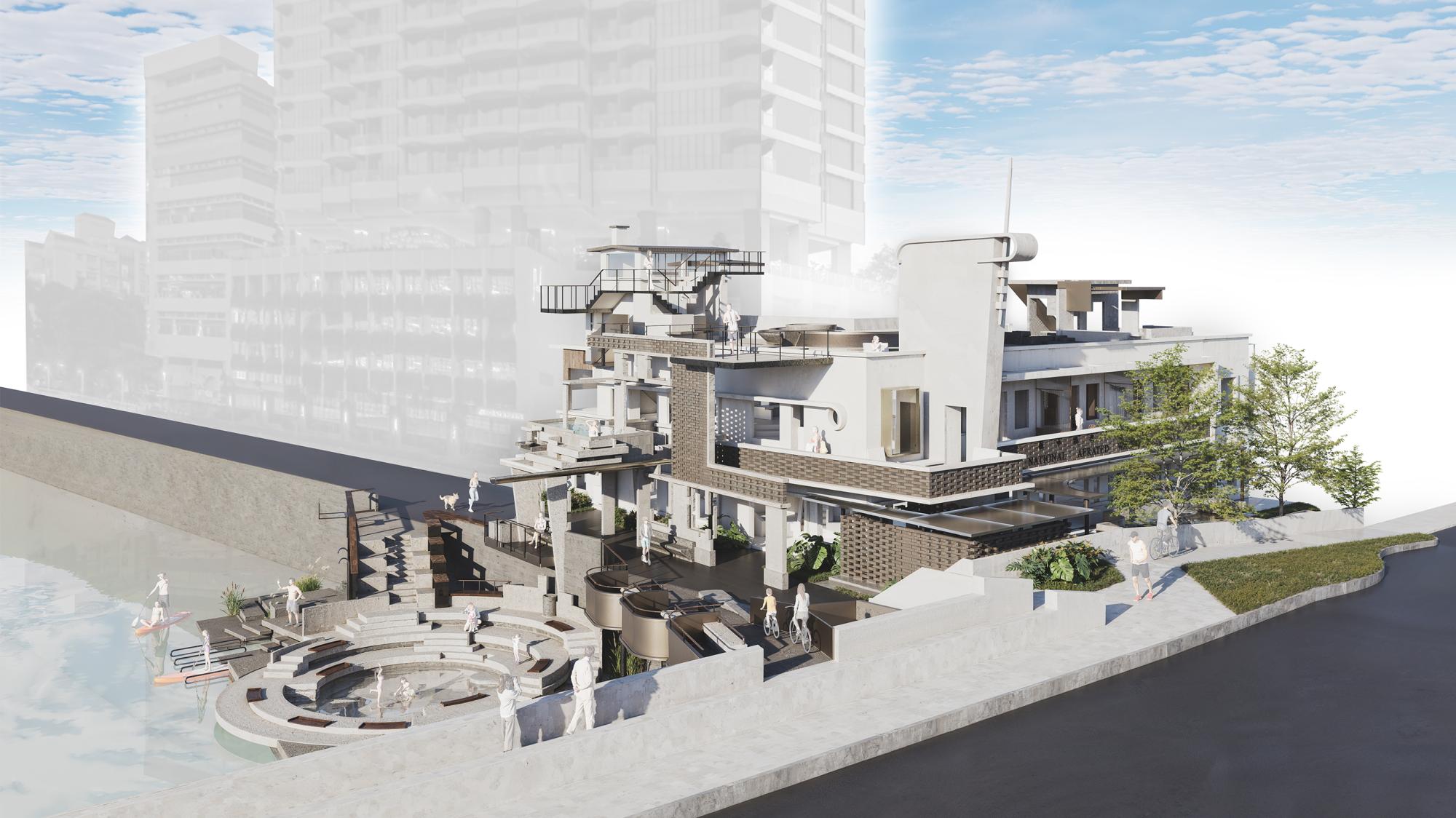
Exterior of the Aerated Bathhouse
from bottling to bathing, mediating between urban wellness & recovery
at the river’s edge
Aerated Bathhouse reimagines the former water bottling factory as a restorative bathhouse, located along the Kallang River and its vibrant park connector.
What was once a place for an industrial water bottling factory is now transformed into a space that supports recovery and well-being. Instead of producing carbonated drinks, the building now offers water as an experience that helps people rest, heal and reconnect with themselves.
It is designed as a pit stop for joggers, cyclists and nearby residents who pass through the area daily. After long runs or rides, users are able to have a calm environment to slow down and recover.
The spaces are planned as a sequence of experiences, from cooling down areas to warm baths and quiet resting zones. These help to improve blood circulation, reduce muscle tension and support overall relaxation.
The design draws inspiration from bathing rituals, where water is used not just for cleaning but also to restore both body and mind. These ideas are adapted to a modern urban setting that fits the city's pace and needs.

Extended facade

Development diagrams
By adaptively reusing this existing factory, the project keeps much of its original industrial character. The structure, materials and scale of the building are preserved to retain its history and identity.
At the same time, new layers are added to soften the space and make it more welcoming. Light, texture and water are carefully introduced to create a serene atmosphere. Water flows through different parts of the building, through basins, pools, thermal baths and shallow reflective surfaces, allowing users to not just see but hear and feel it in different ways. This helps to reconnect people with the sensory and healing qualities of water.
It also extends beyond the building itself. Parts of the architecture reach out to the river, creating spaces that sit between the land and the water. These areas act as gentle transitions, where people can pause, sit or simply observe the surroundings. By opening up the building towards the Kallang River, the project blurs the line between indoor and outdoor, between architecture and landscape.
This new connection encourages passersby to slow down and engage more closely with the river. In a city like Singapore, where water is carefully managed and highly valued, the project brings attention back to water as something we can experience in everyday life.
Beyond infrastructure, the new connection is something personal and meaningful. In this way, the bathhouse is more than just a place for recovery; it is a shared space for rest, reflection and connection, where the body, the building and the river come together through water.

Exploded axonometric

Public indoor children's pool
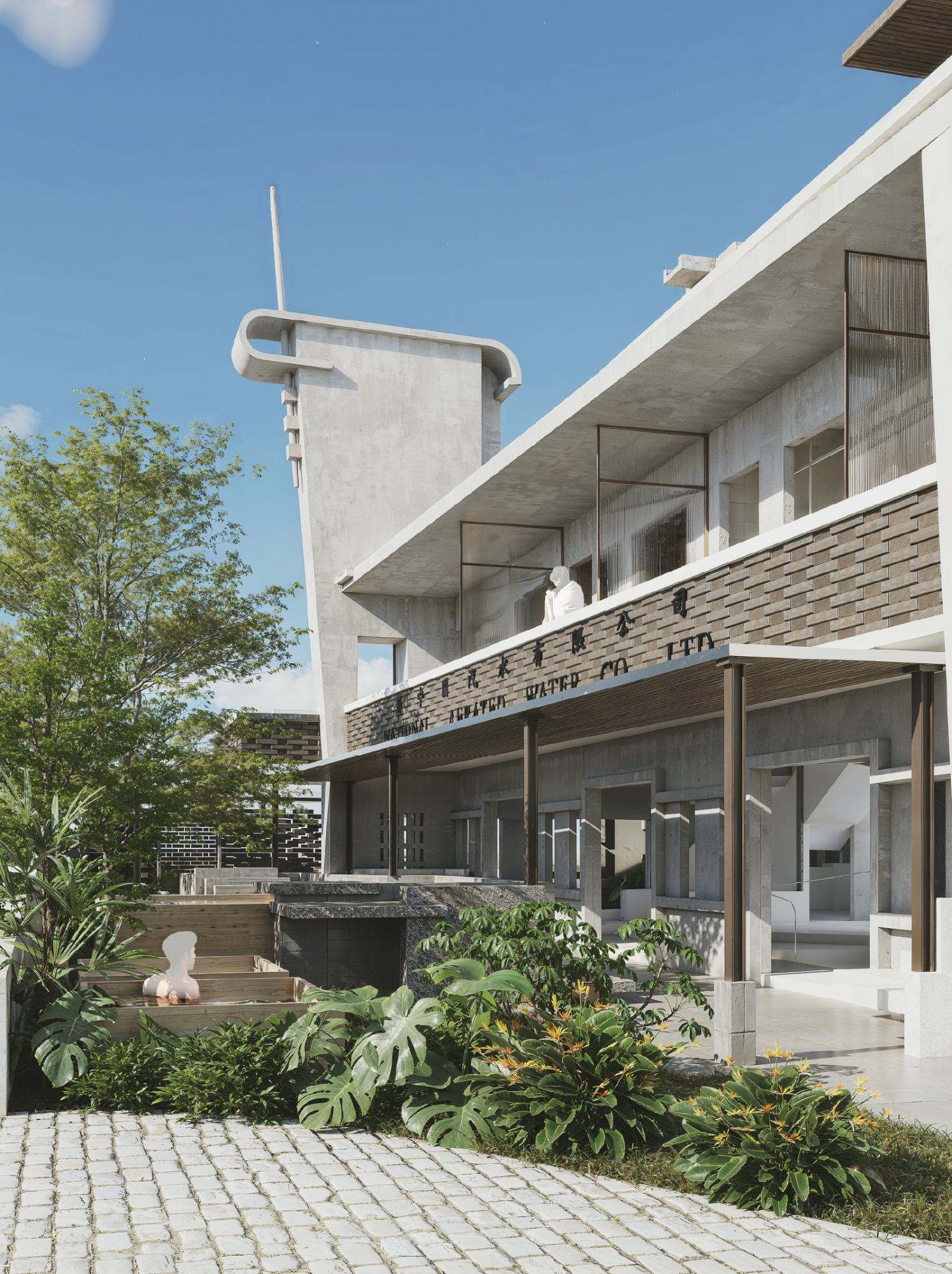
Outdoor plunge

Main bathing area

Private bathing rooms

Physical model of the Aerated Bathhouse
Jacinda Han Shi Yun

Jiang Huaiyu
Enrique Tennakoon-Teo
Allya Takeisha Fallsa

Sarah Woo Kar Yann
Afiqah Sairi