


About
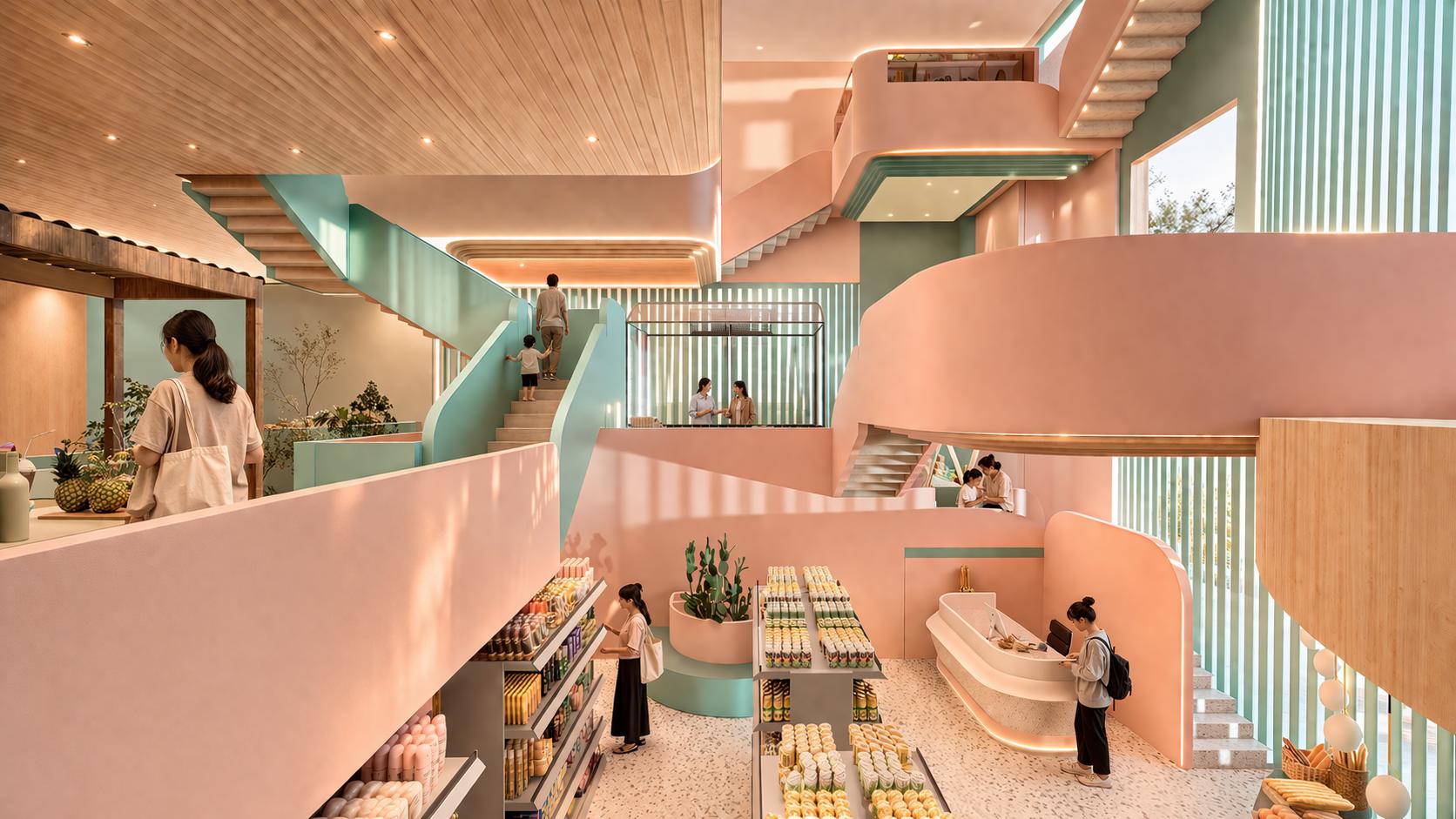
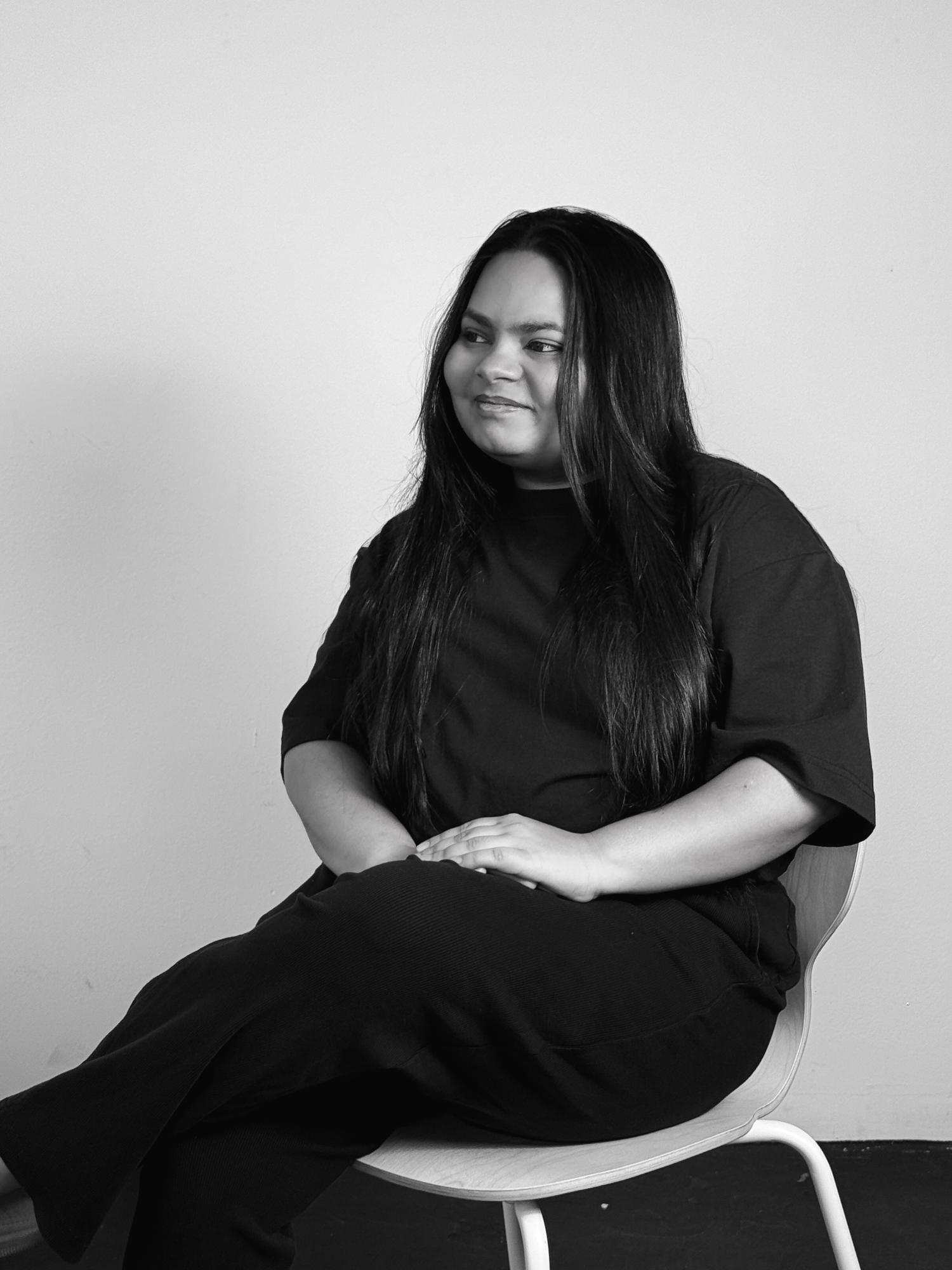
Manasvi approaches design through curiosity, experimentation and a deep sensitivity to human experience.
In her interior design practice, she explores how people perceive, inhabit and emotionally respond to space, using observation, iteration and material investigation as key tools in her process. She is particularly interested in the role of light, texture and colour in shaping atmosphere, and how these elements influence mood, behaviour and spatial perception.
Manasvi's work is rooted in hands-on experimentation, involving studies that examine how materials react under varying conditions of light, translucency and layering. Through this process, she develops a nuanced understanding of materiality and its impact on spatial quality. She also investigates how spatial relationships such as thresholds, transitions and levels guide movement and interaction within an environment.
Balancing conceptual thinking with practical application, Manasvi creates spaces that are both expressive and functional. Her designs are dynamic, layered and adaptable, responding to the needs of diverse users. She is particularly drawn to projects that foster interaction and community, creating inclusive environments that support meaningful connections and everyday experiences.
Ageless Oculus
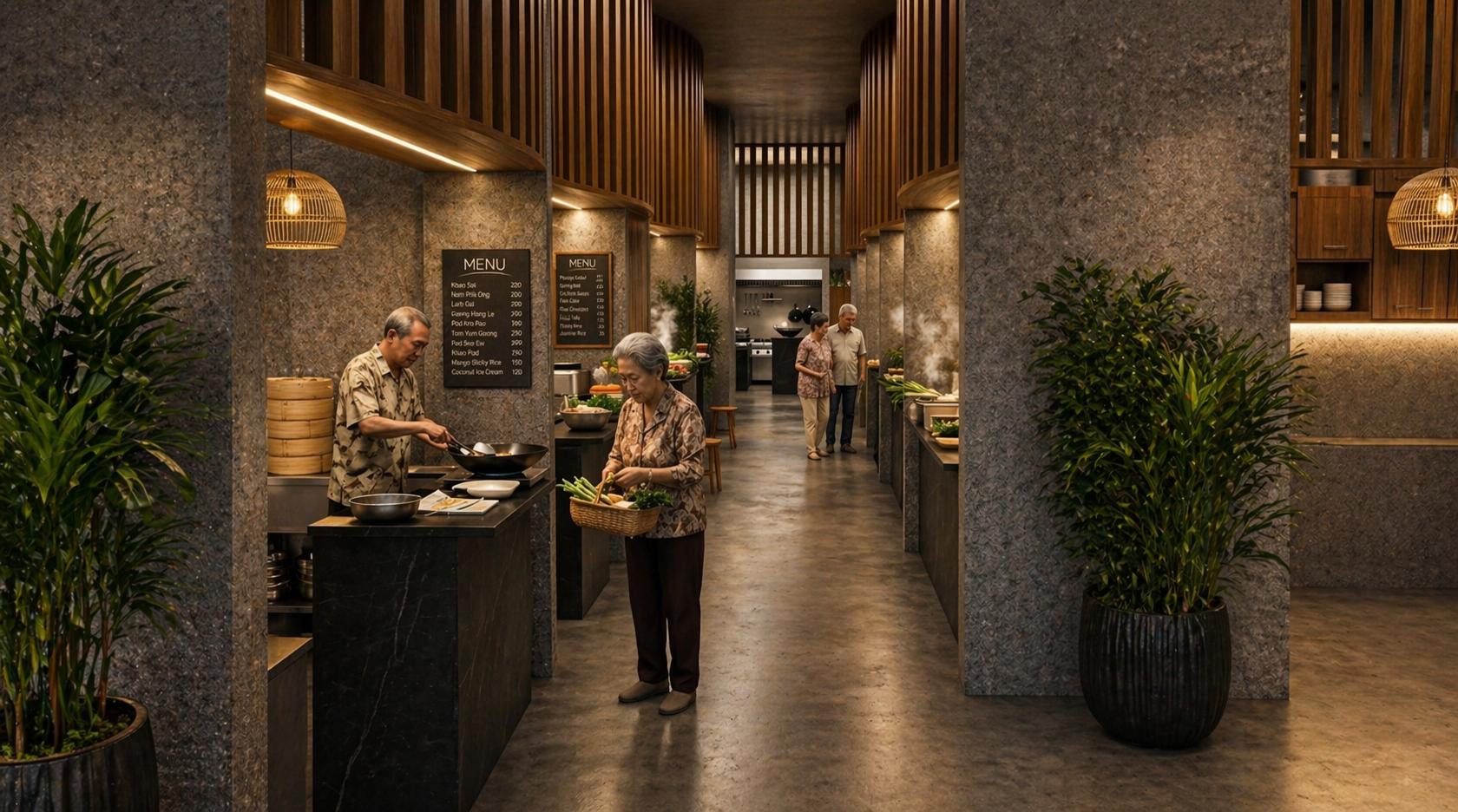
A vibrant network of food stalls activates the space, encouraging interaction, sensory engagement and cultural exchange while celebrating everyday rituals of dining, community and shared experiences.
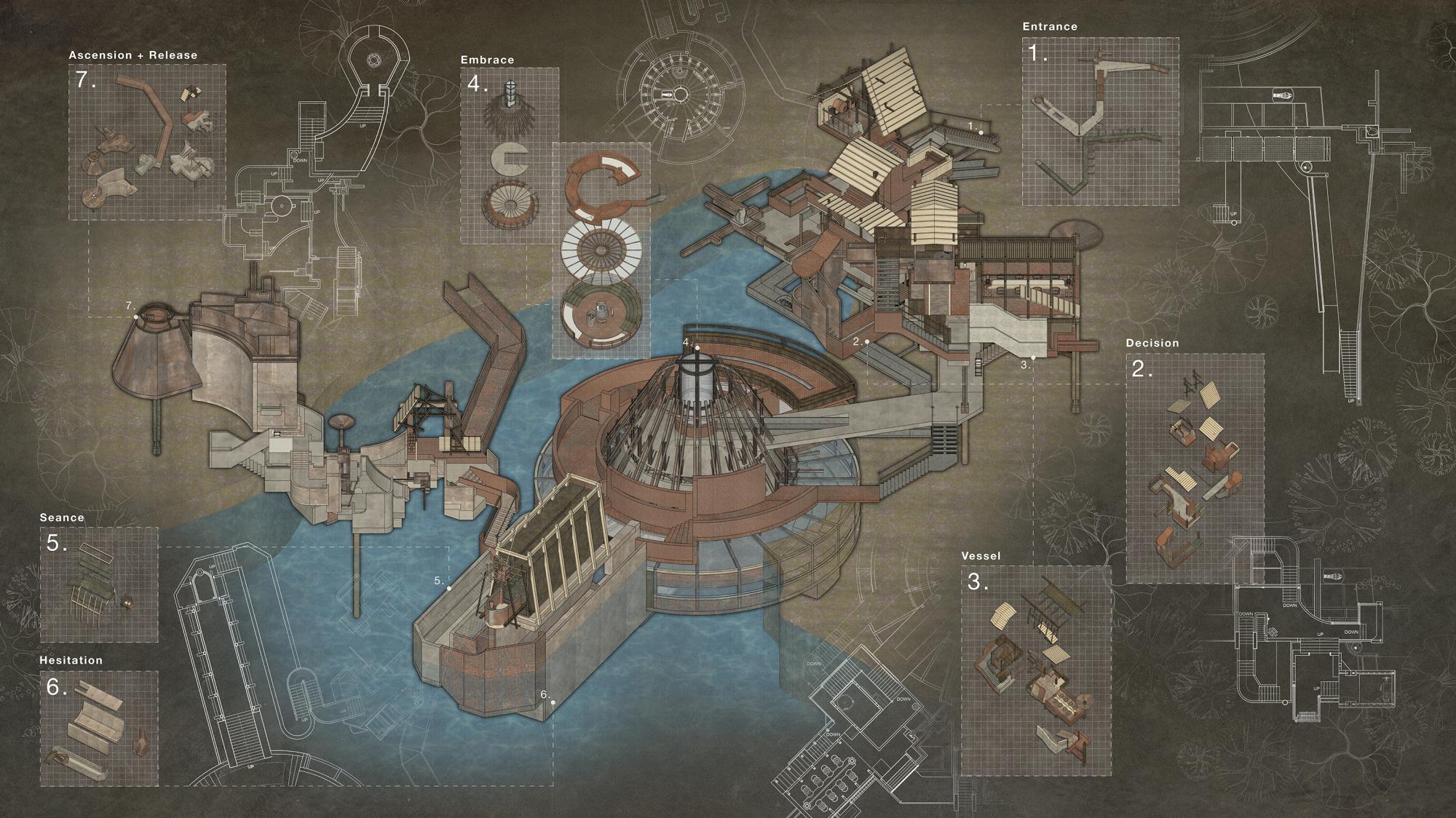
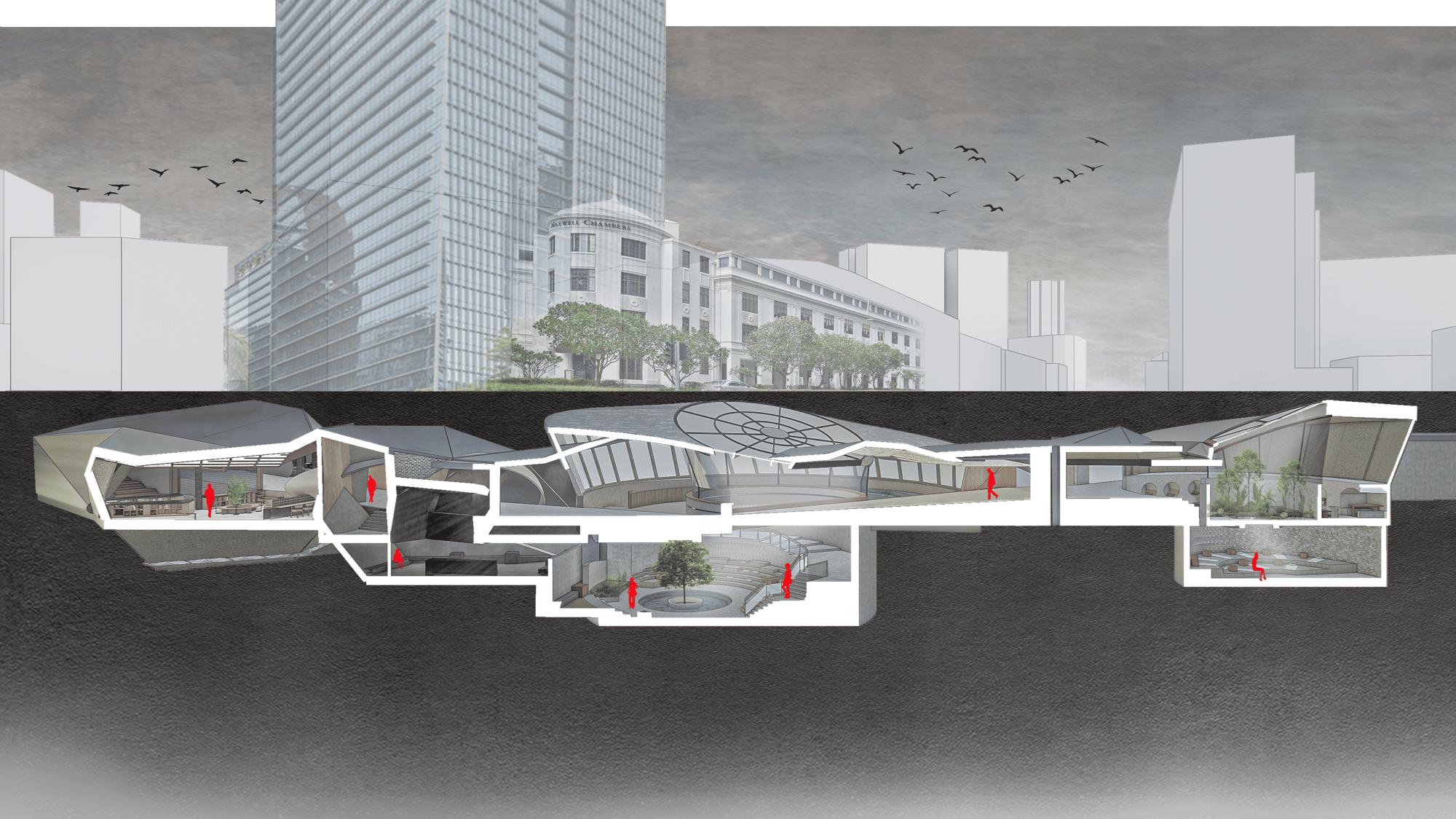
The project reimagines Chinatown Complex as an inclusive, multigenerational environment that responds to the evolving needs of an ageing population.
It prioritises accessibility, spatial clarity and comfort to better support elderly users in their daily routines, ensuring ease of navigation and a sense of security within the space. By reconfiguring the conventional hawker centre into a more open and legible layout, the design improves visibility, reduces congestion and creates intuitive pathways that guide movement naturally.
The integration of dining, wellness and recreational spaces encourage social interaction while reducing isolation, allowing users to engage at their own pace. Spaces are designed to be flexible and adaptable, supporting a range of activities from quiet rest to active participation.
Through this approach, the project promotes independence, dignity and a stronger sense of belonging, transforming everyday experiences into opportunities for connection, care and meaningful community engagement.

A two-level curved form responds to the street, opening up visual and physical connections, guiding movement naturally while creating an inviting, porous edge that encourages flow, interaction and public engagement.


Lounge
A relaxed social space encouraging informal interaction, comfort and visual openness through flexible seating arrangements.
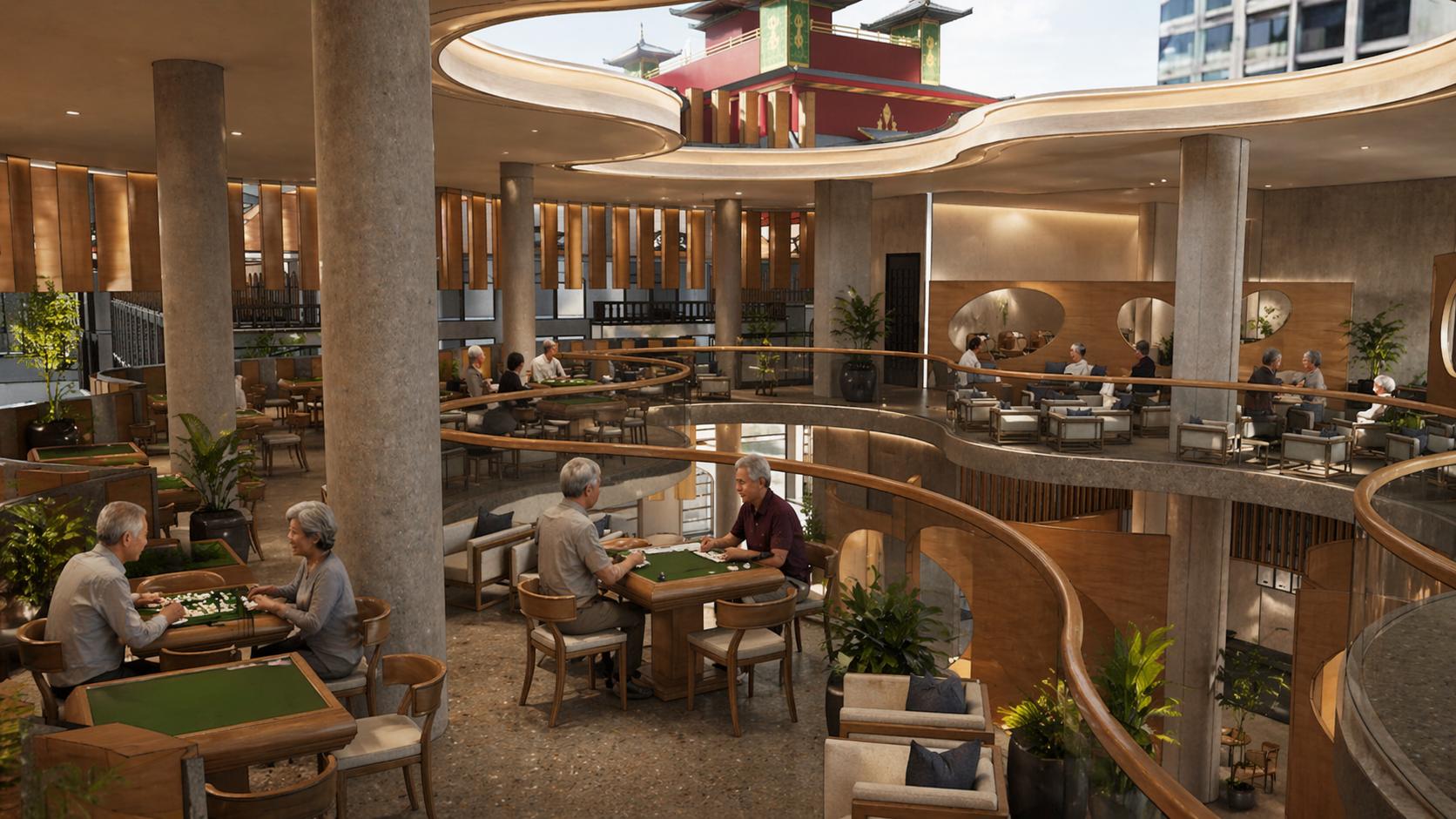
Mahjong
A lively interactive zone fostering engagement, strategy and social bonding through familiar and culturally rooted gameplay.

Yoga
A calming space for mindful movement, breath awareness and balance, promoting physical and mental well-being.

Female spa
A soft, layered environment focused on comfort, sensory richness and intimate spaces for relaxation and rejuvenation.
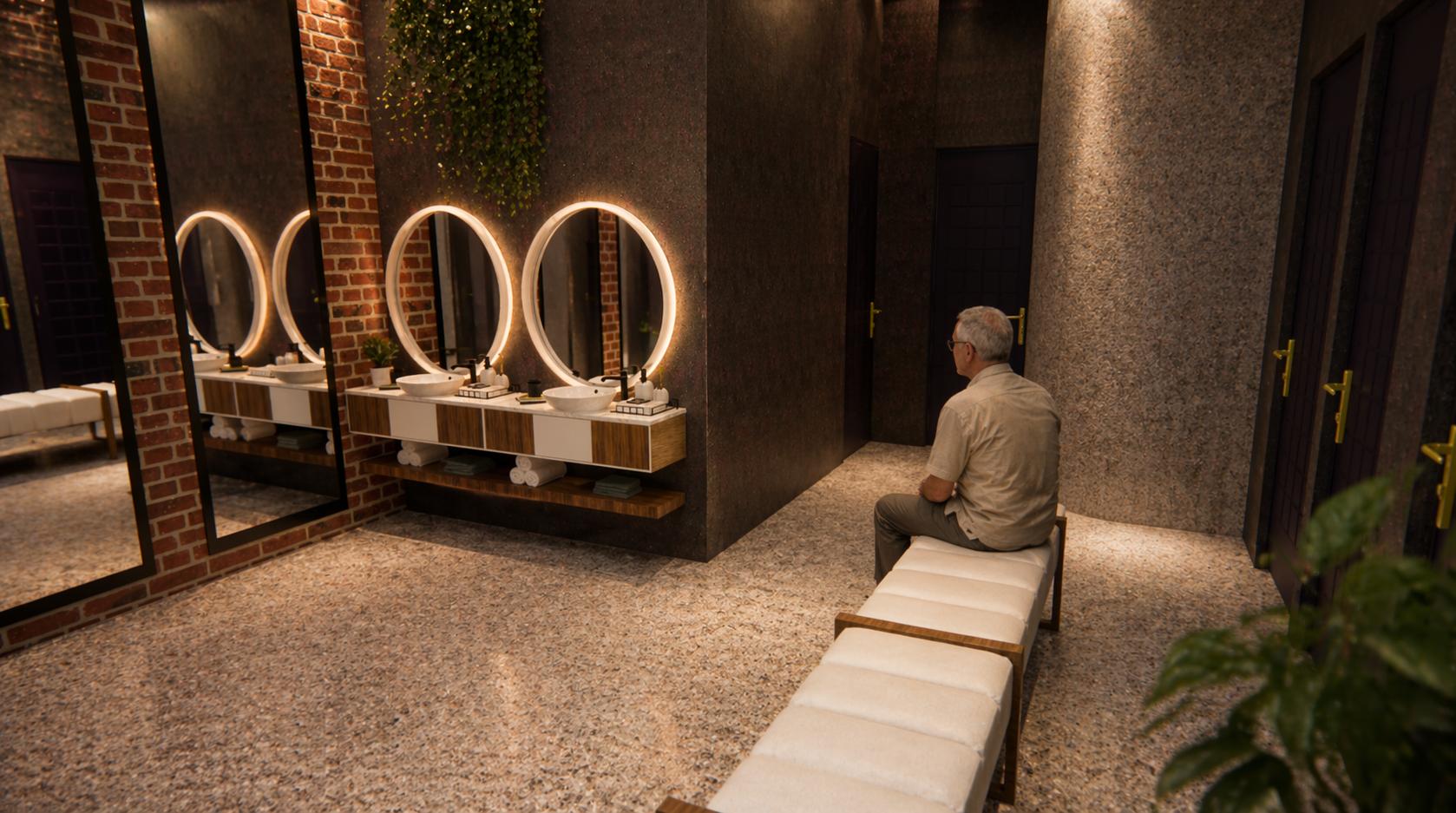
Male spa
A calm retreat offering structured relaxation, grounding materials and quiet zones for mental restoration and privacy.
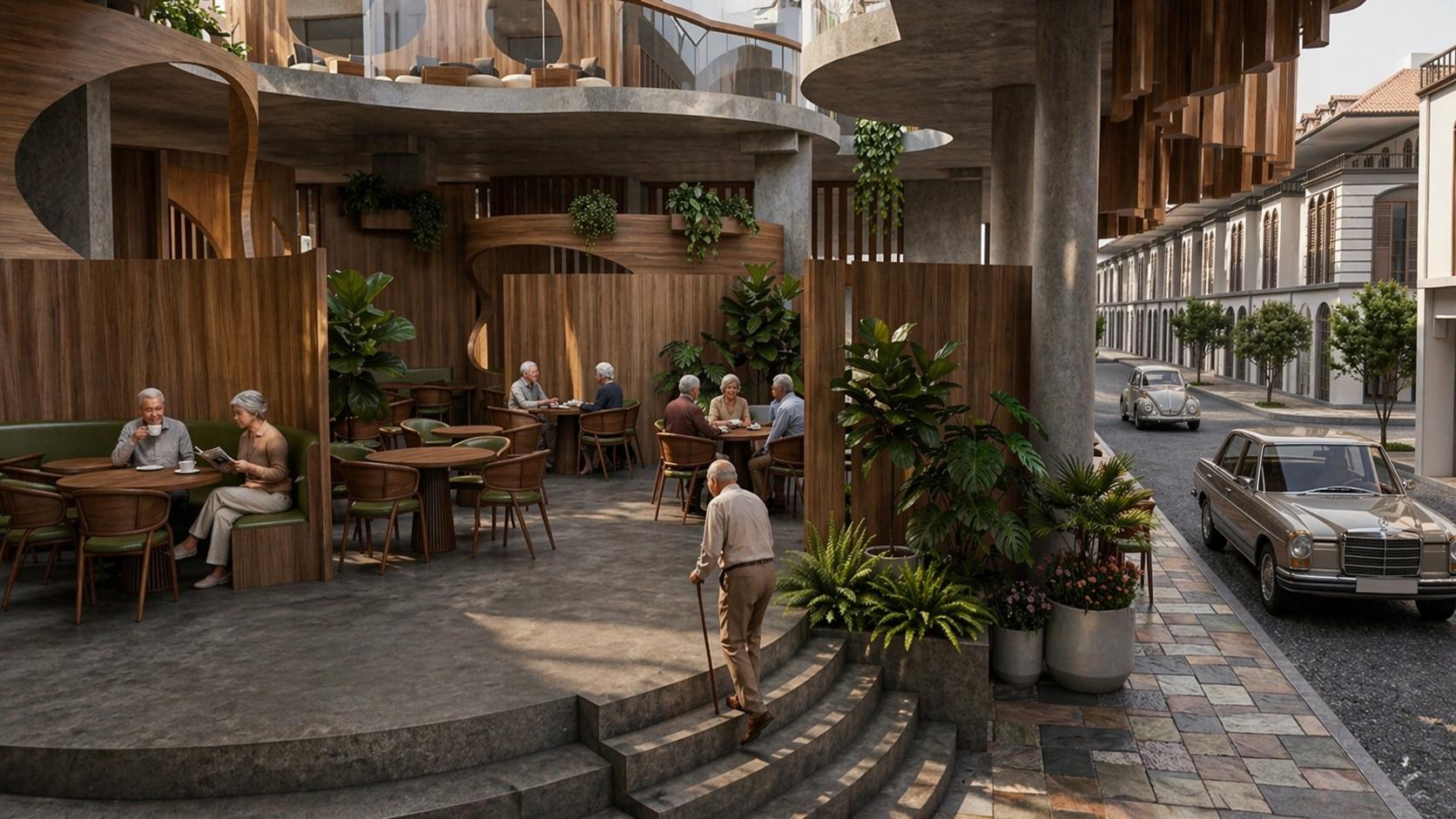
Dining
A communal setting that brings people together, celebrating shared meals, conversation and everyday social connections.
Jeanette Reviana Tan

Kim Giyeon

Valencia Prisha Cassandra Malonzo

Alicia Lim
Graciella Lim
Karren Tiffany