
Mohamed Farhan Bin Mohamed Salahuddin


About
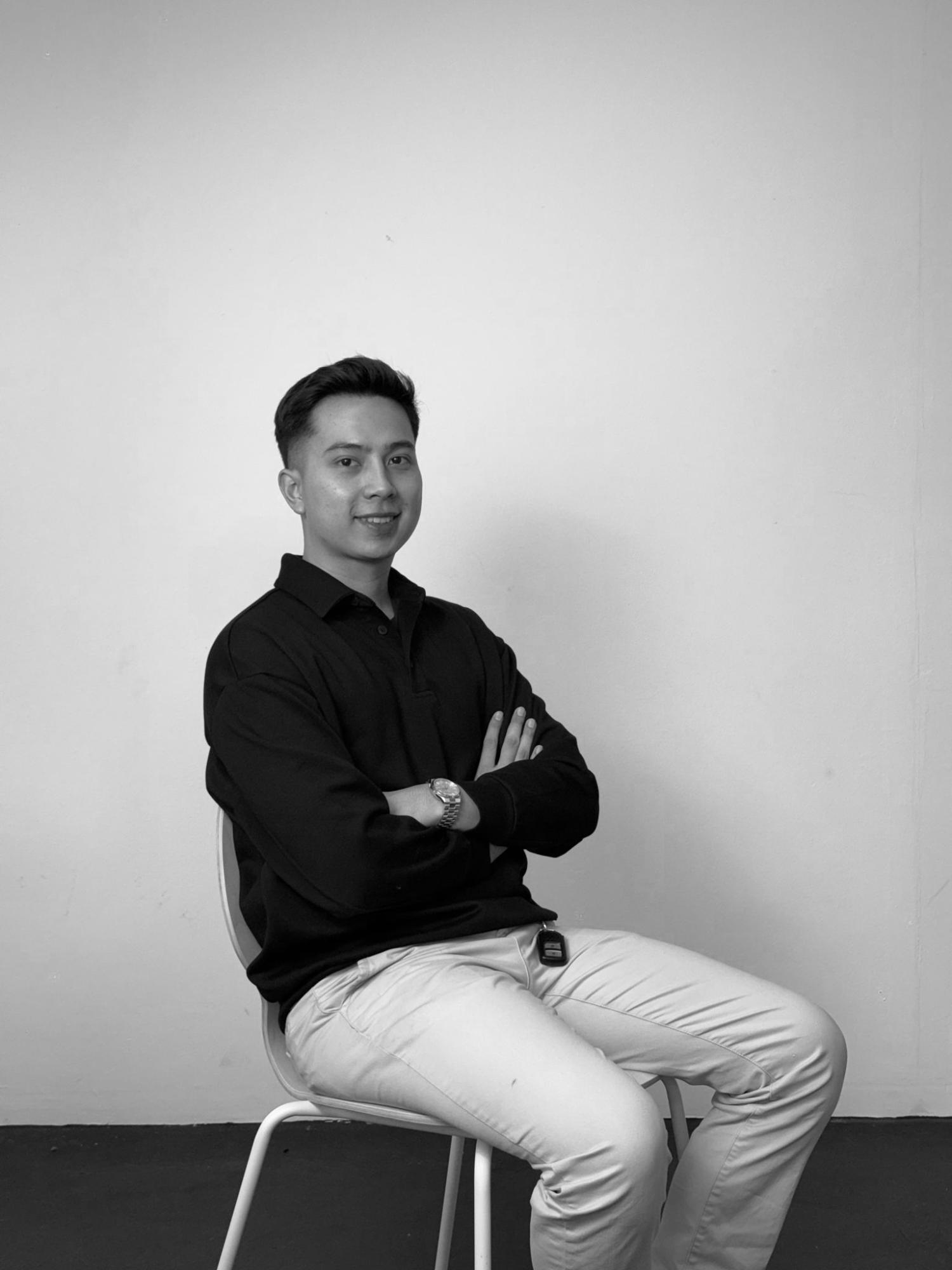
Farhan is a positive and driven individual with a deep appreciation for how spaces shape lifestyles.
He began his design journey with a diploma in architecture before gaining full-time experience in the interior design industry in Singapore. This background has given him a practical understanding of project coordination, site conditions and the process of translating design concepts into built outcomes.
Through his academic and professional experiences, Farhan continues to refine his design thinking while developing a balanced approach between creativity and practicality. He is constantly observing spatial flow and how it influences everyday experiences, from movement and interaction to the way environments can affect mood and comfort. He is particularly interested in creating spaces that are thoughtful, functional and responsive to the needs of its users.
Farhan values clarity, adaptability and attention to detail in his work, and is committed to continuous growth as he develops his path in the design field.
Evolving Estates.

Overview
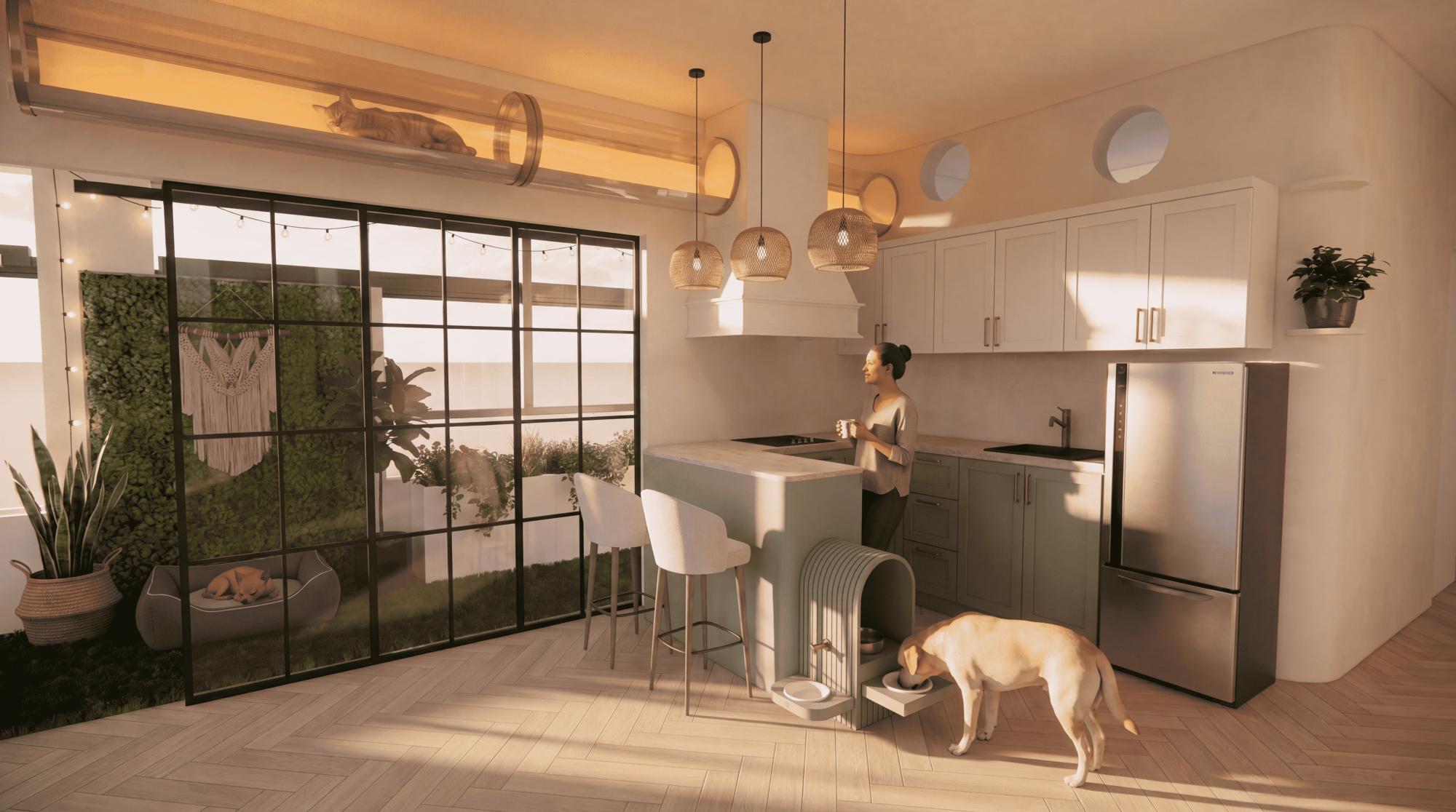
This project rethinks public housing in Singapore in response to ecological pressures and changing family structures. With an ageing population and increasing need for family-based care, existing estates present an opportunity to be retained and reimagined for intergenerational living rather than replaced through continuous redevelopment.
The proposal introduces a retrofit framework based on adaptable housing systems, where units can evolve over time to accommodate expanding and contracting families. Through a flexible spatial grid, homes are not fixed but can be reconfigured according to occupants’ needs, supporting both independence and proximity across generations.
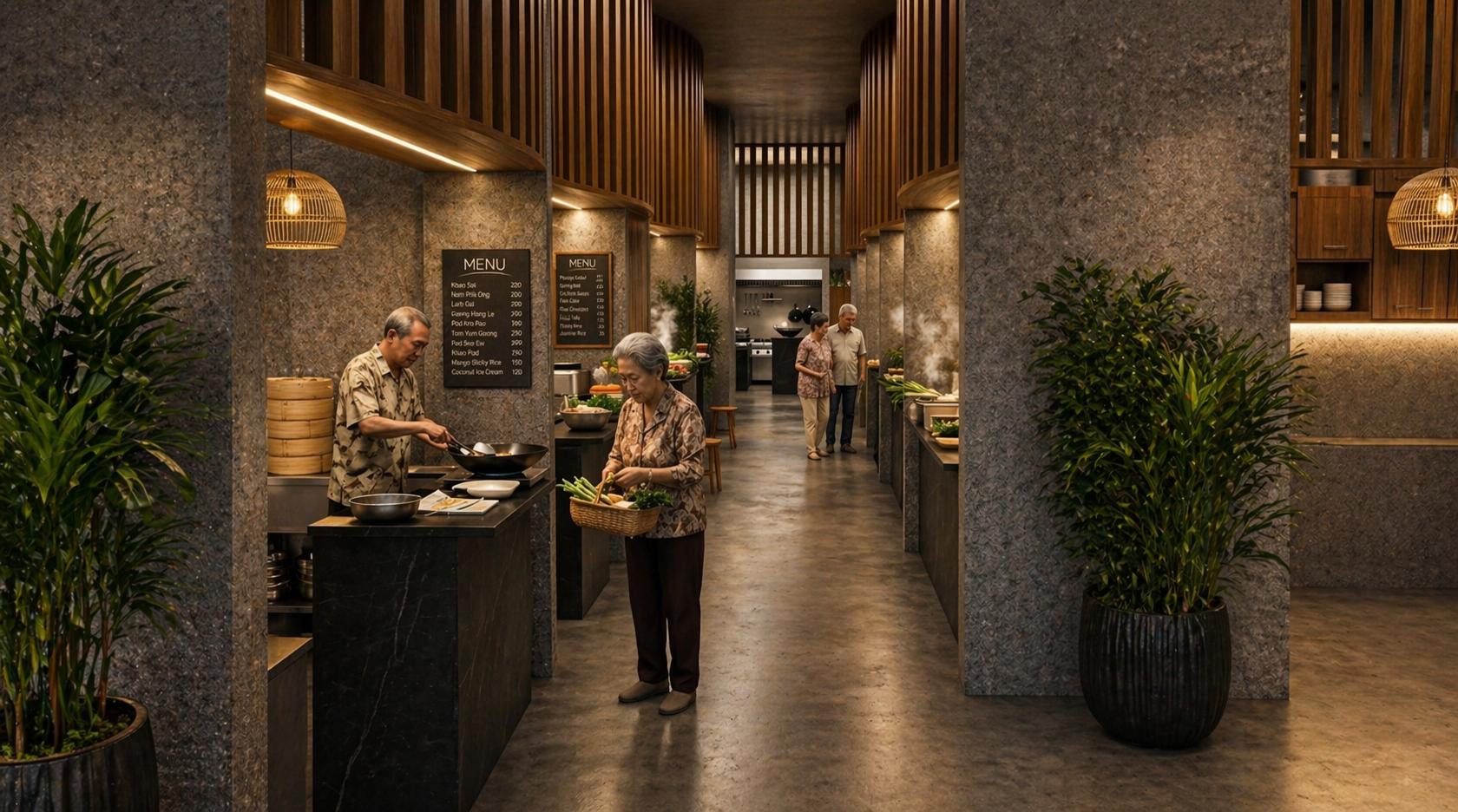
Complementing the housing units, a series of shared programs including community living rooms, workspace libraries, fitness areas and community gardens are integrated within the estate. These spaces extend domestic life beyond the unit and encourage everyday interaction, care and activity among residents of different ages.
Together, the project positions housing as a dynamic and socially responsive system, where architecture supports long-term adaptability, strengthens community ties and reduces ecological loss through retention and transformation.


Lee Si Qi
Sarah Woo Kar Yann

Anousha Ray
Nantanie

May Thu Soe (Isabel)
Manasvi Kedia