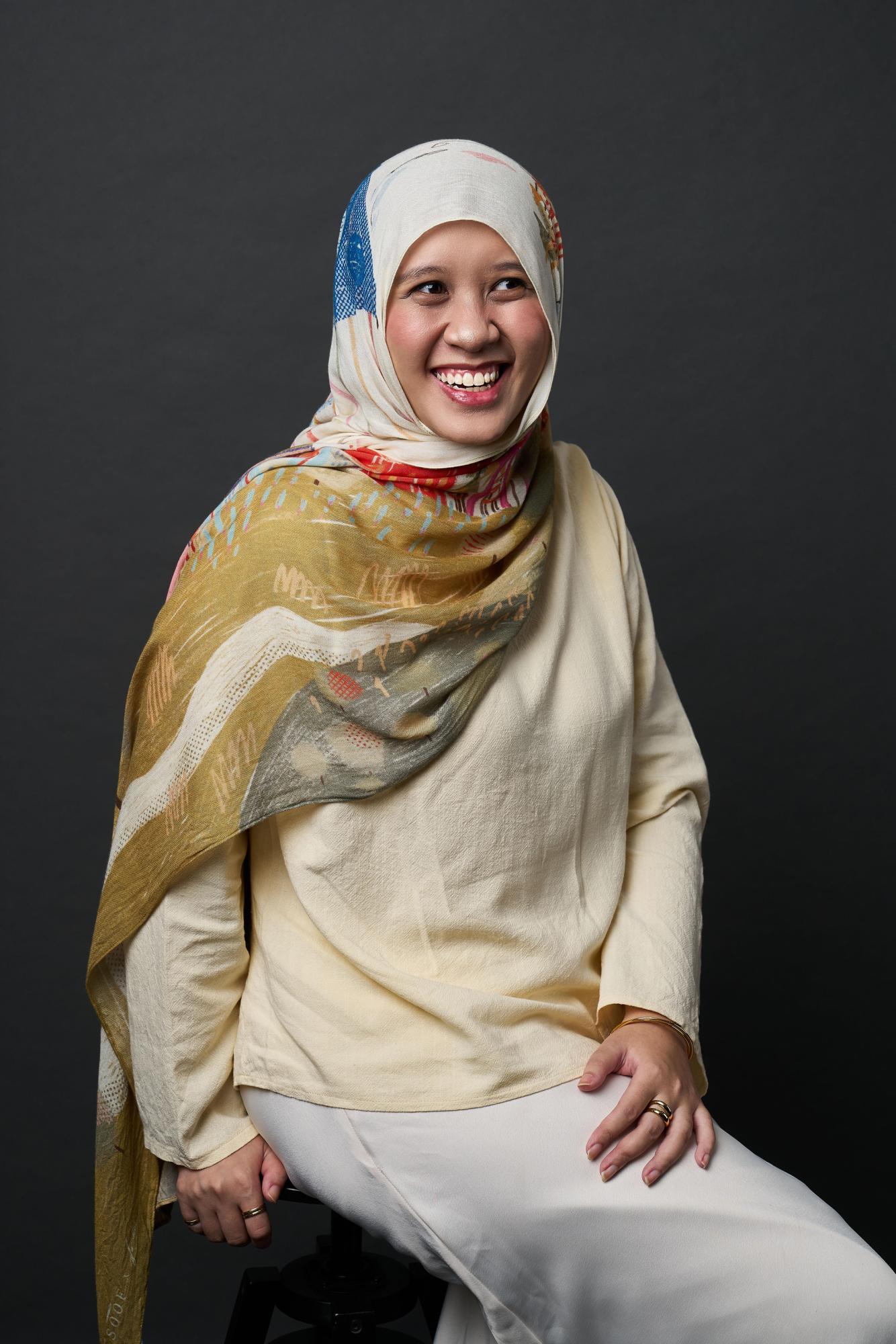




About
Sharafah is an emerging arts manager based in Singapore who is graduating from the BA (Hons) Arts Management programme at LASALLE College of the Arts.
With a background in public relations, media production and event management, she has worked across both corporate and creative environments, including Mediacorp, Ogilvy and Steady State Records.
Her interests lie in the music business, with a focus on artist development, strategic planning and project execution. Sharafah is driven by a desire to support meaningful creative work and contribute to the growth of culture and community through the arts.
Regulating the Stage: Legal frameworks and stakeholder partnerships in Malaysia’s music festival scene—a case study of Good Vibes Festival 2023
This thesis investigates how legal frameworks and stakeholder partnerships influence the governance and sustainability of music festivals in Malaysia, using Good Vibes Festival 2023 (GVF2023) as an intrinsic case study. Following an on‑stage protest by The 1975’s frontman against Malaysia’s LGBT‑related laws, the Ministry of Communications ordered the cancellation of the remaining festival days, triggering significant financial losses, reputational damage and subsequent litigation. The research questions how such interventions emerge from the interaction of state actors, regulatory instruments and industry practices, and what this reveals about broader challenges in cultural governance.
Methodologically, the study adopts a qualitative single‑case design, combining document analysis (laws, PUSPAL guidelines, ministerial statements, media reports) with a semi‑structured interview with senior management at Future Sound Asia (FSA), the festival’s organiser. The conceptual framework draws on governance theory, cultural policy and stakeholder perspectives to analyse four objectives: mapping contractual relationships and partnerships; examining policy coherence and cultural governance through GVF2023; situating Malaysia’s approach relative to other Southeast Asian jurisdictions; and proposing recommendations for more resilient, inclusive governance models.
The findings show that Malaysia’s festival ecosystem is governed by an interlocking system of Penal Code provisions, PUSPAL guidelines, ministerial discretion and local authority licensing, which together encourage anticipatory self‑regulation by promoters while leaving them highly exposed to abrupt, politically inflected interventions. GVF2023 exemplifies how sanctions can escalate from artist‑level blacklisting to the exceptional cancellation of a multi‑day festival, revealing gaps between written frameworks and their application in moments of moral and electoral pressure. The study also demonstrates how organisers respond by tightening contracts, adjusting programming and reconsidering brand strategy, even as Malaysia continues to attract major touring acts.
Comparative discussion with neighbouring countries highlights differences in predictability, procedural clarity and the balance between moral regulation and creative industry development. On this basis, the thesis recommends clearer escalation ladders for sanctions, more balanced risk‑sharing in contracts, earlier communication of blackout dates, and structured consultation with industry and civil society when revising guidelines.
Overall, the study contributes to scholarship on cultural governance in hybrid regimes and offers practical insights for promoters, policymakers and regional stakeholders seeking to foster a more sustainable and culturally sensitive festival landscape in Malaysia and Southeast Asia.
Professional practice
Sharafah’s professional practice focuses on the music business, particularly in artist development, project management and creative strategy.
Drawing from her experience in public relations, media and events, she works at the intersection of creativity and organisation, supporting projects from concept to execution while building meaningful connections between artists and audiences.
Rainforest Youth Summit (RAYS) 2025
Sharafah participated in the Rainforest Youth Summit 2025, where she engaged in discussions on climate action, sustainability and youth-led initiatives.
This experience expanded her perspective on the role of the arts in addressing global challenges, particularly in fostering awareness and community engagement.
The summit has informed her art practice by strengthening her interest in developing projects that are socially conscious and culturally relevant, exploring how music and creative work can contribute to dialogue, advocacy and collective impact.
Jenelle Yap Zhi Ting

Iman Binte Mohamad Falmi
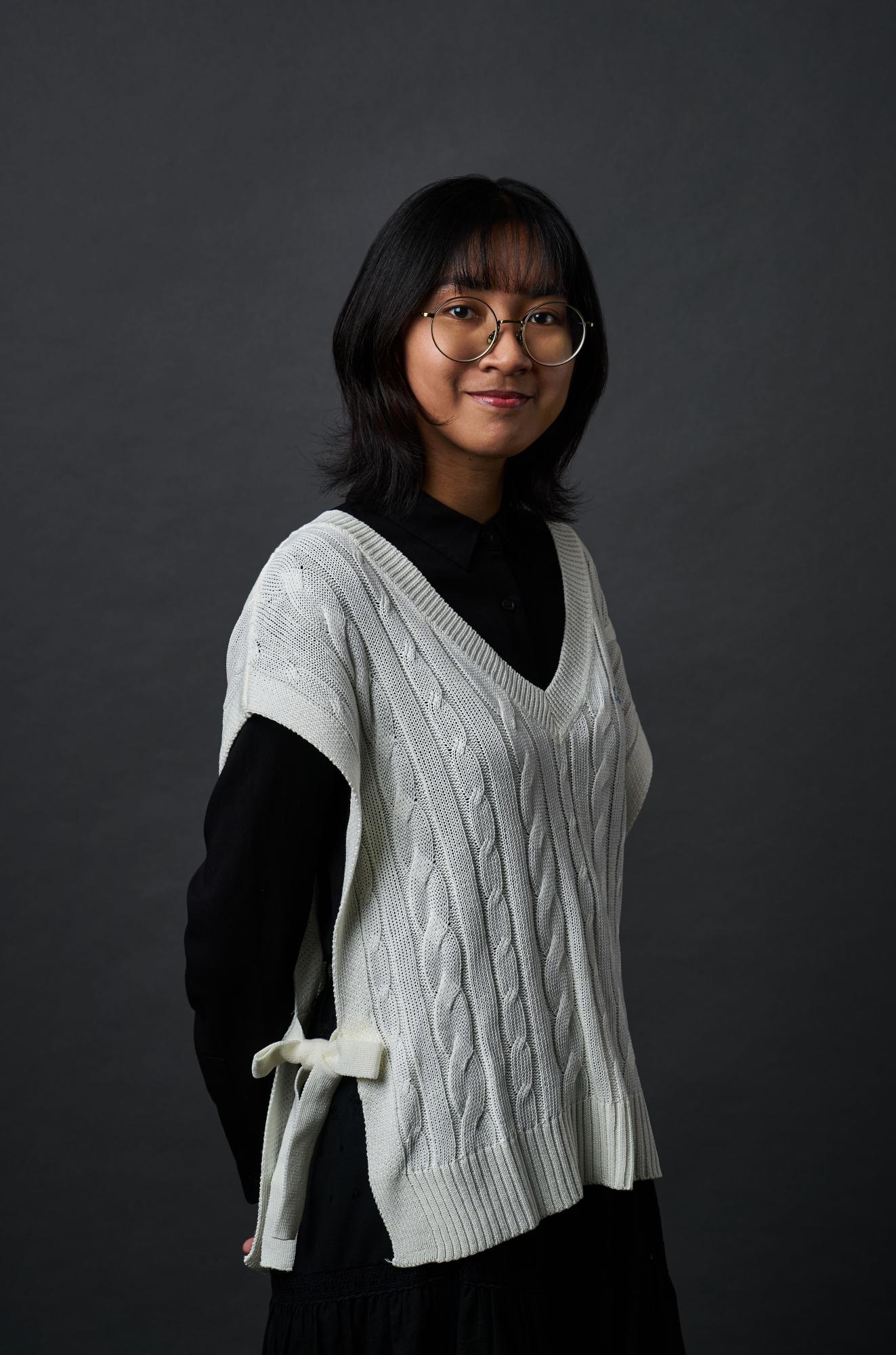
Lionel Fong
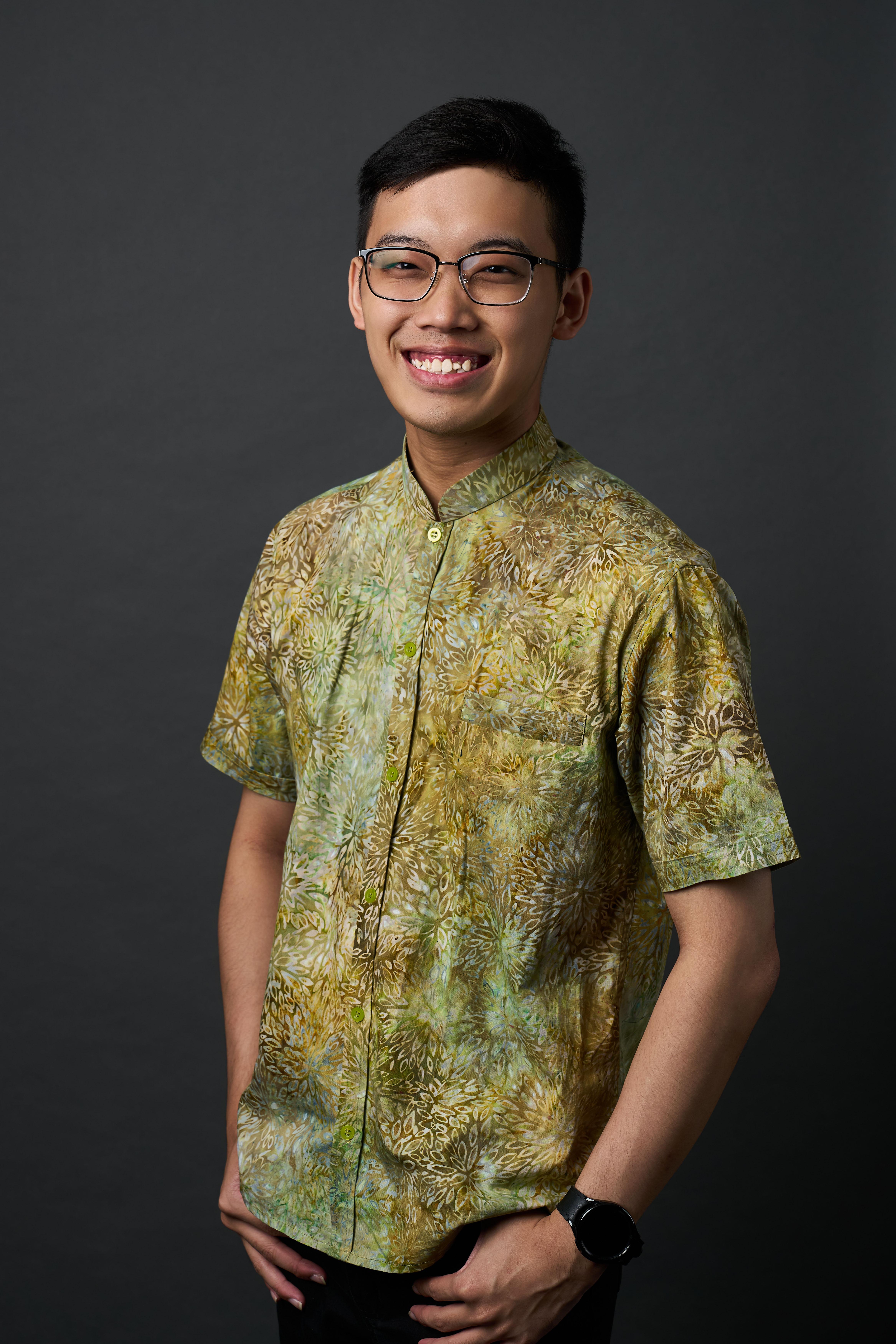
Jenise Lee
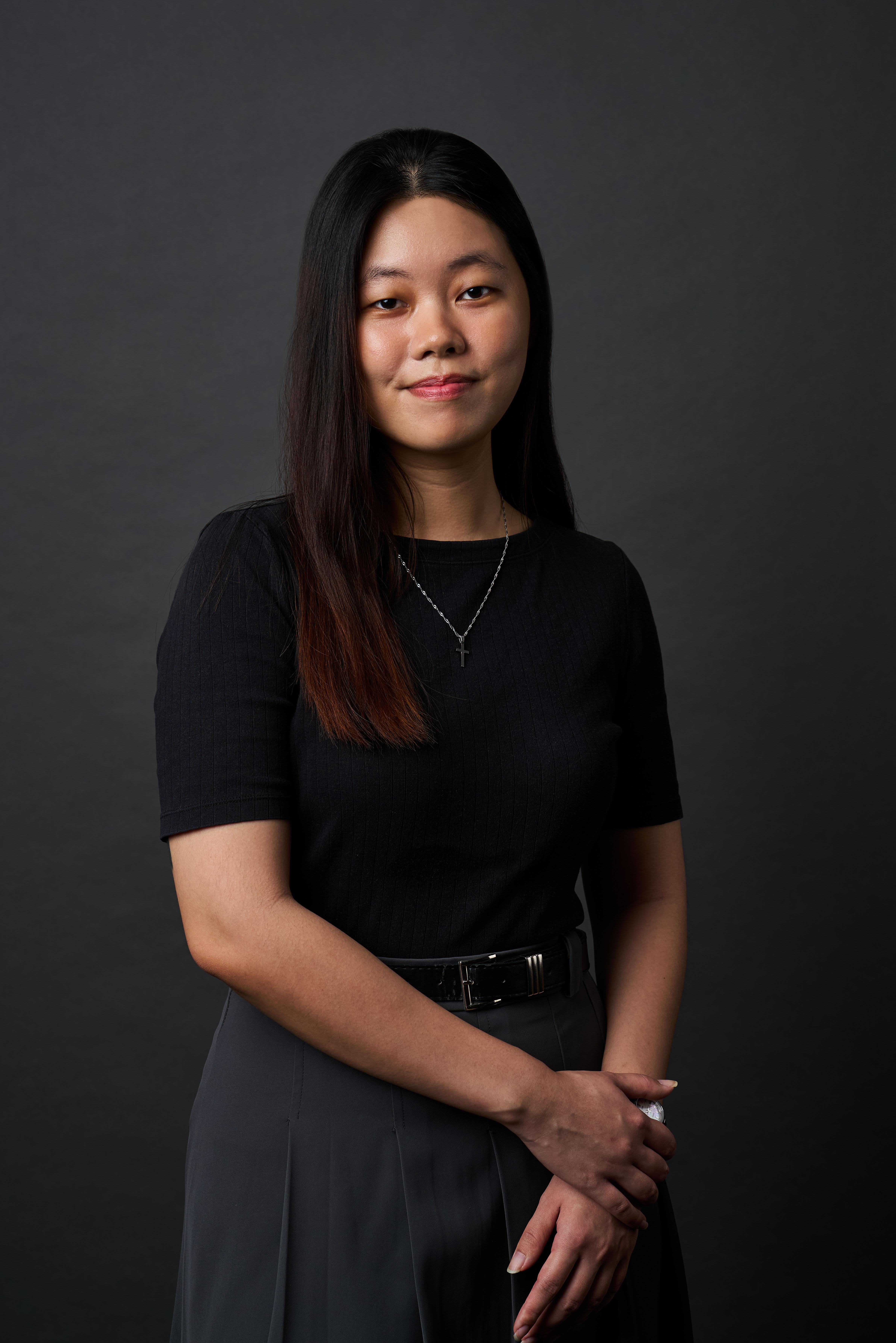
Chia Mun Yee Minerva
Syahirah Afiqah