


About
Min Khant is a Burmese-born visual artist currently studying and practicing in Singapore. He primarily works with watercolour but also explores different mediums such as printing, sculpting, zine-making and animation.
Min Khant's practice combines storytelling, humour and observation to explore how meaning emerges in everyday moments that are often overlooked. Each work starts from the ordinary and drifts into something unexpected, showing how play and thoughtfulness often share the same space. Balancing humour and melancholy, his works reflect on time, emotion and the quiet honesty of daily life.
Recently, Min Khant has been examining how time, place and small gestures shape identity and belonging, revealing how the mundane can hold moments of subtle change.
Many Within
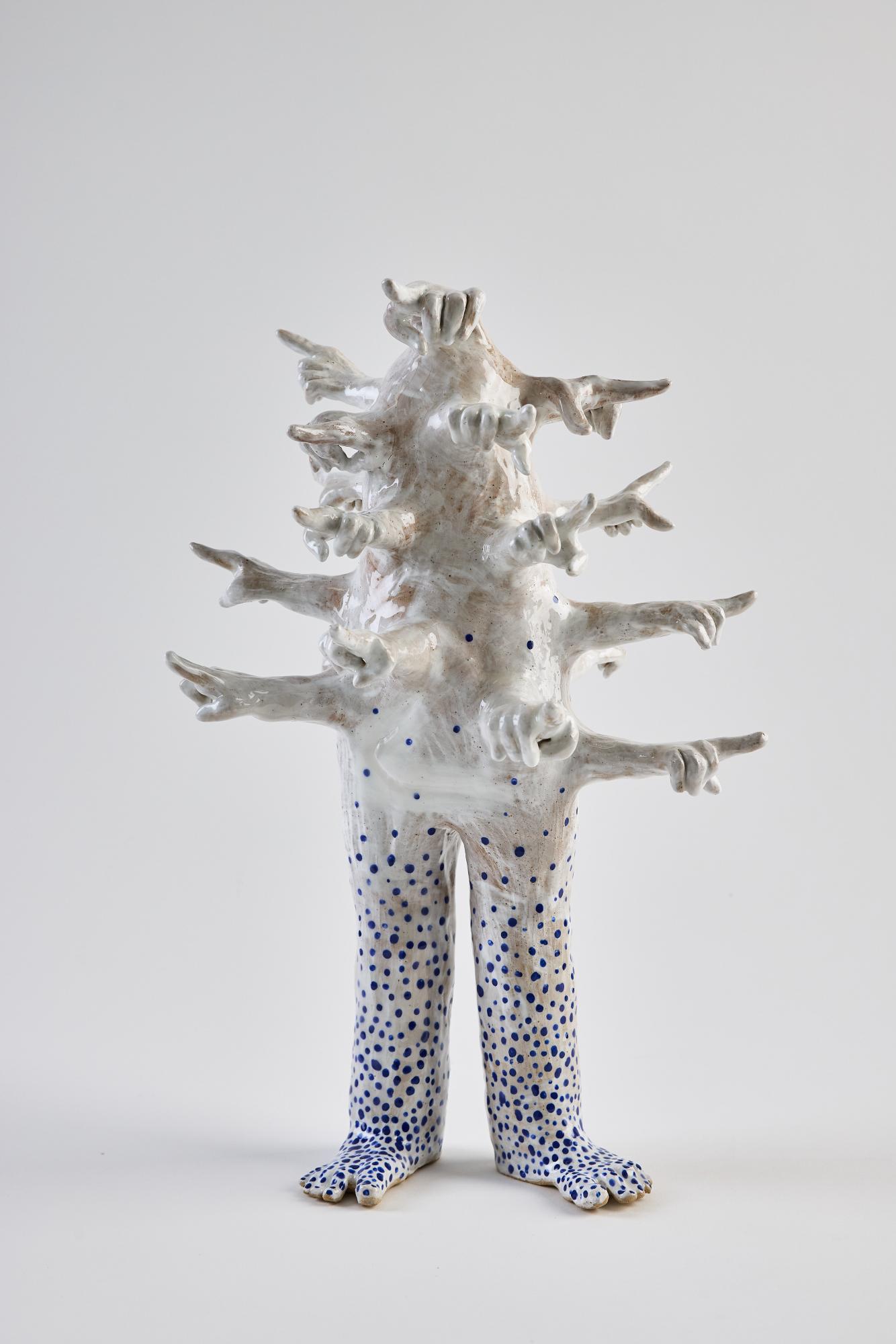
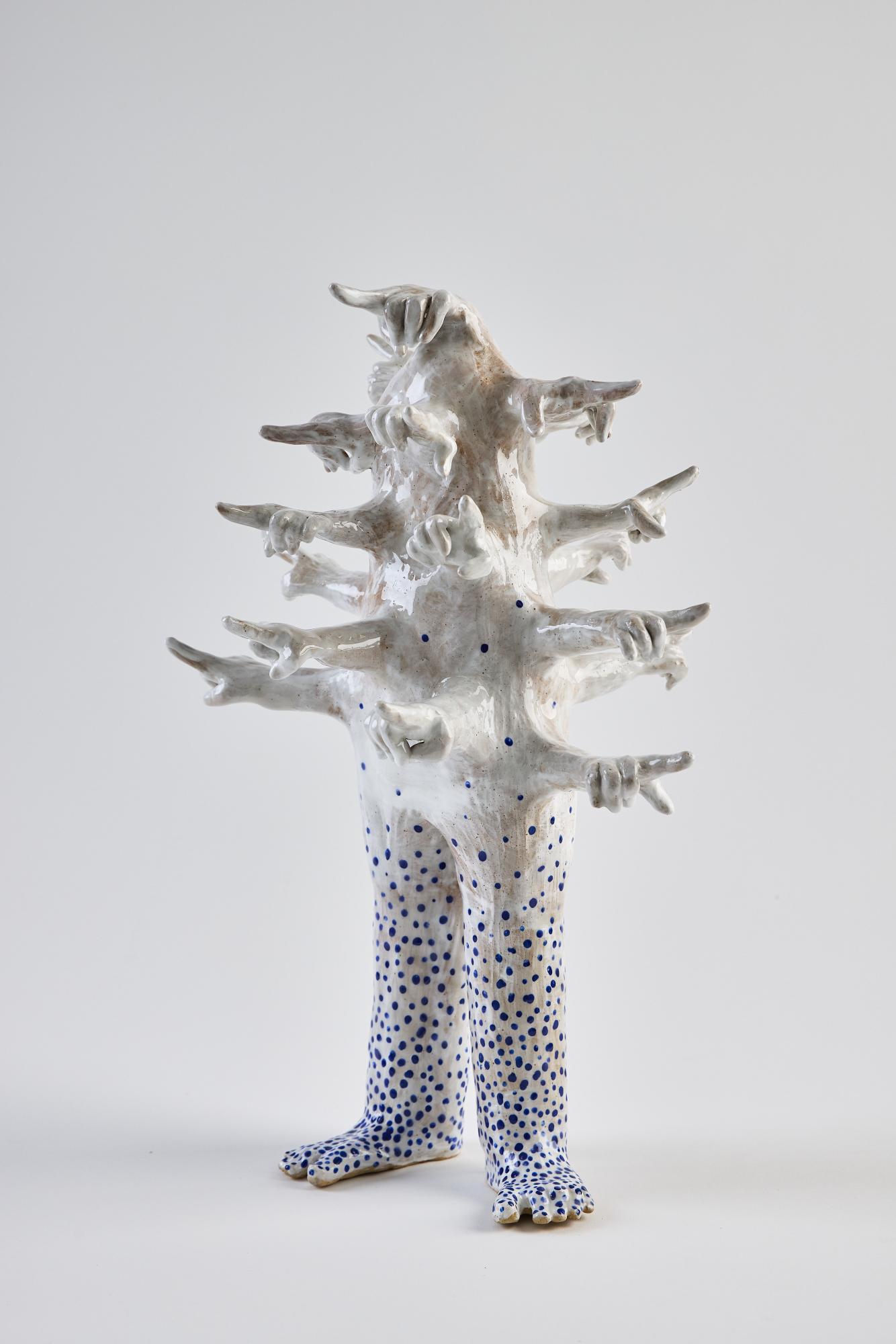
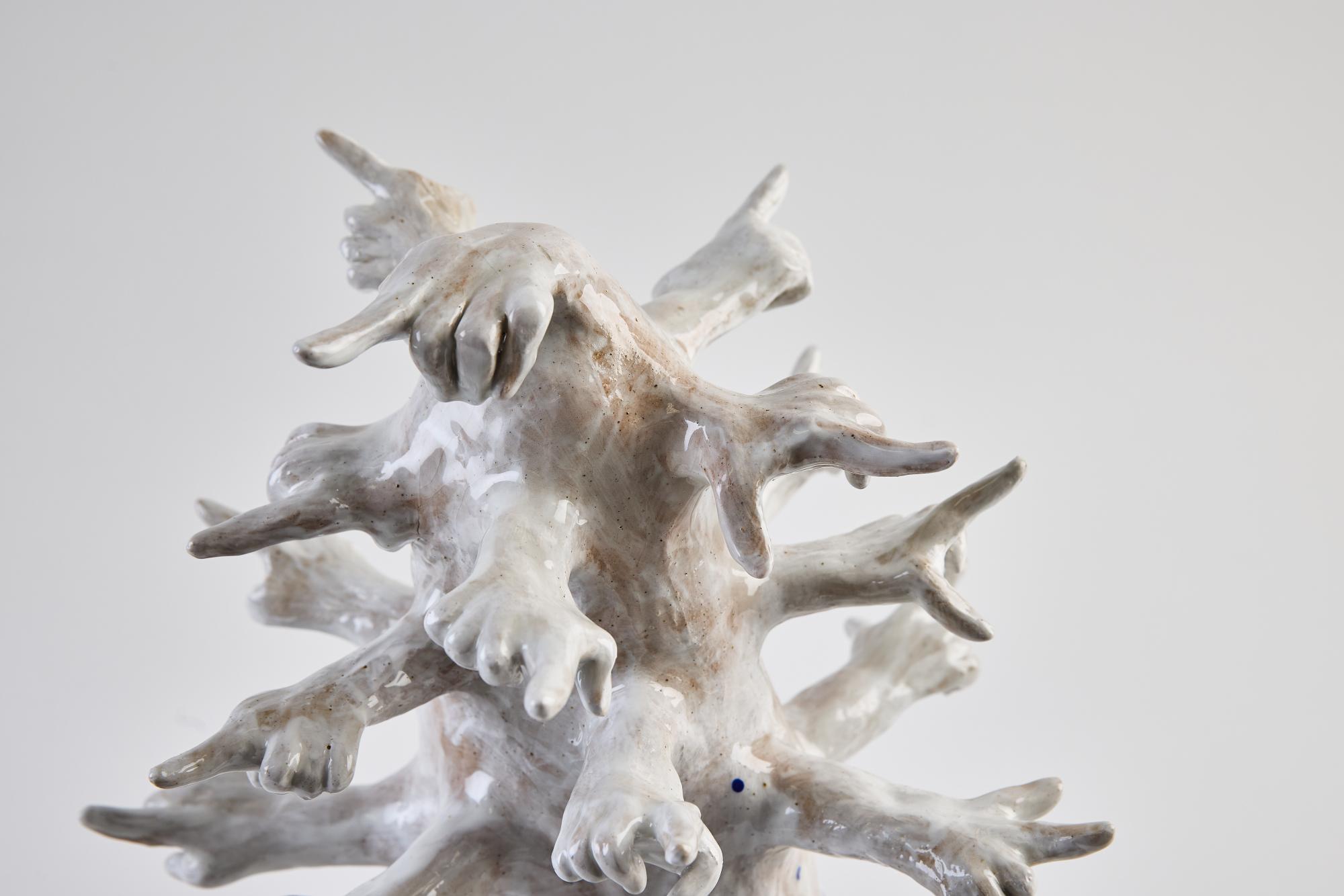
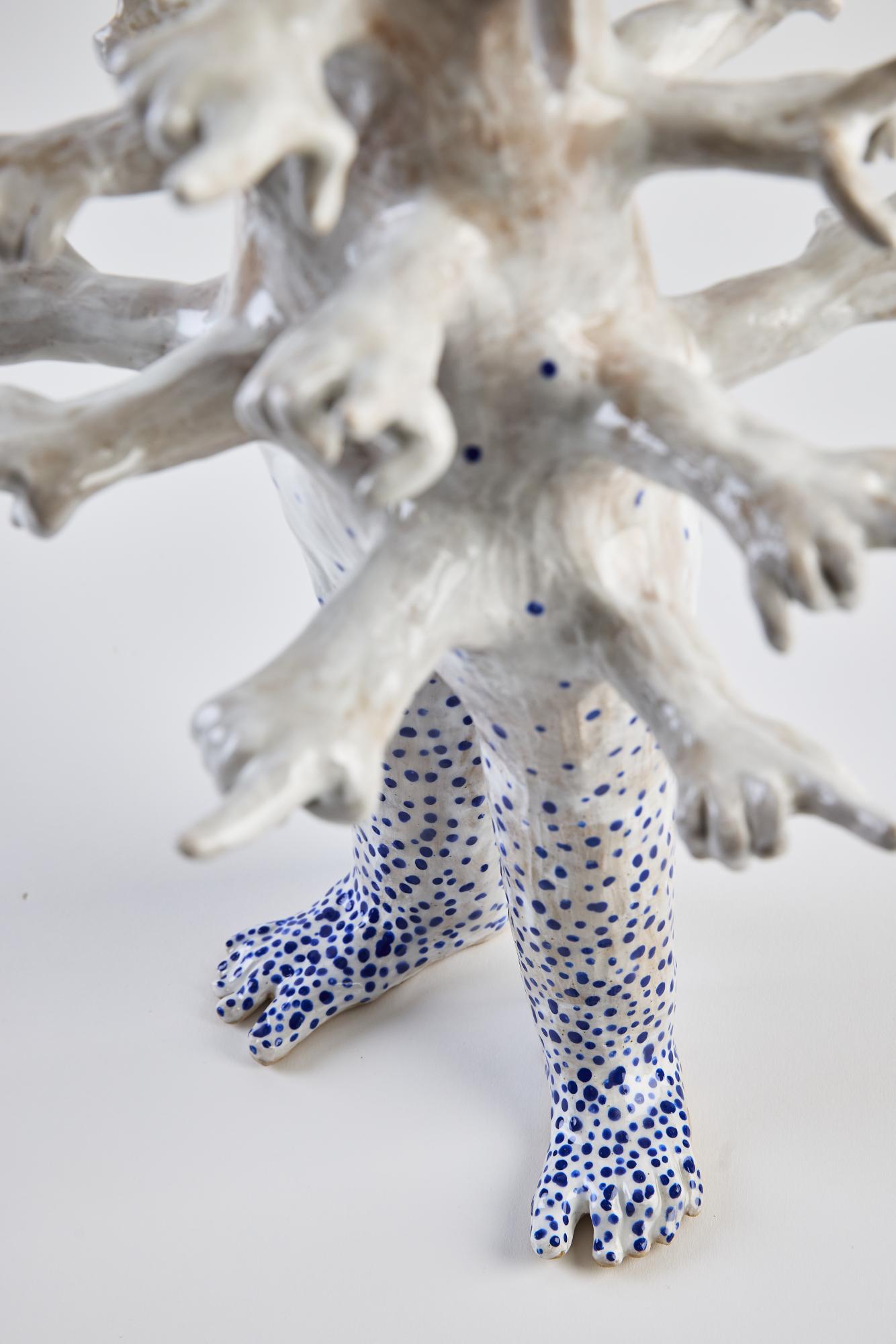
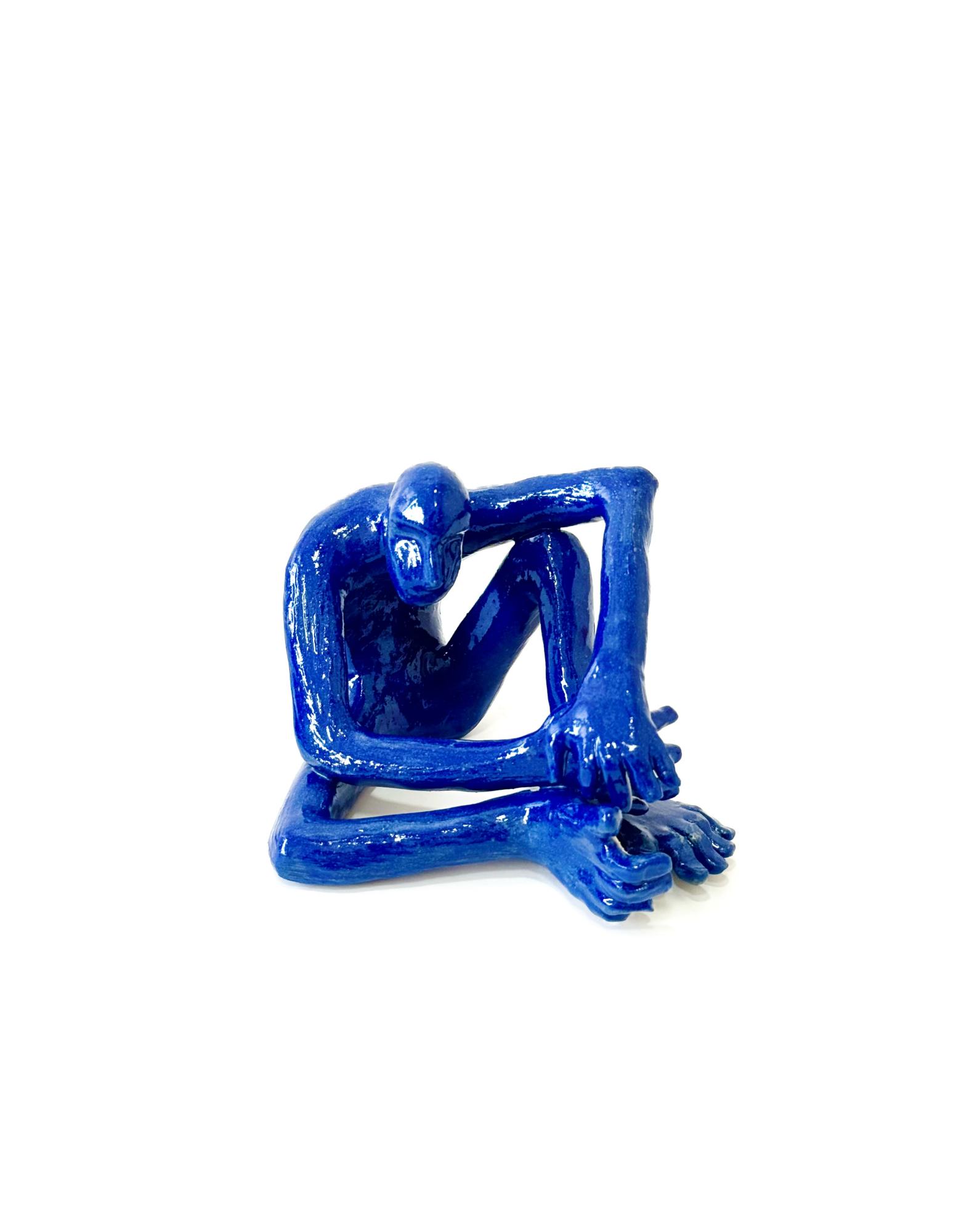
Many Within depicts a form of defiance that emerges when it cannot afford to be loud.
Central to the piece is the idea that defiance does not emerge through noise, but through subtle gestures such as stillness and restraint. The figure does not shout or confront; instead resistance is expressed through controlled gestures: a quiet refusal, a pause and a silence that does not agree.
In this way, the work focuses on how ordinary behaviour can carry meaning. It highlights that opposition to injustice does not need to be visible or loud to exist, but can be expressed through everyday actions, quietly and persistently.
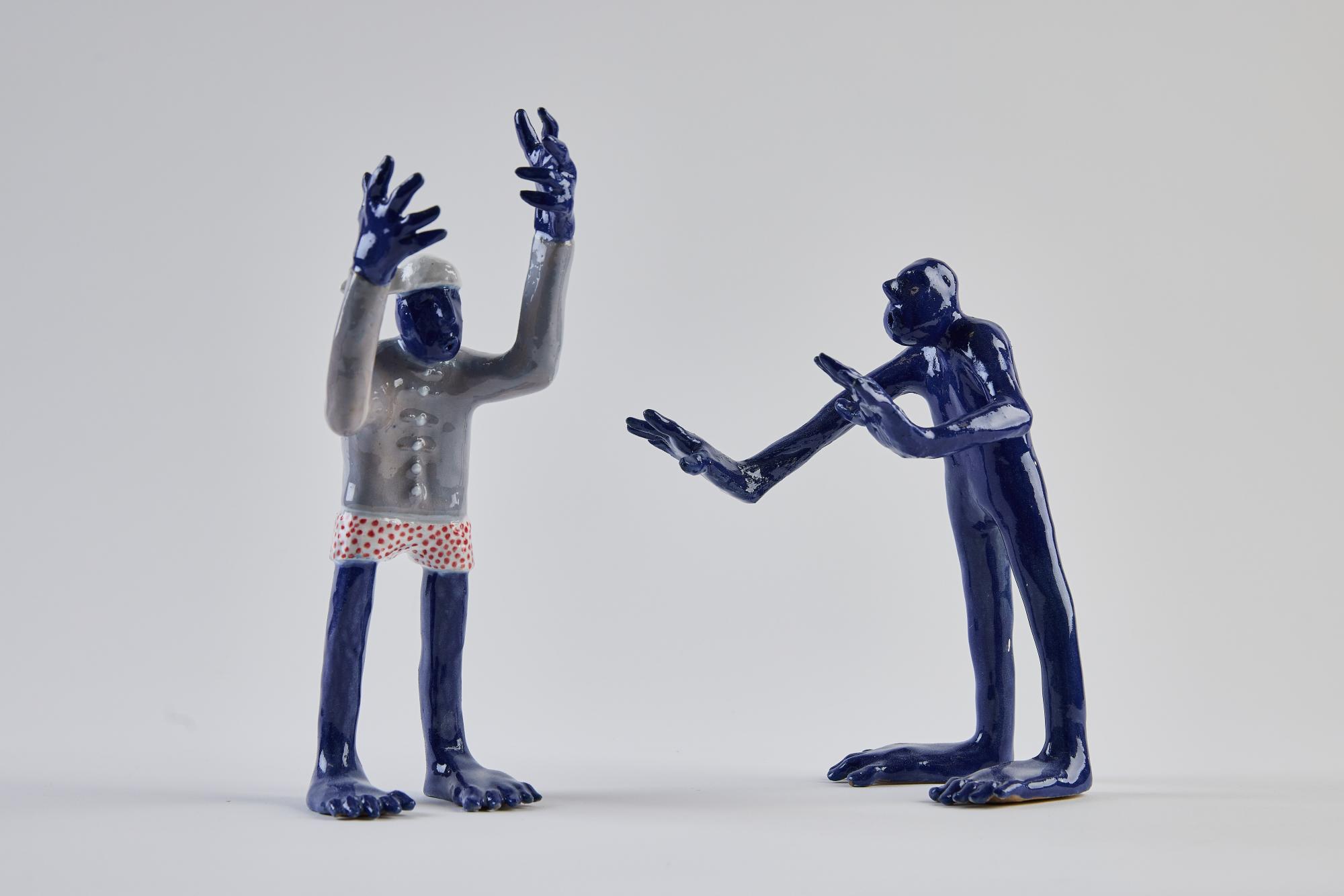
The Blue Man (Azure) is a series that accompanies Many Within. It presents figures who communicate without words, using gesture and posture as tools to reflect biases, resistance and untruthfulness. The work exemplifies the concept of subtle resistance, expressed in silence and often overshadowed by those who are anxious to speak up but lack the strength to challenge authority. Through this exploration of non-verbal communication, the audience is invited to reflect on their own experiences with power dynamics and the complexities of expressing dissent. The Blue Man serves as a poignant reminder that sometimes the loudest statements are made in the quietest moments.
Research methodology and theoretical framework
The work is developed through a practice-based approach, in which making is understood as a way of thinking. The methodology centres on constructed objects in relation to the body, where they are not treated as independent forms but as entities that respond to movement, gesture and touch.
This method involves repeated engagement and documentation via writing and image making, not as a final records but as part of how the experience is held and reconsidered. This allows memory to be understood as active rather than fixed, where what has been lived continues to surface through present actions. Small gestures and quiet repetitions become a way of approaching experiences that are difficult to articulate, such as emotions tied to personal memories or cultural narratives that shape our understanding of the past. Meaning is therefore not fixed, but is gradually formed through accumulation, where each encounter adds to what is already present.
This work is informed by artistic practices that engage the body, material and lived experience as sites where meaning evolves over time. Mona Hatoum alters everyday objects in ways that create a sense of tension between the body and its surroundings. This influences how constructed objects in this work evoke feelings of discomfort and sensitivity in people simply by their presence.
Chinese artist Yue Minjun uses repetition of the figure to show both uniformity and underlying tension, informing the use of repetition in this work. Burmese-born artist Htein Lin incorporates memory and personal history into his work, showing how making can happen when one is limited and how small actions can show endurance and quiet resistance. Similarly, this work uses small actions and built forms to show experiences that are not always straightforward to explain.
Together, the methodology and references support a practice focused on process, repetition and lived experience. The work does not aim to present clear statements but instead creates conditions where traces of memory, presence and action can be encountered and reconsidered over time.
Wang Runxin

Nur Ashserina
Natalie Savann Oh
Khushi Khandelwal
Zhong Rui

Qalisha Muhammad Fariq