
Allya Takeisha Fallsa


About
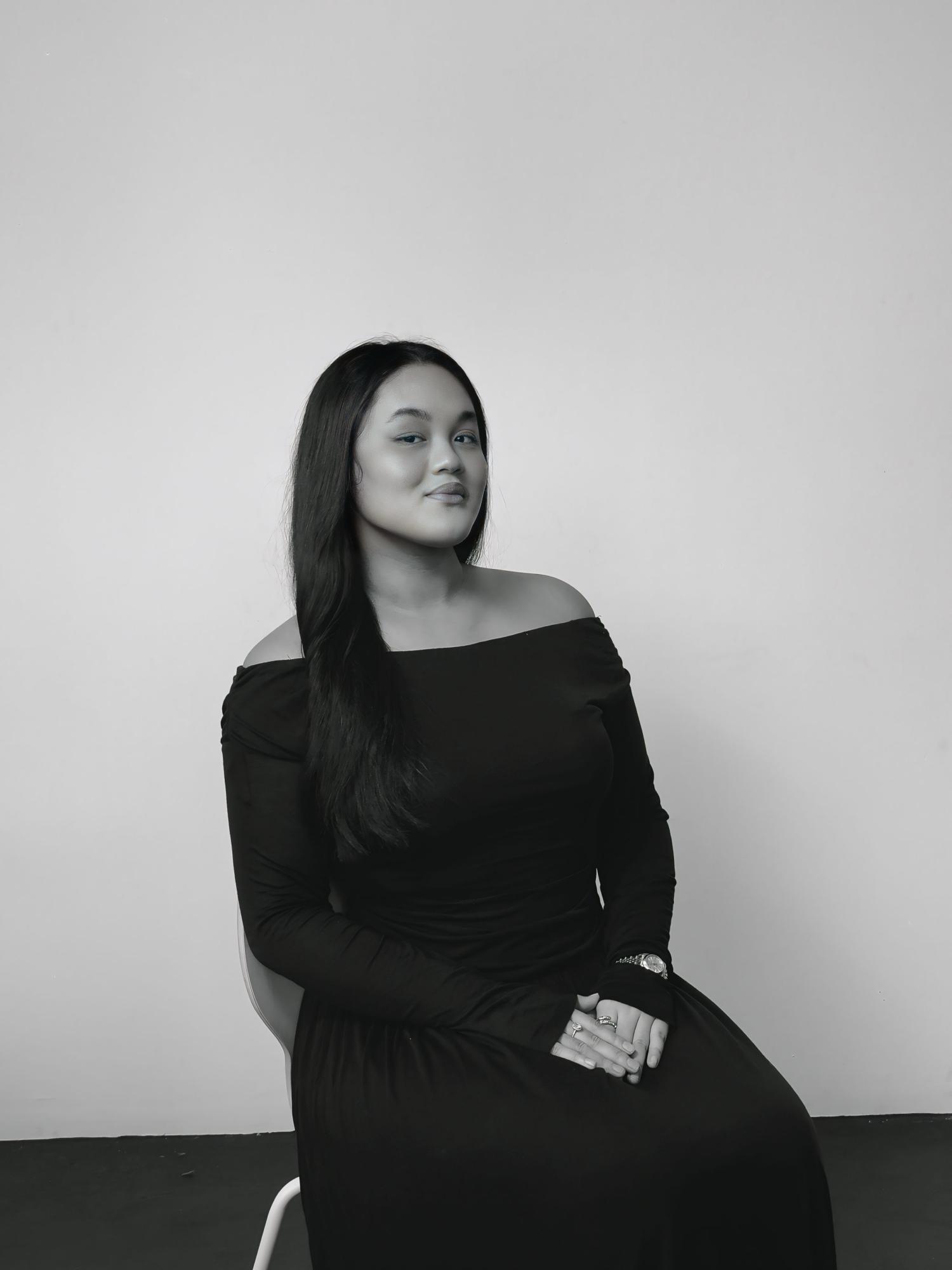
Allya is BA (Hons) Interior Design graduate with a strong passion for uncovering the subtle relationship between refined, sophisticated design and its connection to nature and human origin.
Her work is driven by the pursuit of a binding thread that harmonises spatial elegance with organic sensibilities, resulting in environments that feel both intentional and deeply rooted in human experience.
Allya's interest in interior design began at a young age through visits to resorts and hotels, where she became increasingly aware of how thoughtfully designed spaces can shape emotions, behaviours and memories. These formative experiences led her to develop a focused interest in the hospitality industry, which continues to influence her design direction and aspirations.
A key inspiration in Allya's journey is Adrian Zecha, whose philosophy has significantly shaped her perspective on design. His approach, centred on observing what already exists and introducing only the most essential interventions, resonates deeply with Allya. He emphasises that true luxury lies not in opulence, but in simplicity and cultivated taste. This has in turn reinforces Allya's belief that simplicity is not merely a visual quality, but an experiential one that reveals itself through careful observation and engagement.
Guided by this ethos, Allya strives to create spaces that embody clarity, restraint, and quiet sophistication. Her goal as a designer is to design environments that transcend aesthetics, offering meaningful and immersive experiences grounded in simplicity and refined sensibility.
ARUS WELLNESS

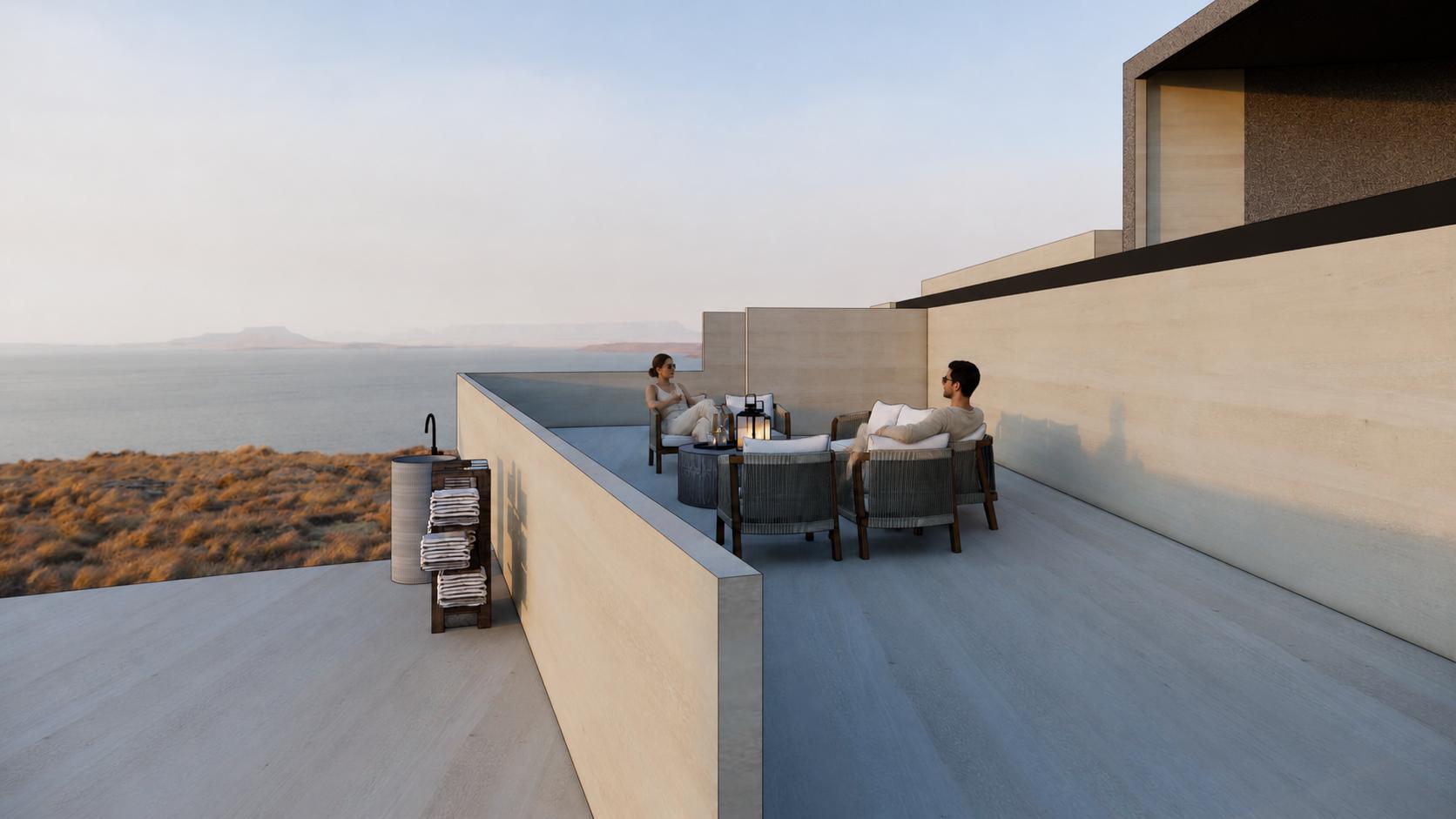
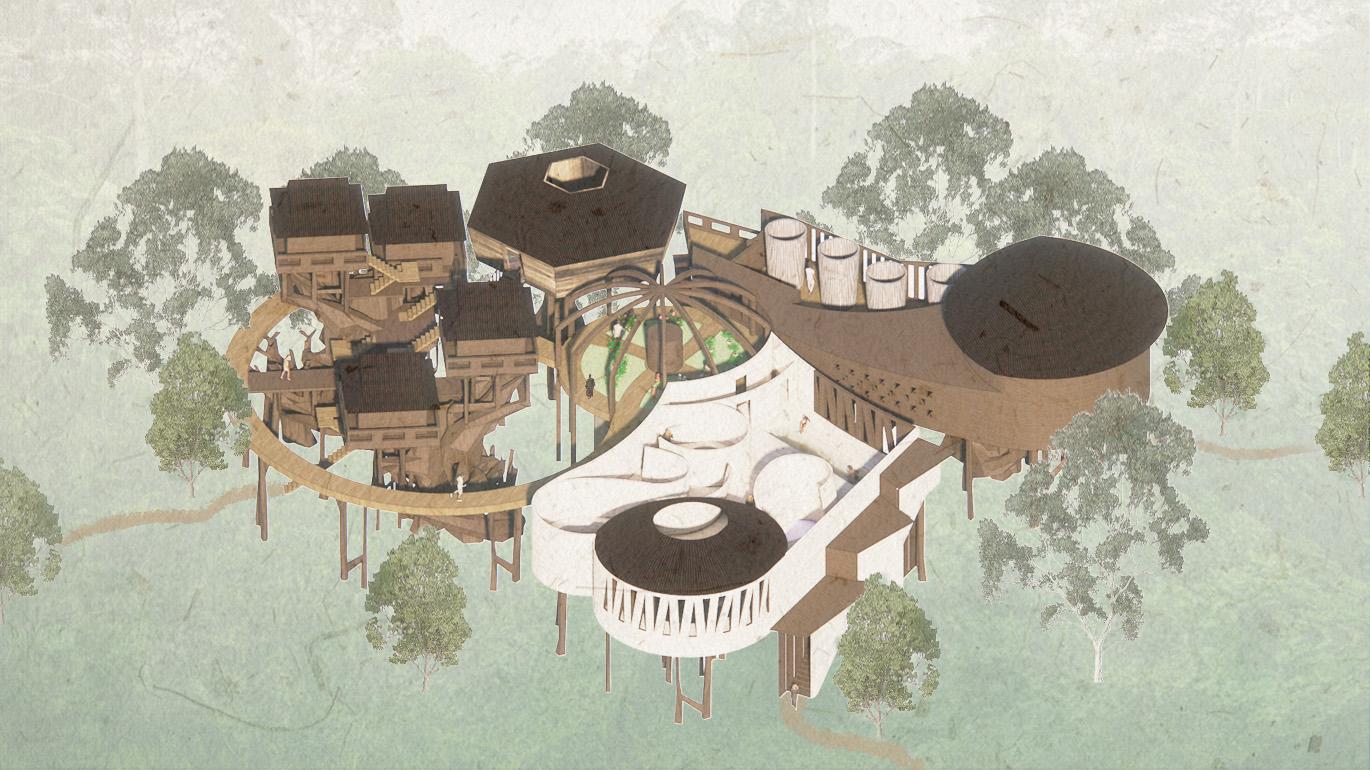
Arus Wellness Resort is conceived as a sanctuary of flow on Peniki Kecil Island, offering a tranquil counterpoint to the intensity of Jakarta.
Rather than adopting rigid or clinical wellness models, the resort embraces an intuitive and immersive approach in which well-being is subtly embedded within the environment. The architecture guides rather than instructs, cultivating awareness through spatial and atmospheric experience.
Derived from the Indonesian word arus (flow), wellness is understood as a continuous and natural process. The notion of terbawa arus is reinterpreted positively, suggesting that guests are gently influenced by an environment that prioritises rest, reflection and reconnection.
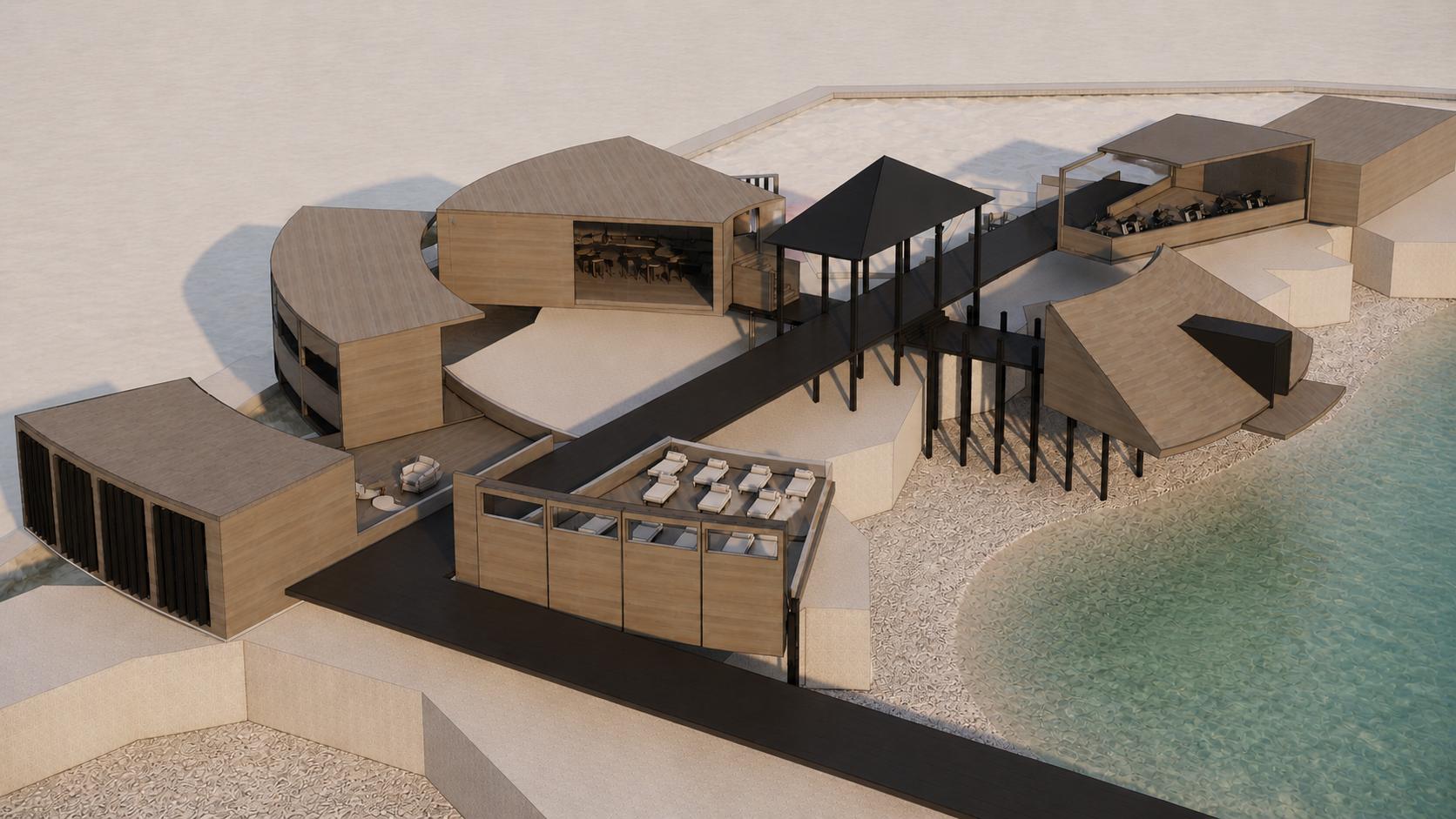
The masterplan is anchored along the axis of an existing traditional rumah panggung, organising a sequence of permeable, climate-responsive spaces shaped by sun paths, wind patterns and tidal rhythms.
Rather than isolating wellness into discrete zones, the resort functions as a holistic ecosystem where natural sounds, material tactility and spatial porosity collectively foster physical and mental restoration, making wellness an inherent condition of the entire environment.

All-day dining

Spa

UV lounge

All-day dining

Sunrise yoga

Lobby entrance
Lounge
Afiqah Sairi
Karren Tiffany
Loh Chee Keong Vinc

Lee Si Qi
Minchae Kim
Anousha Ray