



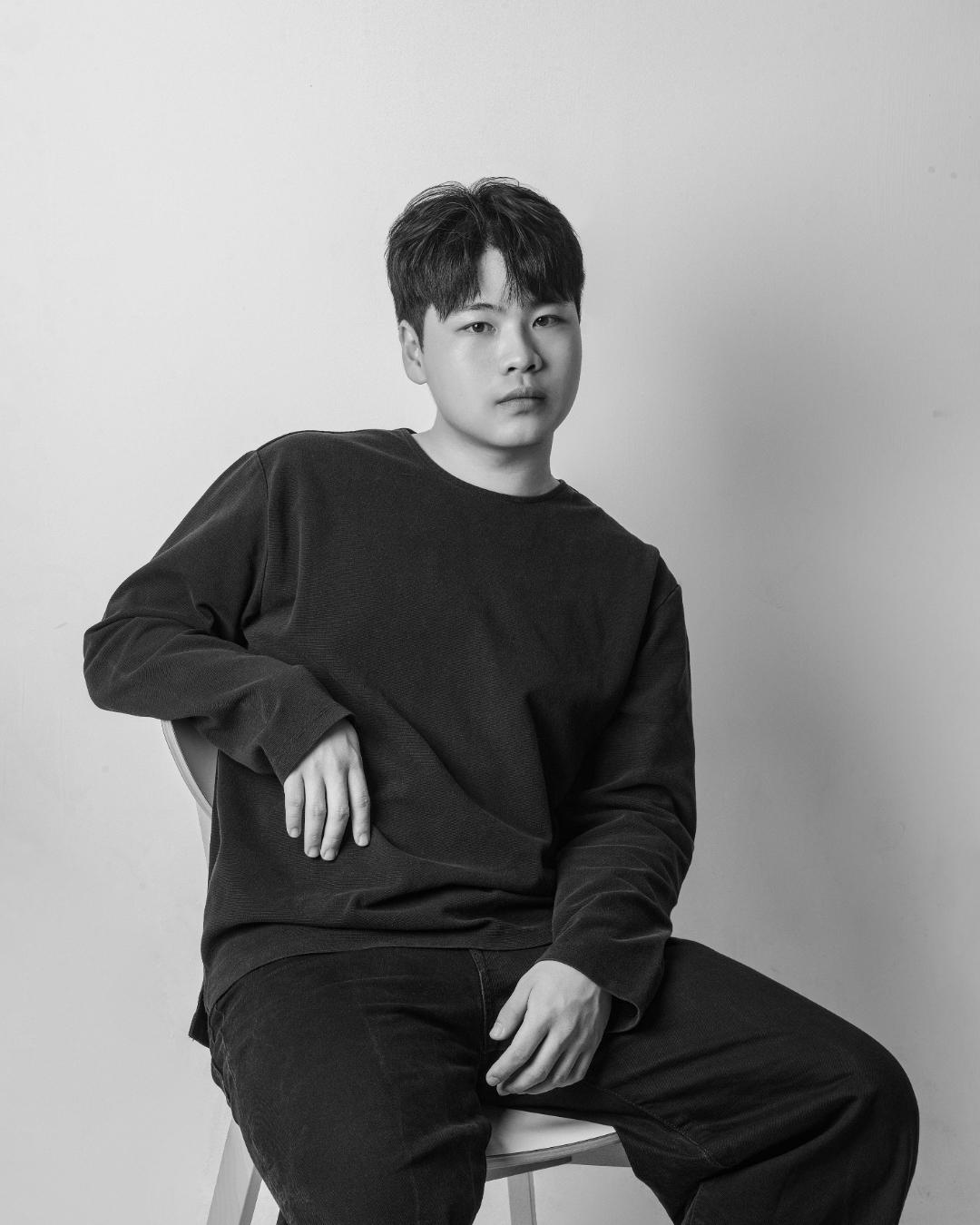


About
Woosuk is a designer dedicated to transforming inquisitive questions into immersive spatial realities.
Beyond mere aesthetics, his work focuses on the 'momentary experience'—where the flow of air and the sheer weight of the atmosphere overwhelm the senses.
Drawing from a diverse cultural background and global perspective, Woosuk leverages contrasting viewpoints as his greatest creative strength. He pursues a design language that is minimalist yet powerful, constantly experimenting to create spaces that offer a fresh and intense sensory impact.
Awakening

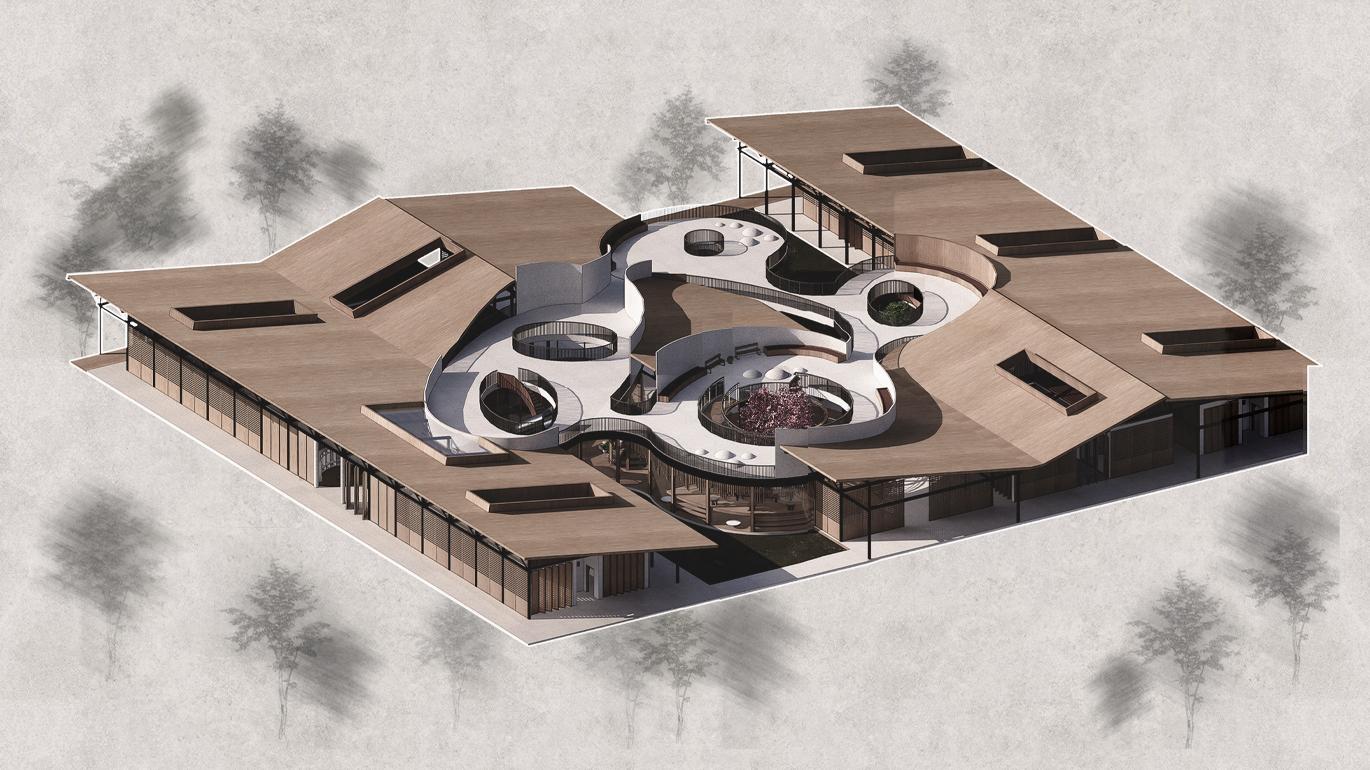
Isometric view – The proposal extends the vernacular roof forms of Amoy Street to unify the local landscape, creating a vivid dialogue between old and new. The resulting visual highlights a powerful contrast that defines the site's evolution.
Reinterpreting the lost heritage of Ann Siang Hill Park, this project weaves the historical essence of surrounding shophouses into a modernised spatial and structural intervention.
By transforming the site into a contemporary Archive Centre, it proposes a new landmark that revitalises its historical value for the modern era.

Outside view (Archive Centre block) – The orange-tinted path serves as a strategic link between the existing route and the new structure, offering visitors a clear sense of agency. This divergence allows users to choose their journey: while the original path remains, the new trajectory leads them directly into the heart of the Archive Centre.

Archive Centre Interior – The interior of the Archive Centre modernises the structural elements traditionally found in shophouses, such as beams, air wells and small timber-framed windows. By integrating a classic material palette, the design invites visitors to engage in both a spatial and visual dialogue with the heritage of the shophouse throughout their journey.
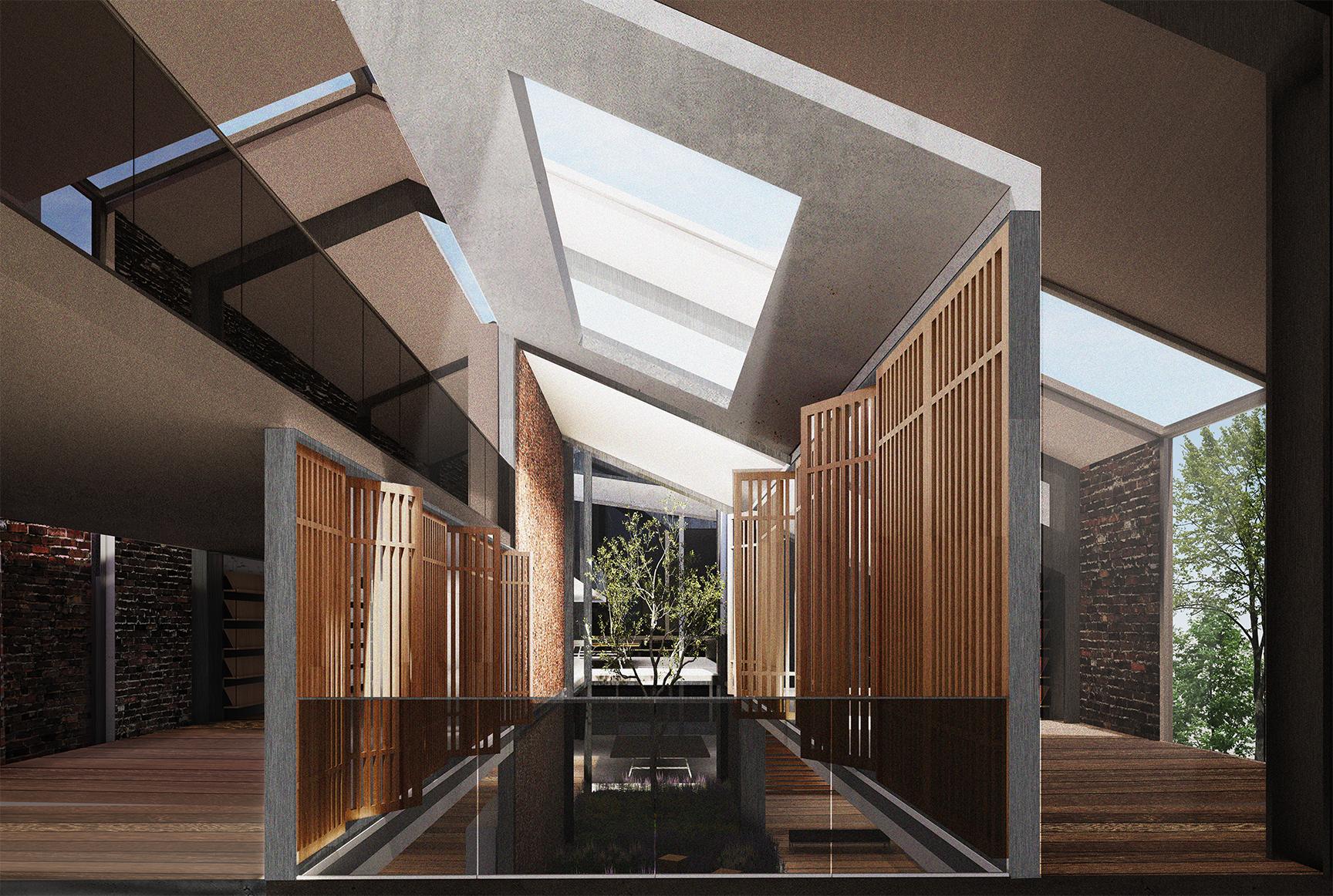
Second floor – On the second floor, a single shaft of light descends from the heavens, illuminating the entire volume and drawing all focus toward the central atrium.

Pavilion – Centring on the pavilion, the layout bifurcates into the Archive Center in the left wing and the administrative offices in the right. A deliberate differentiation in materiality distinguishes the two wings, mirroring the contrasting nature of the activities within—from public exploration to private operations.

Vault – The vault is designed as a private, contemplative sanctuary. To preserve these intimate moments of solitude, contemporary materials were utilised to enhance the sense of seclusion, ensuring the space remains a durable and protected environment.

Meeting room – This space represents the most contemporary intervention within the project, defined by its sleek materiality and structural rigour. Located on the second floor, the vault maintains a private atmosphere, while the sharp, diagonal ceiling planes introduce a sense of structural tension, revealing the space's bold and incisive character.

Outside view (office block) – The preserved path intersects the office wing, offering a sensory experience of the building's strict geometry. The resulting sense of confinement serves as an architectural metaphor for the office programme, allowing users to engage with the site’s structural discipline.
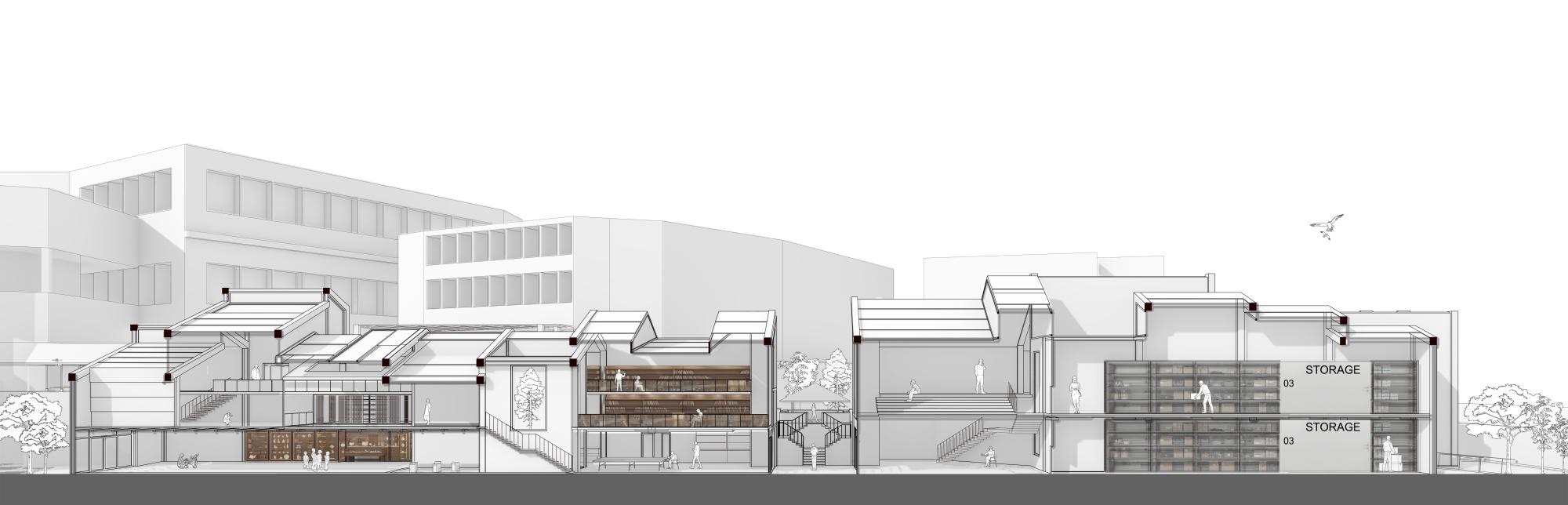
Sectional perspective – This image highlights the contrast between the two wings. The left side utilises materials that promote an open and liberated experience, whereas the right side employs a more secluded language. This spatial duality directly shapes the users' behaviour, contrasting casual freedom with structural formality.
Jacinda Han Shi Yun

Kim Hyerim
Lee Si Qi
Mohamed Farhan Bin Mohamed Salahuddin

Charisse Faith Wong
Siau Xi Yu
