


About
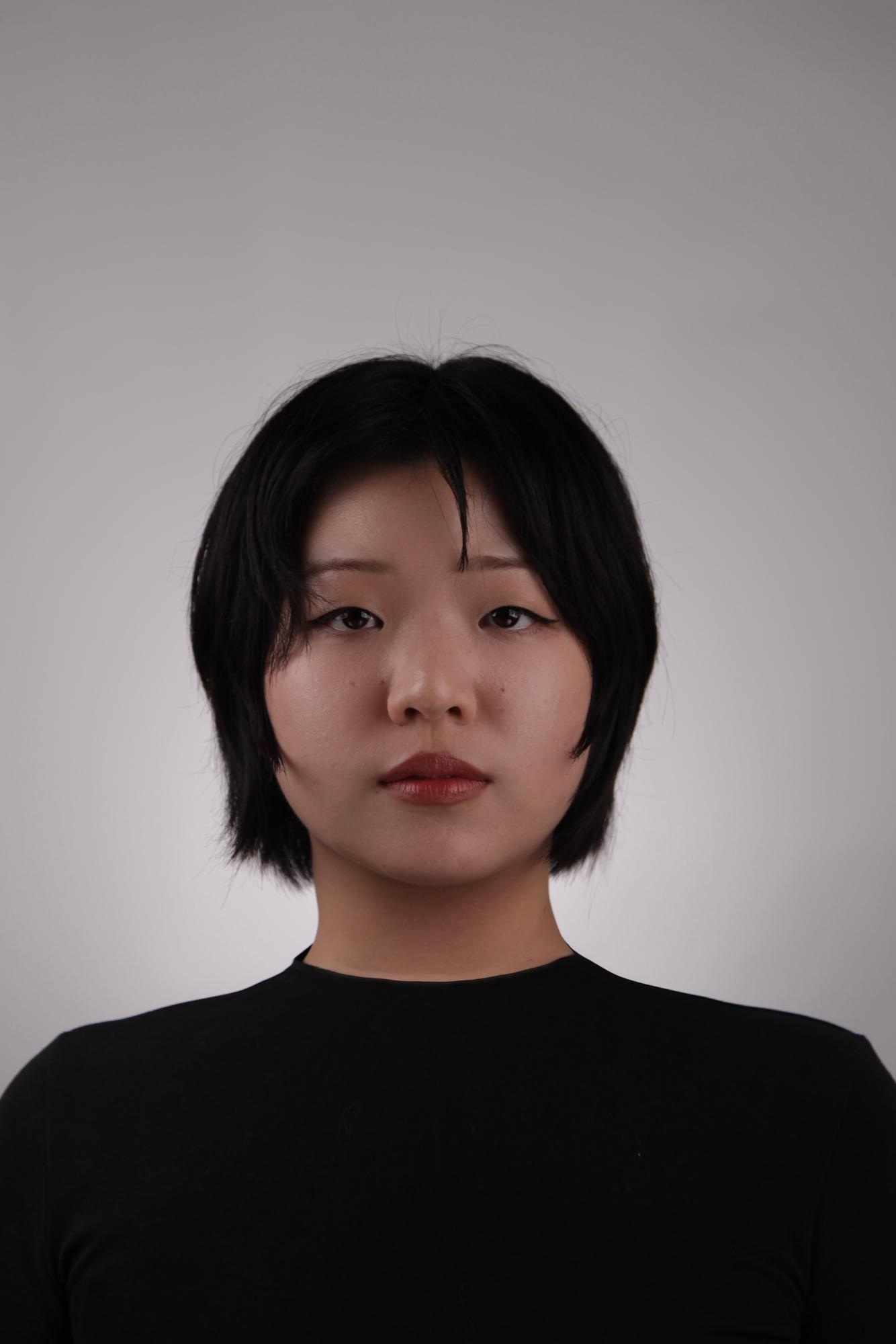
Glenda is graduating from the BA (Hons) Product Design programme at LASALLE College of the Arts.
She is drawn to what unsettles her—what confuses, irritates or shocks—because those are usually the moments where something is being held in place.
Her practice is research-driven and form-led: she digs until the surface story stops behaving, then builds objects and environments that make the tension legible. Glenda is particularly drawn to the ethics of making: what a designer is allowed to claim, what a design outcome silently enables and what gets erased when we simplify complexity into something neat. Her projects are built as experiences with a spine—visually arresting, but anchored in care, intention and consequence.
Murmur, her final year project, is one expression of this approach: a framework for turning hidden systems into encounters that can be seen, remembered and acted on.
Murmur: The Ethics of Someone Else's Hard Day
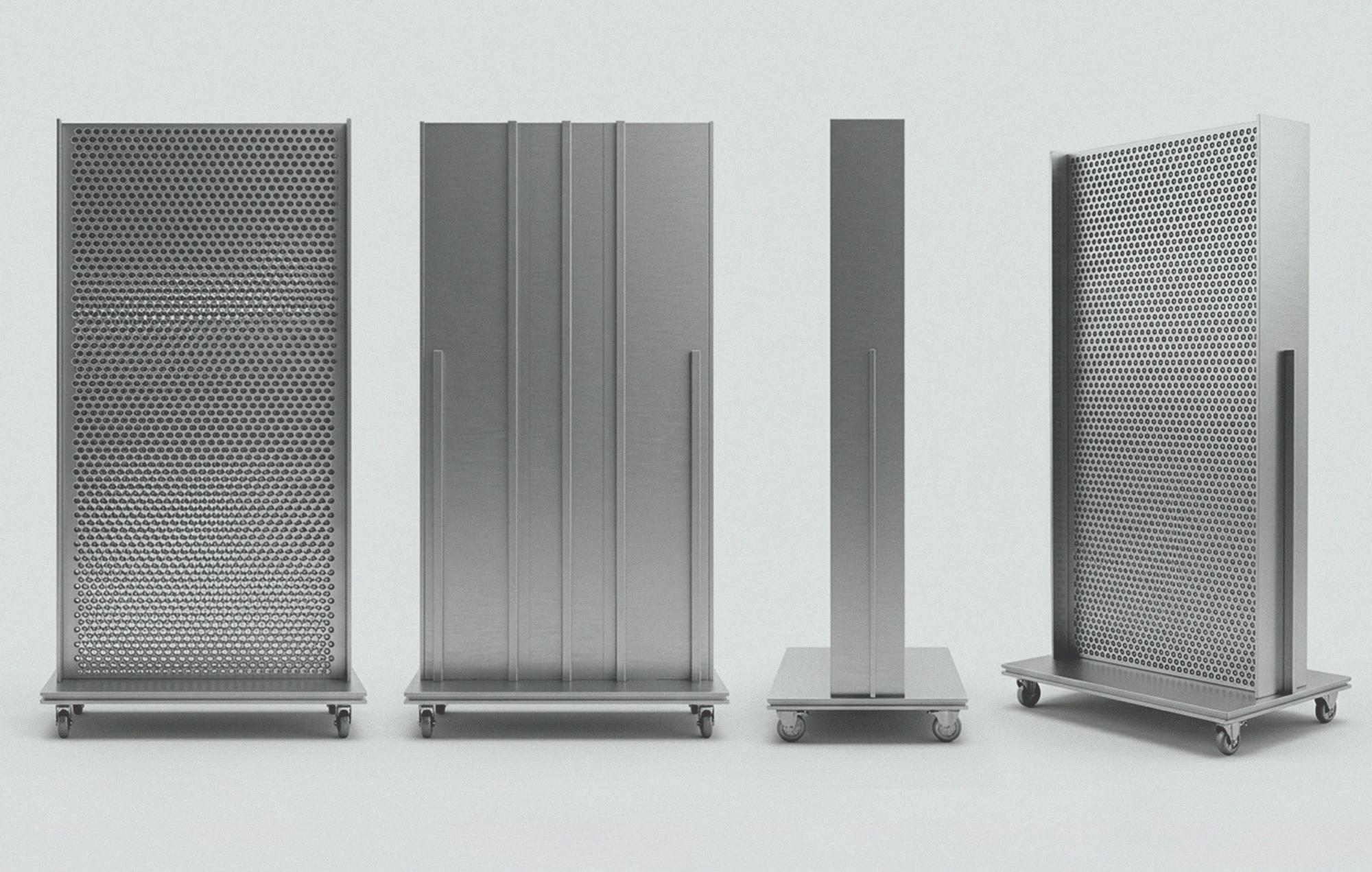
Carrier structure that lets the work travel, lock into place and hold the artefact and its evidence together.
Murmur starts with a simple observation: people can enjoy an experience without having to see what holds it up.
In Himalayan adventure tourism, the labour is not incidental. It is infrastructure. Guides and porters manage routes, weather, pacing, food, shelter, safety. The trek is sold as self-reliance, but it runs on someone else’s work. That transfer—of weight, risk, fatigue and consequence—creates ethical distance: a space where the consumer can see the worker and still not see the system.
I did not end with a 'better product' for workers. The more I researched, the less honest that felt. A neat object would have made the problem feel solvable in the way audiences are trained to accept: measurable, contained, presentable. The conditions are not contained.
So I built a framework instead: Encounter → Evidence → Structure → Action. A hero work that lands before language. A layer of testimony and case material that can be traced back to sources. Structural readings that show how money, responsibility and risk move through the industry, and a QR pathway into a website—sources, checklists, ethical alternatives, direct support routes—so the encounter doesn’t stop at feeling.
The project is called Murmur because this is what the system prefers: something present, but kept low enough to ignore.

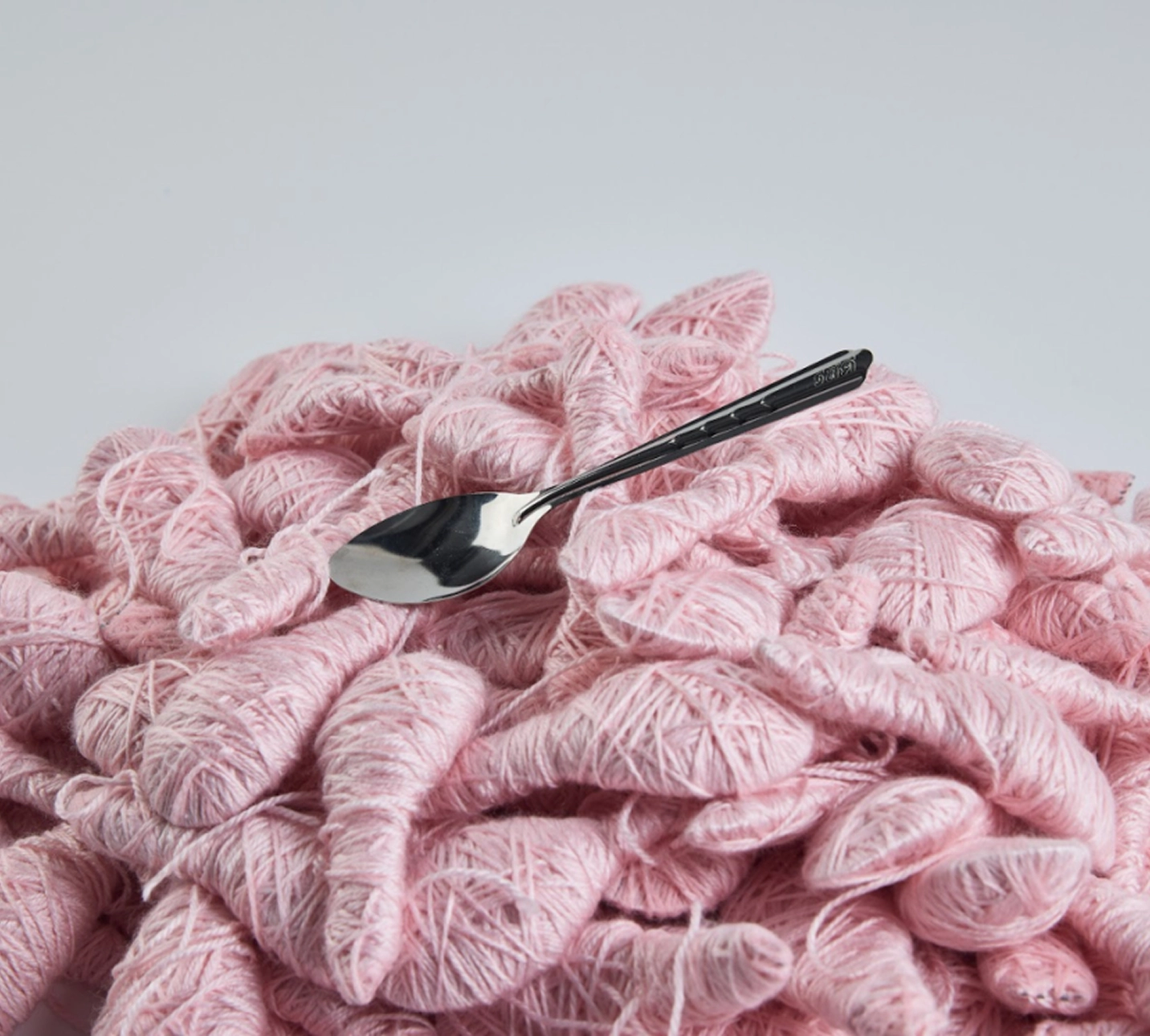
Detail of the hero work—a bed frame and a membrane pulled over what shouldn’t be there.

Hero work, overhead—boots stacked where rest is supposed to happen.
This project began where most 'social' design projects begin: with a desire to help. It changed as soon as the research stopped being abstract.
Trekkers I interviewed described guides and porters as the people who "cover everything"—navigation, logistics, food, tents and the labour that reduces the trek to something you can "enjoy".
A welfare NGO working directly with porters described a hierarchy where porters sit "lowest of the lowest", carrying heavy load with insufficient facilities and facing preventable harms—altitude sickness, hypothermia, frostbite—linked to training and equipment gaps. There is also the quieter condition: seasonal precarity, reliance on tipping, the sense that there is "no other option".
The problem is not ignorance. People often notice the labour. The problem is what they do with that noticing. Admiration becomes a substitute for scrutiny. Standards become a substitute for enforcement. Compensation becomes a substitute for protection.
Murmur is a response to that pattern. It is an exhibition framework that compresses the distance between consumer and cost. The hero work is not an illustration; it is a situation. The evidence layer is not a poster; it behaves like a field document—portable, re-mountable, built to travel. The structural readings insist on structure: where money goes, where risk goes, who absorbs what. The action layer is not a slogan. It is a route into decision-making: what to ask, what to look for, where to direct support.
This is the first deployment. The method is designed to move.

Structural reading—a simplified map of the porter system: where the work starts, where it accumulates and where responsibility thins out.

Case study panel—when harm happens, the system often answers with money, not protection.

Quote panel—the line that stuck: “The one I’m paid to do.” It turns “adventure” back into wage work.
Koh Hui Chin

Ridhi Gupta
Chloe Choo Yan Ee
Pun Song Ning

Trisha Saraogi
Halle Wilson Hendricks