



About
Halle is a designer who leads with curiosity and a desire to create work that matters. She enjoys exploring new ways of thinking and draws from different perspectives to shape her ideas.
At the heart of her design philosophy is connection. Design for her is about understanding people, their needs and the stories they carry. Halle believes that design is most meaningful when it brings people closer, whether it is helping someone feel understood or creating an experience that resonates on a deeper level. Helping others through design gives her a strong sense of purpose, and over time, it has become something instinctive in the way she works.
Halle sees curiosity as a starting point. It sparks interest, opens conversations and creates opportunities for people to engage with one another. Through this, design becomes more than just a solution. It becomes a way of building relationships and shared understanding.
PadiTech – A cultural bridge
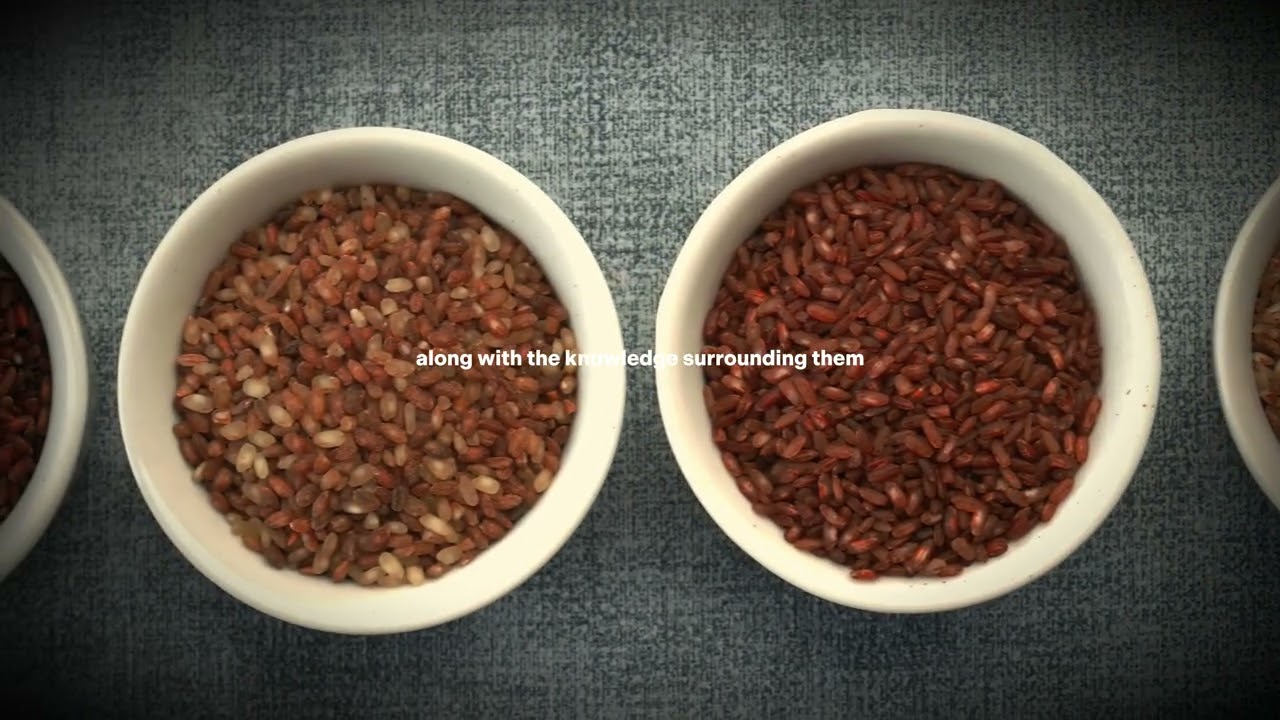
PadiTech began as a cultural bridge, rooted in preserving the heritage of the Dayak communities in Borneo.
For them, rice is more than sustenance. It carries stories, rituals, and knowledge passed down through generations. Today, climate change and modernisation are reshaping farming practices, placing these traditions at risk of being lost.
The project explores a controlled environment system where traditional rice seeds can be studied, grown and tested under different conditions. By understanding how these rice variants respond to light, temperature and shifting climates, it supports more stable and reliable ways of growing them, while staying grounded in their origins.
In doing so, PadiTech becomes a way of sustaining not just the crop, but the knowledge and identity tied to it. It also connects local farmers, researchers and a wider audience by making this knowledge more accessible and visible. In simple terms, PadiTech uses design and technology to keep traditional rice alive, while opening a path for others to understand, appreciate and experience its cultural value.

Allows a central water system arrangement

Water irrigation system for a five-by-two-metre soil bed
Halle worked closely with the Agriculture Department of Brunei to better understand their needs in the rice sector. This included a site visit to the SJKLVS farm in Labi, where she observed current practices and spoke with representatives from the department to gain first hand insights.
While ongoing efforts to support traditional rice, much of this work remains relatively low profile and limited in reach. Through these conversations, it became clear that there is potential to strengthen these initiatives with more structured support and visibility.
PadiTech is developed as a response to these insights. The aim is to provide a starting point that can support their existing efforts by offering a system that makes research, cultivation and data more accessible and easier to manage. In doing so, it hopes to contribute to a stronger foundation for sustaining traditional rice moving forward.

On-site interview with Mr Sanjat

Mr Sanjat's paddy farm

Ethnography observation

Greenhouse dashboard

Green to yellow pixel visualiser
*POC was done with a snake plant
Tyrus Hong

Sadhika Rai

Chen Hou Tse

Muhammad Aniq Low Wei Jie Bin Irwan
Ridhi Gupta
Glenda Choi Sum Wan