




About
Trained across architecture and interior design, Rachel bridges holistic design with sensorial detail. As a resort and hospitality designer, she shapes environments around restoration and fluidity, a mindset that directly fuelled her Master’s work on sustainable design for ageing. Her approach redefines how built environments can nurture dignity, community and well-being across a lifetime.
Rachel is a spatial designer. Professionally educated across both architecture and interior design disciplines and grounded in advanced technical coordination and digital modelling, she brings an end-to-end lens to physical environments, balancing structural systems with the fine-grained sensory details that make a space feel truly lived-in.
By day, Rachel crafts luxury hospitality and resort destinations across Asia and the Middle East. In this realm, spatial storytelling and restorative comfort are paramount. She views resort design not merely as an aesthetic choice, but as a feeling of deep ease and seamless interaction between people and their surrounding environment.
This user-centric mindset directly fuels her master’s research, which focuses on sustainable ageing and designing for longevity. Recognising that our relationship with physical space evolves over time, Rachel explores how built environments can gracefully adapt to support individuals as they grow older. Her work shifts the narrative away from clinical utility toward inclusive spaces infused with warmth, dignity, autonomy and active community connection.
Rachel combines technical precision, environmental care and deep empathy to craft enduring spaces that nurture human well-being across every stage of life.

Heart & Home: Design for Healthy Ageing through Salutogenic Design
The project reimagines public housing estates by shifting senior living standards from safety-driven medicalisation to salutogenic empowerment.
Grounded in Antonovsky’s Sense of Coherence and Maslow’s hierarchy of needs, this practice-led project introduces three physical interventions: an interactive sandbox toolkit for inclusive co-design consultations; affirmative domestic furniture featuring a table that helps to get up from a seated position and grab bars that blend in with home design; and non-stigmatising fall surveillance technology and a 1.5km urban auditing framework mapping neighbourhood amenity radii.
Together, these tools restore autonomy and spatial agency to elders, proving that home care can fulfil psychological dignity alongside physical safety.

Research methodology and theoretical framework
Framed by Aaron Antonovsky’s Salutogenic Design Theory, guided by the Sense of Coherence pillars of comprehensibility, manageability and meaningfulness together with Maslow’s Hierarchy of Needs, the project establishes an "Inward to Outward" spatial lens spanning personal, domestic and precinct scales.
Driven by practice-led, human-centred inquiry, design functions as a diagnostic probe through living lab residencies, spatial observations, and iterative co-design workshops to surface unspoken domestic friction.
The resulting artistic work manifests across three intervention scales: a tactile sandbox toolkit empowering elders to articulate unstated routines during consultations, affirmative interior furniture disguised as modern decor, and a 1.5km precinct audit tool mapping neighbourhood accessibility.
By embedding physical support directly into artful spatial architecture, the research shifts senior living standards from pathogenic risk-mitigation to salutogenic empowerment, bypassing ageist stigma to activate higher-tier needs of belonging, esteem and self-actualisation.

Dia Sharma
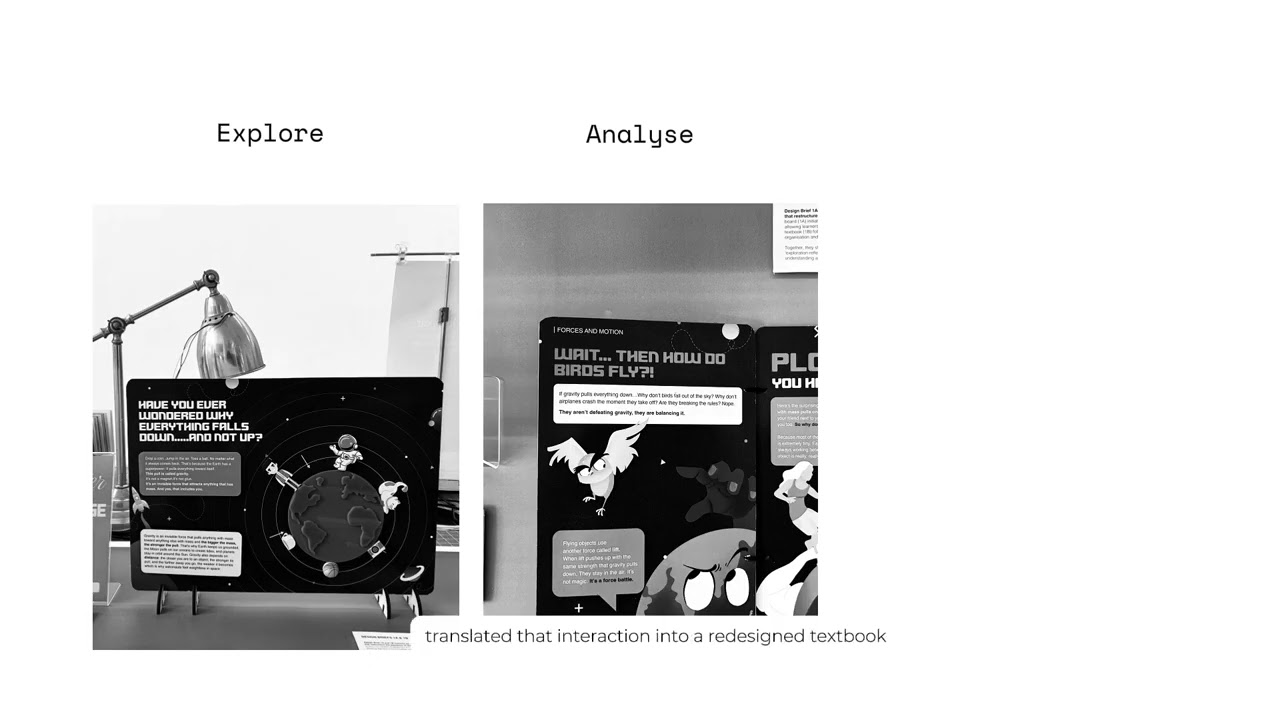
Jade Sia
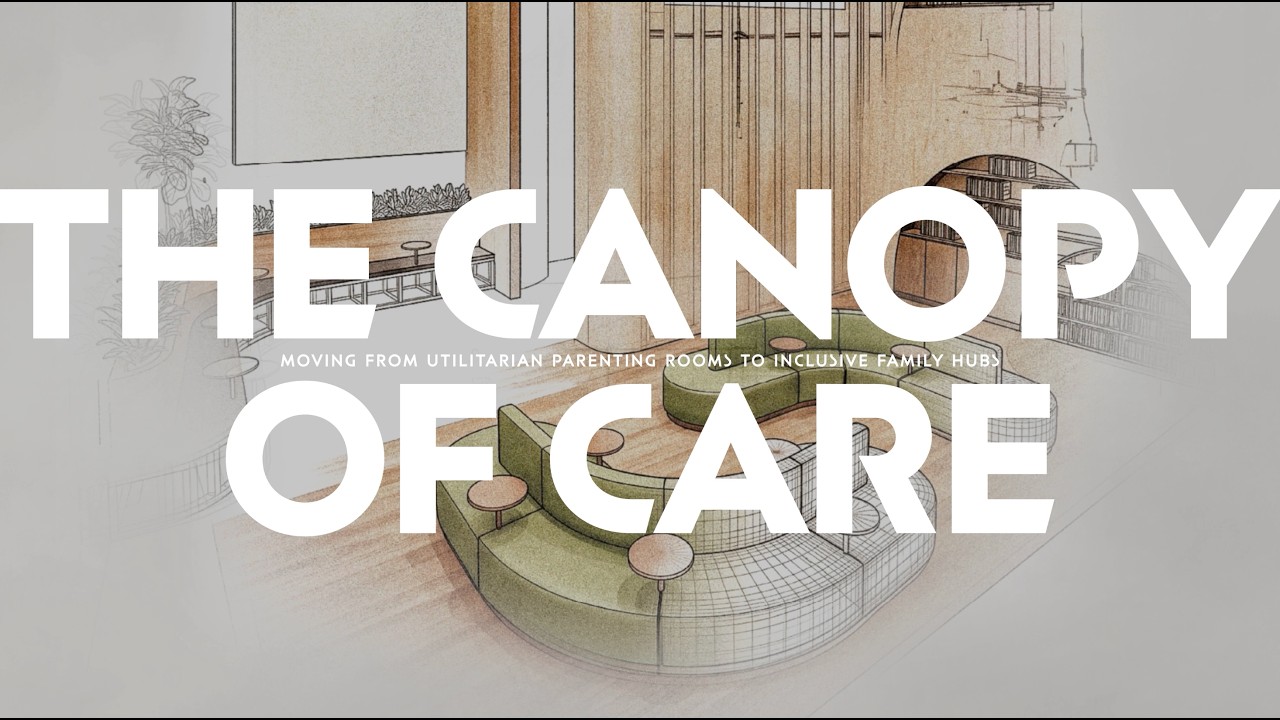
Rakshitha Raghunandan
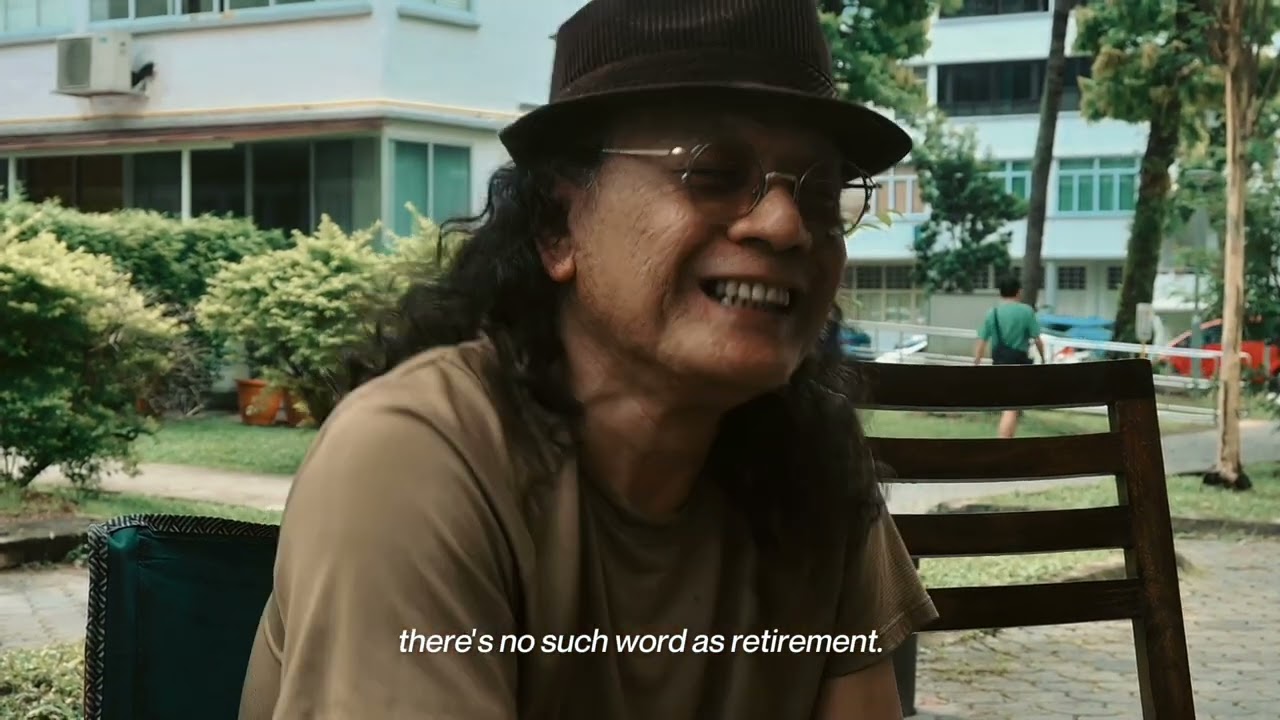
Mega Mario
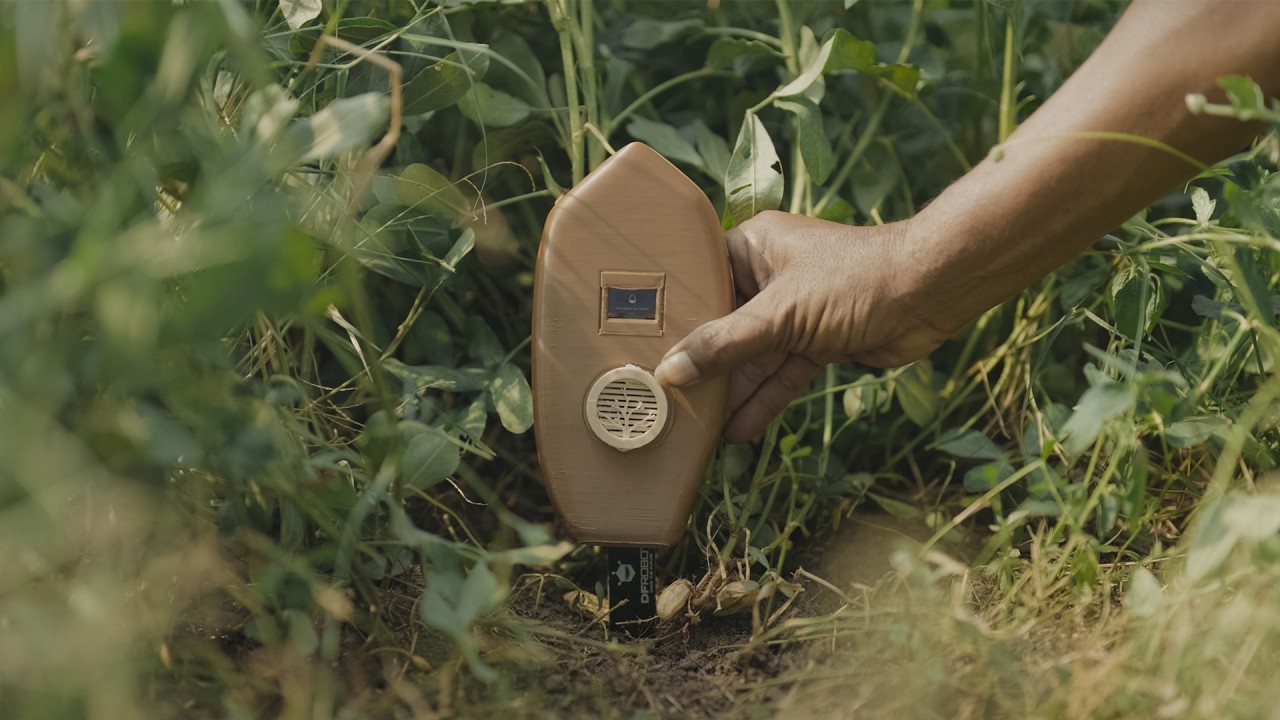
Masturah Maidin

Franca Isabelle Pilchner
