

About
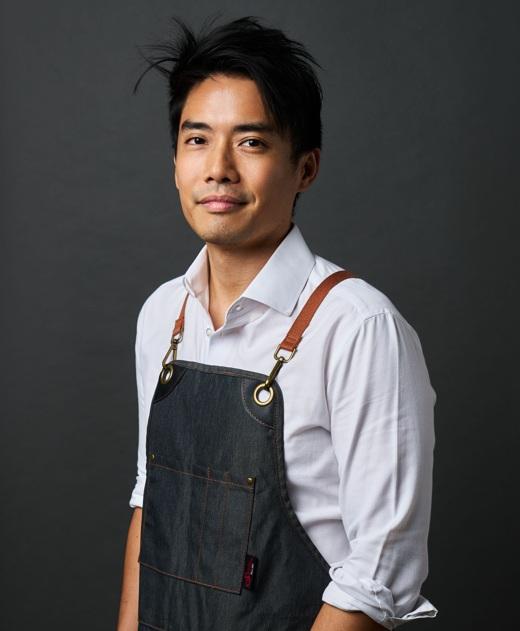
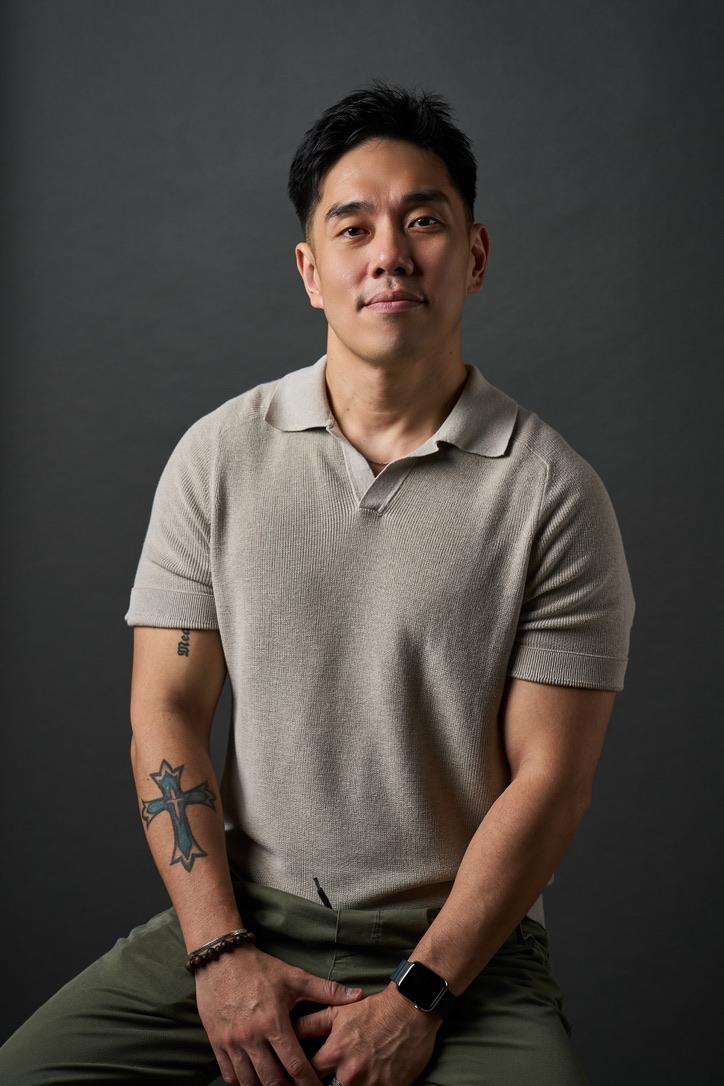
Yang-Shen has a background in international relations, with 12 years of experience across global contexts, and is now based in Singapore—his home (truly) base.
As an emerging art therapist, his research interests include addiction, dementia and existential crises, including life transitions. Yang-Shen is convinced that the strength of a nation lies not only in its economic vitality, but in the resilience and unity of its communities. He sees a strong mental wellness system as fundamental, not a luxury, in sustaining both social fabric and long-term well-being.
Observing the art therapy triangular relationship during a client rehabilitation and reintegration journey
This thesis is a qualitative, epistemological study of the creative responses resulting from the art therapy triangular relationship.
Encapsulated in a single case vignette, it explored how the dynamics of the three actors of the triangular relationship—the client, art therapy trainee, and art—elicited creative responses in support of a client’s rehabilitation and reintegration goals. These observed dynamics took place within a Singapore Community Based Programme (CBP) supporting justice-involved individuals living with substance misuse. In so doing, the thesis added to the knowledge base of art psychodynamic psychotherapy interventions within a CBP context.
The thesis also served as an explicit study of the creative effects of such three-way interplay, constituting the dynamics of the triangular relationship. This thesis documented that the triangular relationship gave the client the opportunity to play creatively, mentalise and regulate effect, and connect with the trainee by disclosing uncovered memories and utilising symbols.
The client was able to make use of salient moments during therapy for insight orientation, comprehension and sensemaking. The client’s engagement of prosocial activities, affect and emotional regulation, and reflective introspection provided the potential to support his rehabilitation and reintegration journey. Moreover, the client’s art and actions prompted the trainee to analyse his countertransference so that he could find the resilience to support the client as the latter’s journey progressed.

The Good Life
The Good Life employs the ancient, enduring art of batik to convey thought and meaning through metaphor.
By using wax and dye, the acts of melting, resisting, revealing, and transforming the cloth mirror the discomfort, jubilation, and ambivalence of inner change. The slow, attentive labour of batik reflects this unfurling, purposeful journey of transformation.
The tapestry’s pastoral scene is an ode to universal human needs—attachment, nourishment, and momentum. By embodying these themes in the artistic process and outcome, The Good Life personifies the hope of lives transformed, re-authored beyond isolation and dependency, replaced by growth, reconciliation, and reintegration.
Professional practice
Yang-Shen spent his clinical placements in nursing homes and senior day care settings (older adults), as well as in a community-based programme supporting resident rehabilitation and reintegration (adults).
He has experience working in both individual and group settings, and has facilitated museum experientials and nature-based learning journeys.
Yang-Shen has more than ten years of volunteer experience chaperoning children and youth with special needs on horseback (Hippotherapy), ensuring their safety and promoting their well-being.
3rd Singapore Medical Humanities Conference (17-18 October 2025)
Participated as a student delegation coordinator for LASALLE College of the Arts, University of the Arts Singapore, and artwork exhibitor of a painting Their Troubled Alpha Male contemplating a person living with dementia (PWD). The artwork was adopted by Outram Polyclinic.
SPACE—Honouring the Art in Art Therapy Exhibition (29 October-5 November 2025)
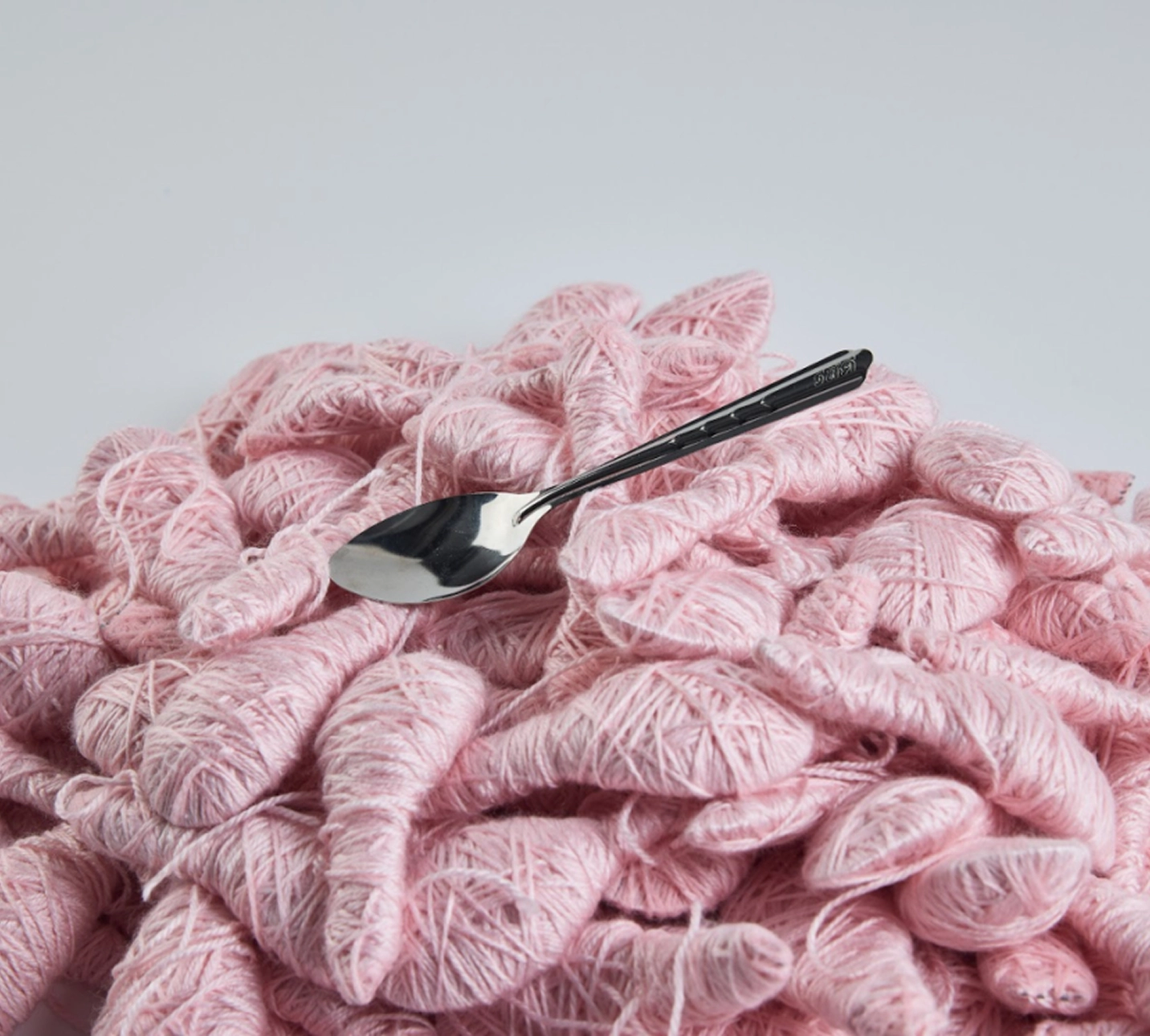
This exhibition comprised collected artwork from MA Art Therapy students and faculty to explore the intersections of art-making, reflection and therapeutic inquiry. Yang-Shen's clay sculpture If you were an animal, what would you be? explored the beginnings of a budding therapeutic alliance, essential for progress and outcome in the therapy space.
Clinical internship
Val Wai
David Gan Chong Jin
Nathanael Koh

Anit Kaur

Lim Syl-vyn
Chuang Ting-Yun