



Masturah Maidin


About
Masturah is an innovative and collaborative principal experience designer with 13 years of expertise in UX research, product strategy, data analytics and visual design.
She has a proven track record leading impactful projects for high-profile clients, driving seamless user experiences and fostering business growth through strategic insights.
During her time in the MA Design programme at LASALLE College of the Arts, Masturah founded MalayMondays, a community movement preserving colloquial Malay through digital, physical and discursive platforms.
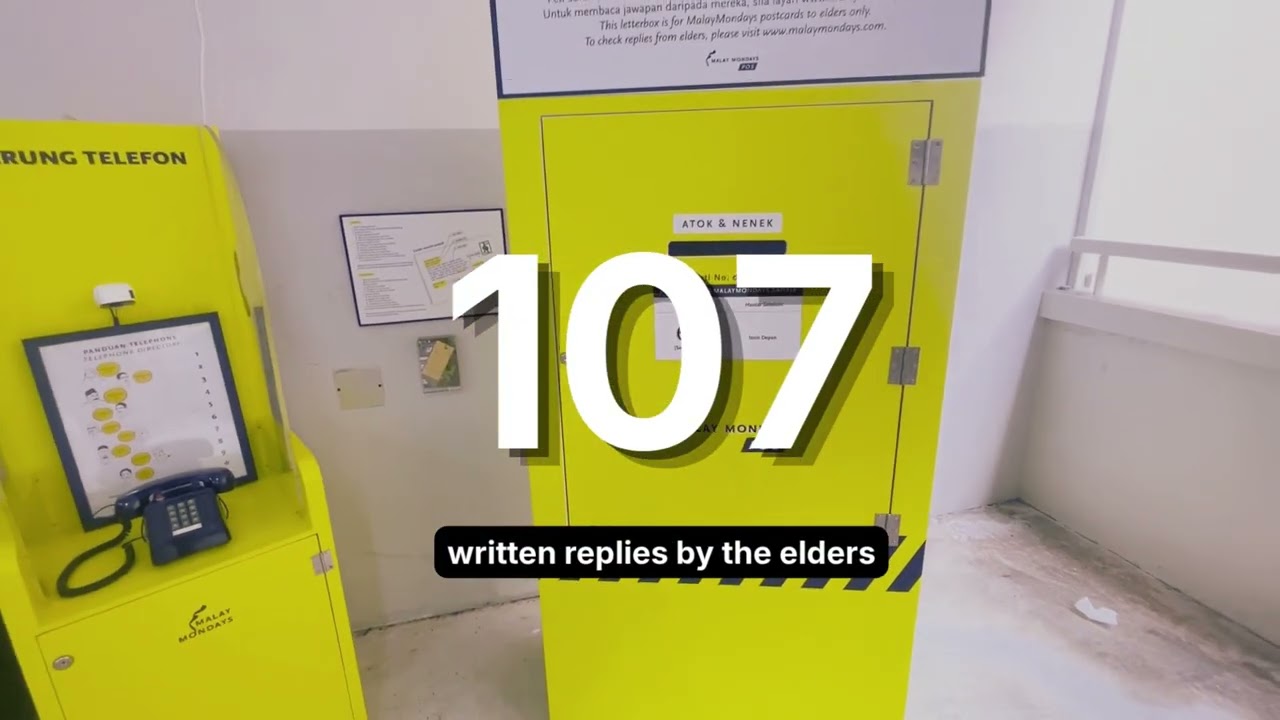
She designed and delivered the Speaking Selves installation across Tampines, a design-led intervention using a telephone booth and postcard letterbox to reconnect youth and elders through language, generating 3,000+ public interactions, and also produced the Knowledge Keepers podcast featuring practitioners, artists and policymakers, which secured support from the Singapore Government Partnerships Fund, with partnerships including Our Tampines Hub, Tampines Primary School, and MAEC.
Masturah is skilled in mentorship, problem-solving and visual storytelling. Adept at translating user needs into innovative product solutions and fostering individual and team growth, she takes a huge interest in leveraging creativity and leadership to tackle wicked problems—including the erosion of intergenerational connection—and drive impactful, community-owned solutions.
Speaking Selves
Speaking Selves is a design-led intervention that reconnects youth and elders through colloquial Malay. These three platforms:
-
A physical installation (telephone booth and postcard letterbox)
-
A digital archive (Instagram and Living Archive)
-
And a discursive podcast (Knowledge Keepers)
The research created prosocial habitats where youth become Knowledge Seekers and elders Knowledge Keepers. It also addresses the decline of colloquial Malay in Singapore by creating low-stakes spaces where language lives in conversation, not textbooks.
Across a 90-day Tampines pilot, the project generated 2,143 telephone interactions, 527 postcards received, and 107 handwritten replies from elders. Ultimately, the aim was to design a replicable, community-led model for language preservation that centres connection over correctness.


Research methodology and theoretical framework
Research Methodology
This research employs a practice-led design research methodology—a qualitative approach where design practice itself becomes the primary mode of inquiry. Rather than observing from a distance, I actively build, test, and iterate on interventions within the community, treating each prototype as both a research tool and a site of knowledge generation.
The methodology is structured around Nessler's Double Diamond framework, which guides the research through four phases: Discover (fieldwork, interviews, surveys), Define (synthesising findings into a reframed problem), Develop (ideating and prototyping), and Deliver (implementing and testing).
Theoretical Framework
The research is grounded in three interconnected frameworks:
1. Humanity-Centred Design (HCD+) expands beyond individual user needs to consider the broader social and cultural ecosystem. It prioritises solving root issues (not just symptoms) and working with the community, ensuring language revitalisation serves the entire Malay community, not just individual speakers.
2. Double Diamond provides a structured process for moving from problem to solution. The Discover and Define phases framed the research; the Develop and Deliver phases guided prototyping, testing, and scaling the interventions.
3. Participatory Design & The Collaboration System Model ensure the project is co-created with the community, not imposed on it. Elders, youth, schools, and community partners were active participants in shaping the interventions, not passive subjects.
TLDR; Humanity-Centred Design sets the why (serving the community's cultural ecosystem), Double Diamond sets the how (a structured path from research to solution), and Participatory Design sets the who (co-creating with the people it serves).

Sabrina Japit
Lim Eng Kit, Rachel

Gunika Jain
Rakshitha Raghunandan
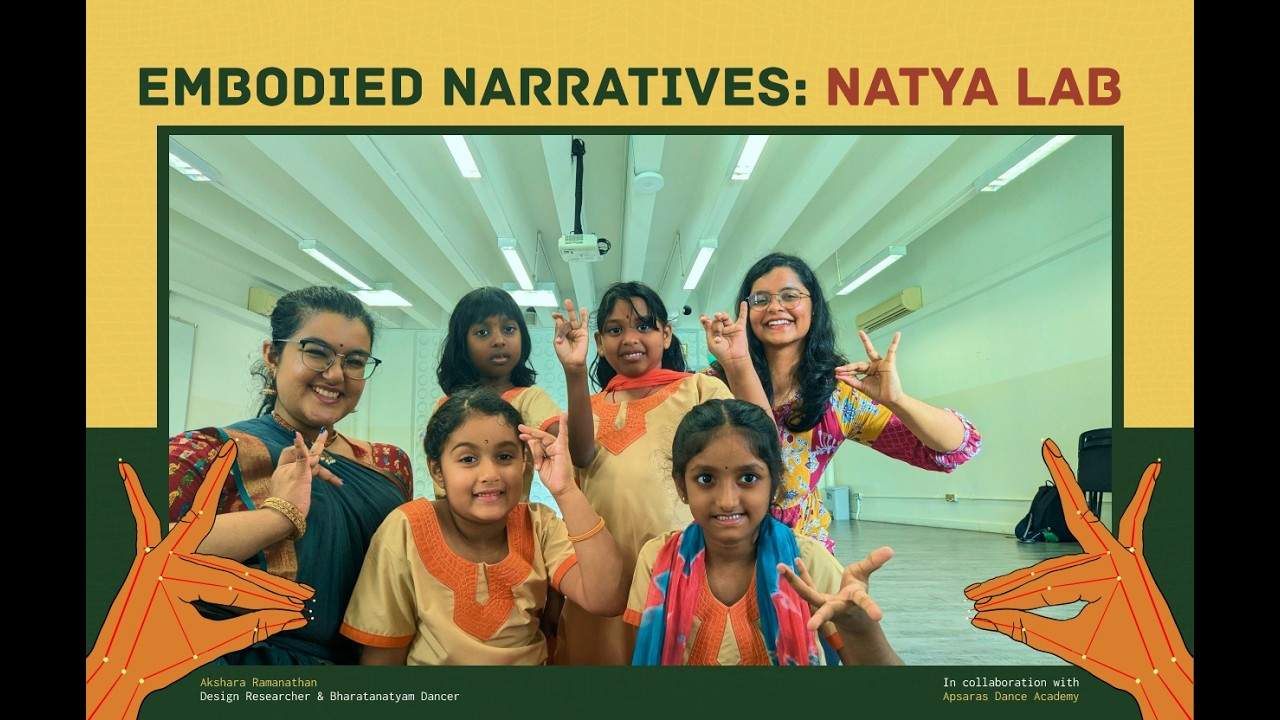
Akshara Ramanathan
Sam Li
