



About
Sanjana Venkat is a visual communication designer drawn to the intersection of branding, packaging and visual storytelling. She loves bringing ideas, projects and brands to life by building visual worlds that feel thoughtful, expressive and rooted in culture.
Her practice is driven by visual thinking, curiosity and empathy. She is interested in how people connect with brands, ideas and culture and enjoys translating these connections into thoughtful visual identities and experiences. She especially loves the process of taking an idea from its earliest stage and building a visual language around it.
Sanjana is interested in creating visual systems that give brands a distinct voice while allowing them to grow and evolve. Her approach often draws from cultural narratives, everyday observations and human experiences, using them as starting points to create identities that feel familiar yet unexpected.

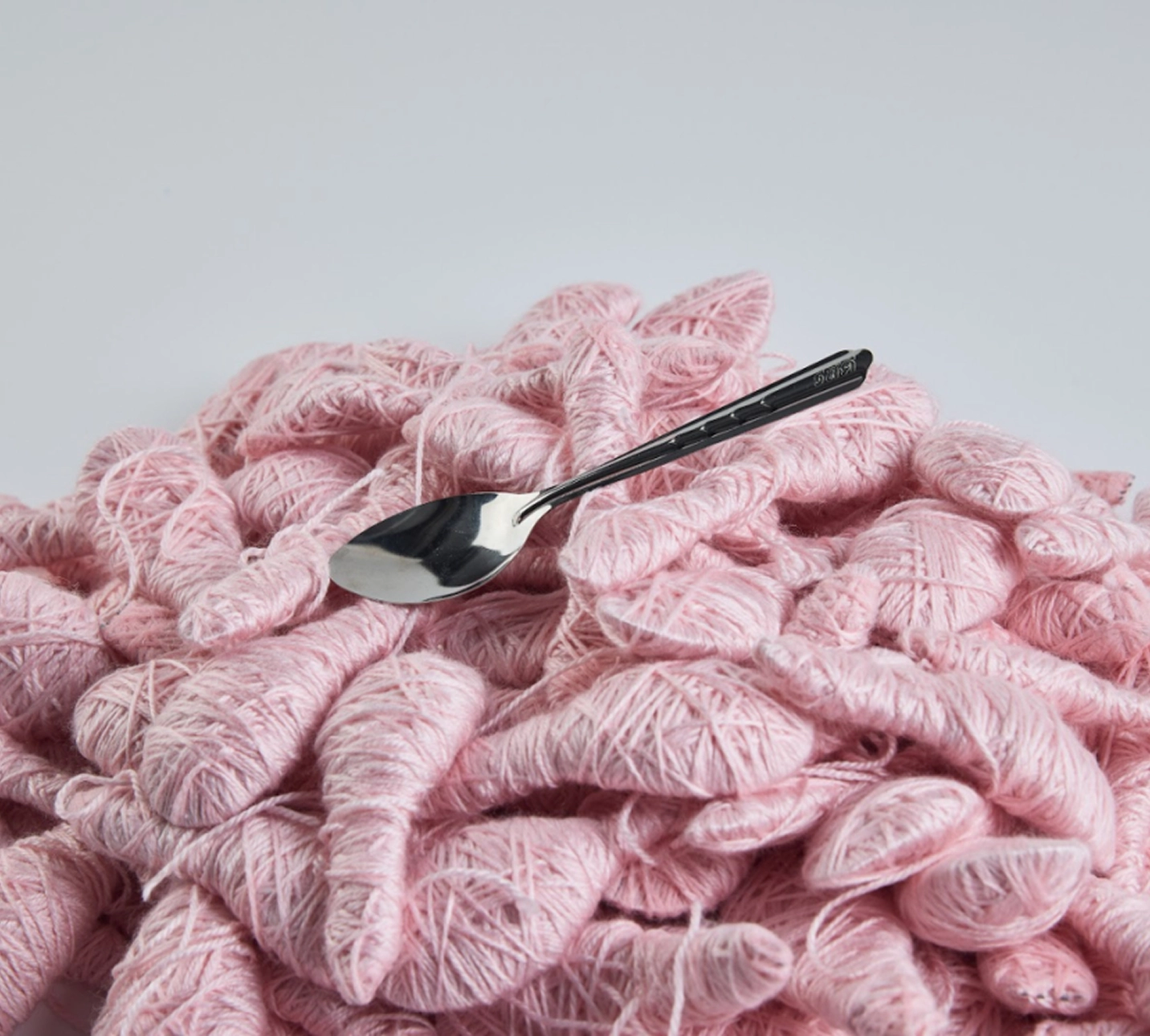
In Plain Sight – a participatory toolkit designed to open up conversations around menstruation through reflection, play and collective learning.
Designing Menstrual Dialogue
In Plain Sight is a participatory design project that explores how design can help make conversations around menstruation more open, inclusive and part of everyday life.
Although menstruation is a natural biological process, it continues to be shaped by shame, silence and cultural restrictions. In India, conversations around menstruation often remain private, with greater emphasis on managing and concealing the experience than acknowledging it openly.
This led to the research question: how can design create participatory and safe systems that encourage inclusive conversations around menstruation?
By creating space for people to share, listen and reflect together, In Plain Sight aims to shift menstruation from something that is privately managed and often hidden into a subject that can be acknowledged, understood and discussed collectively.

The project responds to the lack of safe and informal spaces for open conversations around menstruation. The In Plain Sight Toolkit is developed as a conversational system using cards, tactile objects and collaborative activities. It encourages participants to unpack beliefs and experiences, explore embodied perspectives and reimagine conversations through play and peer interaction.
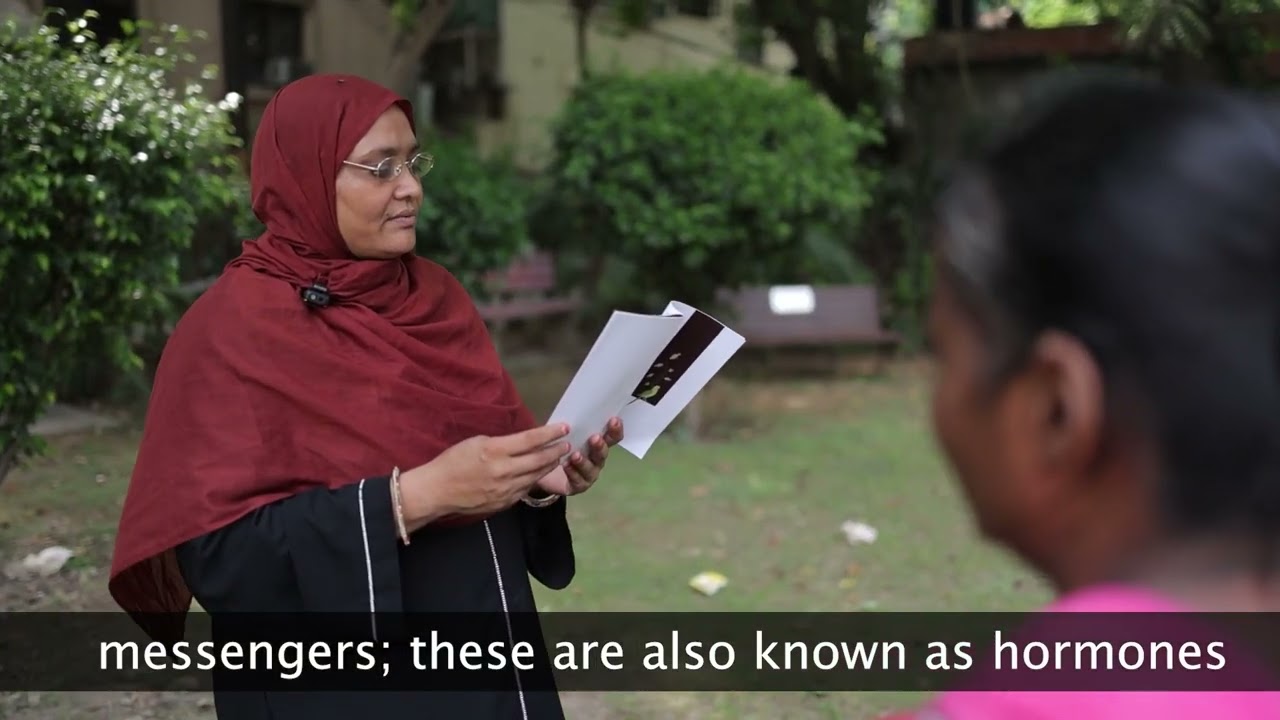
Designed to be adaptable across different social settings, the toolkit was explored through workshops in schools, peer-led communities and workspaces, creating opportunities for people of different ages and backgrounds to participate in conversations around menstruation.


Research methodology and theoretical framework
The project is informed by the Transformation Design Framework (Burns et al., 2006), adopting an iterative and participatory approach that involved understanding lived experiences, engaging stakeholders, prototyping interventions, gathering feedback and continuously refining the toolkit.
The framework enabled the project to respond to contextual insights and evolving participant needs, positioning the design process as an ongoing exploration rather than a linear path towards a fixed outcome.
Through the toolkit, the project seeks to facilitate social and behavioural transformation by creating inclusive spaces for dialogue, reflection and shared learning around menstruation.
By integrating participatory activities and embodied interactions, the toolkit supports a shift in how menstruation is perceived and discussed, encouraging greater empathy, awareness and collective understanding among diverse participant groups.

Gunika Jain
Sam Li

Akshara Ramanathan
Jade Sia
Lim Eng Kit, Rachel

Pann Lim
