



About
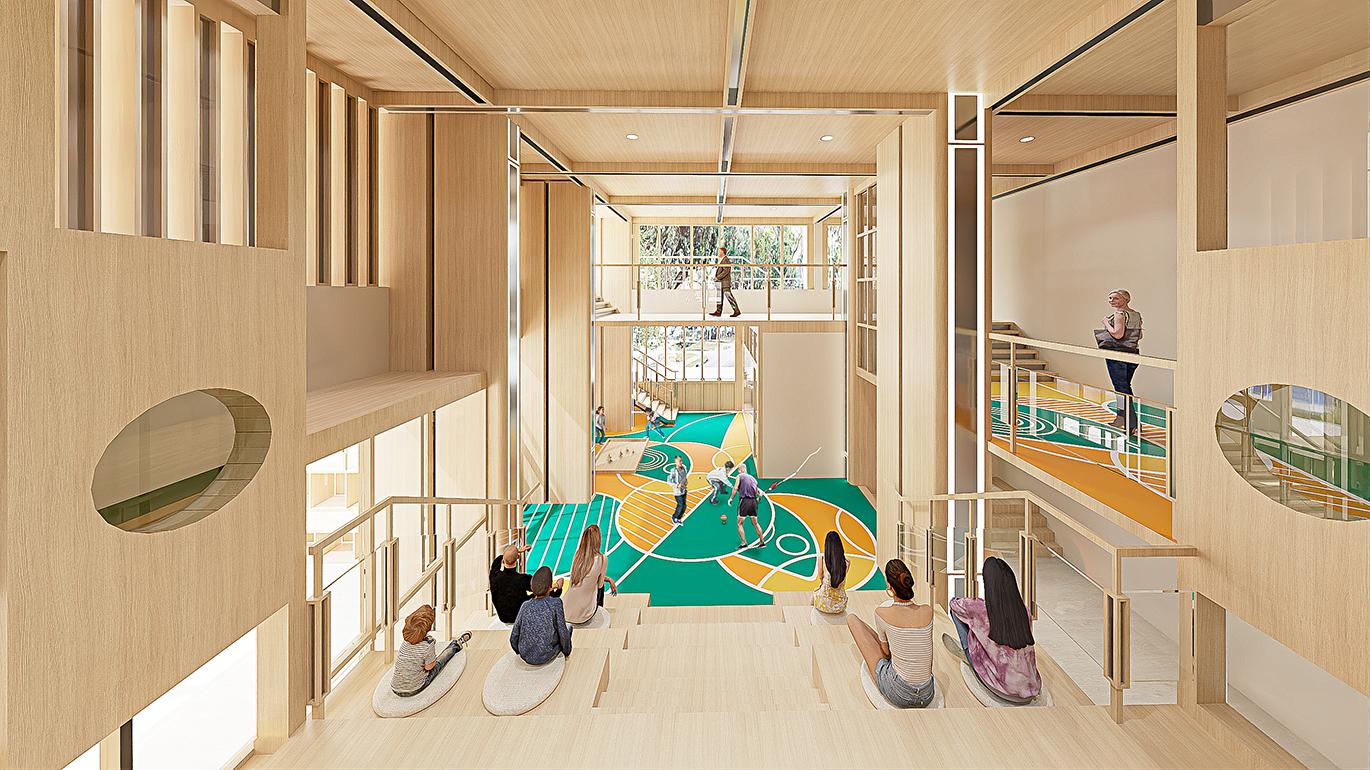
Stacia is a graduate of the Diploma in Interior Design programme at LASALLE College of the Arts, with a strong interest in spatial planning and human-centred design.
She is particularly drawn to how spaces influence movement, interaction and emotional experience, aiming to create environments that are both functional and meaningful.
Stacia's design approach focuses on flow, connectivity and the relationship between people and space. She is interested in how spatial sequences can guide users intuitively, creating a sense of continuity while allowing moments of pause, interaction and reflection.
She often explores layered spatial strategies, where different zones and experiences overlap to form dynamic and adaptable environments. She also integrates natural elements such as light, greenery and materiality to enhance wellbeing and create a sense of calm within the built environment.
Stacia views research and iteration to be essential to her design process. Through continuous testing, refinement and critical thinking, she develops concepts that are both purposeful and clearly articulated. She strives to translate these ideas into spaces that are not only visually compelling but also responsive to users’ needs. Ultimately, her goal is to design environments that foster connection, comfort and a meaningful sense of place.
The Harvest
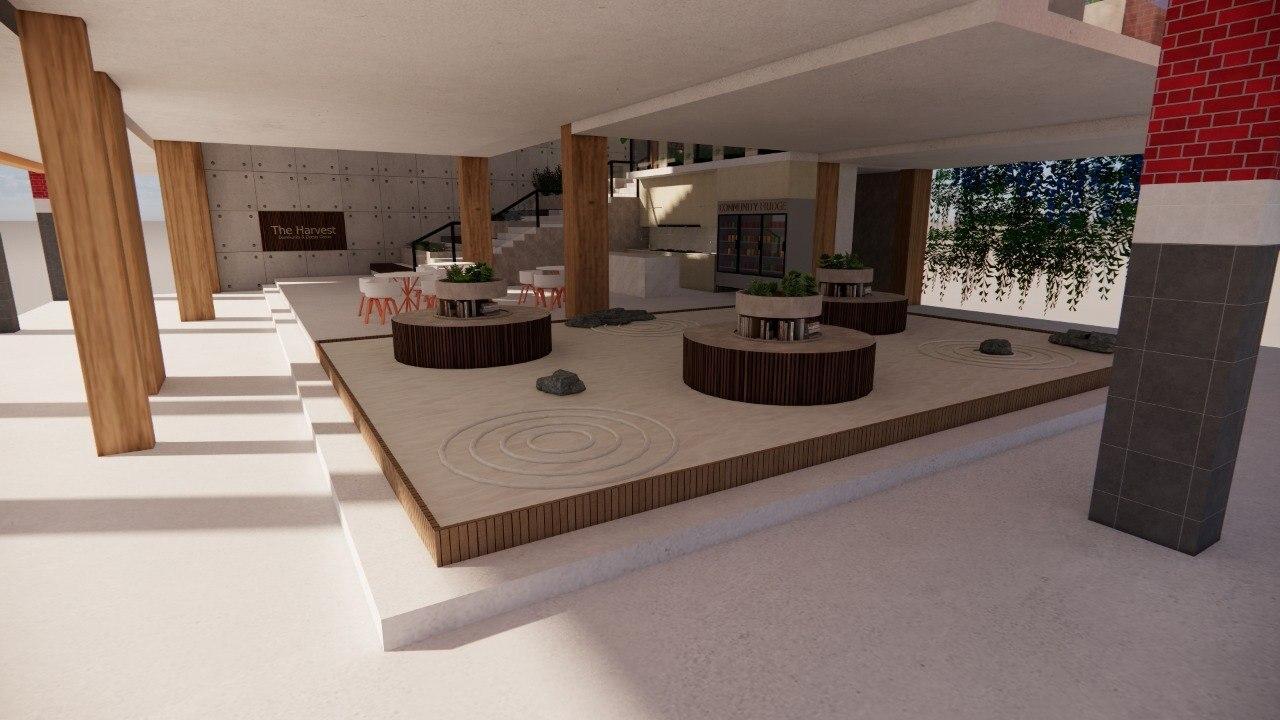
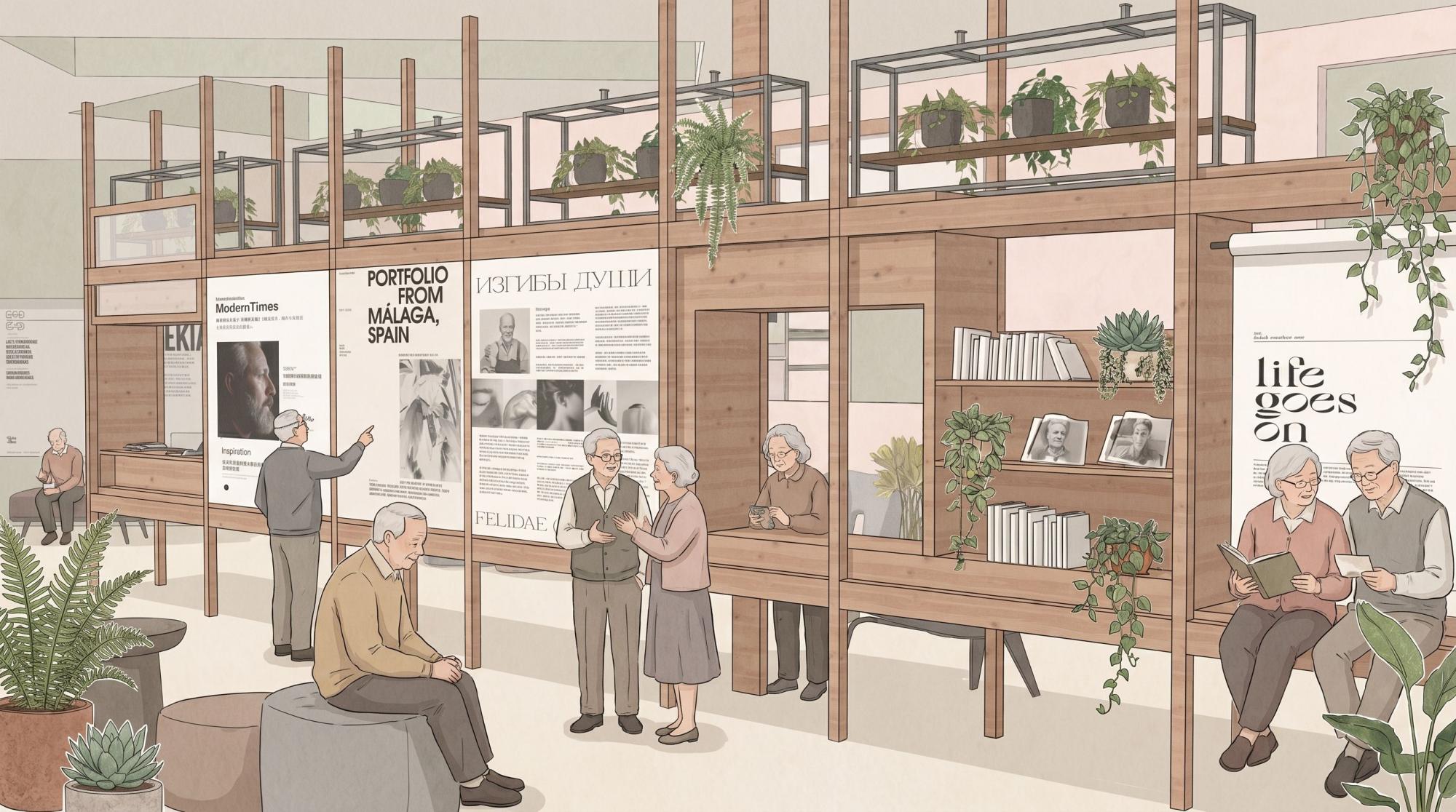
Inspired by intergenerational living and the subtle rhythms of community life, this project reimagines the garden as a shared social landscape. It draws on the notion of elderly wisdom as a living resource—cultivated, nurtured and passed on—much like the plants within the space.
Layered terraces and circular gathering areas express cycles of care, growth and exchange, encouraging both movement and moments of pause. Shaded structures and open-air gardens respond to the tropical climate, balancing comfort with exposure.
This project explores intergenerational community living through gardening, creating shared spaces where elderly residents and families participate in collective care and interaction.
Layered zones integrate planting, rest and gathering areas to support both activity and reflection. Emphasising accessibility and climate-responsive design, the environment encourages daily engagement while strengthening social connections, enhancing well-being and fostering a sense of purpose within a community-oriented setting.
The design fosters informal interactions between families and seniors, creating an environment where knowledge, stories and daily rituals are continually cultivated, reinforcing a sense of belonging grounded in a shared experience rather than permanence.
Diana Ser Wei Xiu

Dylia Leong Wye San
Khine Zin Htun
Nikki Ng Tze Qi
Liu Hanwen (Harvey)
Zhao Bicheng