


About
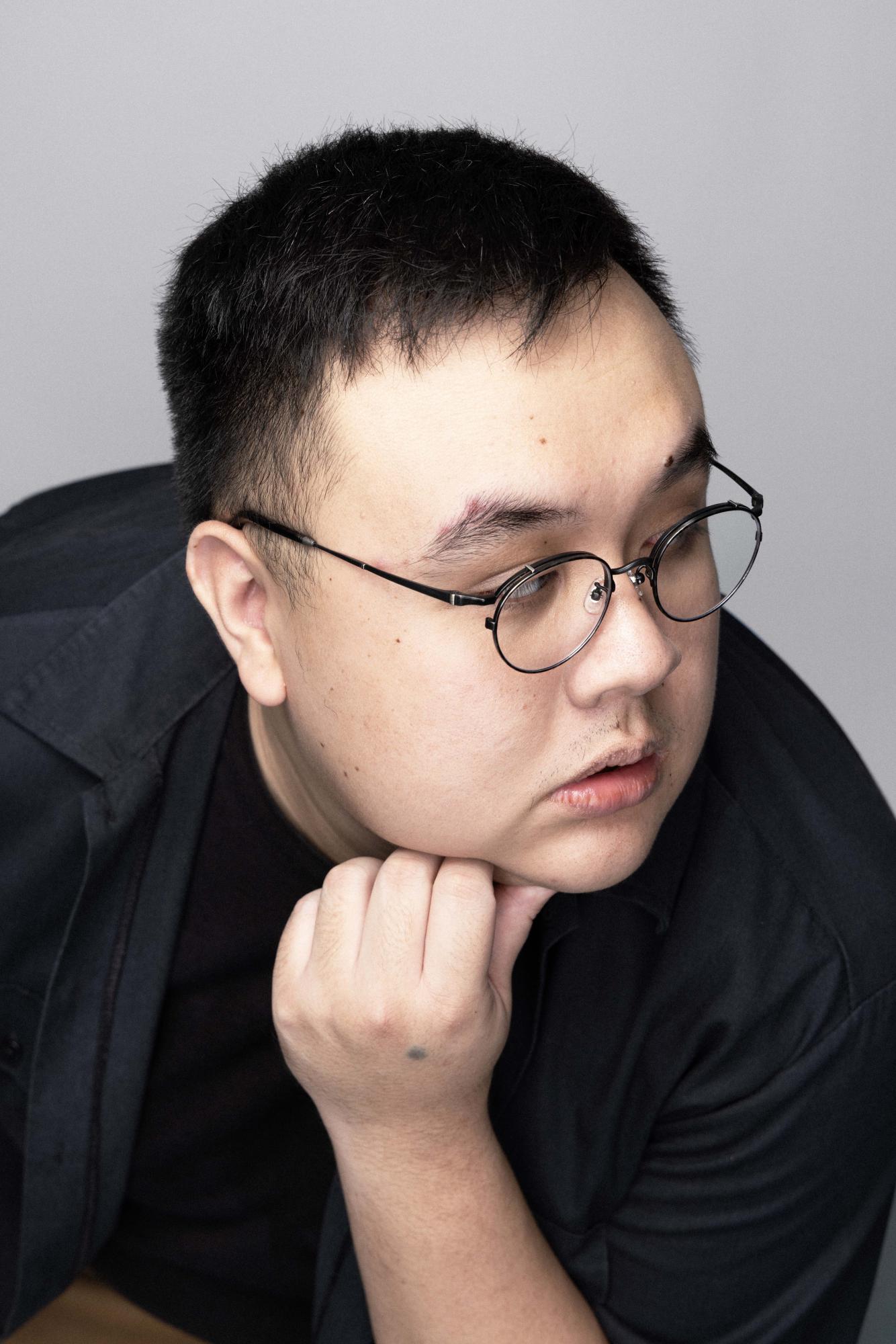
Zhen Hong is a multidisciplinary artist who often explores methods of bridging traditional mediums with contemporary multisensory activations, focusing on accidental and organic encounters. He attained a Diploma in Fine Art from the Nanyang Academy of Fine Arts in 2021 and will graduate with a BA (Hons) in Fine Arts from LASALLE College of the Arts in 2026.
His artistic practice is informed by a focus on Southeast Asian cultural and historical narratives, alongside an interest in natural history and ecological theories. His body of practice aims to incorporate more-than-human perspectives to explore the entanglements between human experience, material agency and the environment.
Zhen Hong is professionally trained in painterly and photographic mediums. He has experience spanning curation, art-making, theatre and concert production, arts management and photography. He has collaborated with a diverse range of entities including editorial photo studios, arts charities, cultural institutions, governmental agencies and performing arts groups, taking on various roles across the arts and culture sector.

Naturally Artificial: Samplings and Resemblings
Ink on canvas
(2026)
Naturally Artificial
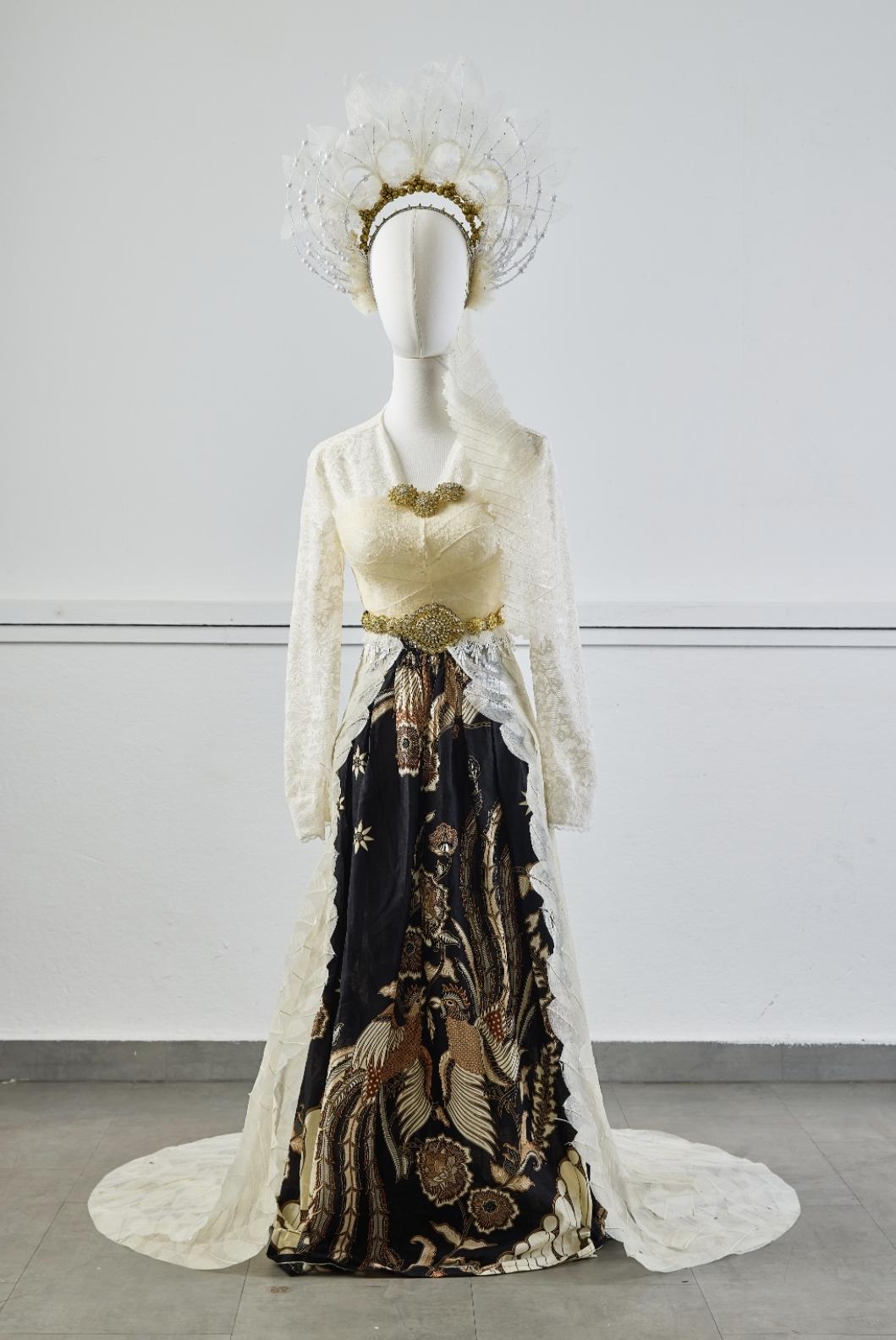
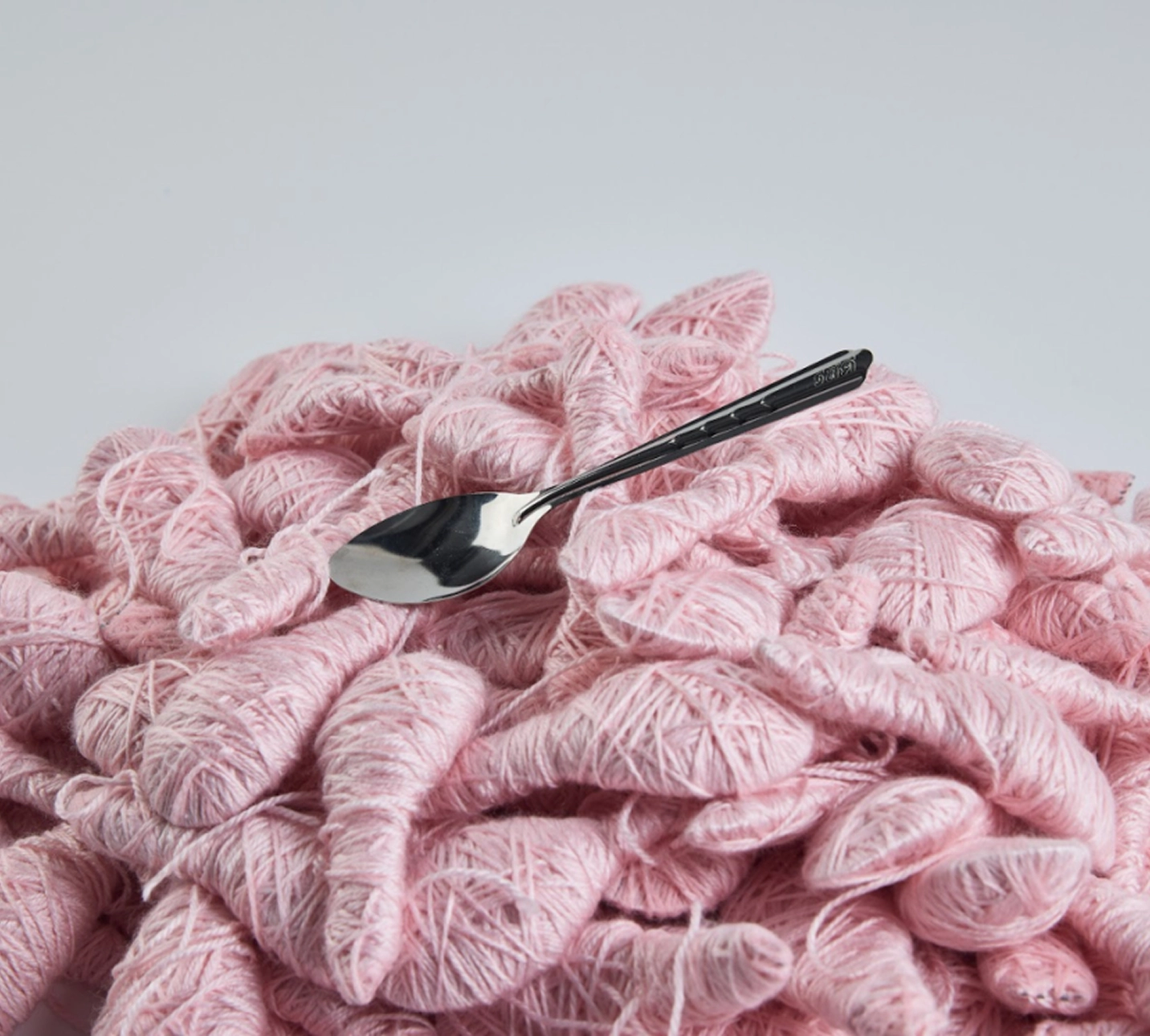
Naturally Artificial unfolds as an attempt to reconfigure being in nature, and the nature of being, through spatial and material encounter.
Change lingers throughout the atmosphere without settling into a stable form. Assemblages (humans, other organisms seen and unseen) enter a field already in motion, adjusting to conditions before comprehension and orientation.
Vision takes time to align: leaves, forests, shadows, patches—all but green. Listening extends, catches, loses and returns, moving between surroundings and digital playback. Perception moves in fragments, assembling and dispersing simultaneously. Attention leaves traces that do not stabilise, accumulating instead as residual shifts in attention and awareness.
Relations accumulate through a slight shift in time. Environmental fluctuations are observed within itself, translated, reconfigured and returned as assemblages, folding further into the field. Each adjustment carries forward into the next, meeting others to produce intermittent densities and releases.
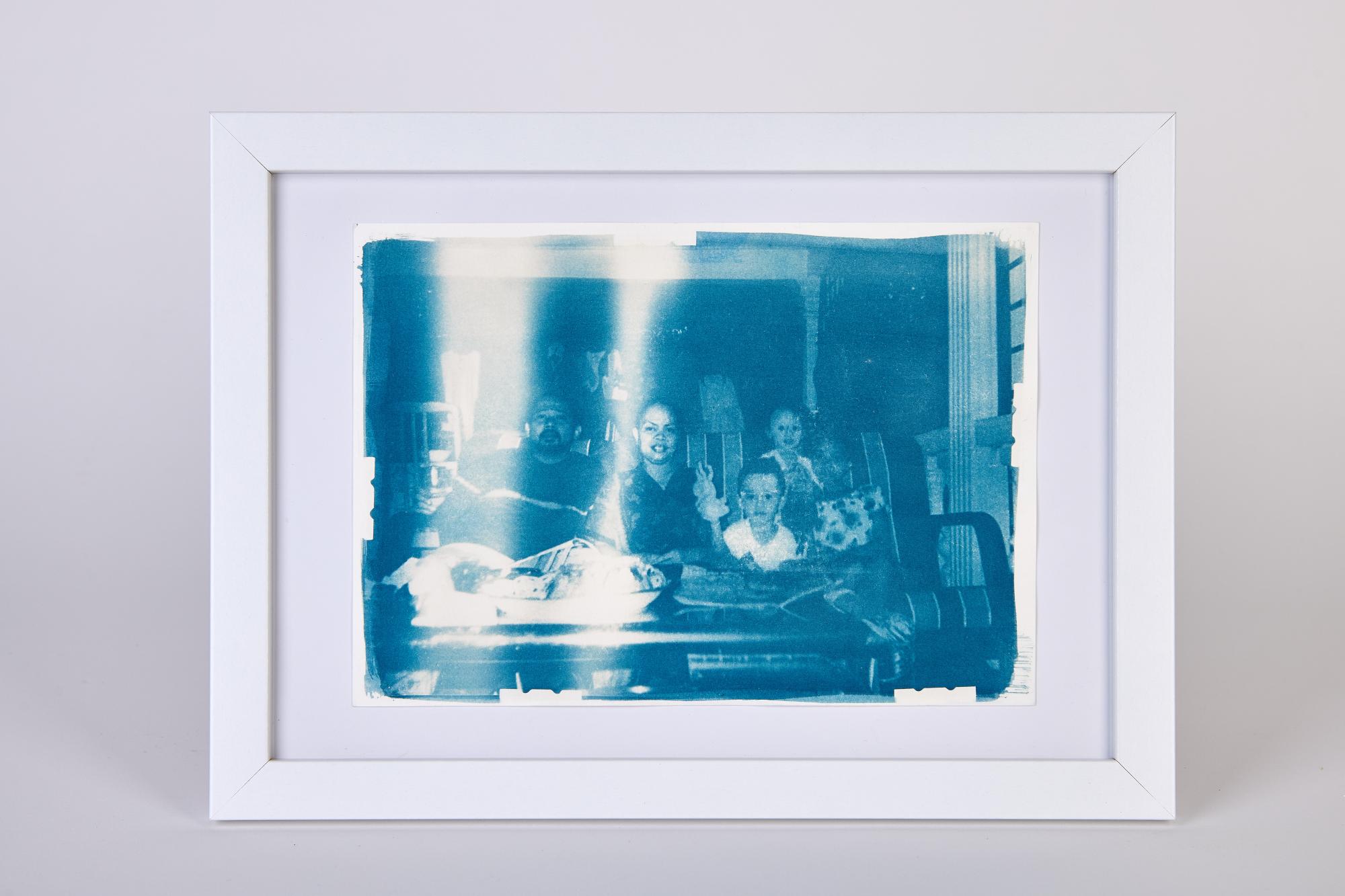
Material encounters and manipulations operationalise within the same plane of exchange. Printed images, cyanotypes, ink drawings and charcoal works are exposed to their immediate environmental conditions. Nothing holds for long; the natural and artificial blurs.

Naturally Artificial: Fieldwork
Charcoal, seven days outdoors (6–14 October 2025), on cotton paper
(2026)


Research methodology and theoretical framework
Naturally Artificial: How do contemporary artists engage with more-than-human ecological philosophies to explore spatial relations to ‘nature’?
This research investigates how contemporary artists mobilise more-than-human ecological philosophies to reconfigure spatial relations with what is conventionally named 'nature', under conditions in which 'nature' is frequently commodified, aestheticised and rendered conceptually inert.
Departing from phenomenological accounts of embodied encounter and spatiality, the study treats artistic practice as a relational field in which materials, environments and organisms participate as co-constitutive agencies, rather than passive matter upon which human meaning is imposed.
In this sense, agency is approached as transient and distributed, emerging through situated engagements rather than being secured in advance by anthropocentric hierarchies. Methodologically, the research combines practice-led inquiry with theoretical contextualisation across three intersecting strands: phenomenological theory, ecological philosophy and concepts of interdependency and entanglement. This tracks how meaning arises through inter-entity encounter and material response.
The analysis centres on selected works by Ari Bayuaji, Pierre Huyghe and Diana Scherer as exemplary sites where the artificial and the organic are treated as converging modes of habitat, contingency and co-production. Conceptually, the research re-reads the Aristotelian hypokeimenon as a shared ground in which human and beyond-human agencies may be apprehended on the same plane, without collapsing difference into a romantic holism.
The project’s contribution is to articulate how contemporary ecological art can operate neither as representation of “nature” nor as ethical illustration, but as an ontological experiment in which artworks are staged as contingent events that are self-exceeding, partially indifferent to spectatorship and capable of unsettling the human as measure of the real.

Nursyafaasyurah Binte Mohamad Zamari
October Bong Man Won

Muhamad Erwan Afian
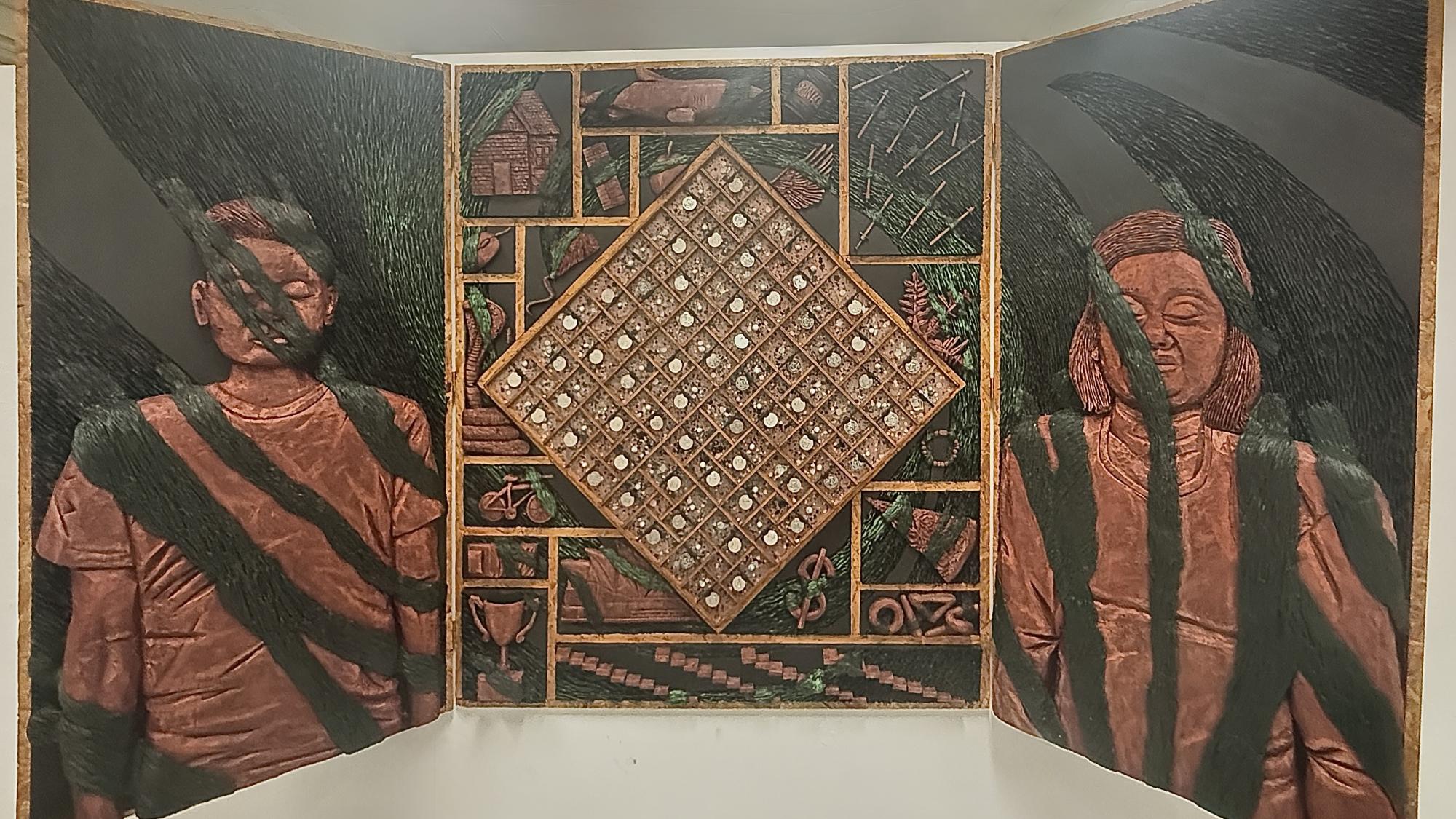
Manasi Agrawal
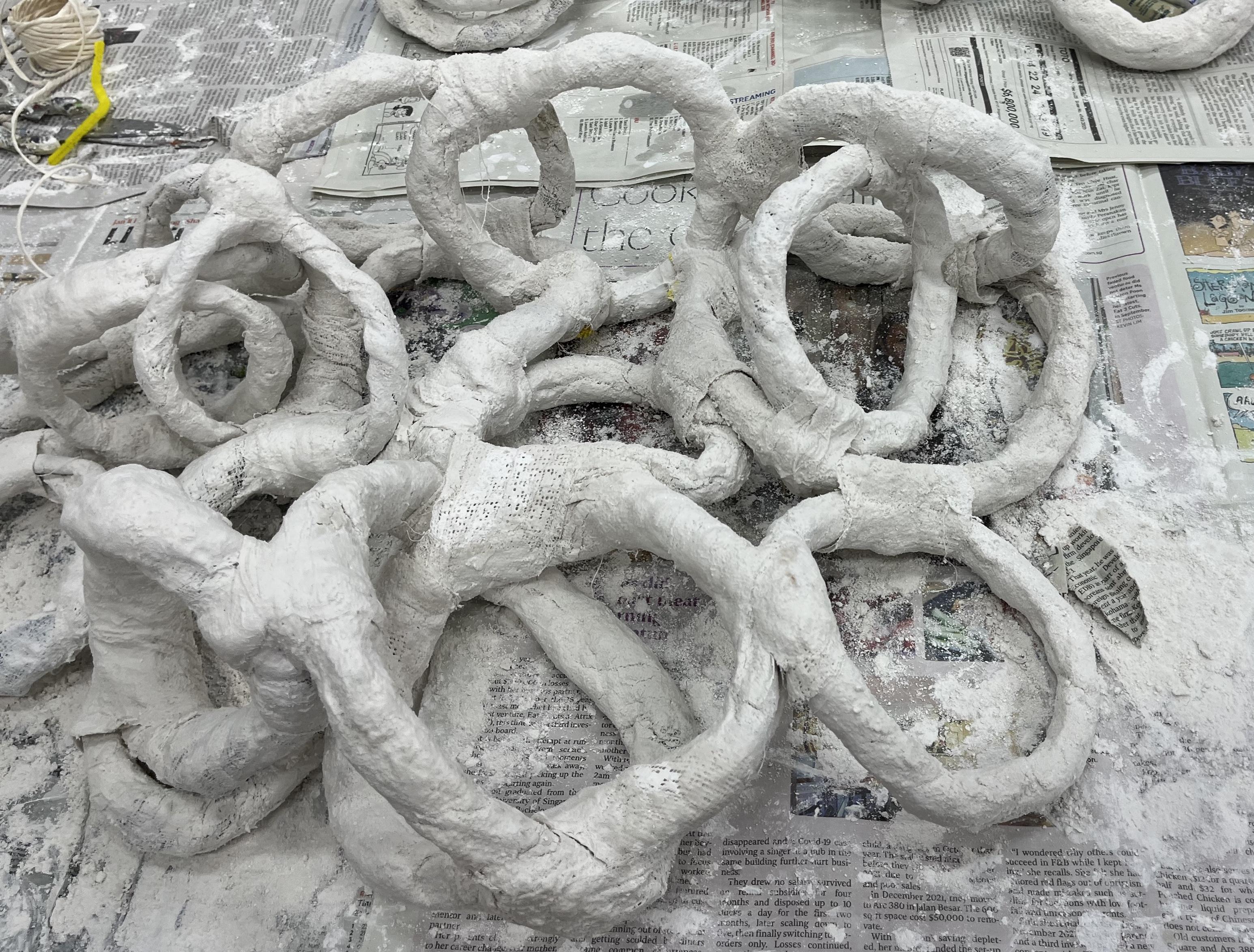
Natalie Savann Oh
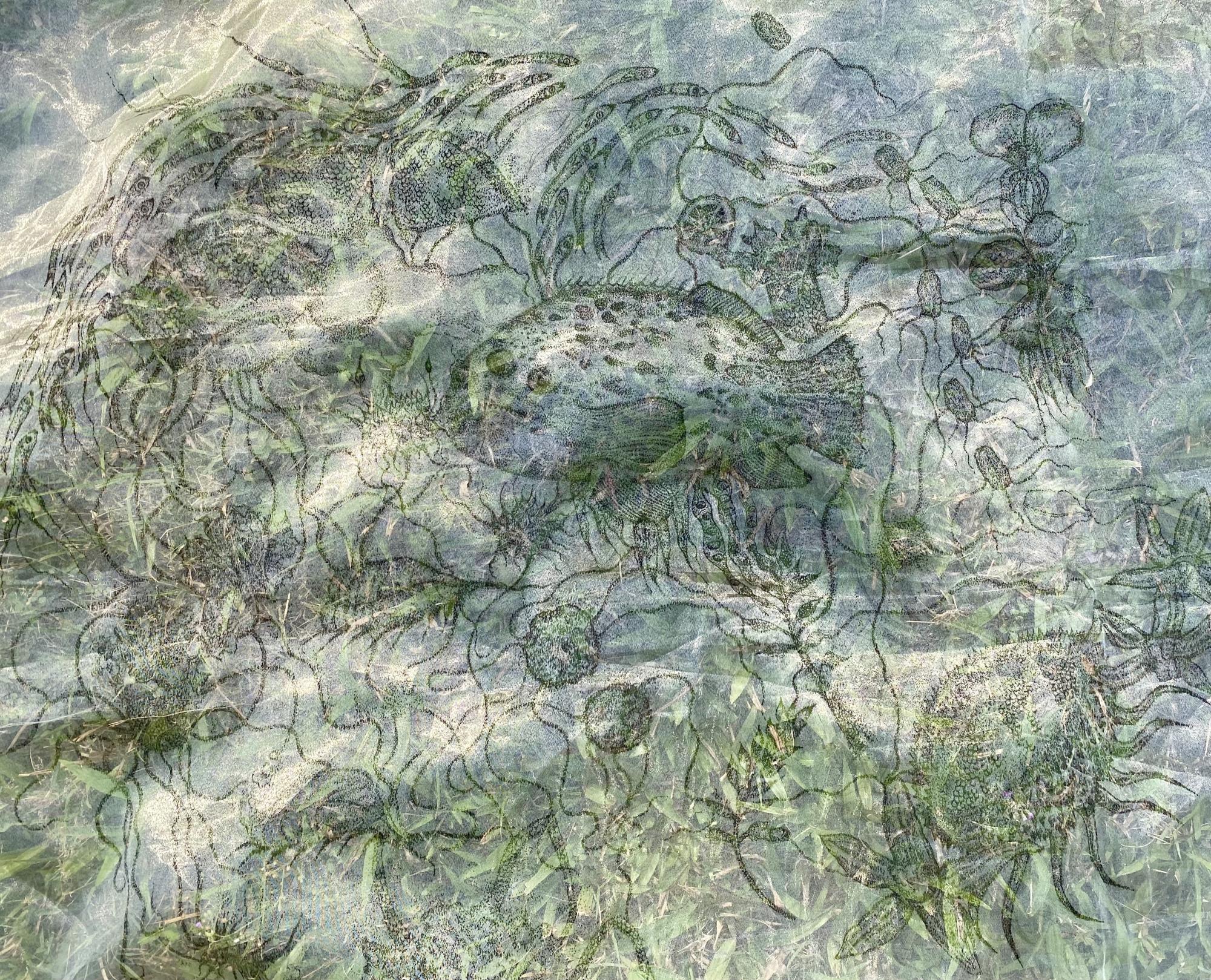
Erny Ellyssa Munir