




About
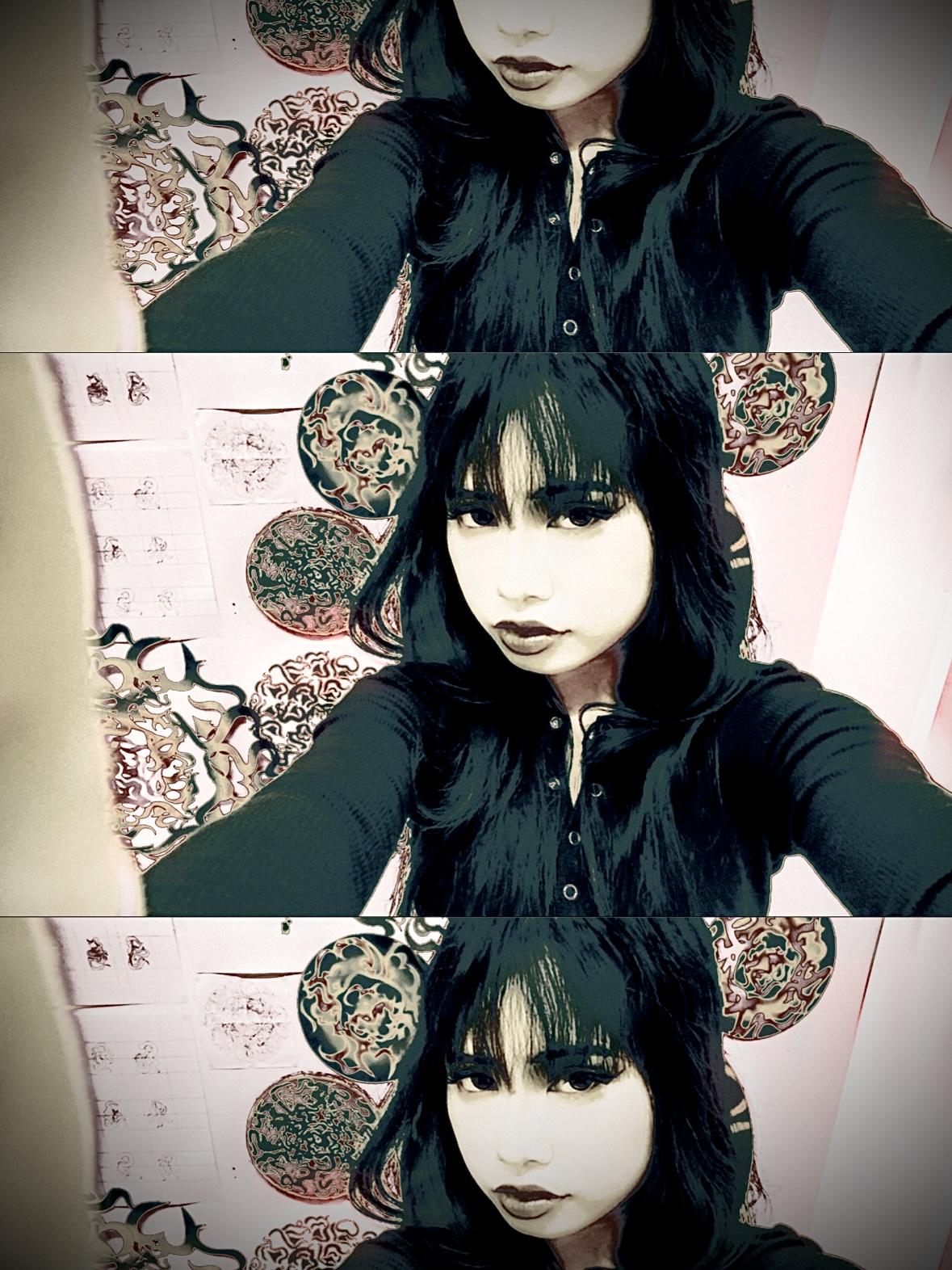
Sara is a multidisciplinary, feminine artist whose practice explores identity, tradition and the societal frameworks that shape women’s lives within a Malayan context. Grounded in feminist thought, body politics and cultural belief systems, her work reflects an ongoing interest in how inherited values, rituals and expectations inform both personal and collective identities.
Working across sculpture, installation and mixed media, Sara approaches art-making as a process of constructing and deconstructing meaning. Her practice is guided by an attraction to the tension between the seen and unseen, the spoken and unspoken. Through the use of layered forms, recurring motifs and material experimentation, she develops a visual language that suggests cycles, emotional states and shifting identities without settling into fixed interpretations.
Influenced by Southeast Asian cultural narratives, spiritual references and everyday lived experiences, Sara's work considers femininity as something fluid, shaped across different roles and stages of life. She is particularly drawn to moments of contradiction where strength coexists with vulnerability and where tradition meets personal agency. Rather than presenting definitive statements, Sara’s practice invites open-ended reflection. Her works often inhabit a space between familiarity and unease, encouraging viewers to question what is culturally accepted, internally felt and quietly endured.
Bahasa Pura-Pura, "Language Of Pretence"
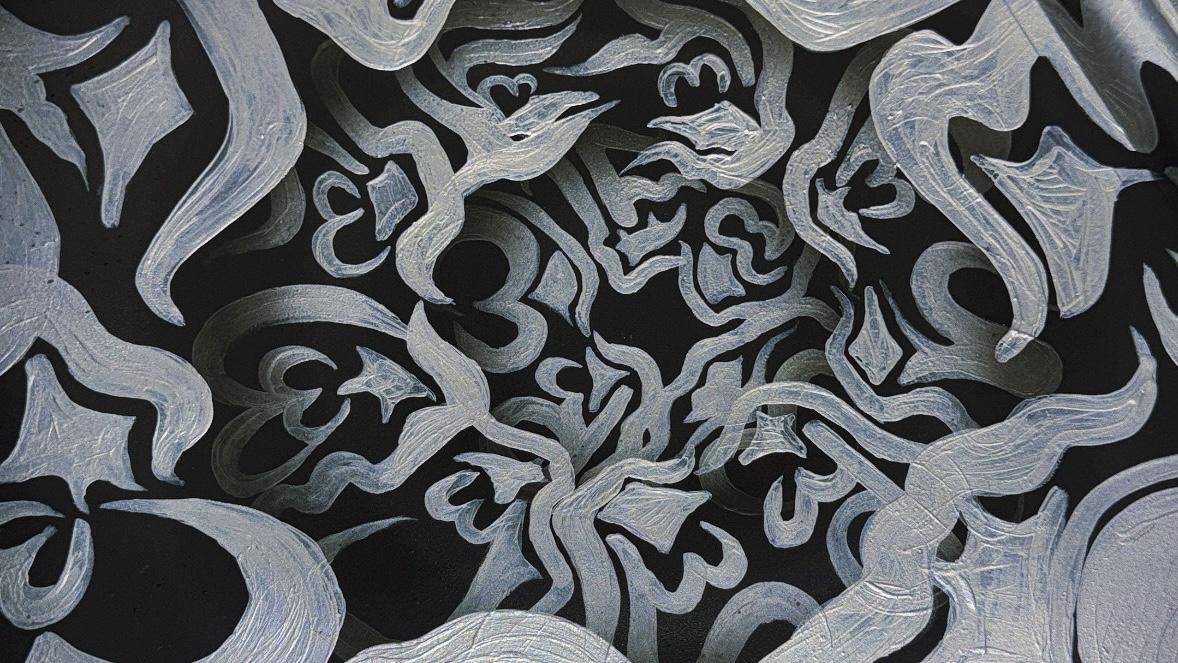
Bahasa Pura-Pura, "Language Of Pretence", is a multidisciplinary body of work that examines the emotional and psychological weight of cultural expectations placed upon women in a Malayan context. Through recurring circular and spiral forms, the work visualises cycles of repetition, containment and quiet endurance.
A constructed, Jawi-inspired symbolic language emerges as an unreadable yet deeply felt system, shaped by lived experiences and collected testimonies. In contrast, clearer visual elements act as deceptive 'answer sheets', critiquing the oversimplification of women’s realities.
Rooted in self-reflection, the work resists direct interpretation, inviting viewers to confront the discomfort of partial understanding and the limits of representation.
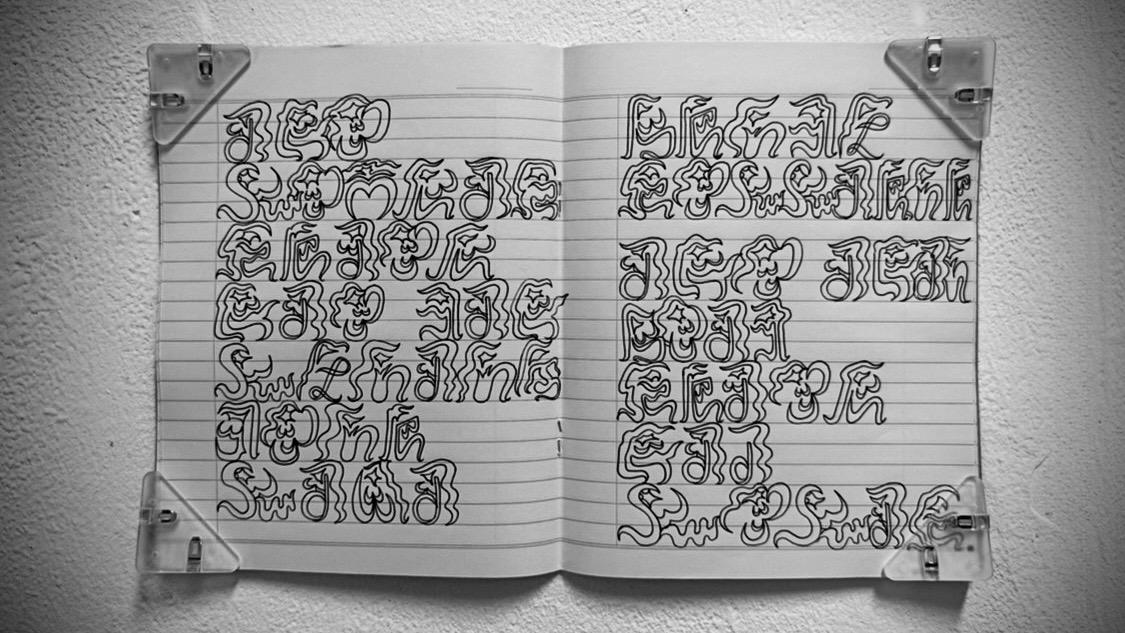
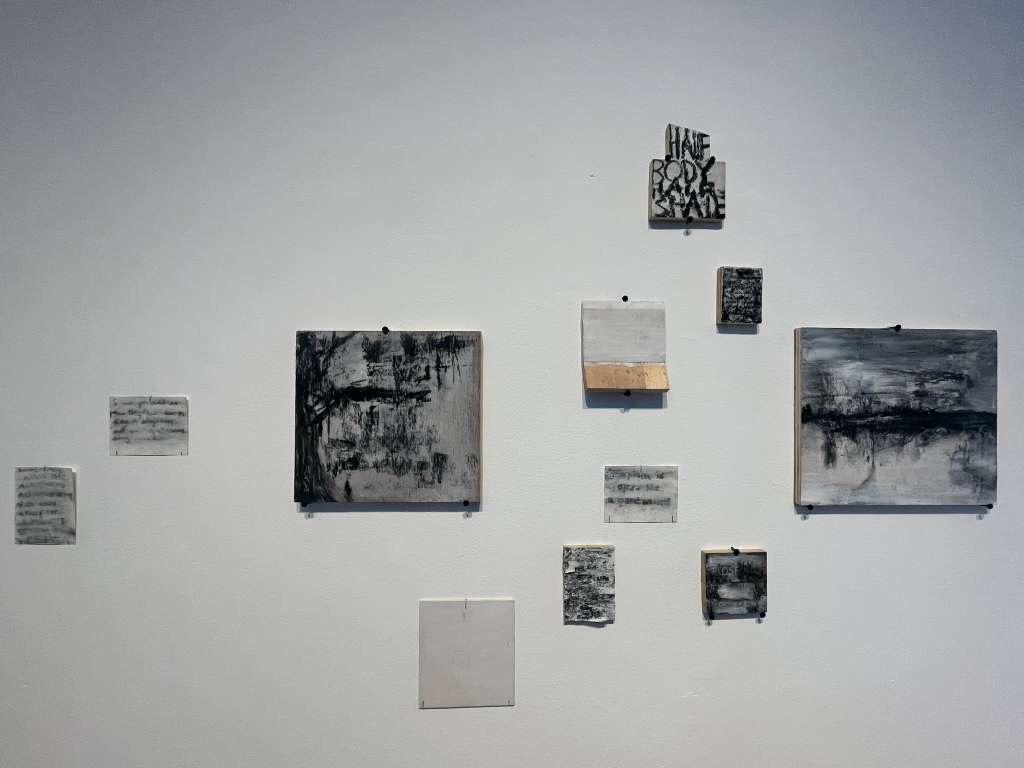
A series of exercise books filled with phrases that were once spoken, remembered or endured. Written again and again, they become a rehearsal of language—where words stop functioning as communication and begin to act. Each page is a return, each repetition a trace of how language lives inside the body.


Research methodology and theoretical framework
Bahasa Pura-Pura is a practice-based and autoethnographic body of work that investigates language as a system of emotional conditioning, cultural expectation and performative behaviour within a Malayan context.
The research begins from lived experience, collecting phrases that have been spoken to Sara or others in everyday social and familial environments. These phrases are not treated as neutral communication but as embedded structures that shape identity, behaviour and emotional response over time.
The methodology is grounded in practice-led research, where making is a primary mode of inquiry. Through the repetitive act of writing these phrases into exercise books by hand, language is transformed from spoken ephemera into embodied material. This process functions as both archive and reenactment, where repetition becomes a method of understanding of how language is internalised and reproduced. The exercise books operate as performative sites rather than passive documentation, where writing is experienced as rhythm, residue and emotional trace.
Material exploration is central to the research, where notebooks, ink and repetition are used to reflect cyclical patterns of cultural conditioning. The work extends beyond text into spatial and object-based installations, including mirror acrylic sheets and ABC charts, which reframe language as systems of reflection, classification and perception.
Theoretically, Bahasa Pura-Pura is informed by Judith Butler’s concept of performativity, where identity is constructed through repeated acts, including speech. Language in this work is understood as performative rather than descriptive, actively shaping social roles and expectations, particularly in relation to women. Homi K. Bhabha’s notion of cultural hybridity further informs the idea of 'pretence' within the work, where language exists in an in-between space of sincerity and performance, reflecting the tension between inherited cultural norms and personal experience.
The work also draws from feminist theory and affect theory, particularly in relation to emotional labour and the transmission of gendered expectations through language. It considers how phrases carry affective weight beyond their literal meaning, producing lasting emotional imprints that shape how individuals are spoken to and how they speak in return.
Overall, Bahasa Pura-Pura positions language as a cyclical system of repetition and performance, where meaning is continuously constructed, misread and rehearsed. The research reveals how everyday speech operates as a cultural mechanism that both reflects and produces systems of expectation, particularly in shaping how women are understood, disciplined and represented.
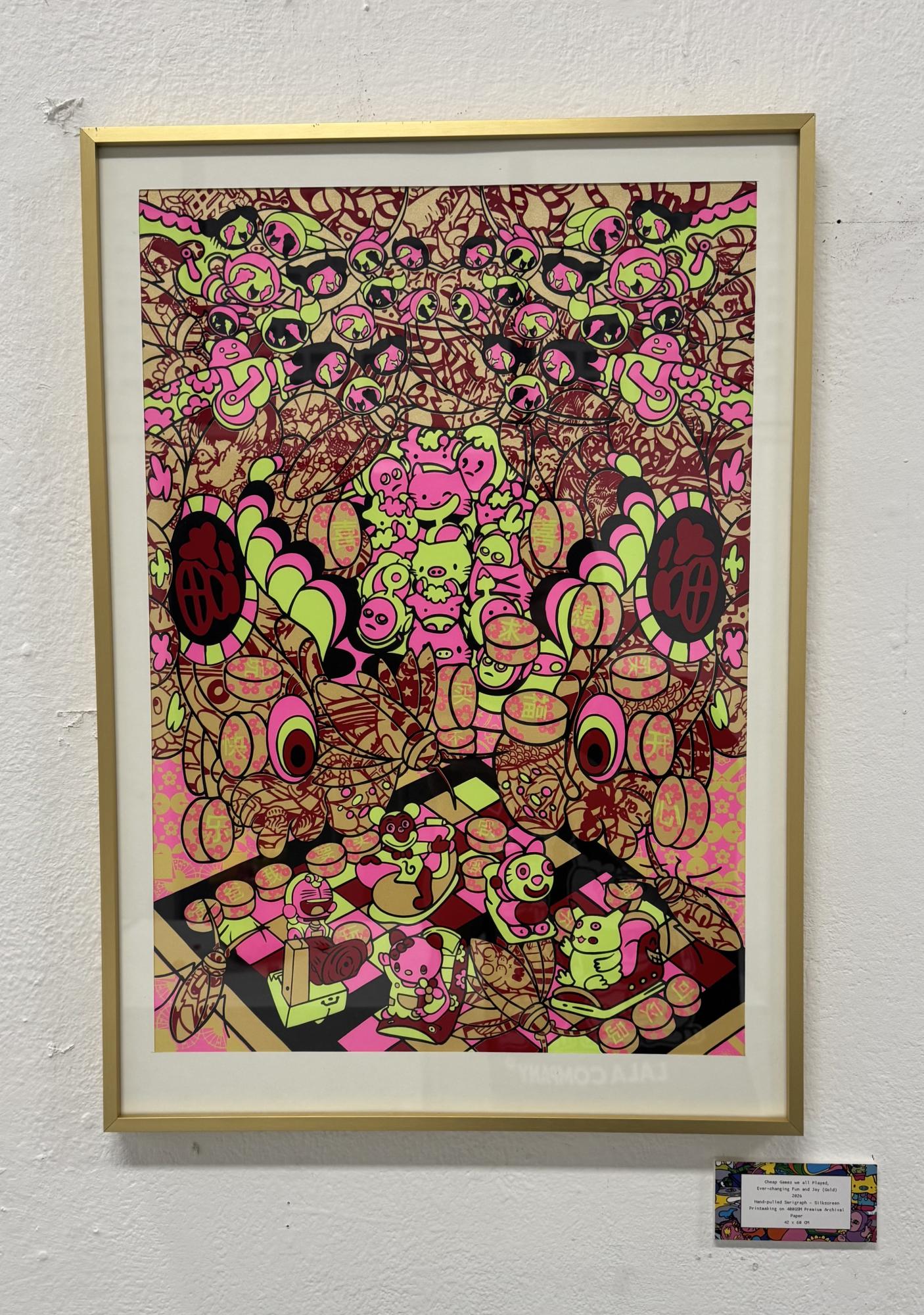
Alvin Aw Jia Wei
Khin Sit Thway
Shakira Zulaikha Binte Zaibaktian
Sonya M Pillay
Kerru

Justine Enriquez (Redd)
