


About
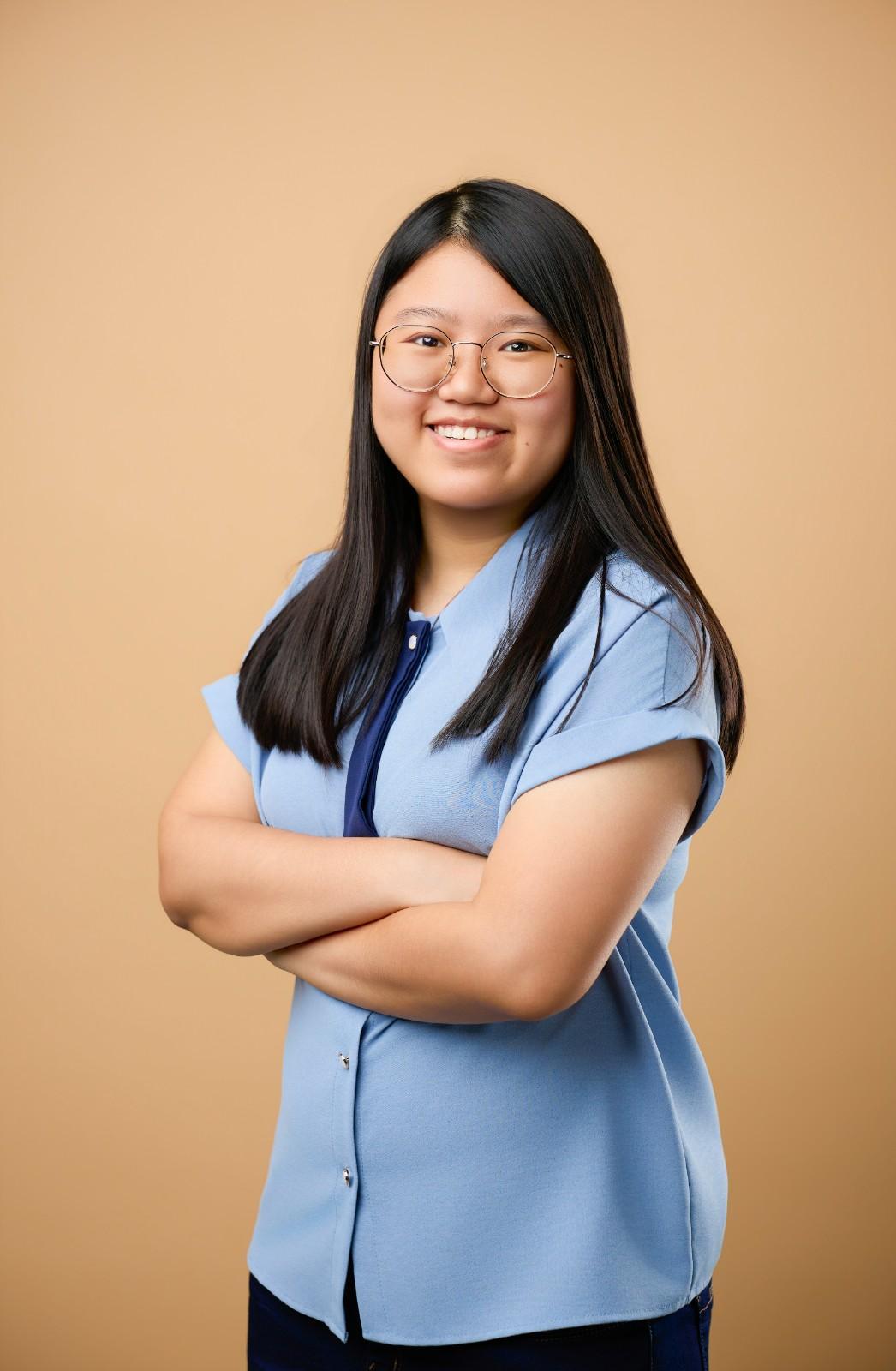
Dionne is a designer driven by curiosity about how everyday life is shaped by the systems around us.
With a background in communication design from Temasek Polytechnic and through the BA (Hons) Design for Social Futures programme at LASALLE College of the Arts, she has developed an interest in uncovering how different sectors, structures and people intersect to support collective wellbeing. This perspective informs how she approaches design: not just as a final outcome, but as a process of understanding, questioning and connecting.
Her practice leans into research, planning and human-centred thinking, with a particular interest in how design can surface insights, spark dialogue and respond meaningfully to various contexts and sectors.
Dionne works through collaboration and co-creation, valuing shared perspectives and the process of building ideas together. For her, design is less about delivering answers, and more about exploring possibilities with intention and care.

A close-up of Roblox world co-designed with children at Hougang, displayed at Jom Jalan-Jalan!, a public community walk put together by the MakanBersama thesis track students. The Roblox space mimics the architecture and play spaces found in the physical neighbourhood, allowing for children who are unable to play together due to schedule differences to play anytime, anywhere.
Spaces We Play
Spaces We Play explores how children aged seven to 12 create meaning and a sense of ownership in their neighbourhood through play, and how these experiences can extend across both physical and digital spaces.
Based on observations in Hougang, the project looks at how children interact with space, materials and each other. It sees play not just as an activity, but as a way for children to understand and connect with the places they play.
During MakanBersama communal dinners, many children were already playing Roblox and were very engaged during physical play activities. They showed creativity in how they used materials and space. This contrast led to an exploration of how children move between digital and physical play, and how both support different but equally meaningful experiences.
To understand their behaviours better, participatory activities were conducted. These included a block hunting activity, where children explored the space to find clues and materials, and a clay crafting activity, where they created favourite elements and added them to a shared display.
These activities showed that play is process-driven—children try different ideas, work with others and constantly change how space is used.
Based on these insights, the project proposes a hybrid system that connects physical play with a digital space using Roblox, since children were already familiar with the platform.
In the physical space, children and visitors create and rearrange clay elements to build a shared installation. This encourages ongoing participation and shared ownership. In the digital space, parts of the neighbourhood are recreated based on children’s experiences, allowing them to explore familiar places and imagine new ones.
Overall, Spaces We Play shows play as a way of shaping place. It sees children as active participants in their environment. By connecting physical and digital spaces, the project creates more ways for children to connect, create and take part in their community.
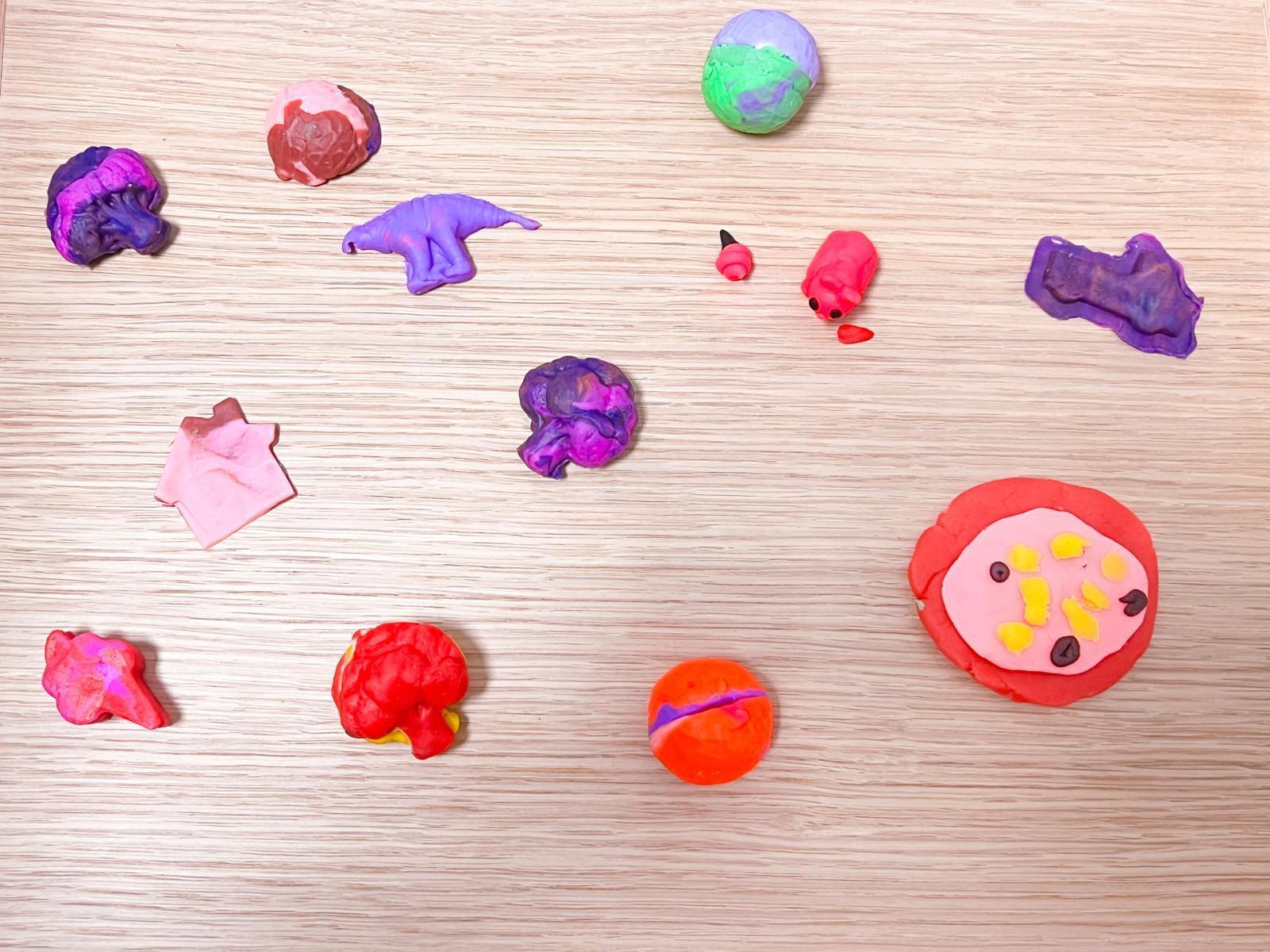
Close-up of clay artworks co-designed with children at Hougang, displayed during Jom Jalan-Jalan! community walk. Children were asked to create their favourite thing, and the resulting artworks were scanned into the Roblox world, showcasing the project's hybrid approach.


Research methodology and theoretical framework
The design process was grounded in a human-centred and socially engaged approach, where research was used to understand people’s lived experiences and inform meaningful design outcomes. Secondary research was conducted to build foundational knowledge and understand existing systems, narratives and gaps within the context.
This was followed by qualitative research methods such as informal interviews, conversations and observations. These methods provided insights into people’s perspectives, behaviours and emotional relationships with the subject matter.
Following this, the findings were synthesised into key themes and patterns, translating raw data into meaningful directions that guide the design process. These themes formed the conceptual framework of the project and helped to define the focus of communication, interaction and community.
Design is used as a tool to make complex or overlooked issues more relatable, encouraging reflection, awareness and dialogue within communities.
Cheong Wen Xuan

Lim Bridget
Tee Ling Wah

Dave Yu Warsanta
Masha Nyanna Wee Junyadi
Tan Yee Jing