
Lim Bridget



About
Having developed a passion for image-making, fashion and storytelling early in life, Bridget has always been drawn to all things creative. With a background in visual communication, she began her practice with a focus on aesthetics, before pivoting to focus on user-centred social design.
Grounded in curiosity, she often employs unorthodox, human-focused methods towards problem-solving, finding ways to expand her skillsets through experience. For Bridget, working closely with stakeholders to uncover overlooked needs and co-create meaningful solutions is of utmost importance.
As she moves through different experiences in life, her work has naturally evolved to embody her interests and passions, offering a unique glimpse into her identity as both a creative and a designer.
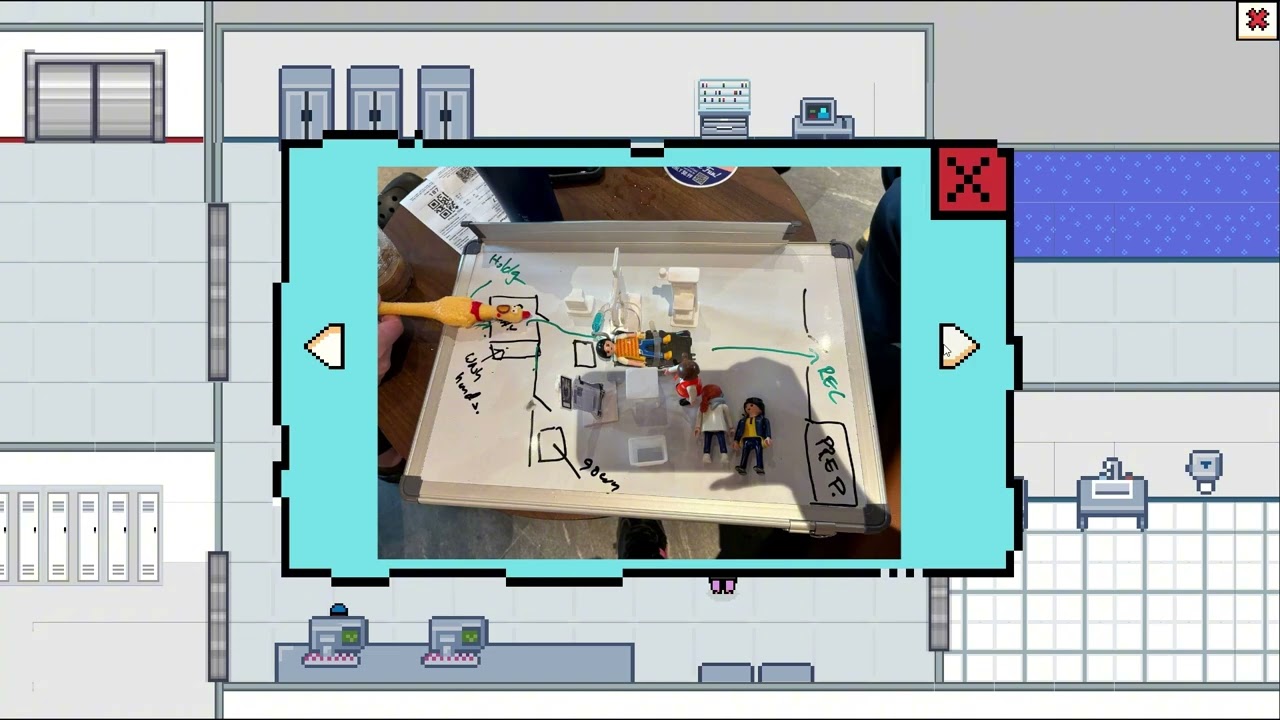
Video showcasing different elements of the project, acting as a trailer to the game and research process.
The Operating Theatre as Behavioural Infrastructure: Designing for Sustainable Cataract Surgery
How might we redesign operating theatres (OT) in order to encourage sustainable behaviour and efficiency, in turn reducing unnecessary waste during cataract surgery?
Through ethnographic research in the clinics and OTs of the National University Hospital (NUH) Ophthalmology Department, this project explores the procedures of cataract surgeries.
Over the course of months, observational fieldwork identified unsustainable behaviour throughout surgeries, revealing how inconvenient workspace design led nurses to constantly exit the theatres to gather supplies. Recycling bins were also often placed in inaccessible areas, resulting in inconsistent recycling habits.
Additionally, healthcare environments often adopt a one-size-fits-all design approach. Rather than being speciality-specific, the instruments, equipment and even the spaces were designed for general use. Therefore, the common denominator resulting in a lack of sustainable behaviour was the infrastructure itself—the operating theatre.
Interviews with various stakeholders revealed deeper insights into the struggles of working within a space that was not built for the ophthalmology workflow. By speaking with members of various hospital planning teams, it was found that although stakeholders are involved in the spatial planning of a hospital, the problem was rooted within the communication of workflows, ideas and visualisation.
Therefore, the project developed a toolkit consisting of various props for stakeholders to configure their preferred OT layout. This toolkit provided a hands-on approach to visualisation, allowing for a shift in perspective from the usual, structured layouts of the NUH OTs.
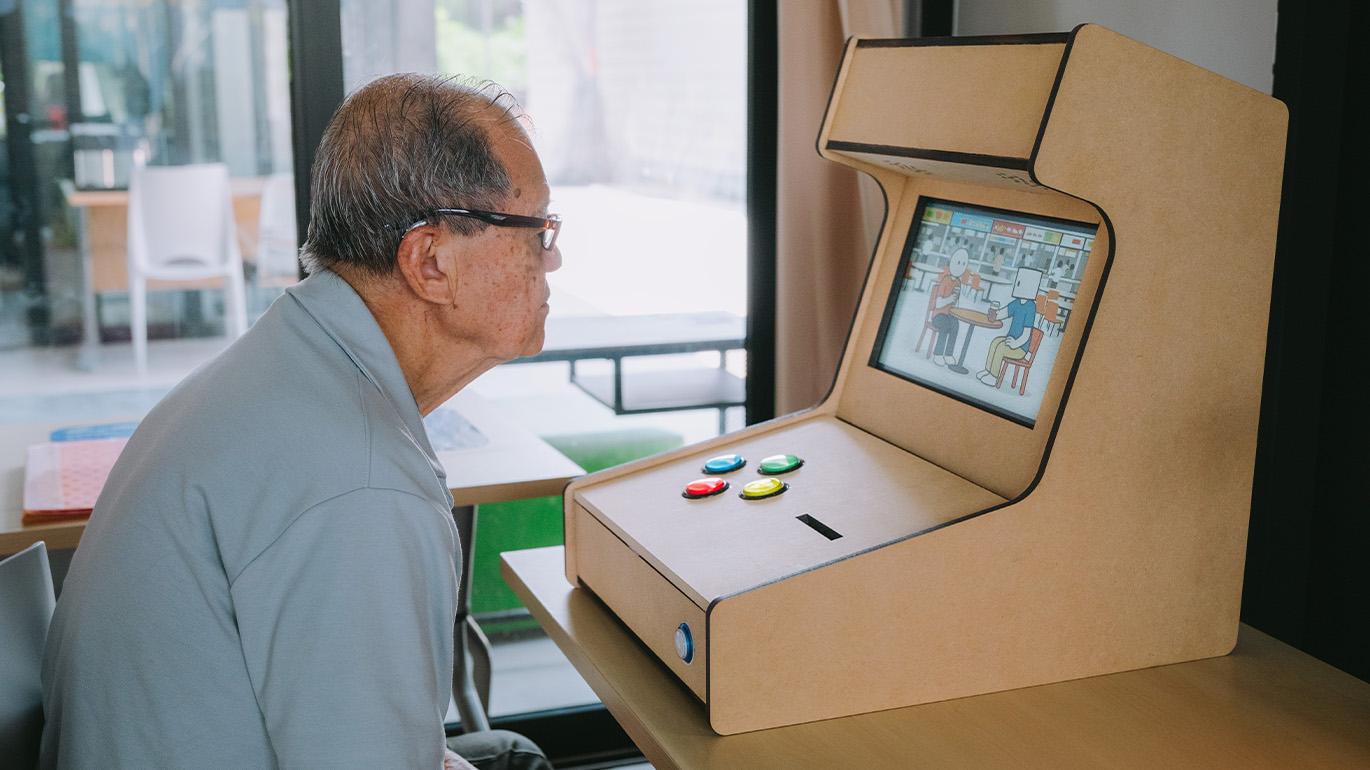
During these sessions, stakeholders drew data collection points, accessible bins and different workflows to create a more efficient, sustainable OT. This information was then synthesised into a digital game system, where users could explore their proposed OT designs.
This toolkit not only generated practical insights, but provided sufficient evidence for the proposal of interventions backed by first-hand experiences from ground staff, increasing the likelihood for acceptance within their peers, and encouraging reasonable sustainability goals and behaviour.
In conclusion, framing the OT as behavioural infrastructure highlighted the potential for spatial design to encourage more sustainable surgical practices. By focusing on developing a methodology for sustainable OT design, designers and healthcare institutions can begin to develop environments that support both high-quality patient care and more sustainable surgical practices.

Toolkit consisting of various props for users to communicate their needs and different workflows through drawing their optimal theatre layout.
Research methodology and theoretical framework
Ethnographic research was conducted over nine months at the NUH Ophthalmology Department clinics and OTs to gain deeper insights on the processes surrounding cataract surgery.
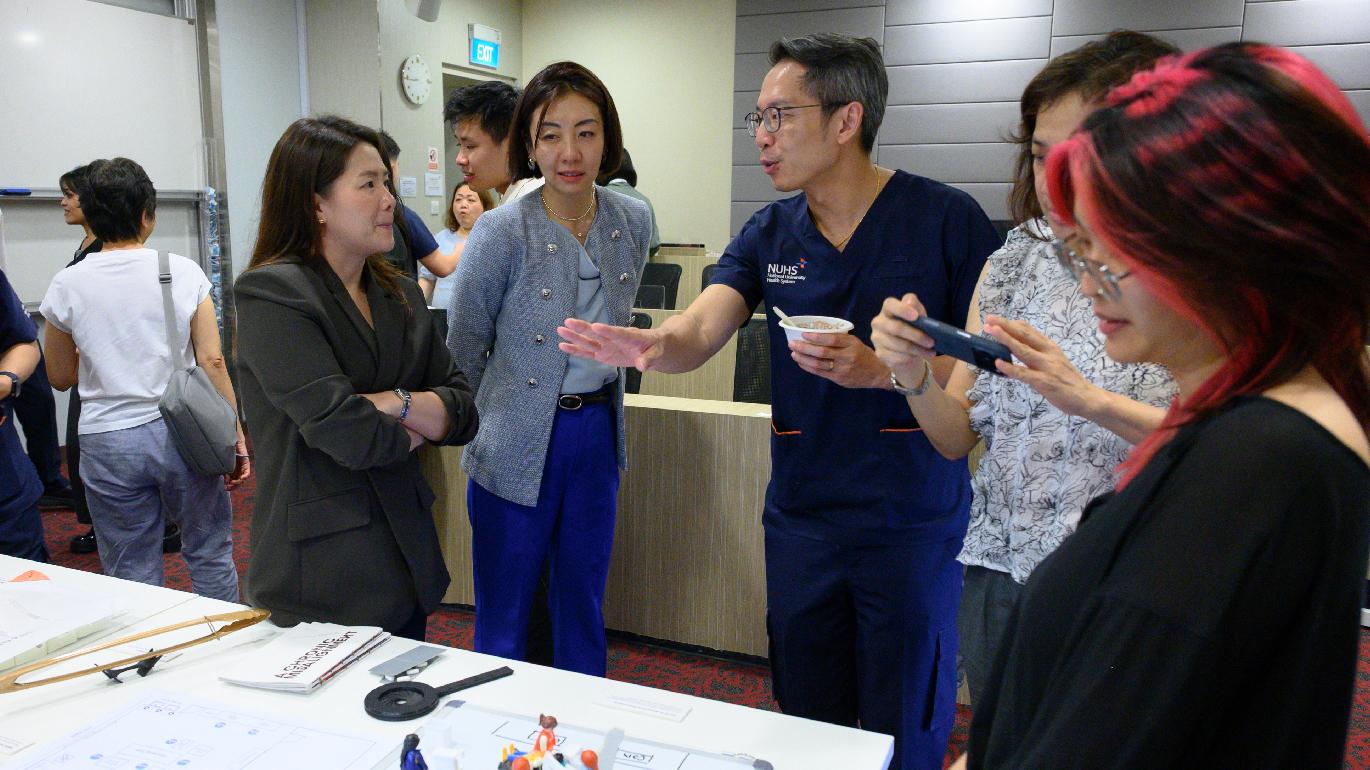
In-depth interviews were then conducted with ophthalmologists, surgical nurses, hospital planning team members and NUHS staff. A participatory design approach was also used to collect data from the aforementioned stakeholders.
Using the toolkit, users configured their optimal OT setup, which was then synthesised into a digital platform.
Tee Ling Wah

Andrea Lau

Cheong Wen Xuan

Nigel Sng Wei Jian
Dionne Yeo

Delia Lee Ru Li