


About
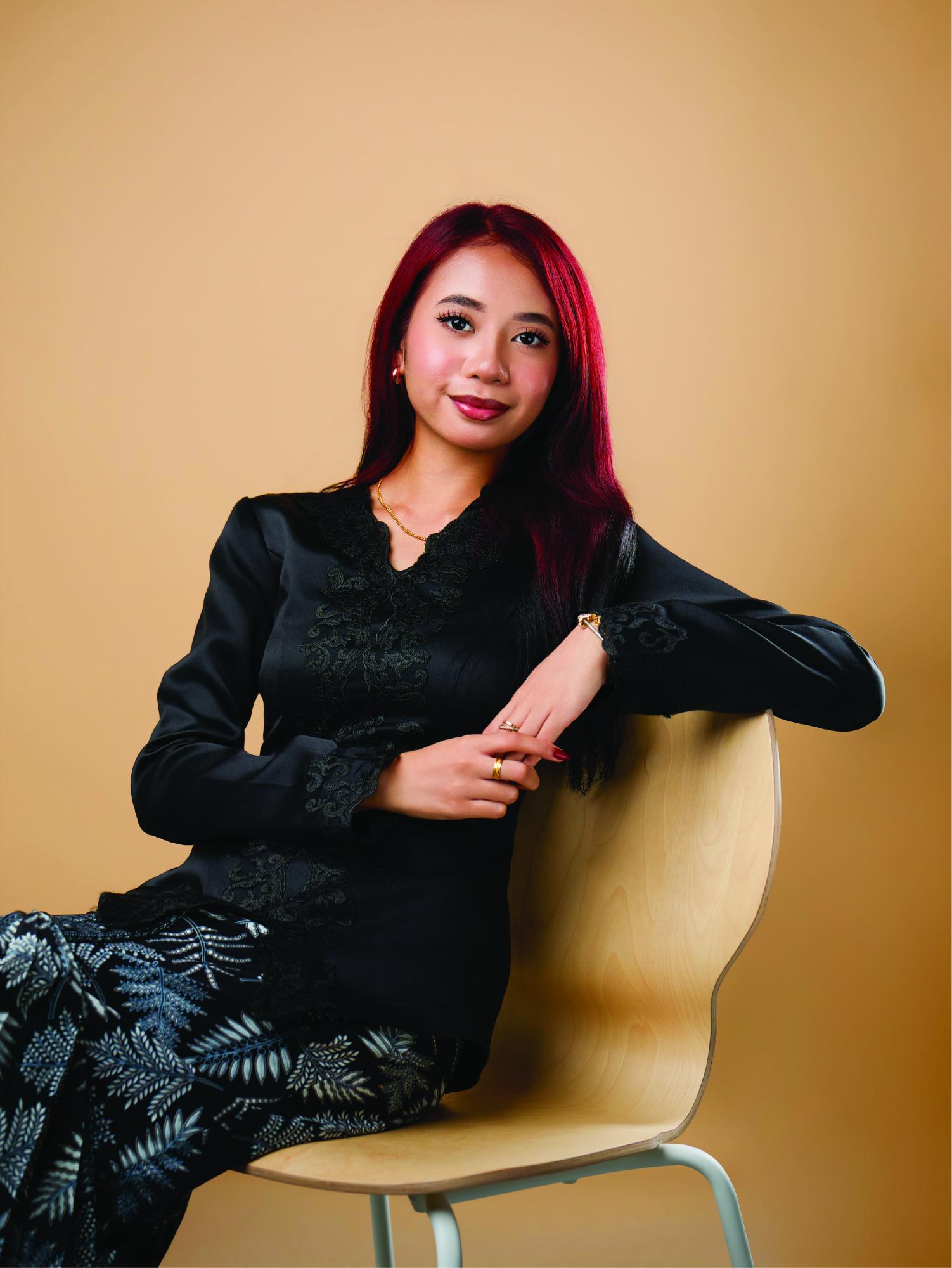
Nur Aliyah is a multidisciplinary social designer with a background in product and industrial design from Temasek Polytechnic.
Her training in material exploration, prototyping and functional design solutions developed a strong foundation in form, usability and systems thinking, alongside an interest in how design shapes everyday behaviour and interaction.
During her final-year diploma project with the Singapore Civil Defence Force, she engaged in community-centred work by working with real users and explored how design can respond to safety, accessibility and inclusion. This experience motivated her to move beyond designing for communities, towards designing with them, through dialogue, participation and shared processes.
Through her studies in the BA (Hons) Design for Social Futures programme at LASALLE College of the Arts, Aliyah has expanded her practice through research-led and socially engaged design approaches. She is drawn to how different perspectives shape the way we live and understand everyday life, and how design can create spaces for these voices to be heard. She is focused on what often goes unnoticed such as small encounters, quiet routines and the subtle ways people live alongside one another.
By highlighting these moments, she hopes to foster deeper understanding, connection and care. Today, her practice focuses on observation, everyday experience and social systems, seeking to create work that fosters connection, inclusivity and meaningful engagement.
Outside of her practice, she enjoys learning about culture and heritage, and will unapologetically talk about her cats.
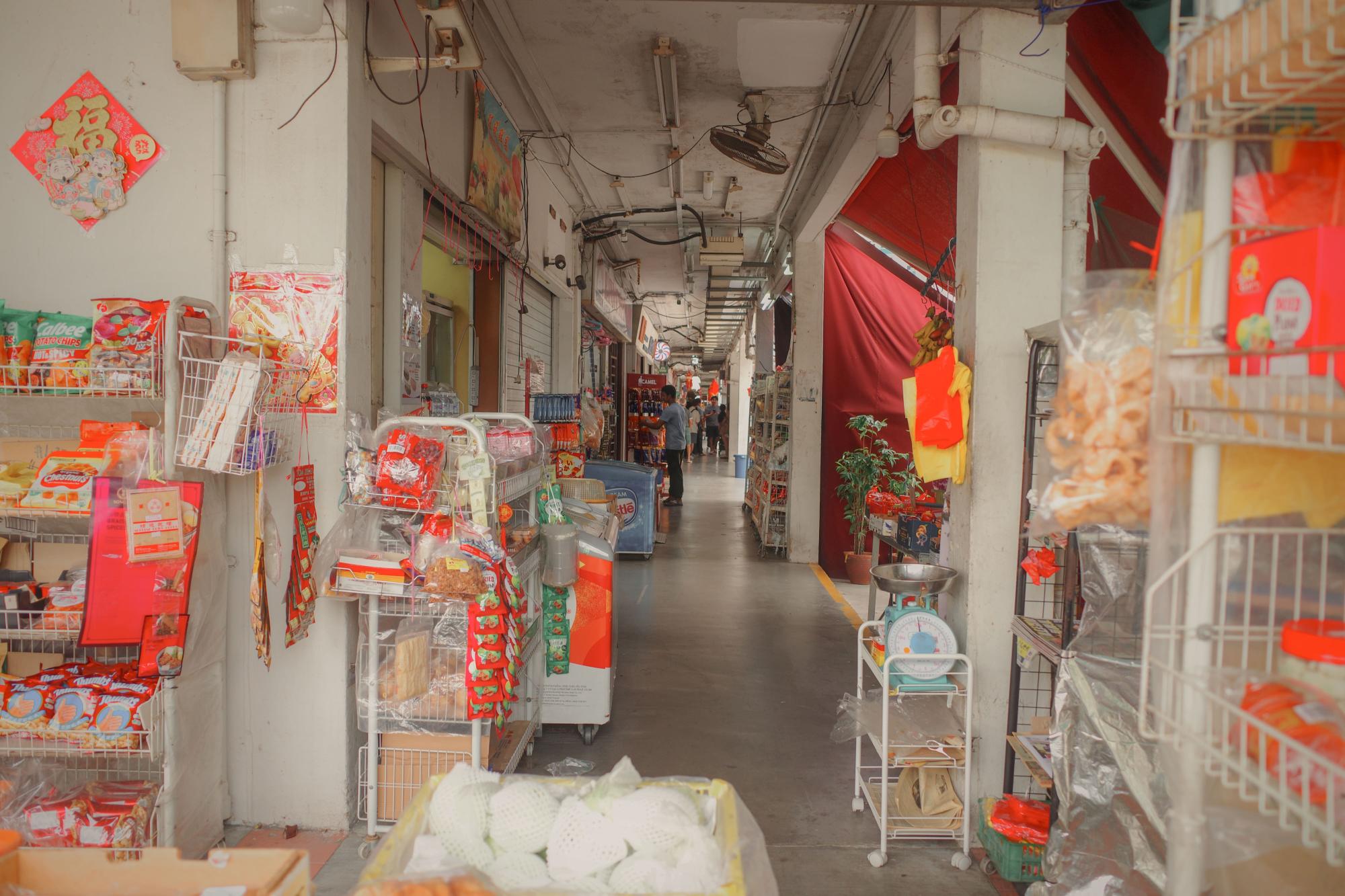
Where everyday smells travel and become part of shared living. | Hougang Blk 6
For the past nine months, Hougang Blk 6 became a familiar field site for engaging with smoking uncles outside Ching Chi Hair Dressing, speaking with provision shop owners about daily necessities and generally observing the rhythms of the neighbourhood. Aliyah's repeated presence along that stretch of blocks gradually became recognisable within the community, creating opportunities for more informal conversations.
This setting became an accessible entry point for discussing smell, from cigarette smoke lingering in the air, to aromas of cai fan from the Goldhill Family Restaurant, to body care products in the mama shops and other everyday scents. Through these encounters, smell emerged not just as a sensory experience, but as part of shared living, movement and neighbourly interaction.
Can You Smell It Too?
Can You Smell It Too? is an exploration of everyday smells within rental public housing in Singapore, particularly in Hougang, and how these invisible encounters shape the way neighbours perceive, avoid and relate to one another.
What begins as simple irritations—such as cigarette smoke drifting into a home or the unfamiliar scent of body oils that passes by at the void deck—often carries deeper narratives of routine, care and memory. This project seeks to shift these perceptions from conflict to understanding by uncovering the human stories behind them.
The project was inspired by lived experiences within rental flat environments, where proximity is unavoidable and boundaries are porous. Smell, unlike sight or sound, cannot be easily contained. It travels across windows, corridors and shared spaces, often becoming a source of tension, complaint or silent judgement.
This project explores how these reactions frequently occur without knowing the person behind the smell, where a neighbour becomes reduced to a source of discomfort rather than recognised as someone with habits, histories and culture. This leads to the question: what happens when we move from noticing smells to understanding the lives behind them?
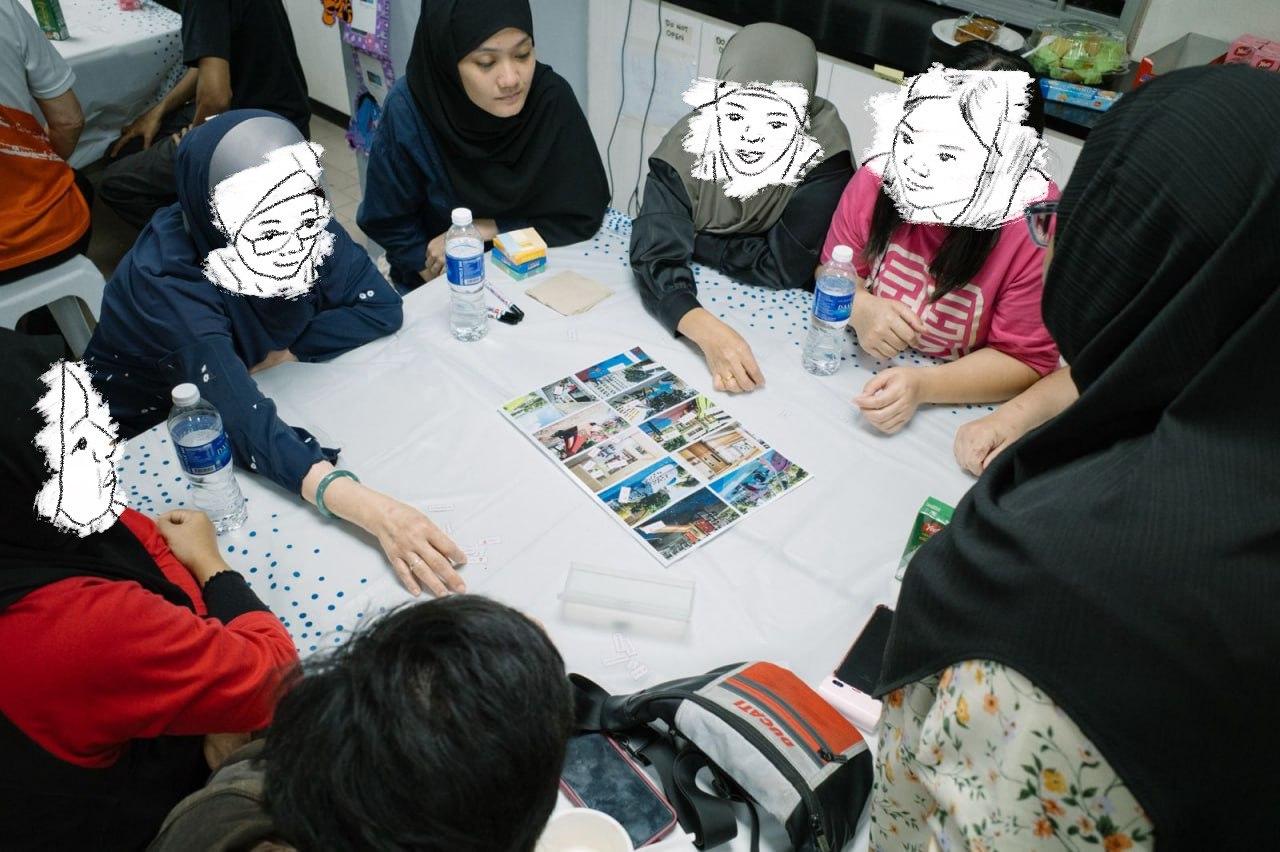
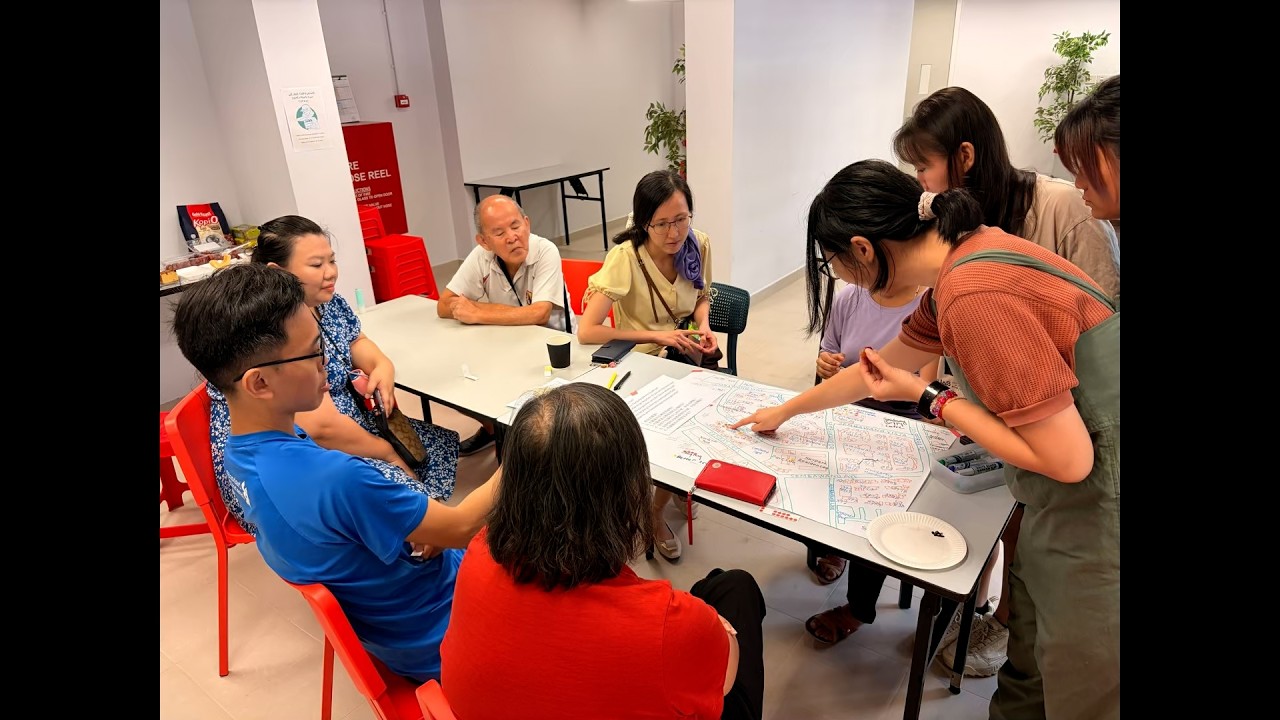
Over nine months of fieldwork in Hougang involved bi-weekly, informal conversations with residents, particularly those encountered at the void deck and during MakanBersama communal dinners. These repeated interactions allowed trust to build over time, creating space for open exchanges.
Adopting an oral history and ethnographic approach, ongoing dialogue was prioritised, and supported by low-barrier tools such as prompt cards to facilitate discussions around sensitive or overlooked topics.
Through this process, smell became a medium to explore how people coexist in shared spaces. Importantly, the project also positions smell as a potential tool for community development. Rather than viewing it solely as a nuisance, smell can act as a social cue for connection, a starting point for conversations that might not otherwise happen.
By recognising the routines, care practices and histories embedded in these smells, neighbours can begin to see one another beyond surface-level discomfort.
Rather than resolving conflict, Can You Smell It Too? proposes a shift in perspective: from reacting to smells, to recognising the lives that produce them. In doing so, it invites participants to reconsider everyday discomforts not as isolated annoyances, but as traces of someone else’s reality.
*Names have been changed, but the stories are real.

A habit passed from hand to hand, shaped through time and company. | Uncle Raja rolling his Roll-Your-Own (RYO) Cigarettes.
Uncle Raja, who sits at Blk 2, shared his journey with smoking from how it began, to how it gradually became embedded within his social relationships and daily routines. Through this conversation, cigarette smoke emerged not only as a scent in shared spaces, but as a social trace of companionship, habit and time, shaping smell as something relational, not just environmental.


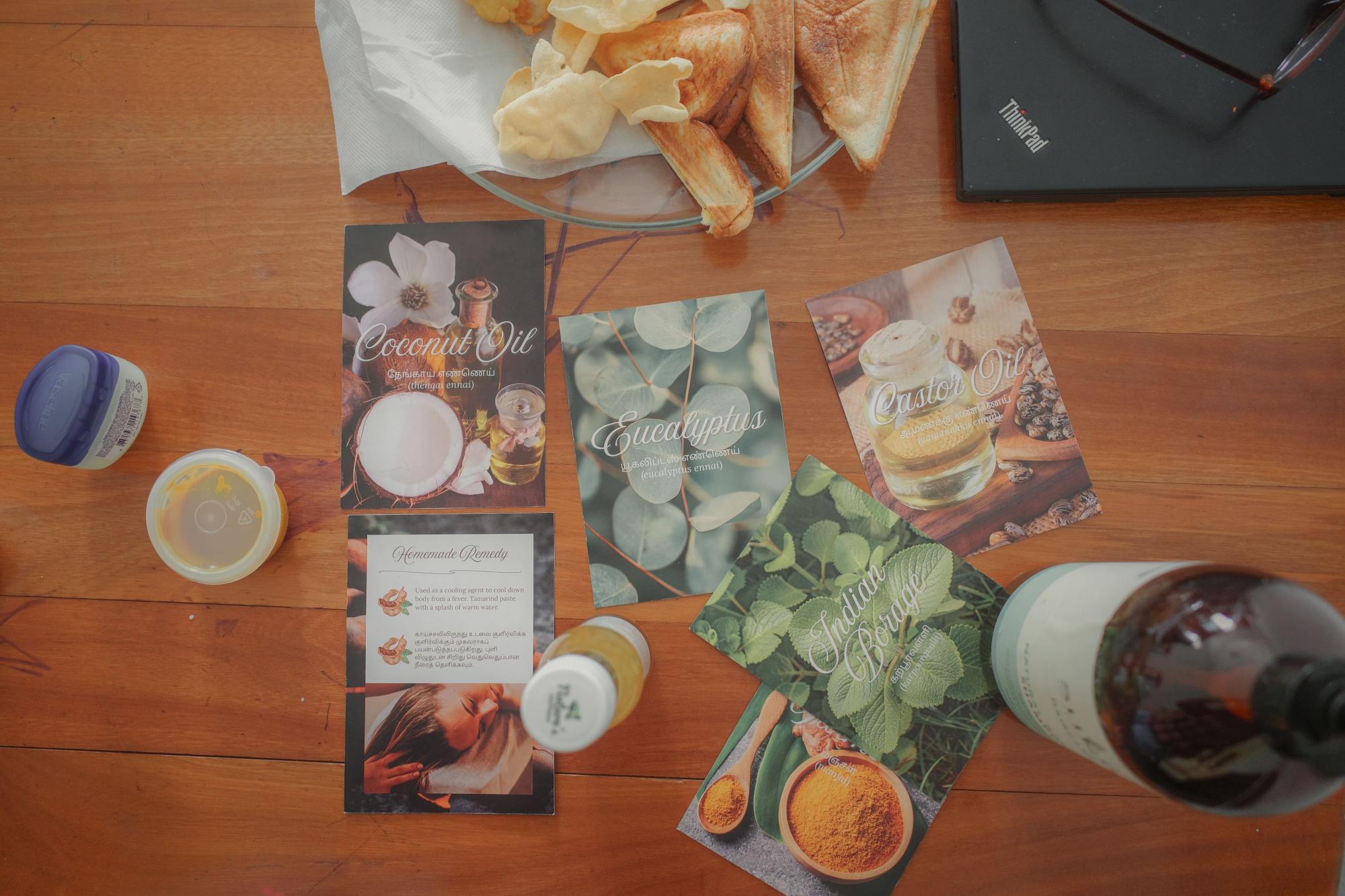
Jom Jalan Jalan! Community Walk | Participants encountered homemade body care products and listened to stories of care, craft and migration through scent and touch.
Here, participants experienced milk lotion and turmeric scrub made by a Sri Lankan mother, shared through connections formed during MakanBersama dinners. These products become a medium to reflect on care, memory and everyday practices of wellbeing.
Participants can also scan a QR code to listen to her story and others online: https://setmaker.co/sets/can-you-smell-it-too-9vbb3
Research methodology and theoretical framework
This project adopts a qualitative, ethnographic approach grounded in oral history and situated observation across nine months of fieldwork in Hougang. This involved ongoing, informal conversations with residents, particularly 'level one' neighbours encountered regularly at the void deck, which allowed trust and familiarity to build over time.
Instead of structured interviews, low-barrier engagement tools such as a smoking voting boards and body care prompt cards were used to facilitate more open and comfortable discussions around sensitive, often overlooked topics. These interactions were translated into audio-based oral histories, reflecting the layered and immersive nature of smell.
The project is guided by an understanding that smell is not neutral but socially and culturally interpreted, shaped by memory and lived experience. It frames everyday practices such as cooking, smoking and body care as forms of relational labour, which are small, often invisible acts that sustain relationships and connection, where smell becomes a lingering trace of these practices.
By positioning smell as a social cue rather than a mere nuisance, the project shifts attention from reaction to reflection, opening up possibilities for understanding and connection within shared living environments.
Celine Wong Zhi Qing
Elijah Chia
Nigel Sng Wei Jian
Iffa Taheera binte Ibraham

Dionne Yeo

Aveline Ang Swee Leng (Tomato)