




About
Aveline (also known as Tomato) is a transdisciplinary social designer with a background in visual merchandising, graphic design and playground design.
Her practice focuses on designing with communities through participatory and ethnographic methods, engaging with lived experiences, everyday practices and relational ways of knowing. With a background in both spatial and visual design, she understands how experiences, objects and interactions can shape the ways people feel, connect and relate to one another.
She is curious about how design can reveal what is often overlooked and act as a medium for connection, reflection and collective wellbeing. She collaborates with communities to explore how care and gratitude shape everyday interactions through methods such as photovoice, qualitative research and narrative analysis.
Through listening, co-creation and sensemaking, she documents and reflects on lived experiences, with a particular interest in projects that invite storytelling, reflection and inspiration within communities.
As 'fresh produce', she hopes to continue expanding her worldview and collaborate with those committed to community-centred and environmentally conscious practices rooted in care, sensitivity and intention.
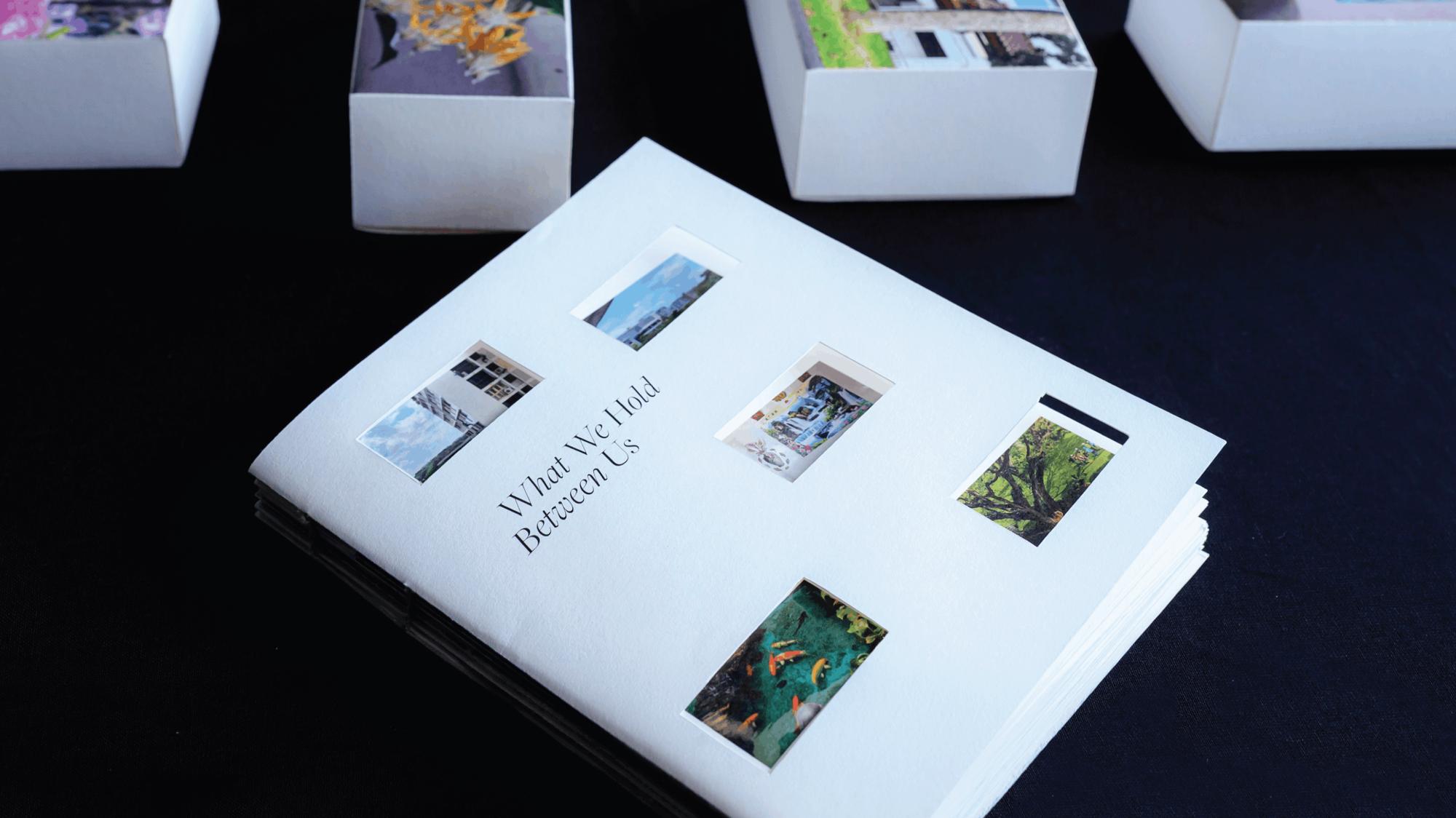
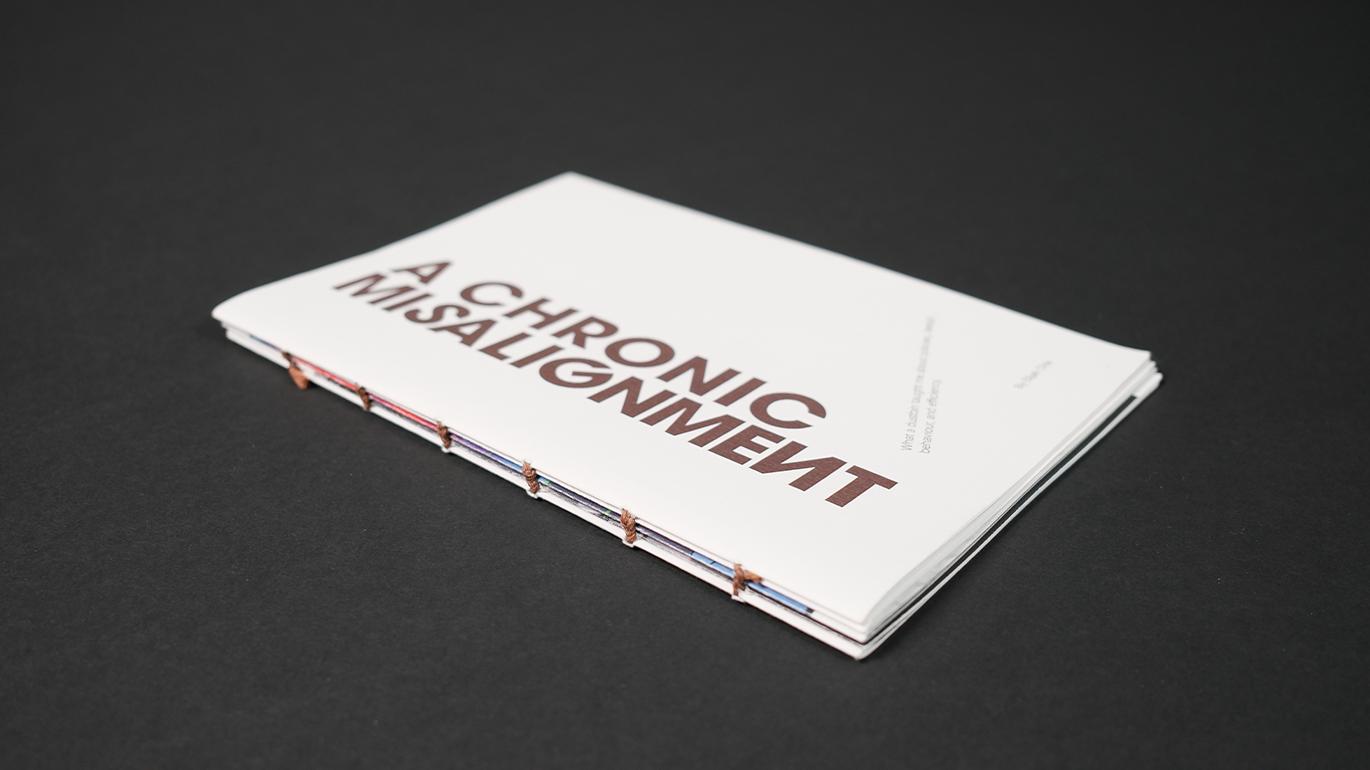
Photovoice publication featuring photographs and narratives from 12 community members.
What We Hold Between Us
What We Hold Between Us is an inquiry into how relationships are sustained within community life through everyday interactions.
The project started with an interest in what motivates people to give continuously—not just once, but ongoing acts of returning, contributing and caring. Through observation, this persistence appears to be driven not by obligation alone, but through small, repeated actions that shape how people feel seen, remembered and connected.
These everyday interactions are understood as relational acts, including greeting, sharing, helping or paying attention to one another. While they may appear ordinary, these actions play an important role in sustaining social relationships, and build trust and reciprocity within a community over time.
These acts do more than express care—they also carry and circulate gratitude. When care is recognised, it is often reciprocated, and through this exchange, gratitude moves between people. In this way, gratitude is not only a feeling, but something practised through action and is embedded within everyday life.
The project engaged community members through photovoice, a participatory approach that invites participants to document moments from their own lived experiences. Rather than defining what care or community should look like, the project centres on what participants themselves notice in routines, relationships and ordinary encounters. Photographs, paired with personal narratives, reveal how meaning is formed through lived experience rather than imposed interpretation.
Through this process, the project suggests that communities are sustained through repeated relational acts, where care and gratitude are continuously expressed. These ordinary moments, often overlooked, contribute to a shared sense of belonging and continuity within community life.
Across these stories, gratitude shifts across moments and relationships rather than a fixed state, taking different forms depending on how people notice and respond to one another. What emerges is not a single definition of gratitude, but a pattern of how people attend to, respond to and hold one another in community.
What We Hold Between Us refers to these relational moments that are held between people over time. It asks: if these acts were no longer present, how would a community feel like?



Research methodology and theoretical framework
This project draws on the Gratitude Resentment Appreciation scale (GRAT-16) as a tool of engaging with stories, focusing on three factors—Simple Appreciation (SA), Appreciation for Others (AO) and Lack of a Sense of Deprivation (LOSD). Rather than measuring gratitude, the project explores how it may already be present in everyday life.
Through this lens, moments are read as acts of noticing simplicity, recognising others or finding contentment. These are not fixed categories, but ways of tracing how gratitude emerges across different situations and relationships.
GRAT-16 factors:
Noticing simplicity (SA)
Moments where meaning emerges through everyday life —through routines, spaces, objects or ordinary occurrences —that are often overlooked but hold quiet significance.
Recognising others (AO)
Moments where gratitude is expressed through relationships when care, support or presence from another person is acknowledged.
Finding contentment (LOSD)
Moments where, even in limitation or difficulty, there is acceptance, sufficiency or a reframing toward what is still meaningful.
These are simply ways of noticing how gratitude may gently appear within everyday life.
Read more about GRAT-16.
Tiew Fang Kee
Nigel Sng Wei Jian
Tan Yee Jing
Elijah Chia
Masha Nyanna Wee Junyadi
Cheong Wen Xuan
