




About
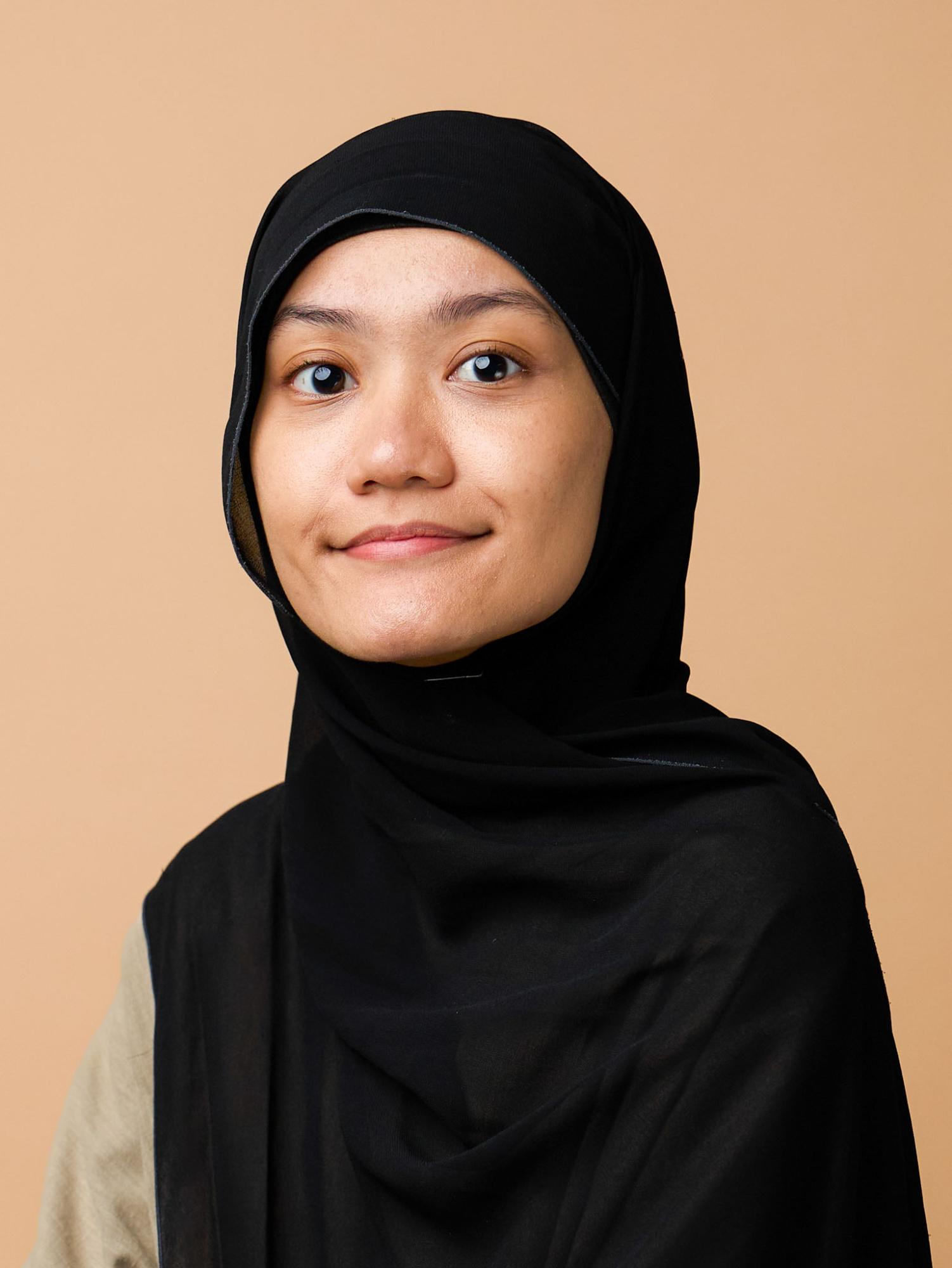
Iffa Taheera is a social and multidisciplinary designer with a background in design communication.
She is interested in ways of seeing and being, with experience in visual design and marketing across sectors including non-profit organisations and the secondhand retail industry. She has worked across multiple mediums, ranging from websites and social media to print, within diverse teams. Through these experiences, she has engaged with different communities, gaining insight into their everyday lives.
She explores and makes sense of the world and people through ethnographic work—listening, noticing everyday rituals and getting to know people and their experiences. Her work is grounded in the belief that no one exists in isolation, and that people are continually shaped by the communities and environments around them.
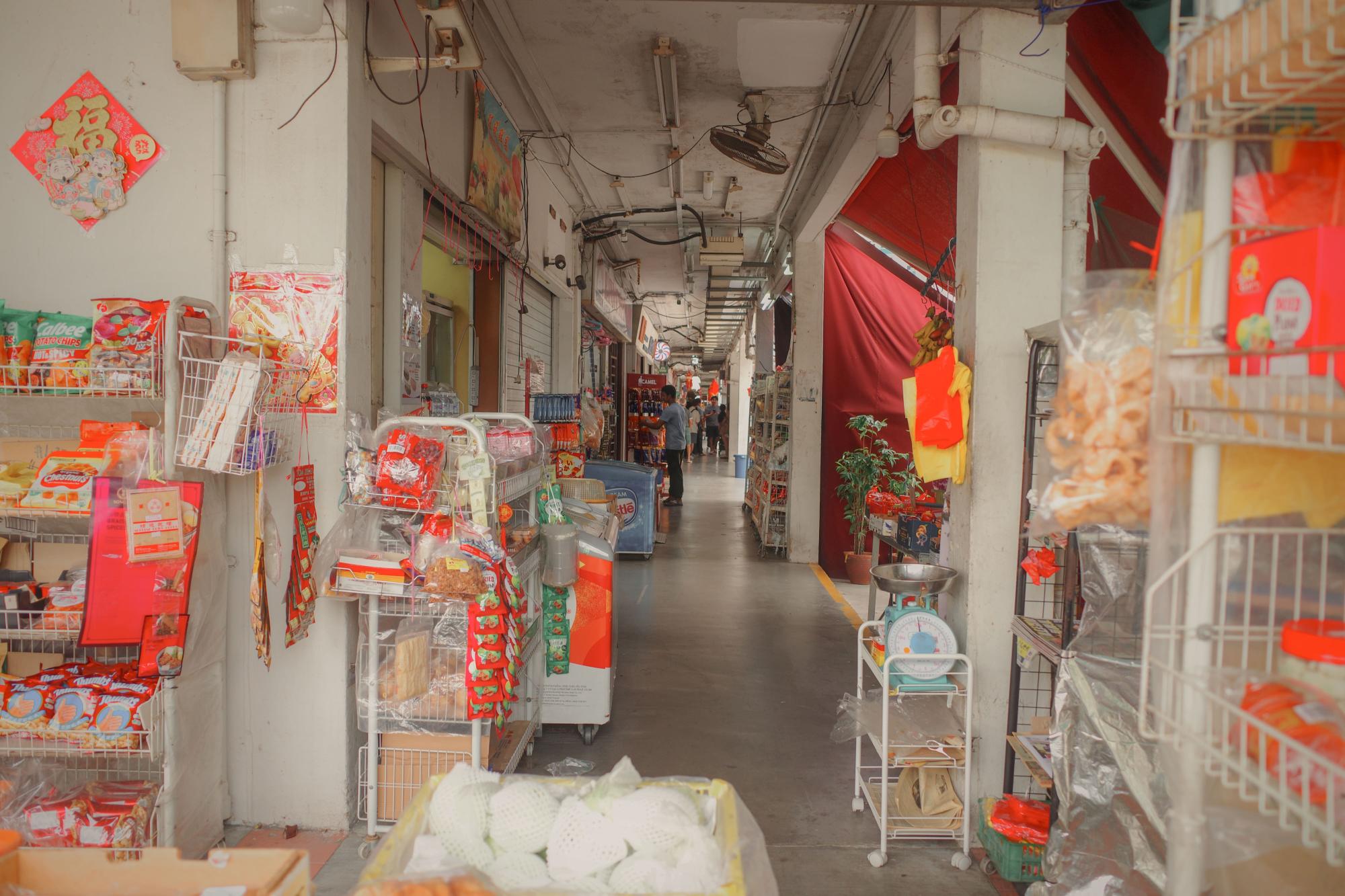
Working in neighbourhoods and everyday spaces, Iffa engages directly with individuals and communities. Documenting their stories through photographic, reflective and narrative lenses, she uses visual and motion design to make them more accessible. By bringing attention to individuals, communities and everyday practices that often go unnoticed, her work creates opportunities for conversation, understanding and reflection.
Iffa hopes to continuously strengthen her ethnographic practice by working with and learning from different communities, using design as a medium to bring their stories to light.

Our shared path
Walking with the Commeownity
What would make people linger, stay a little longer and connect with one another in the void deck?
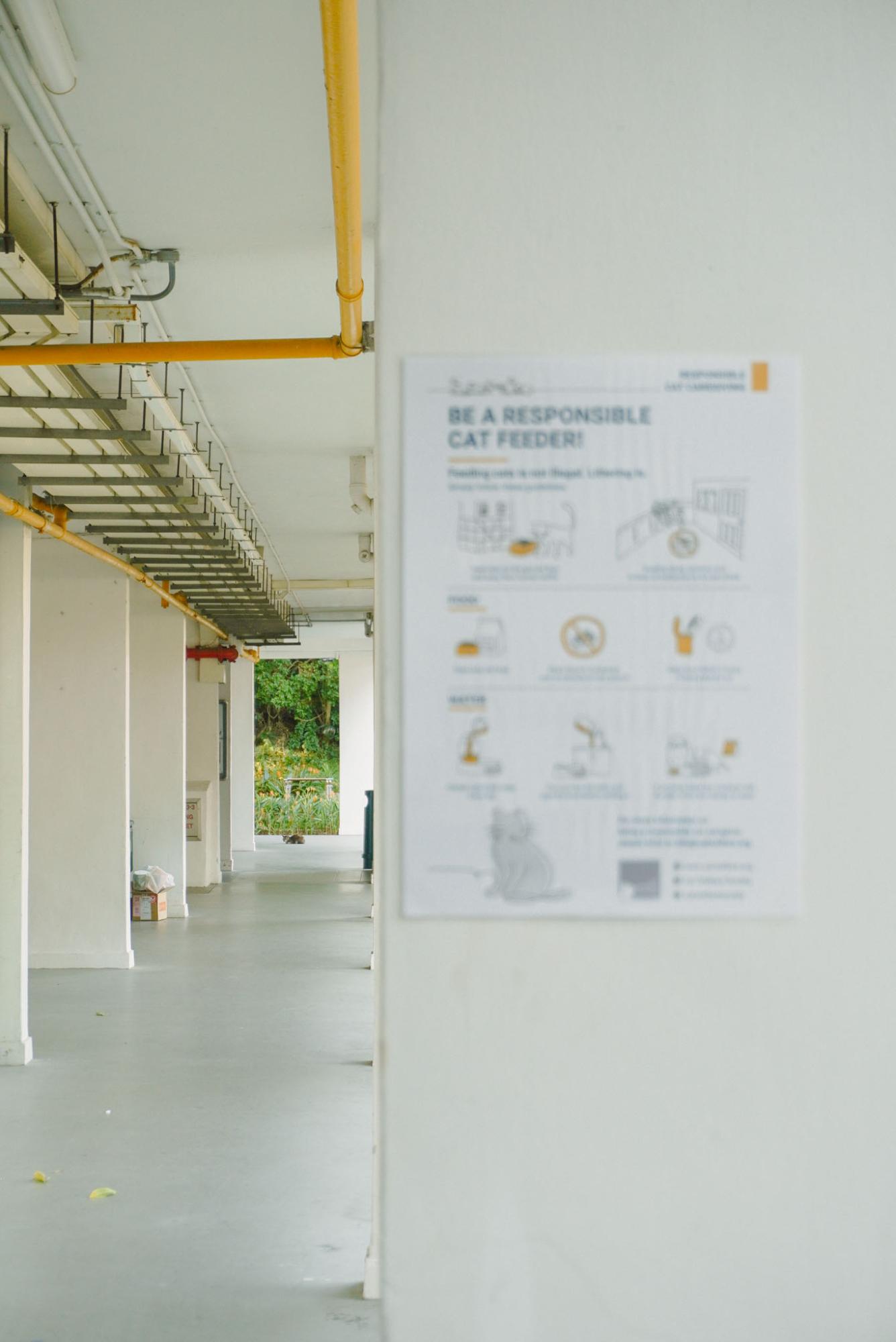
Void decks are used everyday for informal care, yet these practices remain unrecognised and unsupported. Walking with the Commeownity aims to surface these existing practices—with community cats as catalysts—to strengthen a shared sense of place and belonging within the void decks of Hougang.
Where cats gather, people often follow. Nocturnal and sensitive to changes in their environment, cats help to reveal which parts of the void deck are quieter and more conducive. In doing so, they indirectly highlight areas where people may feel more comfortable lingering.
Across nine months in the void decks, cats revealed themselves as quiet yet central residents of the neighbourhood, bringing people together through both harmony and moments of tension.
The void deck is a public space continuously negotiated by different users.
Some residents may not like cats.
Some residents may find cats unhygienic.
Some residents simply see cats as part of void deck's backdrop.
Instead of relieving tensions or solving problems, Walking with the Commeownity creates opportunities for us to recognise how the void deck is used by cats, cat feeders and residents.
Through this, we can have conversations, get to know one another and develop an understanding on why we do what we do, fostering an eye-level relationship with the cats and each other.
The act of squatting or bending down to the cat's height, to be at eye level with them.

We may be more alike than we think we are. Leila, now adopted, sitting on a table with an uncle sitting on a bench in the background, both quietly observing the neighbourhood in their own ways.


Research methodology and theoretical framework
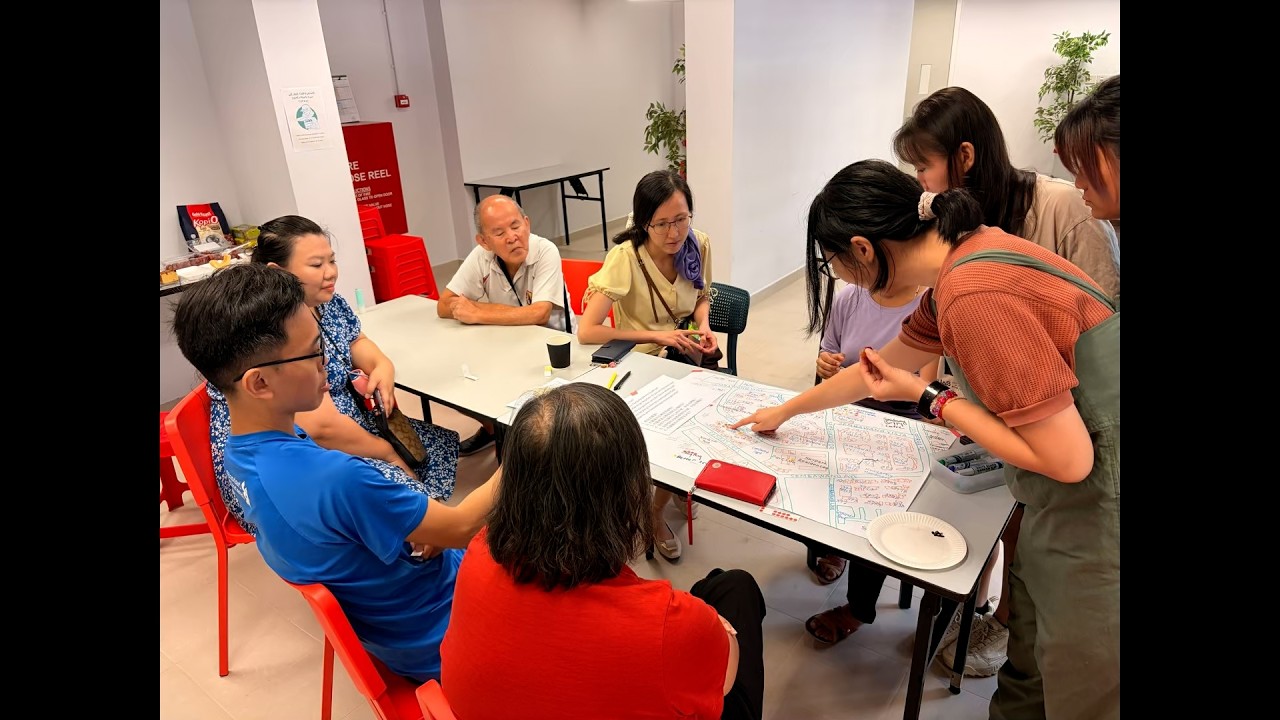
Through ethnographic observation, participant observation and spatial inquiry, cats revealed themselves to be important members of the community. This research examines the role of cats as catalysts for social interaction within the void decks of HDB estates.
Repeated visits and conversations with residents and cat feeders surfaced layers of care, coexistence and tensions within the void deck. Cats emerged not only as more-than-human actors inhabiting the shared space, but also as participants in shaping how it is used, negotiated and experienced in everyday life.
Rather than existing in the background, their presence reveals hidden social infrastructures and informal care networks within the neighbourhood. Understanding cats as participants in placemaking provides a way to examine how everyday practices can contribute to the formation of community within the void deck.
Nur Aliyah Binte Mohammad Noor Azman
Tan Yee Jing
Celine Wong Zhi Qing
Andrea Lau

Aveline Ang Swee Leng (Tomato)
Syamimi Binti Sabarudin
