


About
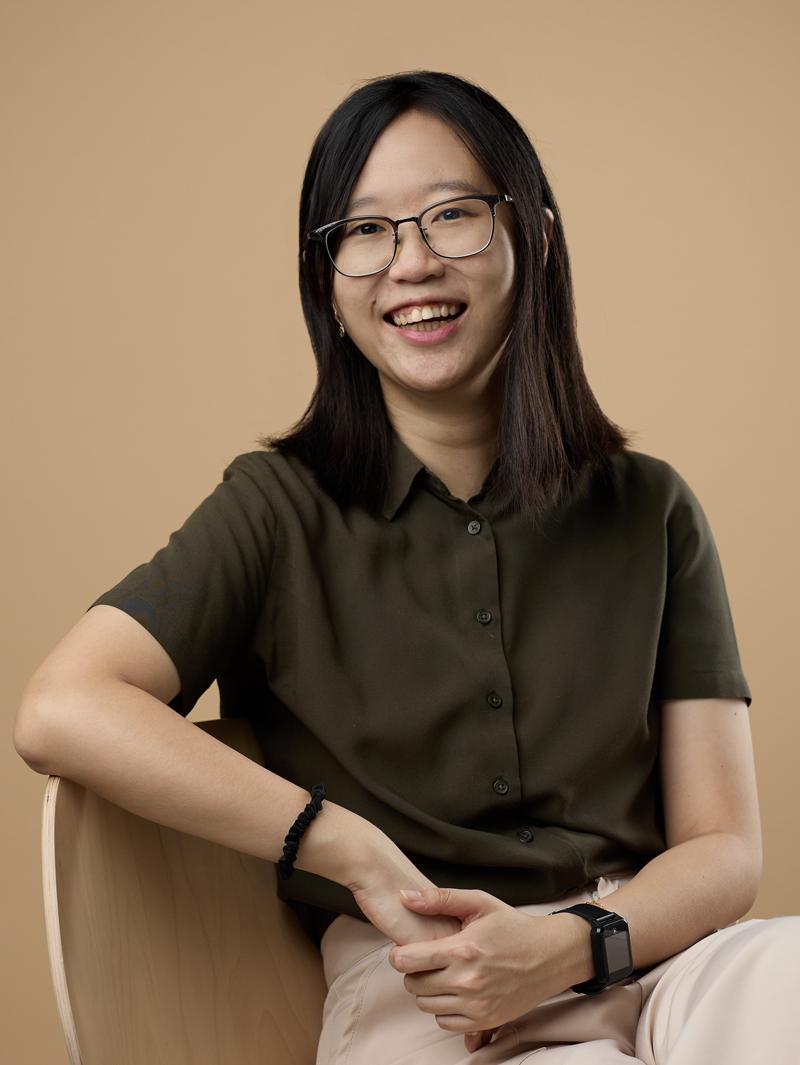
Ling Wah is a social designer and illustrator who enjoys bringing ideas, people and stories together.
With a background in graphic design, illustration and UI/UX, she engages with social design through a transdisciplinary approach, working closely with communities and responding to real-world issues with care.
She is particularly interested in the intersection of visual communication and lived experiences, using images, interfaces and narratives to make complex topics more accessible and meaningful. Through illustration, she produces ethnographic storytelling that translates research and insights into visual narratives.
Ling Wah has a soft spot for cute mascots, especially Chiikawa ₍ᐢ. ̫.ᐢ₎ , known for its deeply interesting stories. She is always open to new opportunities, collaborations and conversations.

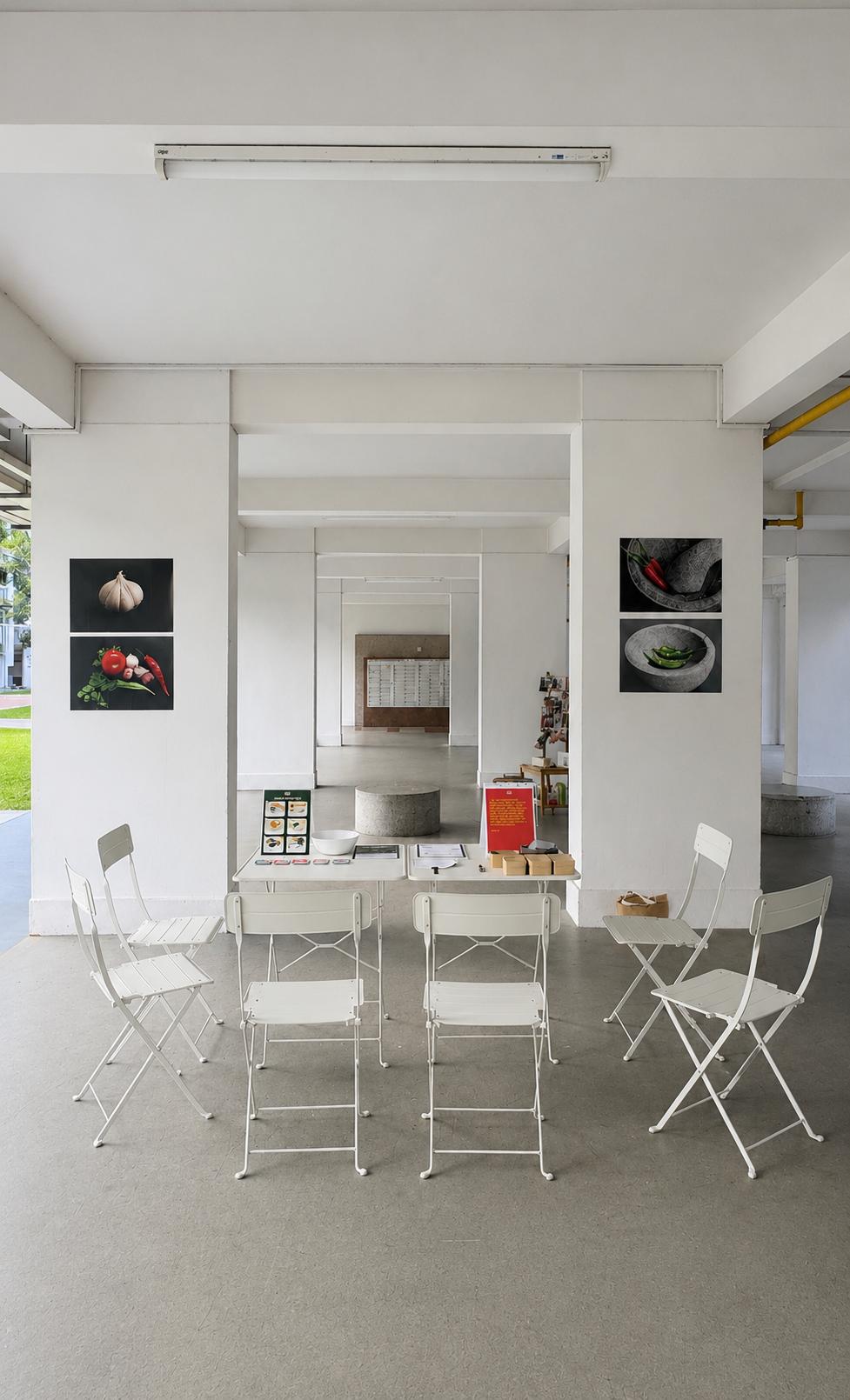
What does it take for someone to contribute in community? (Photo Credit: Nigel)
The Drive to Contribute
“I want to help, but I don’t know how to…”
The Drive to Contribute is a nine-month research study conducted within a community, centred around a self-led exercise group named '108' that was initiated at the beginning of the project.
In its early stages, group activities were facilitated, creating space for seniors to come together regularly. Over time, facilitation was gradually stepped back, allowing the group to continue on its own terms and evolve independently. Eventually, the group continued on its own, sustained by the community members themselves.
Alongside this process, relationships were built within the community to better understand how participation, motivation and contribution emerge in shared social spaces. Building these relationships also created a closer and more trusting environment for observing community dynamics and lived experiences over time. It also opened up space for more personal stories that may have been difficult to share without being embedded within the community.
The focus of this project is to examine how seniors in a community participate and contribute, and to question what “contribution” really means.

Mdm S sharing how these quotes resonated with her. (Photo Credit: Nigel)


Research methodology and theoretical framework
This project adopts a mixed-method, exploratory approach to understand how contribution can be observed beyond simple measures.
Quantitative methods
Motivation is measured using the Self-Determination Theory (SDT), specifically through the Basic Psychological Needs Scale (9 items). This measures autonomy, competence and relatedness. These needs are essential for growth and wellbeing. When met, they support motivation and mental health.
Participation is measured using attendance records documented in an Excel sheet over 19 sessions.
Participation levels are compared to identify patterns and relationships between motivation and participation. This explores whether levels of contribution can be understood through this relationship.
Qualitative methods
Interviews and conversations with seniors provided insights on a personal level, in a comfortable environment.
Open-ended prompt cards were used to understand personal definitions of “contribution.”
Observations of participation in real settings were used to capture experiences, meanings and perspectives.
Approach to analysis
This study takes an exploratory and interpretative approach, integrating both qualitative and quantitative data.
Rather than seeking direct correlations, the analysis focuses on identifying patterns, inconsistencies, and deeper meanings between what people report (motivation) and what they actually do (participation).
This allows for a more nuanced understanding of how contribution emerges in context.
Findings
The findings highlight several key implications for the community:
Stronger and more resilient engagement:
When multiple members step up, the community becomes less dependent on any one individual and can continue functioning smoothly.Diverse forms of contribution:
Contribution is not only about visible leadership but also includes quieter, behind-the-scenes support, both of which are equally important. It is also important to embrace different types of contribution and not force one to be like another (e.g. pushing quiet contribution to be in the spotlight).Role flexibility encourages participation:
Providing a range of roles, including low-pressure ones, allows more people to contribute in ways they are comfortable with.Empowerment and ownership:
Encouragement from others helps individuals gain confidence and take on greater responsibility, fostering a sense of ownership.Importance of social bonds:
Strong relationships increase commitment and make the community more supportive and cohesive.Flexible leadership structure:
Leadership is shared, allowing others to step in when needed and ensuring continuity.Disconnection within participation:
Visible participation does not always mean emotional connection, highlighting the need to address unseen barriers to engagement.
Overall, the project suggests that community participation is not about moving up a ladder from “less active” to “more active.” Instead, it is a mix of different roles and behaviours that change over time. It also highlights that we should not only value visible contributions but also recognise the quieter and less obvious ways that people take part.

Cheong Wen Xuan

Dave Yu Warsanta
Syamimi Binti Sabarudin

Elijah Chia

Dionne Yeo

Delia Lee Ru Li