



About
Dylia approaches design as a reflection of how she chooses to live—intentional, balanced and grounded in meaningful experiences.
In her daily life, she values calm and clarity, where each element has purpose yet feels effortless. She is drawn to mindful routines, from quiet beginnings to familiar rituals, while also appreciating moments of connection in warm, comfortable and inviting environments.
This balance between solitude and sociability informs both her perspective and design approach. Dylia is attentive to how environments shape mood, energy and interaction, often gravitating towards spaces that feel lived-in yet refined.
She is particularly inspired by settings that promote well-being through natural light, ventilation and thoughtful materiality, creating a sense of ease and comfort. Her personal style reflects this sensibility—clean and minimal, softened with warmth, texture and subtle contrast.
Ultimately, her work seeks to create thoughtful, human-centred spaces that support both quiet reflection and meaningful everyday connection.
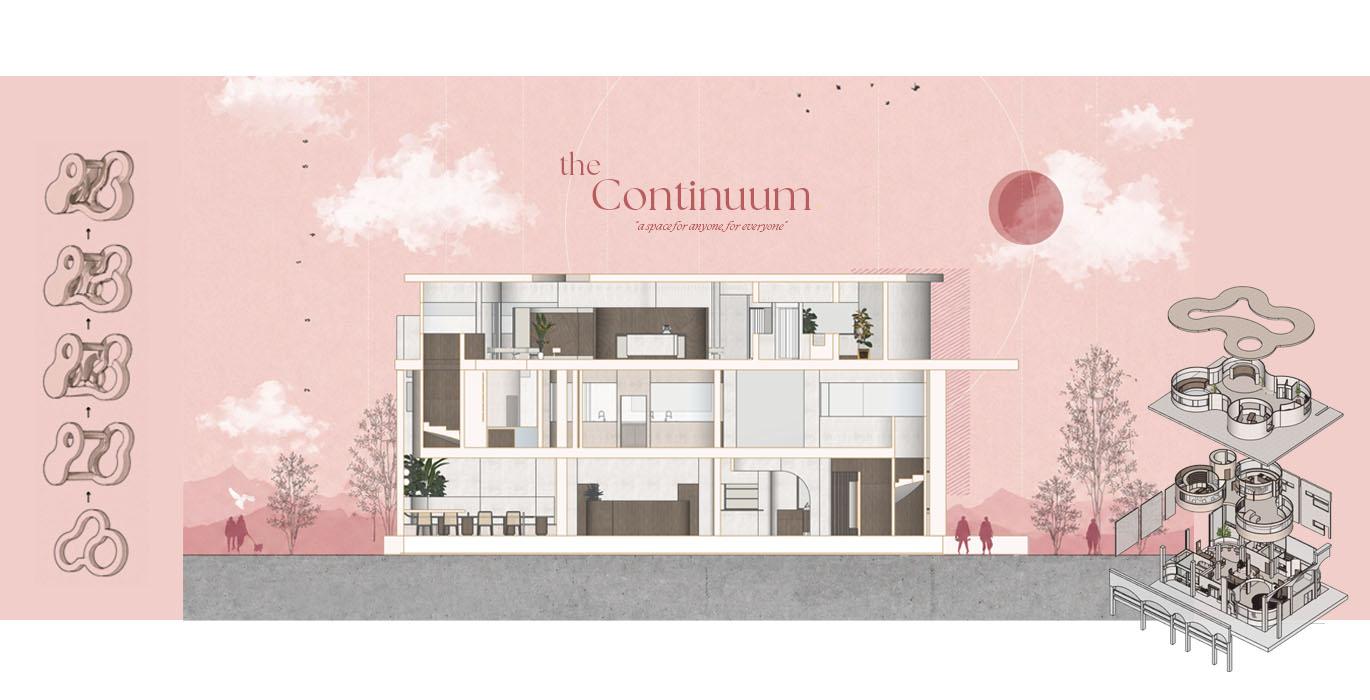
The Living Interface.
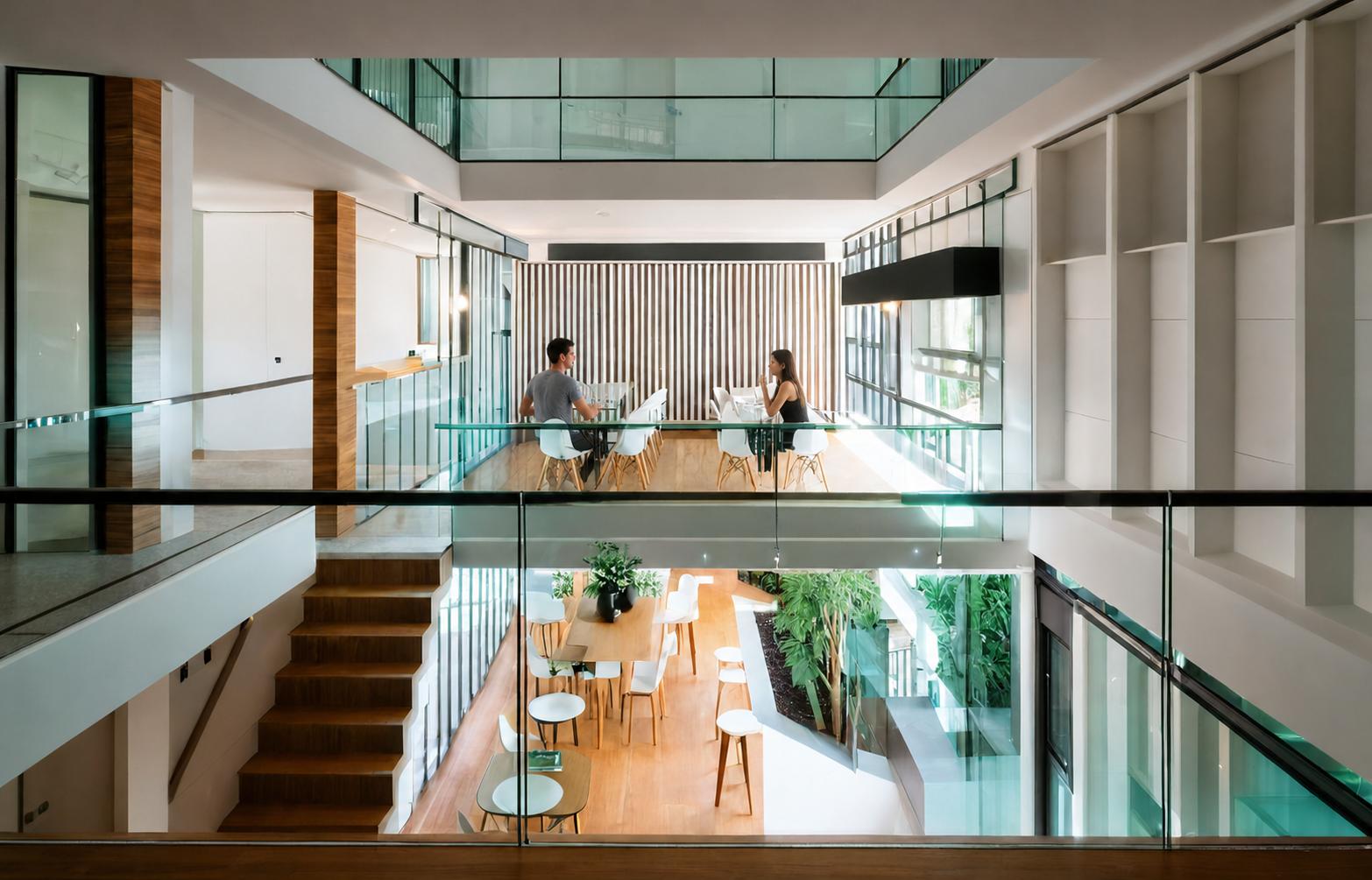
Mezzanine café
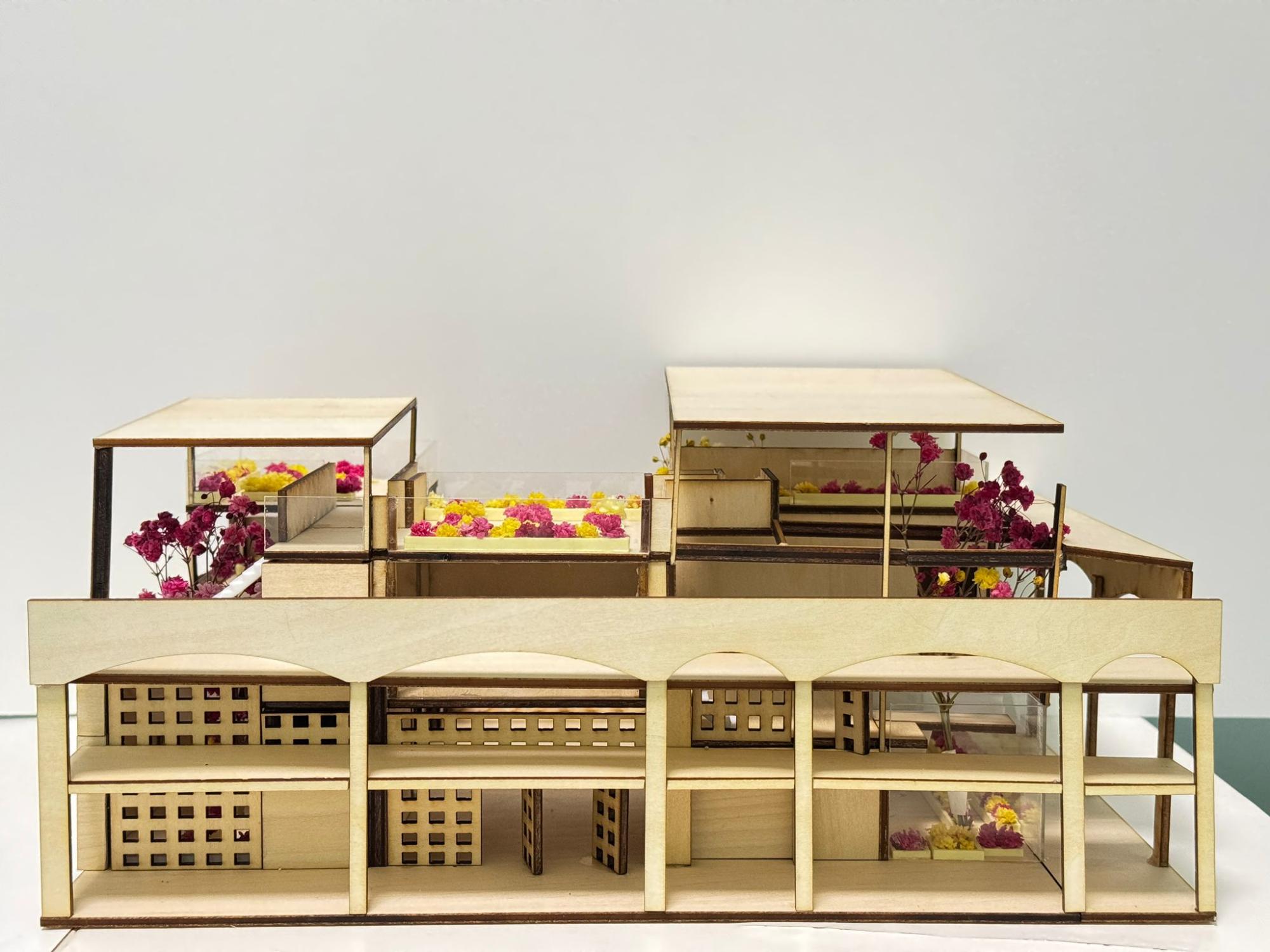
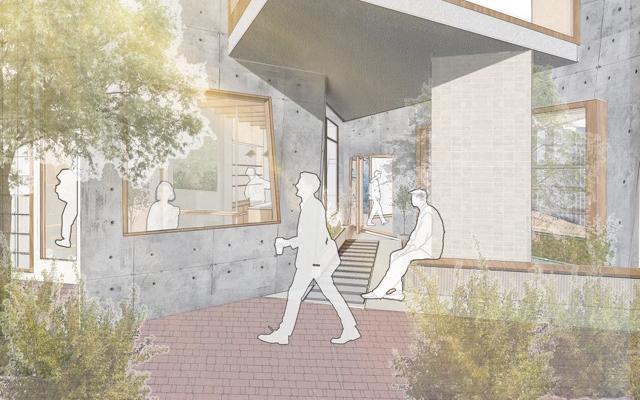
The project envisions a therapeutic environment designed to support individual well-being through an integrated approach to spatial and social strategies.
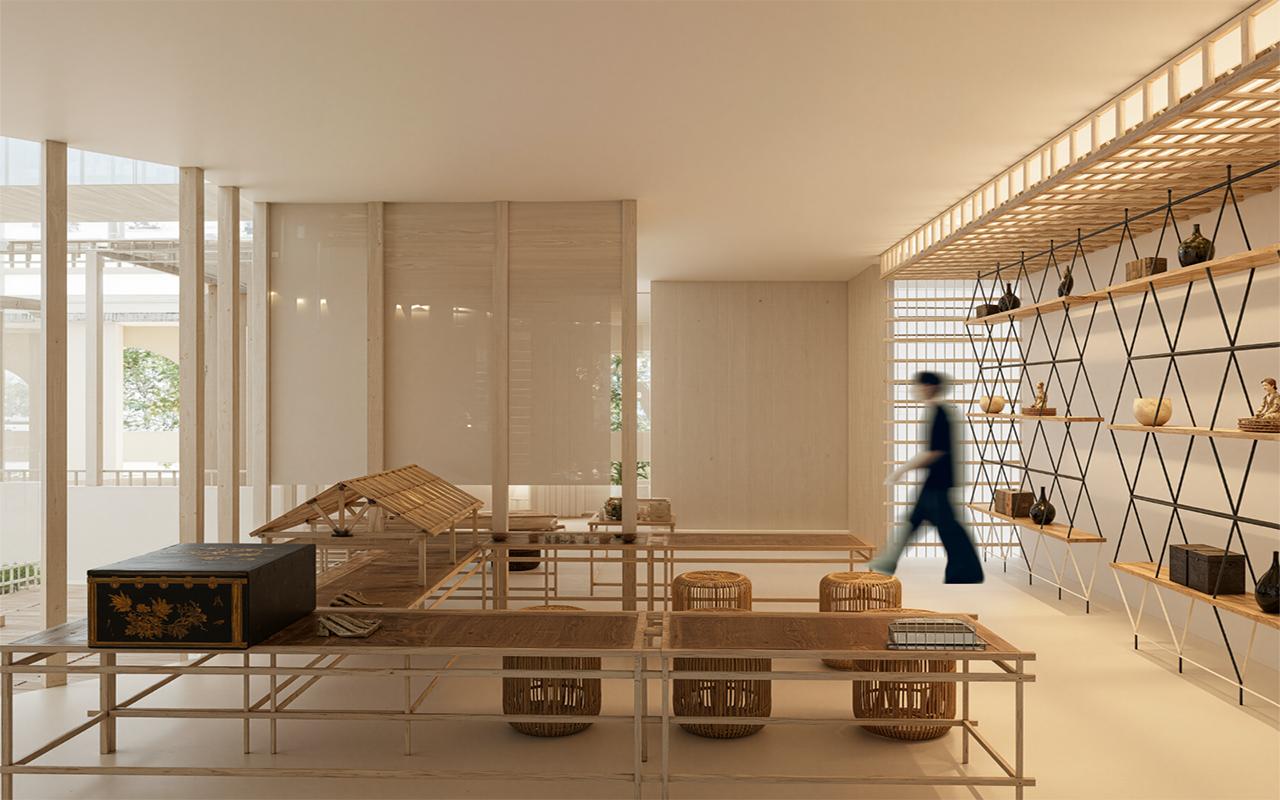
Grounded in principles of interface integration, spatial continuity and programme layering, the design harnesses natural light, cross-ventilation and tactile materials to enhance the comfort and sensory experience. Open, porous layouts encourage fluid movement and visual connectivity, while carefully choreographed sequences of compression and release guide spatial transitions.
Programmes such as yoga, pilates, arts and crafts and communal cooking—anchored by a café within the mezzanine—are vertically layered to promote accessibility, interaction and a sense of discovery. This vertical organisation fosters both connection and autonomy, allowing users to engage with different activities at their own pace.
By weaving together nature, circulation and layered programmes, the environment cultivates experiential learning and social engagement. The result is a restorative setting that supports meaningful interaction, encourages mindfulness and enables users to sustain balance within their everyday lives.
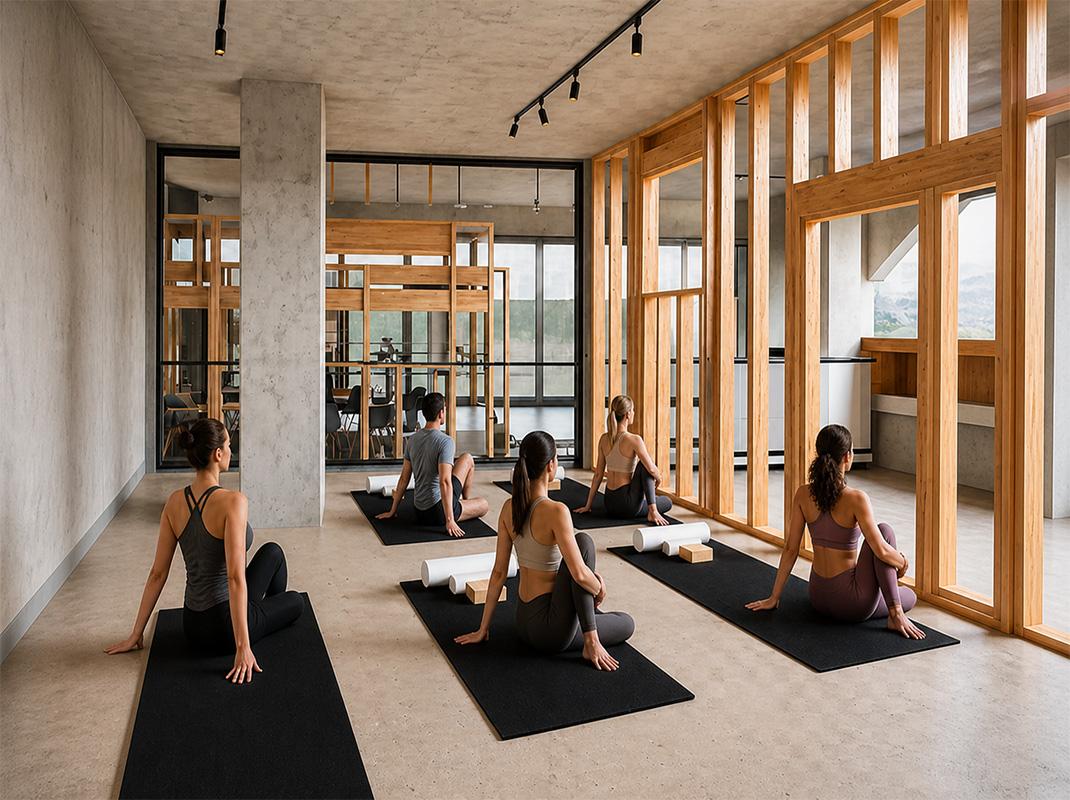
Yoga studio

Open café and bar area
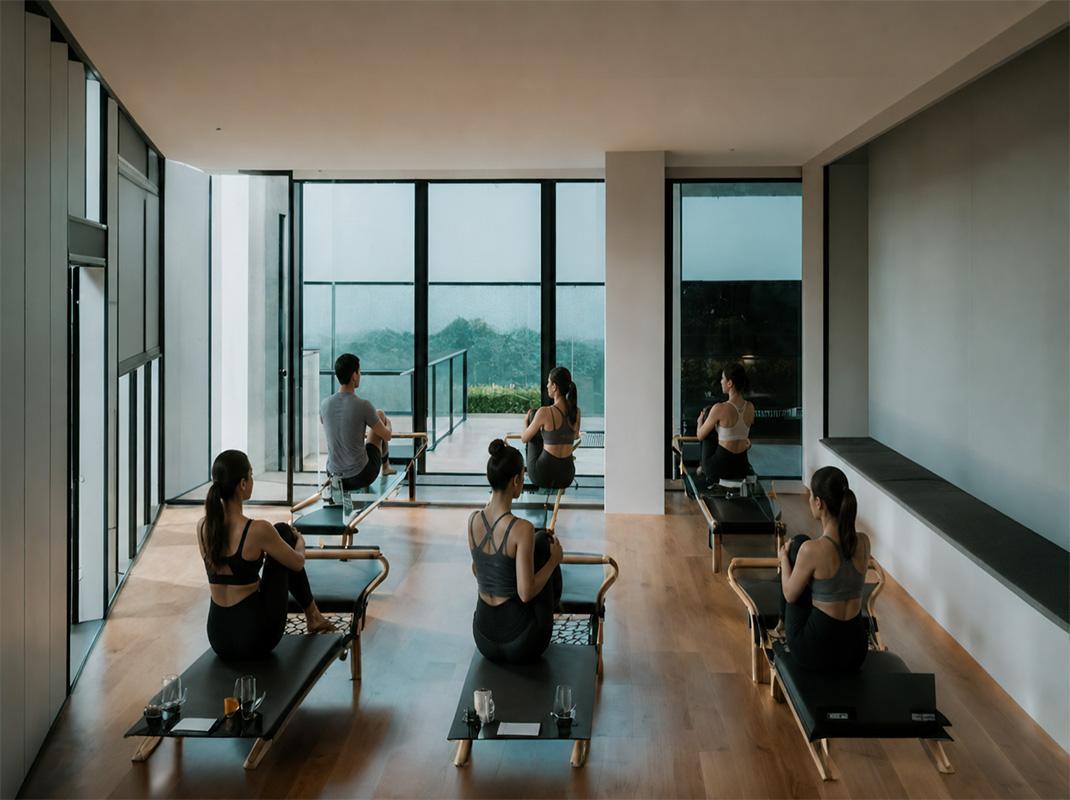
Pliates studio
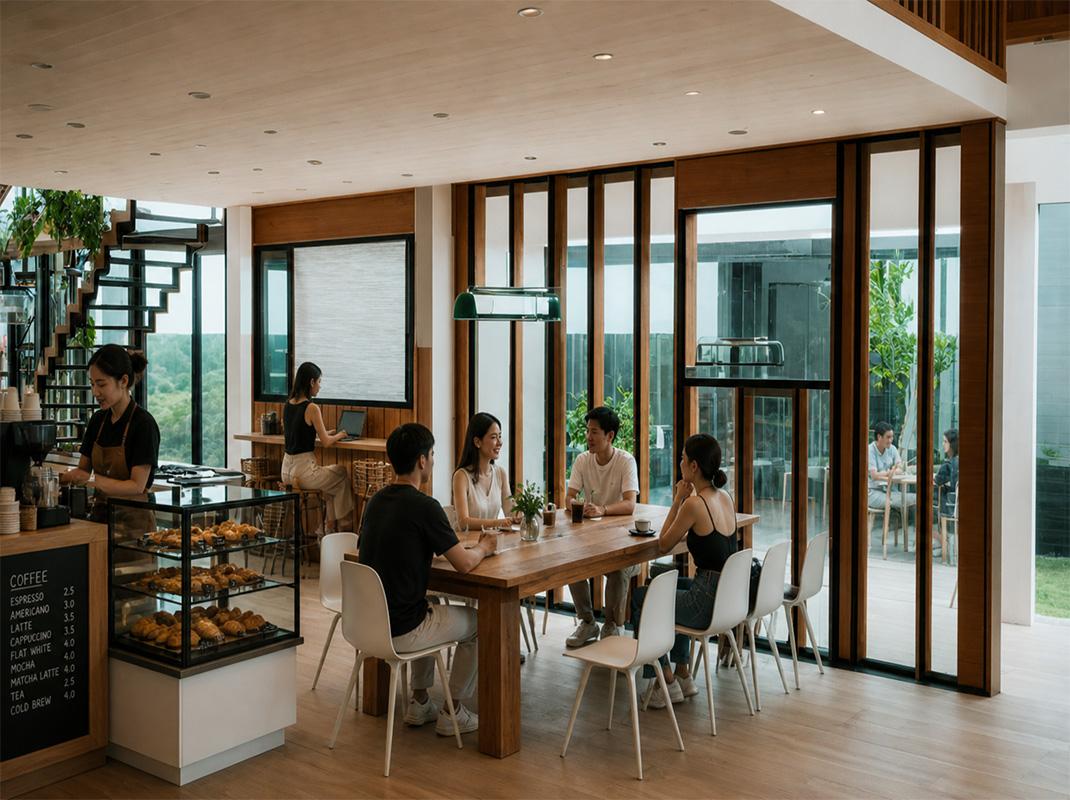
Café

Café overseeing the mezzanine
Pyae Sone Hein
Sandoval Averyl Pantoja
Soon You Yu
Diana Ser Wei Xiu

Qireen Idris
Lok XuePing