


About
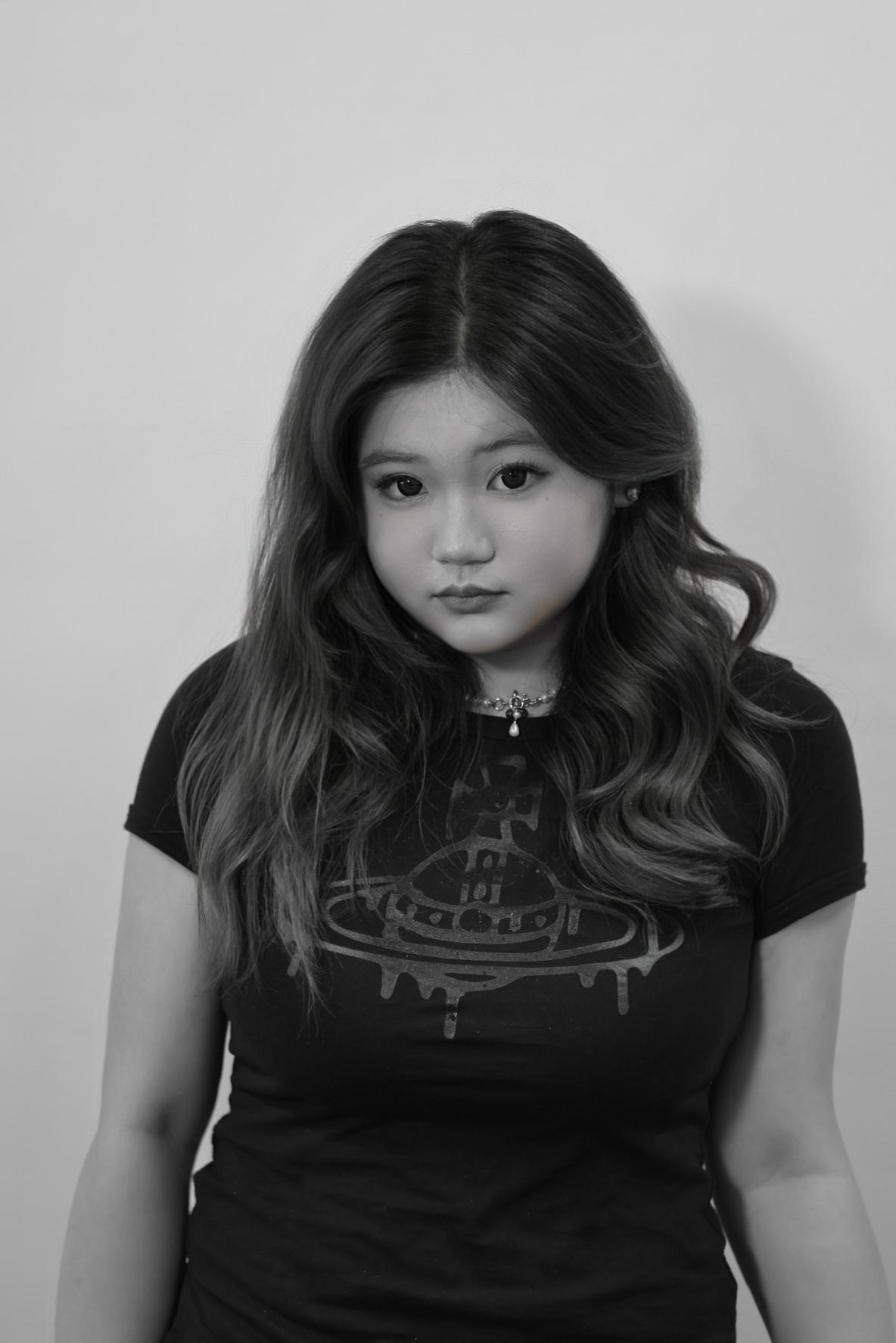
Linya is an interior designer who explores how space can convey narrative, memory and atmosphere beyond its physical boundaries.
Rather than adhering to a fixed aesthetic or signature style, she approaches each project as an evolving inquiry—one that is shaped by context, human behaviour and the subtle interplay of sensory elements. Through careful consideration of light, material, proportion and movement, she constructs spatial experiences that unfold gradually and invite quiet engagement.
Her practice is grounded in an attentiveness to the intangible qualities of space: the pause before entering a room, the weight of silence and the emotional resonance embedded within textures and thresholds.
Linya is particularly interested in designing environments that support reflection, introspection and nuanced forms of connection, especially within overlooked or everyday settings. By working with restrained palettes and precise compositions, she creates atmospheres that feel calm, intentional and deeply immersive.
Linya’s work does not seek immediate visual impact, but instead values duration and perception—spaces that reveal themselves slowly through time and presence. Balancing clarity with softness, and structure with ambiguity, her interiors offer a quiet intensity. They are environments that are not only designed to be seen, but to be sensed, inhabited and gently experienced over time.
The Listening Commons
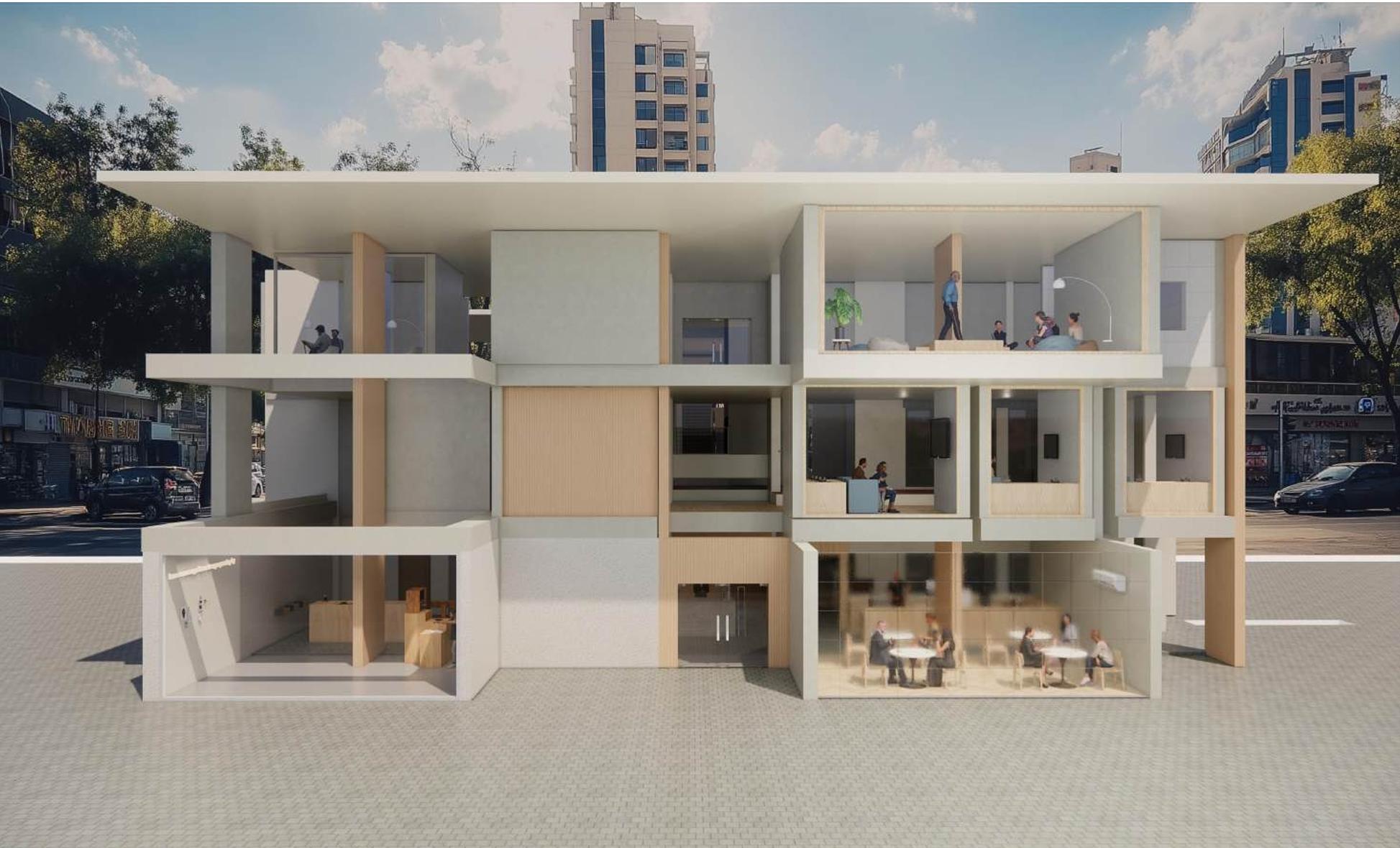
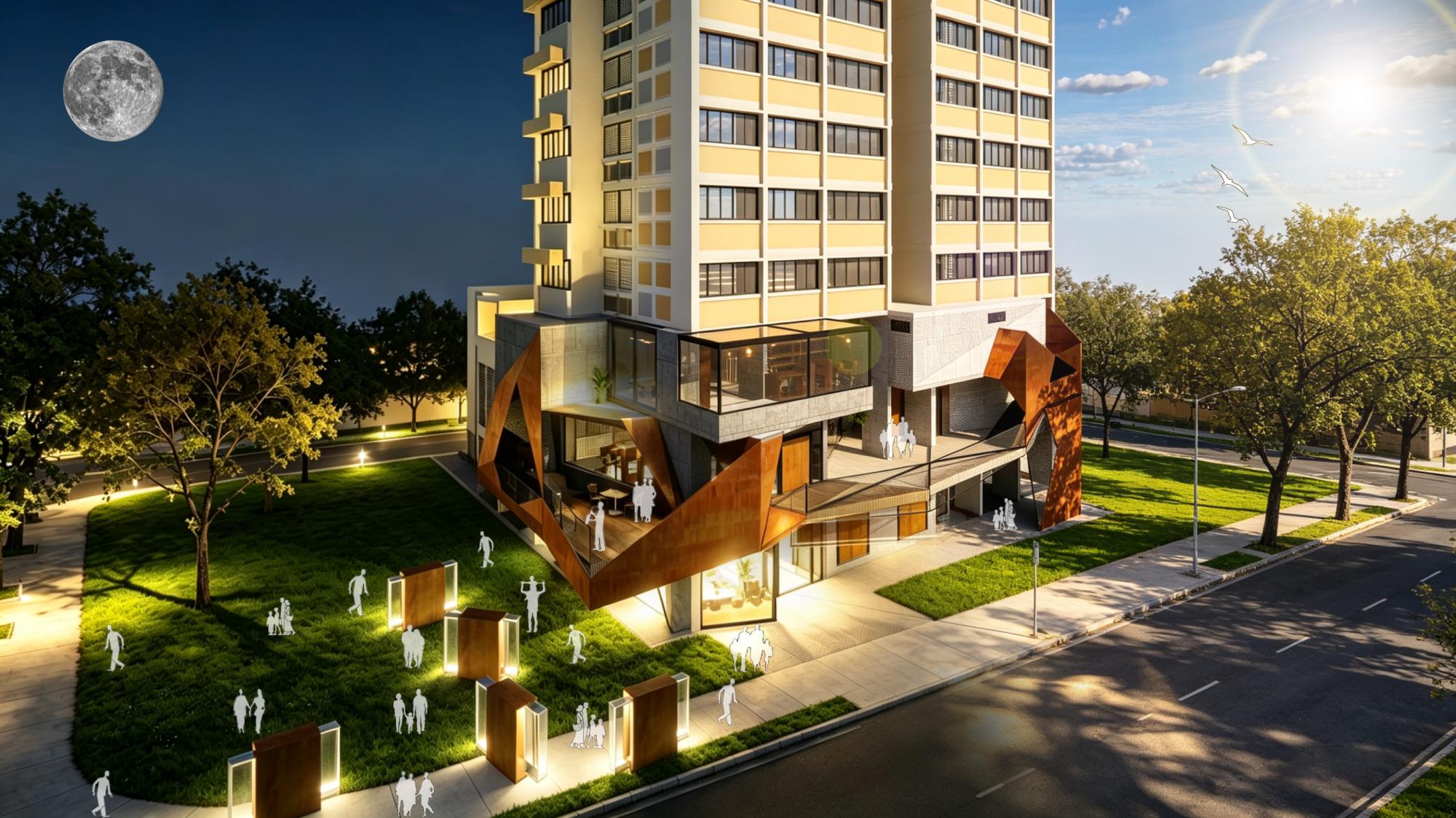
The project explores the transformation of everyday spaces into platforms for emotional expression and connection within an aging urban community.
It responds to environments where opportunities for sharing personal stories and inner experiences have gradually diminished under fast-paced, efficiency-driven lifestyles. Conditions such as social isolation, lack of intergenerational interaction and limited informal gathering spaces contribute to a quiet yet persistent emotional disconnect.
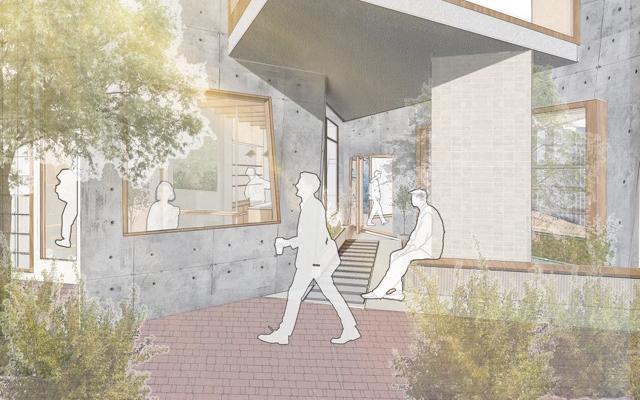
The design proposes a layered spatial system that begins with a café as a familiar entry point, transitions into reflective exhibition areas and culminates in intimate dialogue spaces inspired by a 'human library'. Through this sequence, expression evolves from subtle gestures to open conversation, allowing individuals to share, listen and reconnect within a supportive and inclusive environment.


Zhu Jingyi

Choi Dugyeong
Lim Shi Ying

Song Yu
Pyae Sone Hein
Chen Jialing