


About
Bicheng is an emerging designer whose practice is grounded in the relationship between art and spatial design.
His work is shaped by a strong foundation in drawing and visual composition, developed through years of artistic training, which continues to inform his approach to space-making. He is particularly interested in translating narratives embedded within fine art into spatial experiences, allowing abstract ideas to take on physical and immersive forms that engage both the senses and the intellect.
Rather than treating design purely as a functional discipline, Bicheng approaches it as a medium for storytelling and emotional engagement. He explores how materials, light, structure and spatial sequencing can be orchestrated to guide perception, shape atmosphere and influence how people move through and interact with space. His projects seek a careful balance between rational planning and artistic expression, resulting in environments that are both practical and sensorially rich.
In his recent work, Bicheng designed spaces that encourage interaction, participation and cultural reflection. He is especially interested in how design can reconnect people with shared memories and intangible heritage, particularly within the context of rapidly changing urban environments. By integrating elements of play, craft and narrative, his work transforms passive observation into active and meaningful experience.
Through this approach, Bicheng aims to create spatial experiences that are not only functional, but also poetic, reflective and deeply human, offering users a lasting sense of connection, engagement and emotional resonance within space.
Heritage Revival
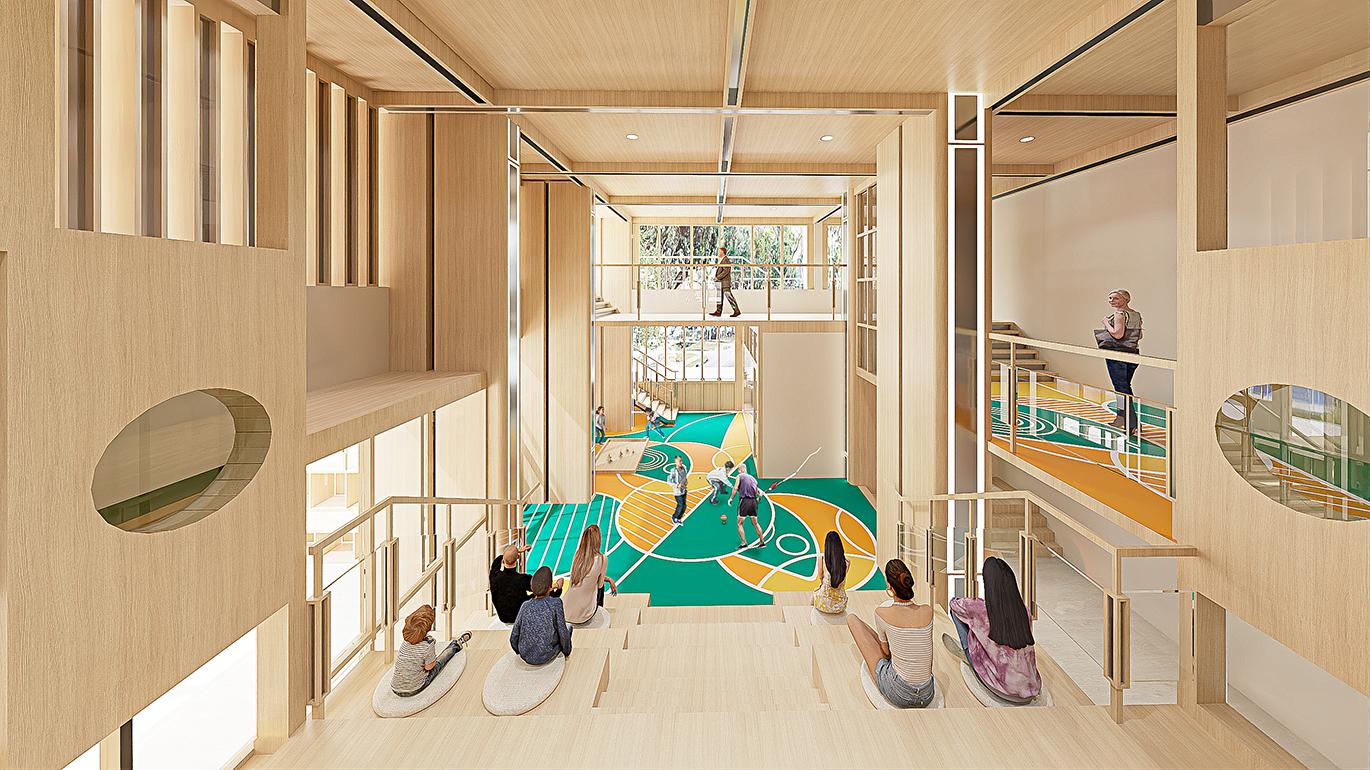
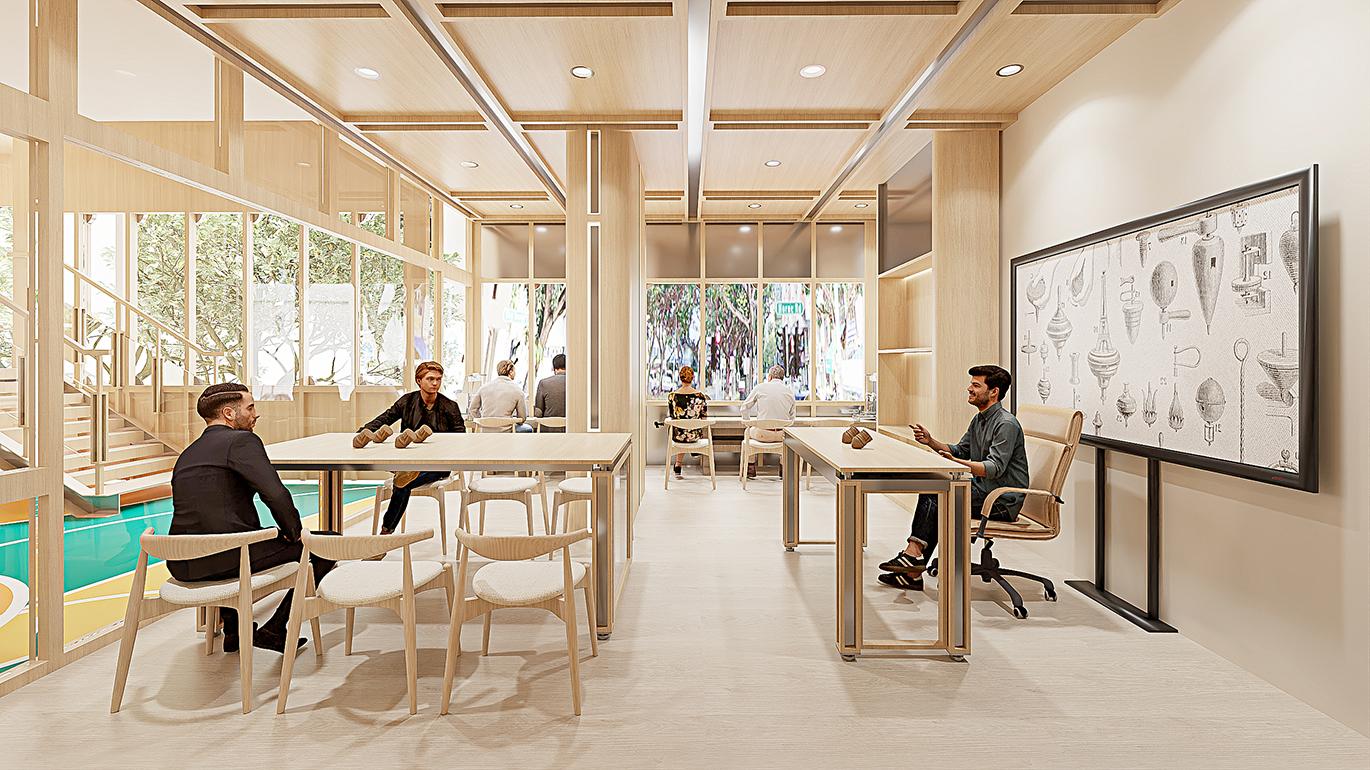
The spinning top playing area
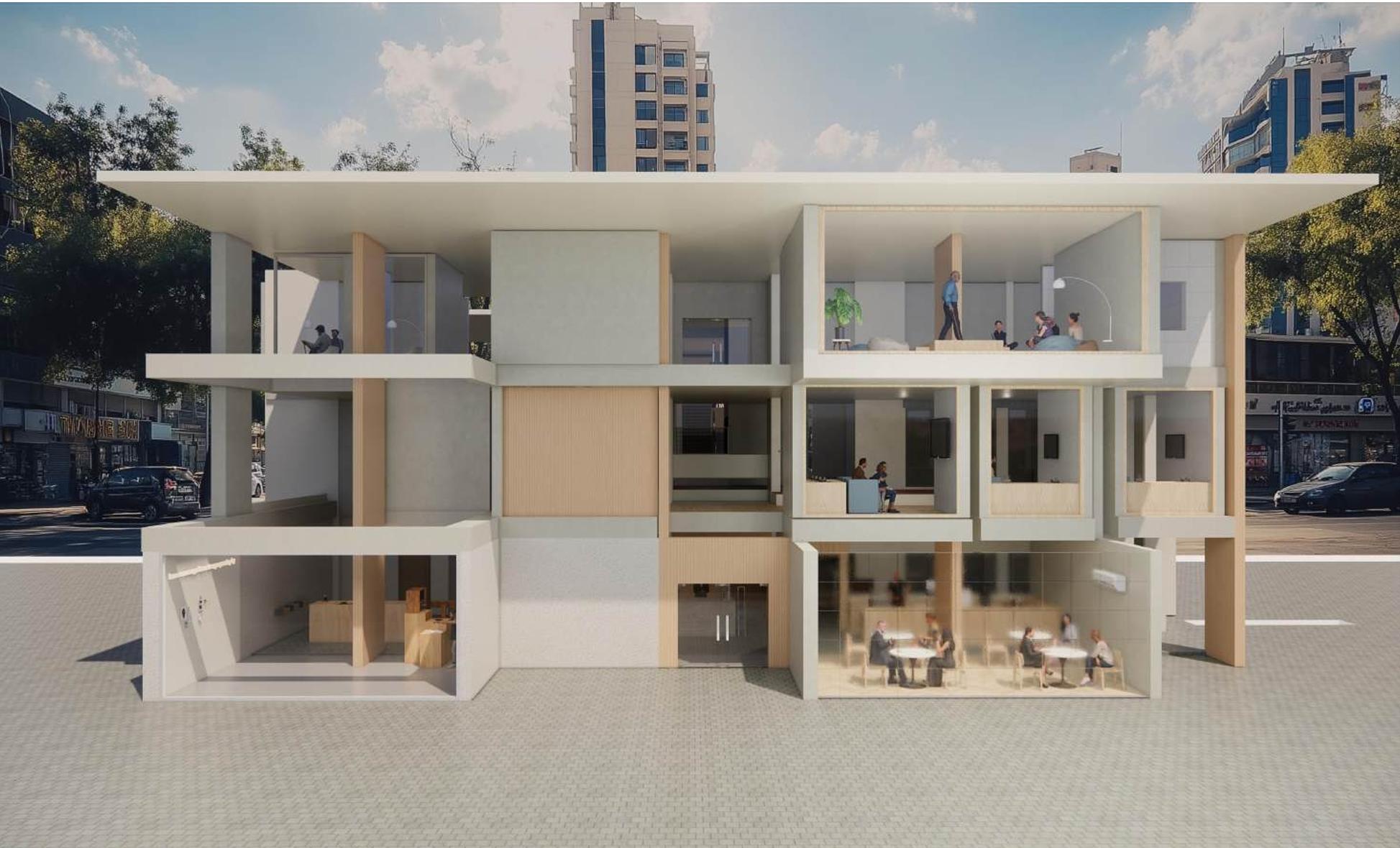
This project reinterprets the loss of traditional play in Singapore caused by urbanisation and digital lifestyles, seeking to reconnect cultural memory with social interaction.
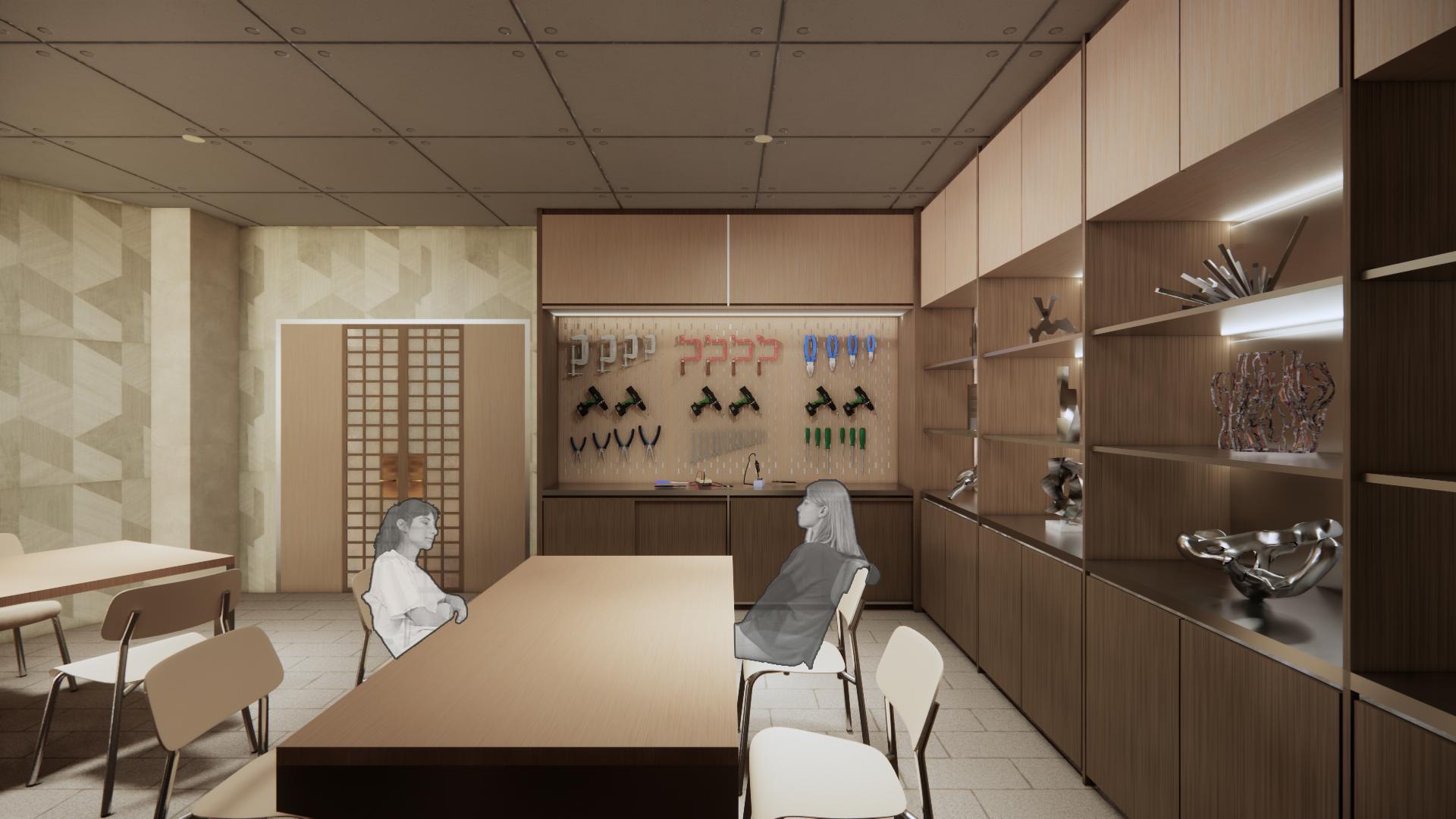
It integrates play, craft, experience and retail within interactive environments where users engage in games and making processes.
Spatial sequencing is used to express the rhythm and movement of vernacular play in a contemporary setting, encouraging intergenerational exchange and a deeper appreciation of cultural practices.

Conkak playing area

Zero point playing area
The project revitalises traditional Singaporean games by bringing play, making and retail within a cohesive spatial experience.
Users play games, craft related products and purchase them, transforming passive heritage into active cultural practice.
Through participation, learning and exchange, the project supports cultural continuity, encourages intergenerational interaction and establishes a sustainable model for preserving and reactivating traditional play within a contemporary urban context setting.

Traditional game showcase

Light craft making area
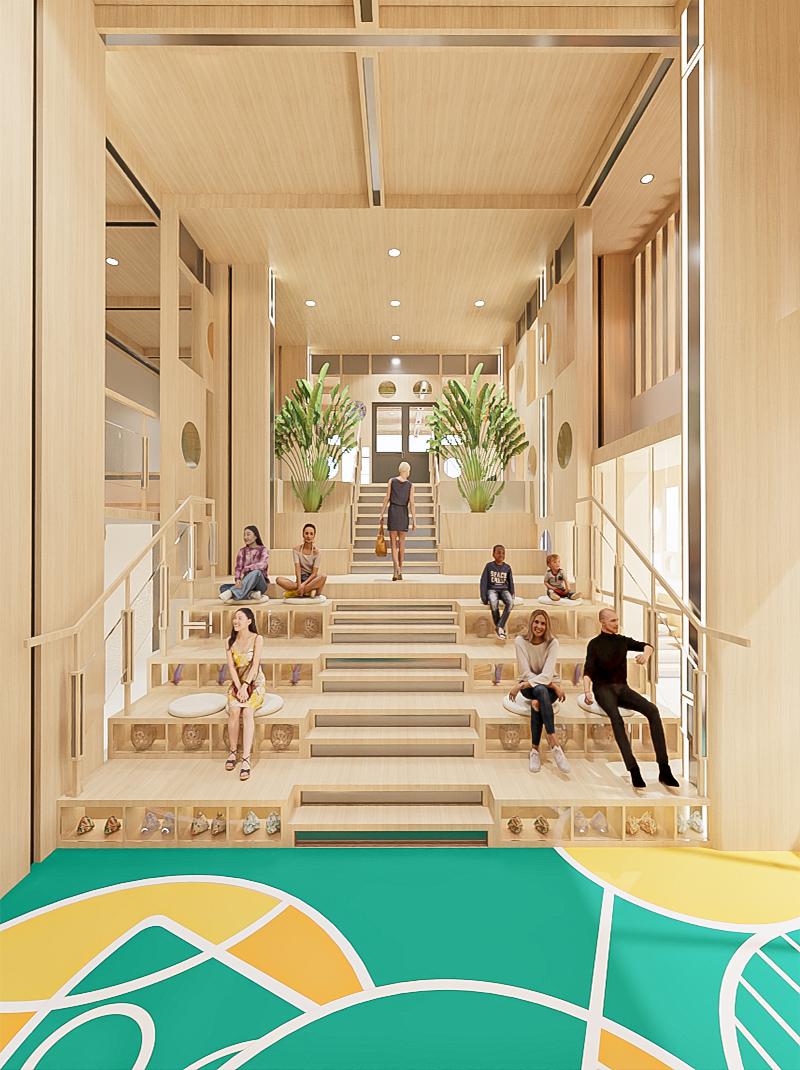
Staircase sitting area

Giant chess playing area
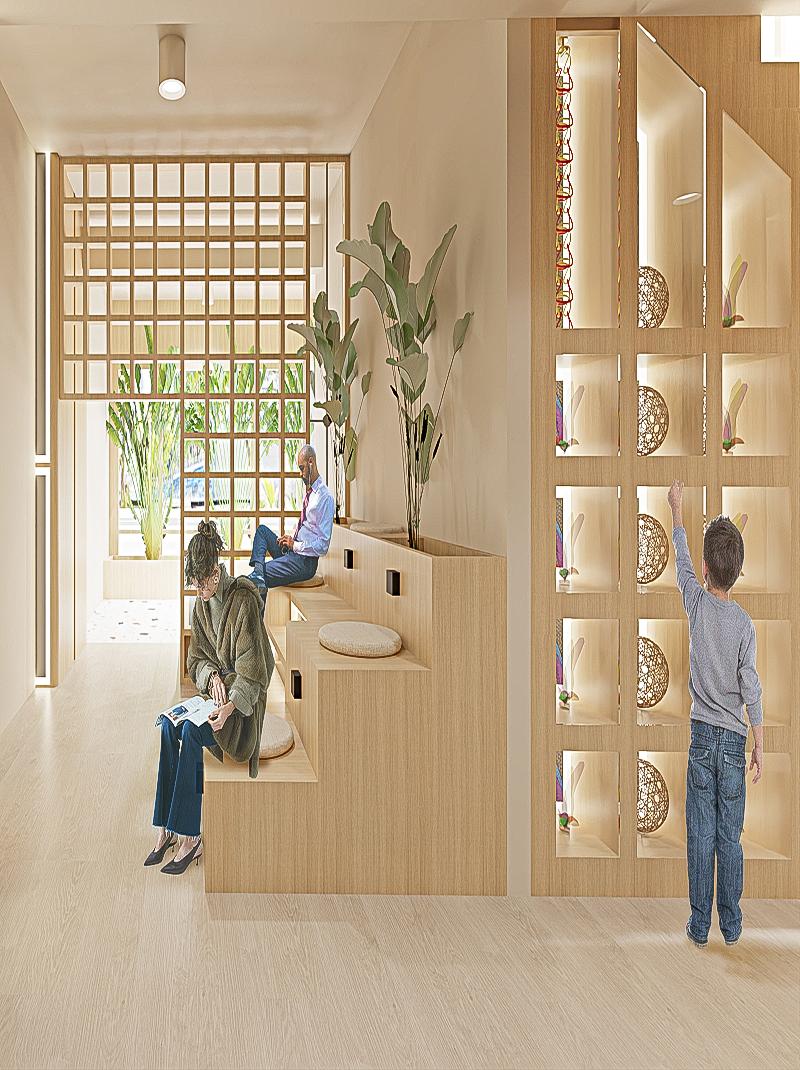
Traditional game showcase
Sandoval Averyl Pantoja
Liu Meixu

Song Yu
Huang Linya
Diana Ser Wei Xiu

Nathania Baby Putri Wirawan